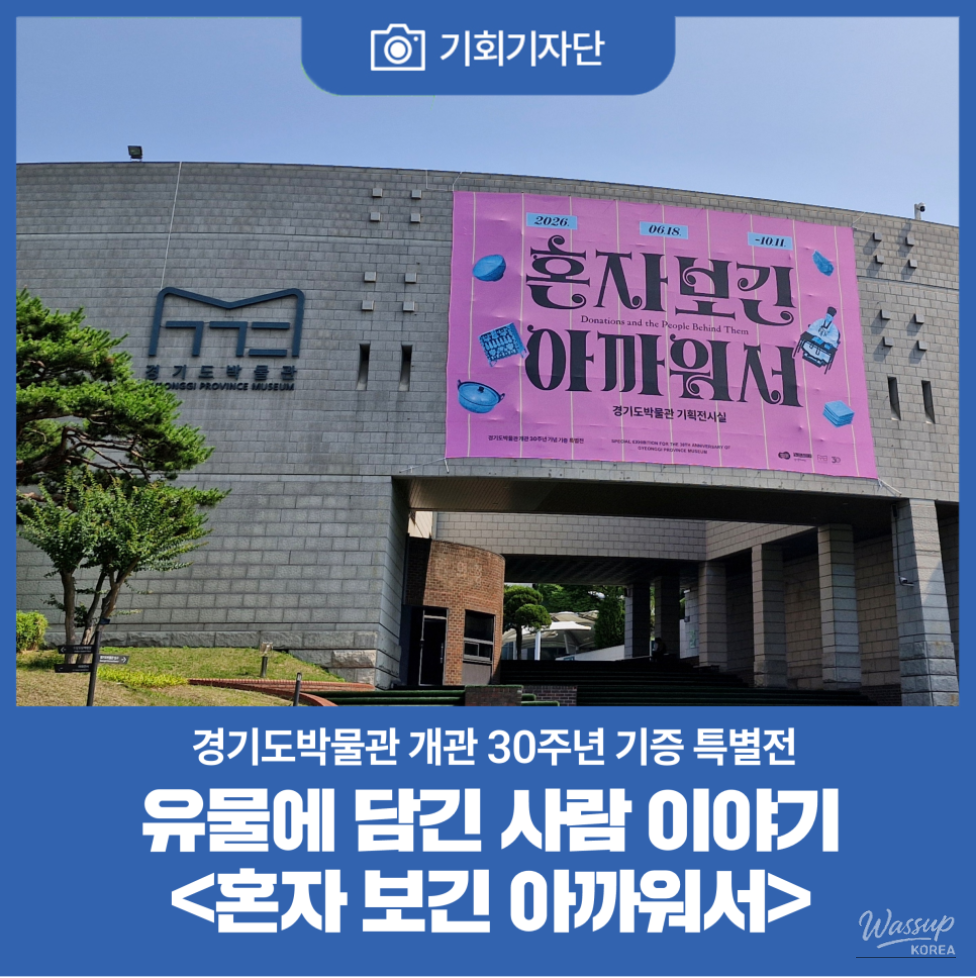
The Value of Donated Artifacts: A Special Exhibition at Gyeonggi Provincial Museum



[Journalist: Yoon Jae-yeol]
How do artifacts come to museums? Museums acquire artifacts through budgets by purchasing from individuals or auctions and also receive cultural heritage items through excavation surveys for preservation and management. However, the most significant source of artifact collection is undoubtedly donations from individuals or organizations who generously offer their long-held possessions to the museum.
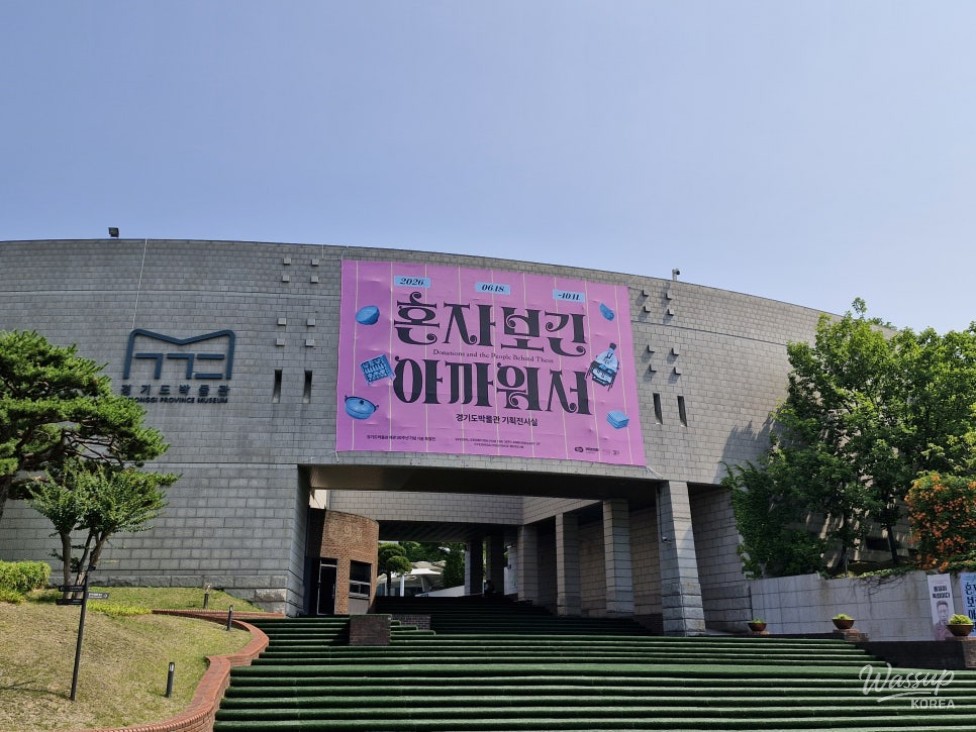
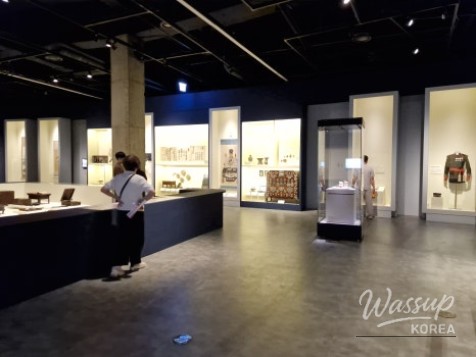
To celebrate its 30th anniversary, Gyeonggi Provincial Museum is hosting a special exhibition titled Too Precious to Keep to Myself from June 18 to October 11, highlighting the value and significance of donations. This exhibition explores the history of donations, which have been ongoing since 1986, focusing on the stories of people rather than the artifacts themselves.
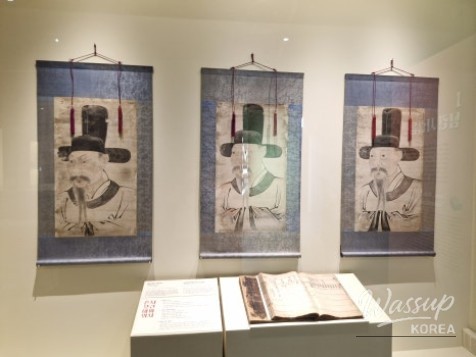
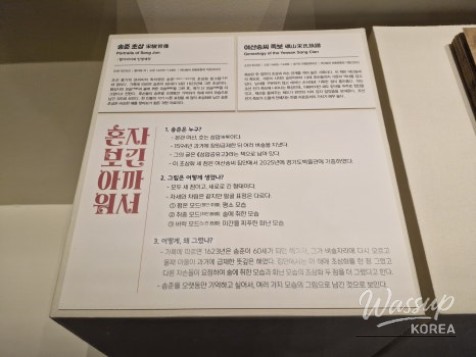
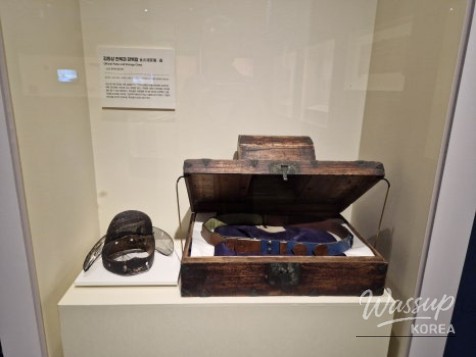
The first section, 'Those Who Left Behind,' presents the stories of the artifacts and their donors. Visitors encounter not only the historical value of the cultural heritage but also the heartfelt sentiments of those who have preserved these items over the years. For instance, the portrait of Song Jun is introduced with a relatable description, 'Three Snapshots of Grandfather's Life.' The three portraits reflect different expressions, allowing visitors to understand the reasons behind their creation and the family's memories cherished over generations.
Another exhibit, the 'Cheongpung-gye' plaque, draws attention as it features calligraphy bestowed by a king, encapsulating both the public relationship between the king and his subjects as well as familial ties. This single artifact narrates the intertwined histories of politics, family, and human relationships of the time.
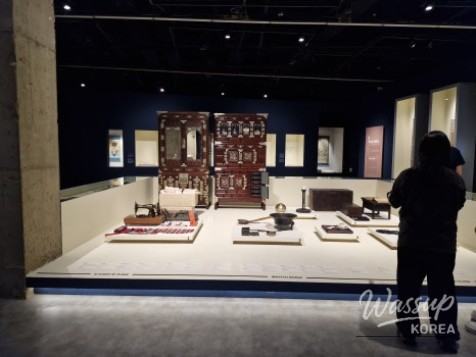
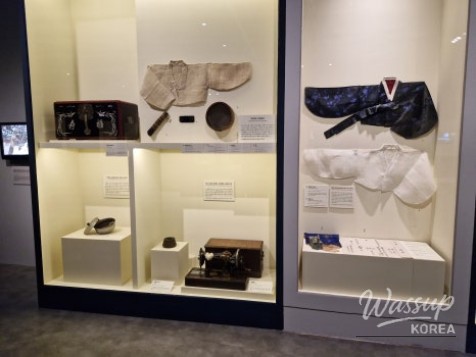
The second section, 'Those Who Donated,' tells the stories of individuals who willingly donated treasures that their families had safeguarded for generations, even during wartime. The exhibition hall is designed to resemble a cozy room, featuring items like a two-story cabinet and a brazier, seamlessly blending artifacts from different homes and backgrounds. Among them is a unique cabinet that was part of a dowry brought by a mother in 1925, which her daughter later donated, accompanied by a photo of the daughter as a child with her mother.
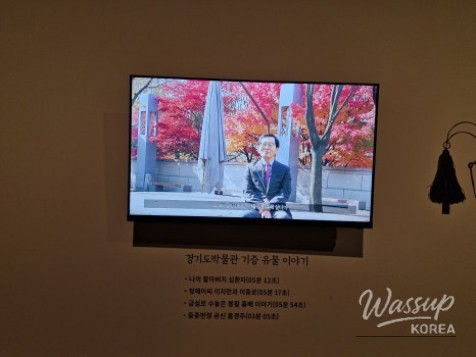
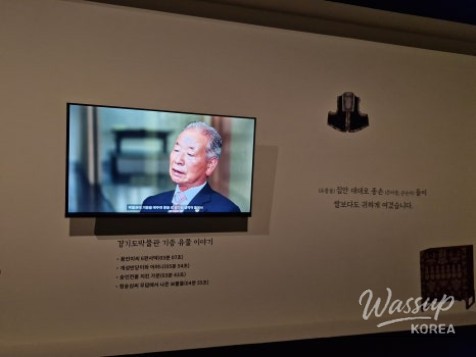
Visitors can watch interview videos of donors explaining their reasons for donating artifacts, which enhances the emotional connection to the exhibits. The exhibition not only describes the artifacts but also presents records and materials related to the donations, allowing visitors to immerse themselves in the stories behind the objects.
The exhibition's design is also impressive, featuring interview videos where donors share their experiences of donating family heirlooms. Their heartfelt memories and sense of responsibility resonate deeply with visitors.
The third section, 'Museum People,' highlights the museum staff who breathe new life into the artifacts. Items that enter the museum undergo careful preservation and research by professionals, ensuring their historical value is conveyed to contemporary audiences. Their efforts enrich our history and culture, allowing precious cultural heritage to be passed on to future generations.
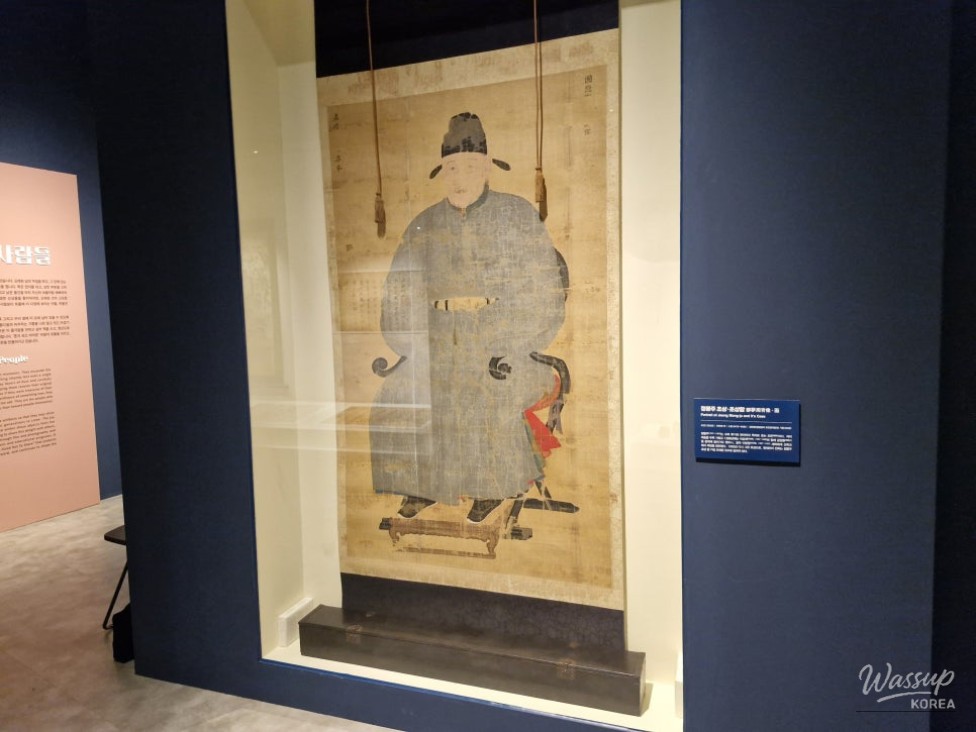
One notable artifact, the portrait of Jeong Mong-ju, showcases the meticulous preservation process by Gyeonggi Provincial Museum staff. Originally created in 1390 and redone in 1555, it was donated to the museum in 2006. The portrait had suffered significant damage over the centuries, but through nine months of careful restoration, experts revived its original appearance.
The exhibition creatively reconstructs this preservation process as if Jeong Mong-ju himself is narrating his journey through time to the museum, enhancing the audience's understanding of the importance of cultural heritage preservation.
As the exhibition concludes, visitors often find themselves lingering, touched by the love and warmth imbued in each artifact. These items are not merely exhibits; they are heartfelt gifts that carry the lives, memories, and values of their previous owners, resonating deeply with visitors.
Special Exhibition Too Precious to Keep to Myself for the 30th Anniversary of Gyeonggi Provincial Museum
▪ Exhibition Period: June 18 - October 11, 2026
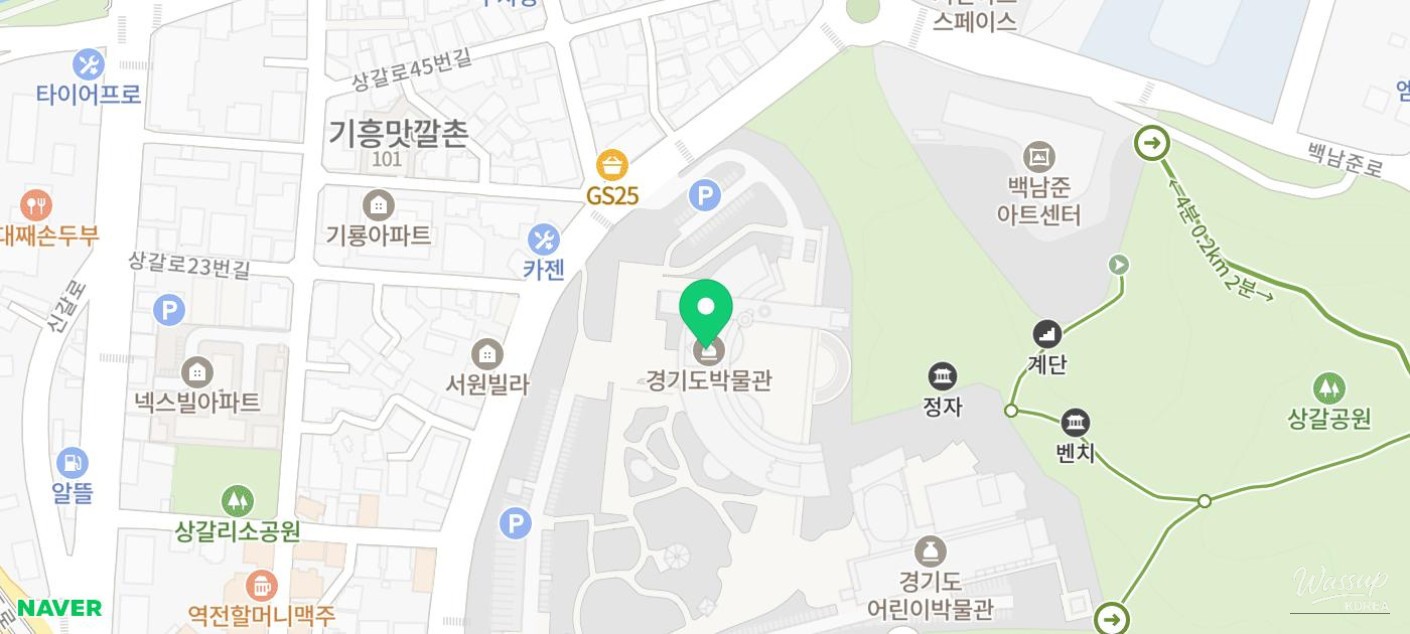
▪ Venue: Gyeonggi Provincial Museum, 1st Floor Exhibition Hall
▪ Opening Hours: 10:00 AM - 6:00 PM (until 7:00 PM in July and August)
▪ Admission: Free
▪ Exhibited Artifacts: 190 items including the portrait of Song Jun and the Cheongpung-gye plaque
▪ Organized by: Gyeonggi Cultural Foundation, Gyeonggi Provincial Museum
Source :https://blog.naver.com/gyeonggi_gov/224340222393
No comments yet.