The Story of Andong Muk: A Hidden Gem of K-Food



Andong, located in Gyeongsangbuk-do, is famous for its local dishes such as steamed chicken, grilled mackerel, and heotjesabap.
However, there is another dish that has been quietly loved by the locals for a long time.
That dish is 'Muk'!
Muk is a traditional food made by grinding plant-based ingredients like acorns, mung beans, and buckwheat to extract starch, then boiling and solidifying it.
Despite its simplicity, Muk has maintained its flavor and texture over the years, becoming a humble yet profound part of Korean dining.
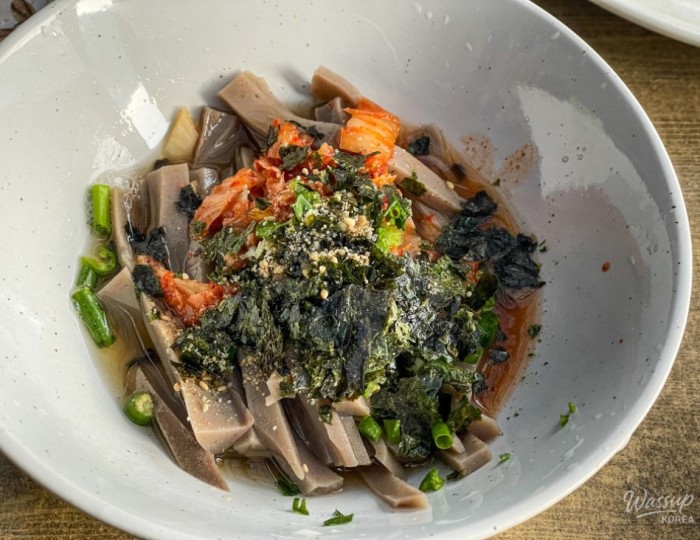
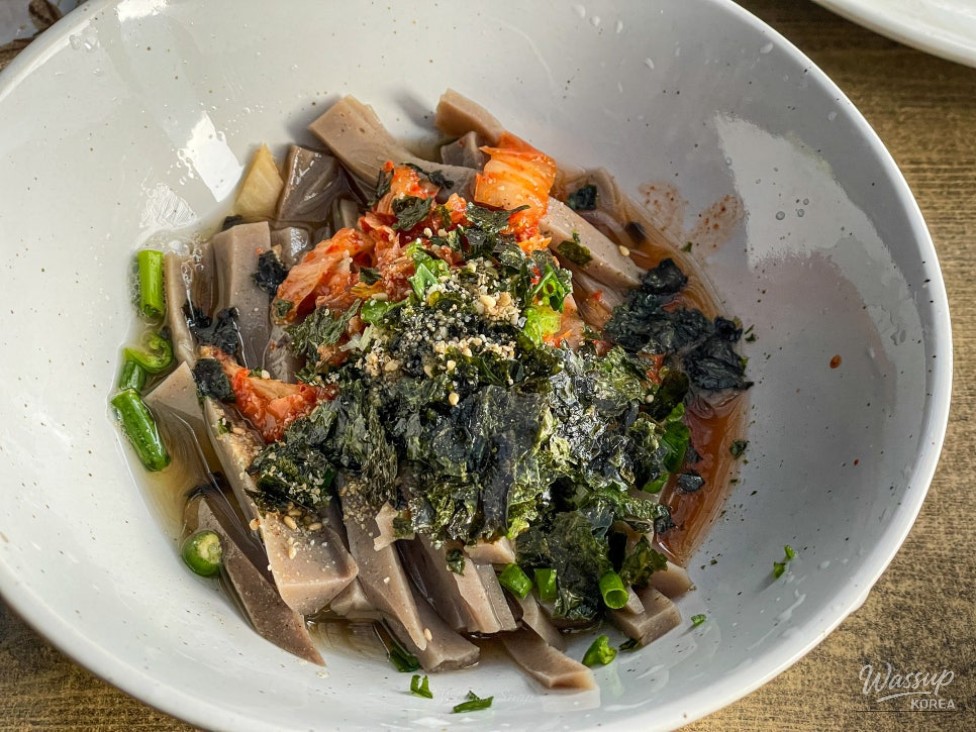
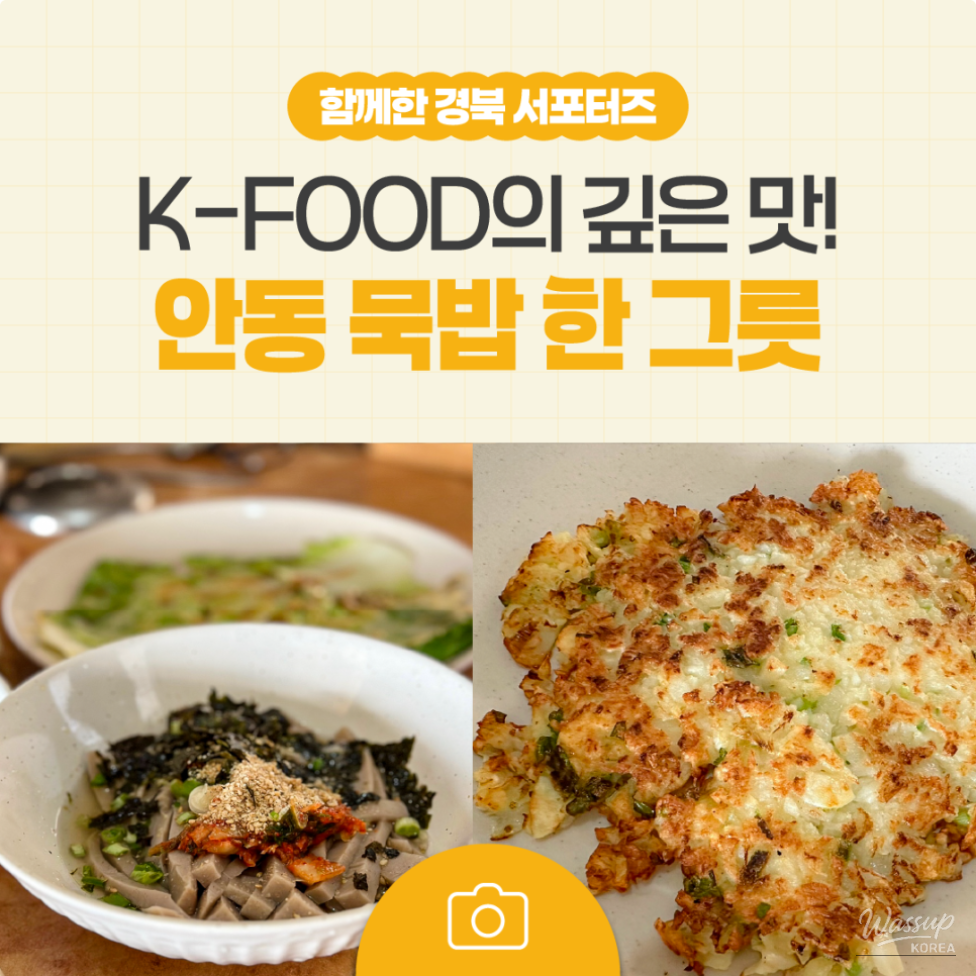
In Andong, Muk is enjoyed as 'Mukbap', served in a cold broth.
Why is Andong Mukbap famous?
The popularity of Andong Mukbap across the country is partly due to the region's rich agricultural environment.
Andong, located in the mountainous inland area of Gyeongsangbuk-do, has been abundant in acorns since ancient times, leading to the natural development of acorn Muk culture.
The traditional method of grinding harvested acorns, settling the starch, and boiling it to solidify is still practiced in many places in Andong today.
Another characteristic of Andong Mukbap is its 'subtle taste'.
Rather than strong seasonings or stimulating flavors, the dish showcases the natural flavors of the ingredients, a hallmark of Andong's culinary culture.
At first, it may seem bland, but the deeper, clean taste captivates your palate as you continue to eat.
Andong Mukbap is truly a dish that becomes more delicious the more you understand it.
Muk comes in three main varieties: acorn Muk, cheongpomuk (mung bean Muk), and buckwheat Muk.
Acorn Muk is brown, chewy, and has a nutty flavor.
Cheongpomuk is transparent, soft, and has a mild taste, often used in royal court dishes like Tangpyeongchae.
Buckwheat Muk has a coarse texture and nutty flavor, enjoyed in regions such as Gangwon-do and parts of Gyeongsangbuk-do.
The history of Muk dates back quite a while.
Records from the Joseon Dynasty describe how Muk was made, and it was used as emergency food during famines.
Being made from readily available ingredients, it has long been cherished by the common people, and this humble wisdom has continued to this day, establishing Muk as a representative local dish of Gyeongsangbuk-do.
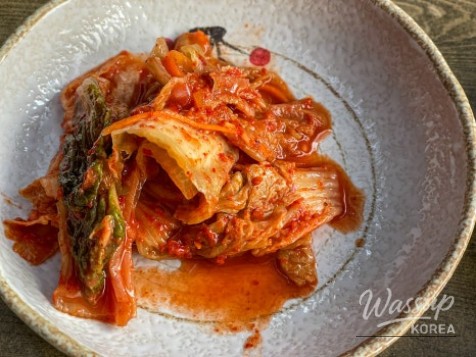
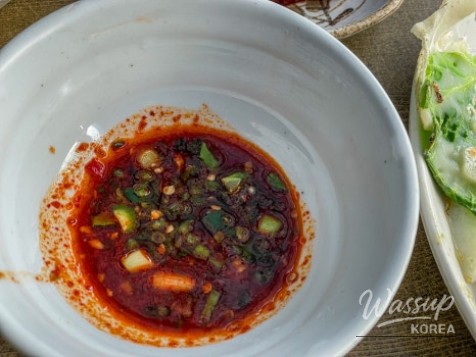
Enjoying Andong Mukbap in winter is warm and soft, while in summer, Muk is served on top of cold broth, seasoned with soy sauce, sesame oil, and kimchi.
At first bite, you might think, 'Is this it?'
If you're used to strong flavors, it may initially seem bland.
However, you'll find yourself completely captivated by its subtlety.
The unique bounciness and softness of Muk, the refreshing broth, and the nutty essence of soy sauce and sesame oil converge to quietly capture your taste buds.
This bowl epitomizes the deep flavors of traditional Korean cuisine.
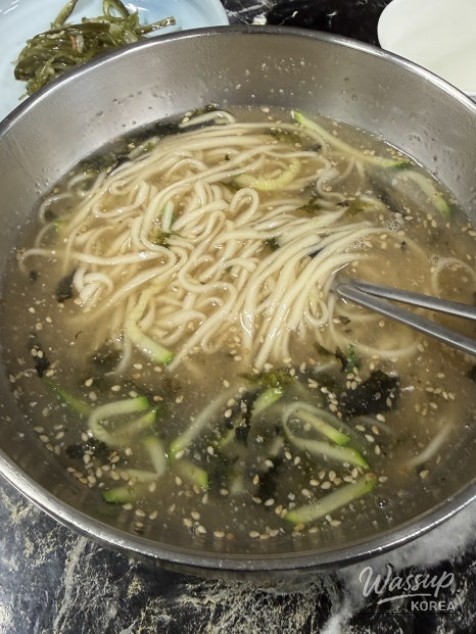
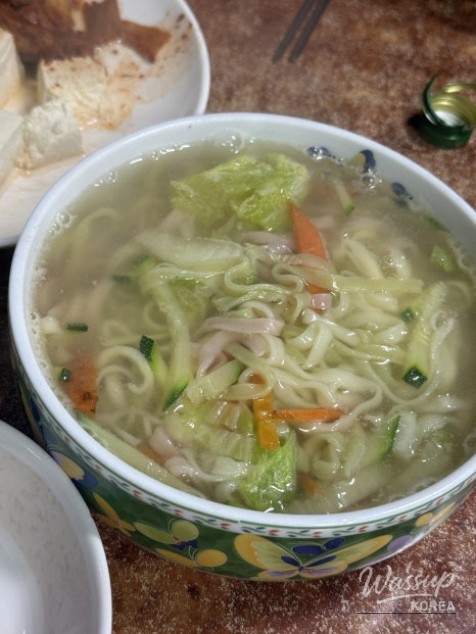
In Andong, the culture of enjoying Mukbap is often accompanied by 'Son Guksu', handmade noodles that differ in texture from machine-made ones.
The basic broth is also mild, and while it may seem under-seasoned at first, you'll eventually realize, 'This is the taste of tradition.'
After finishing, you'll feel light and comfortable, making it a perfect 'well-being dish'.
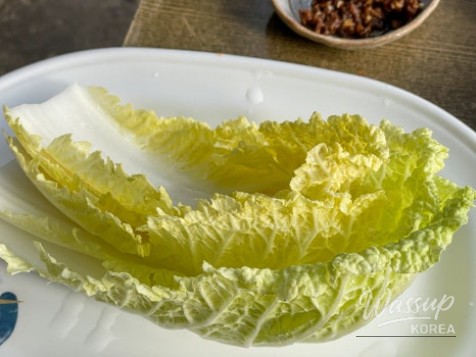
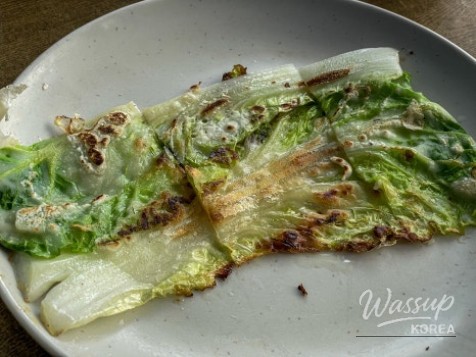
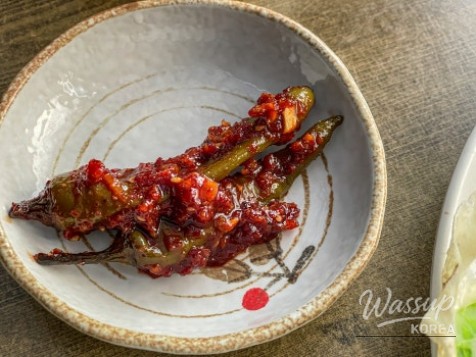
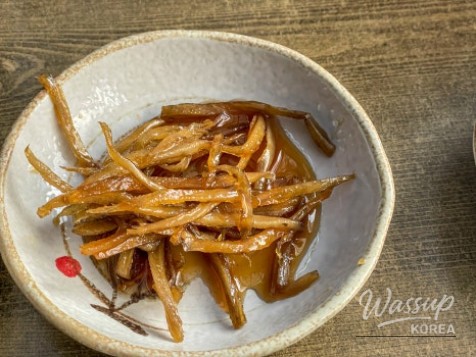
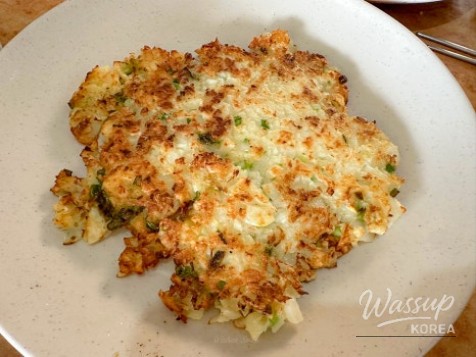
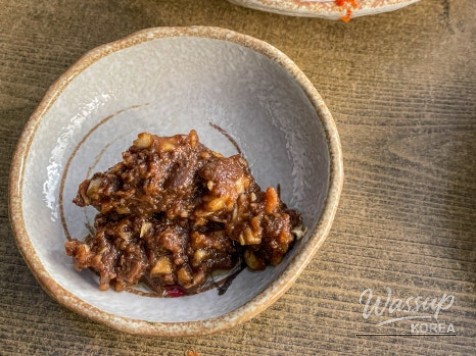
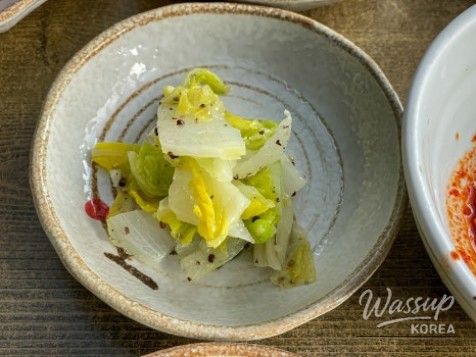
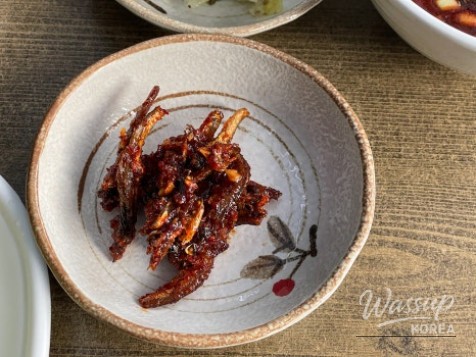
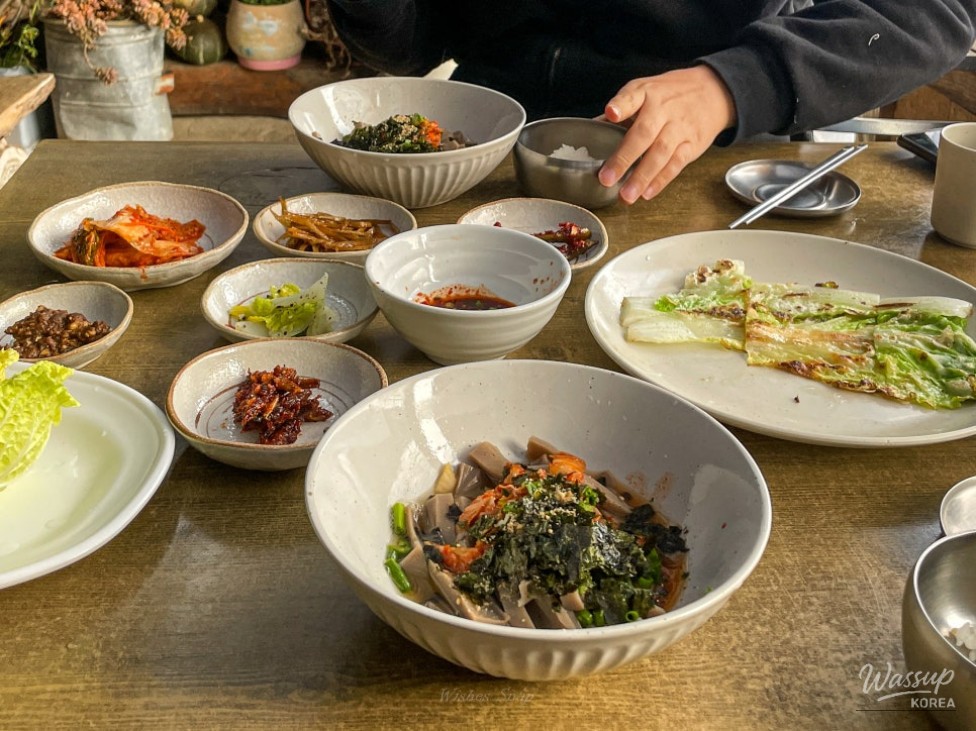
When you order Mukbap in Andong, you often get simple side dishes like cabbage pancakes and potato fritters.
Though not extravagant, these dishes are made with care, highlighting the natural flavors of the ingredients.
Especially, the crispy cabbage pancakes pair well with the lightness of Mukbap.
This humble meal composition beautifully reflects the characteristics of Gyeongsangbuk-do's local food culture.
Focusing on ingredients and craftsmanship, this approach may seem simple on the surface but provides ample satisfaction to diners.
This is why Gyeongsangbuk-do's dining culture has endured for so long.
Muk is a healthy and light traditional Korean food that is vegan-friendly, made solely from plant starch.
Low in calories and easy to digest, it provides fullness without weighing you down.
On days when you're tired of stimulating foods or want to refresh your body, Mukbap is the dish to seek out.
As the global popularity of Korean cuisine rises, so does interest in K-Food.
Just like flashy dishes such as bulgogi or bibimbap, traditional foods with subtle and deep flavors like Mukbap can showcase the charm of K-Food.
Andong Mukbap embodies such honest and healthy flavors.
If you're traveling to Andong, you can find Mukbap in various places from alley restaurants to traditional markets.
In the area around Andong Central Market, there are humble restaurants serving traditional Andong cuisine, where you can enjoy Mukbap and Son Guksu together.
Experiencing local food in the unique atmosphere of market dining is also a delightful pleasure.
Since Mukbap is a cold dish, it pairs especially well in summer.
If hot food feels burdensome on a hot day, I recommend trying a bowl of Andong Mukbap for a refreshing and satisfying meal.
While exploring Andong, don’t miss out on Mukbap along with steamed chicken and grilled mackerel.
This simple meal leaves you feeling comfortable and calm.
Its lasting impression comes from the craftsmanship, time, and the food culture that Andong has nurtured.
Though not a flashy K-Food, Andong's Mukbap and Son Guksu are among the foods that best showcase the depth and honesty of Korean culinary culture.
If you travel to Gyeongsangbuk-do Andong, I encourage you to experience such a humble meal at least once.
There are flavors that linger in memory long after the meal.







Source :https://blog.naver.com/gyeongbuk_official/224376078067
No comments yet.