Exploring Ulsan Dongheon and Naeah: A Glimpse into History


In the Jung-gu district of Ulsan, there is a small park-like space that is perfect for a leisurely stroll.
Despite its location in the heart of the city, a calm atmosphere prevails, encouraging visitors to pause for a moment.
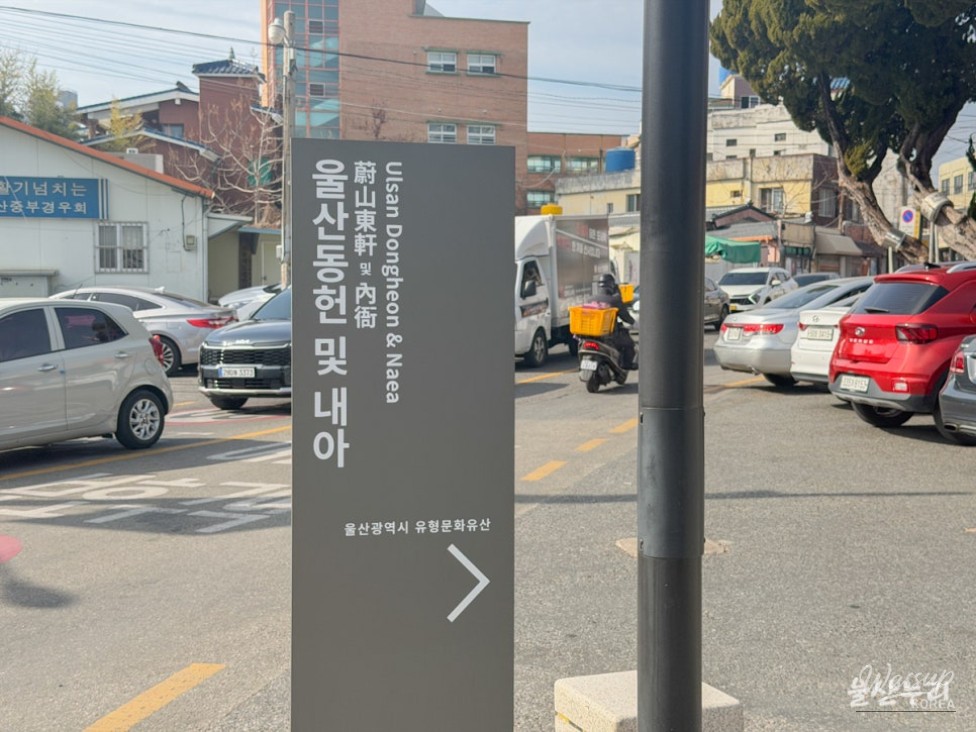
This place is Ulsan Dongheon and Naeah, an important historical site showcasing the administrative and daily life center of the Ulsan region during the Joseon Dynasty.
Curious about what this space, which I had only heard about, looked like, I decided to visit it myself.
Ulsan Dongheon and Naeah are conveniently located next to the Ulsan Museum of Art, making it easy to include in a walking route after visiting the museum.
Additionally, it is one of the highlights in the Jung-gu 9 Scenery and 9 Flavors stamp tour, attracting a steady stream of tourists.
If you plan to participate in the stamp tour, this site will naturally be a part of your visit.
This area holds significant historical value as it is situated in what is now Jung-gu, Ulsan, where the local governor of Ulsan, known as Ulsan Busaja, conducted official duties and lived.
Ulsan Dongheon served as the government office where the Ulsan Busaja handled official matters.
It was a core space for local administration, hosting trials, managing administrative documents, and relaying orders from the central government.
Reflecting on this role as I looked at the building, I felt a different weight to the space.
Ulsan Dongheon and Naeah were designated as tangible cultural heritage by the Ulsan Metropolitan City on October 9, 1997.
Originally built in 1681 during the reign of King Sukjong of Joseon, it is said to have been constructed by Kim Soo-o, the then Ulsan Busaja.
Later, in 1695, his son, who took over as Ulsan Busaja, named the building 'Ilhakheon'.
Knowing the story behind the name made the space feel even more vivid.
During the Japanese occupation, this place was used as a military office, experiencing a different purpose than originally intended.
The building, which had suffered damage over the years, was restored to its current form in 1981.
Inside Dongheon, there is also Naeah, the residence where the governor actually lived.
While Dongheon serves as a public office, Naeah is a private living space.
Access for outsiders was strictly limited, and the layout includes the main house, a separate living area, and auxiliary buildings.
The overall atmosphere was surprisingly cozy and stable, despite being a government building.
Upon closer inspection of the Dongheon building, I noticed its structure consists of six rooms in the front and three on the side, with two central rooms serving as a large hall.
This typical Joseon Dynasty government building design features two rooms on each side.
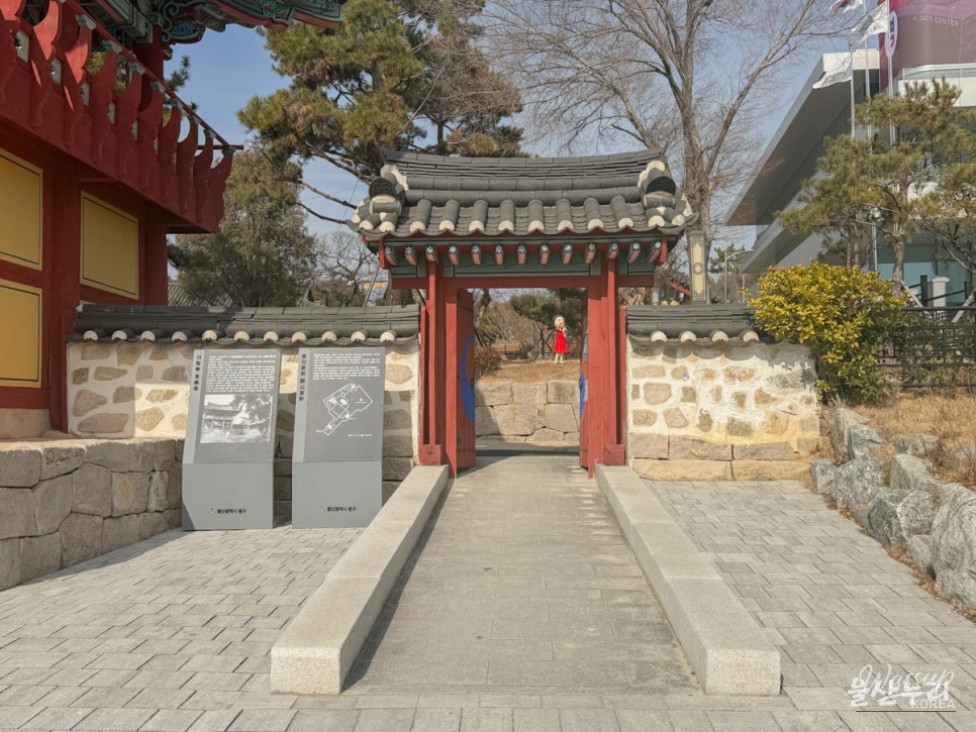
As I admired the long eaves and the traditional roof, I felt the beauty of Joseon architecture resonate.
Moving to the back of Dongheon, I spotted the memorial stone for Songdo, a filial figure from the early Joseon period.
Songdo was known for his dedication in caring for his sick parents for over ten years, earning recognition as a filial son in the 10th year of King Sejong's reign.
Next, I stepped into Naeah, which features a 'ㄱ' shaped structure with four ondol rooms, two large halls, a kitchen, and a veranda.
This design is based on the traditional 'ㅡ' shaped layout of upper-class homes in Ulsan during the Joseon era.
Understanding the structure was easier with the explanation provided.
The preservation of both Ulsan Dongheon and Naeah is quite rare, as many other regions only have the government office remaining or have lost their residential spaces.
As I strolled around, I could naturally envision how local administration operated during the Joseon period.
This living historical space goes beyond mere architectural ruins, showcasing the social structure and daily lives of officials in Ulsan at the time.
Currently, Ulsan Dongheon and Naeah are open to both citizens and tourists.
During my visit, I noticed many citizens leisurely exploring the area.
The ability to quietly confront the time of the Joseon Dynasty amidst a modern urban landscape felt like the greatest charm of this place.
Even for those with little interest in history, it is certainly a worthwhile place to visit.
Finally, I sat on a bench to rest and take in the surroundings.
There are benches scattered throughout, making it easy to take a short break while walking.
Even in a brief stay, I felt a sense of calm wash over me.
As spring approaches and the weather warms, I believe more people will come to visit this place.



Source :https://blog.naver.com/ulsan_nuri/224179742727
No comments yet.