Exploring the Unique Markets of Seoul: Bangsan and Jungbu


1. Bangsan Market: The Hub of Printing and Packaging
History and Origin
The name Bangsan Market (방산시장) originates from the 'Bangsan' hill in the Joseon Dynasty era. At that time, this area was known as 'Bangsan-dong' and suffered from severe odors due to wastewater flowing into Cheonggyecheon. To mask the smell, flowers were planted, leading to the paradoxical name 'Fragrant Mountain.' After the Korean War, the market began its foundations by dealing with waste materials and printing equipment from U.S. military bases.
Characteristics and Specialization
Bangsan Market is the largest specialized market for printing and packaging in South Korea. During the industrialization period of the 1970s and 1980s, it established a unique ecosystem in the fields of printing, plate-making, cardboard box production, and plastic packaging. Recently, DIY-related shops, including baking tools, scented candles, and wallpaper, have clustered here, making it a must-visit for young people and small business owners.
2. Jungbu Market: The Largest Dried Seafood Market in the Country
History and Origin
Jungbu Market (중부시장) opened in 1957 and is a relatively modern traditional market. Located in the heart of Seoul, it earned the name 'Jungbu' and initially started as a fruit and vegetable market to alleviate congestion at Namdaemun and Dongdaemun markets. However, since the mid-1960s, a large number of dried seafood merchants migrated here, transforming it into the largest specialized dried seafood market in the country.
Characteristics and Specialization
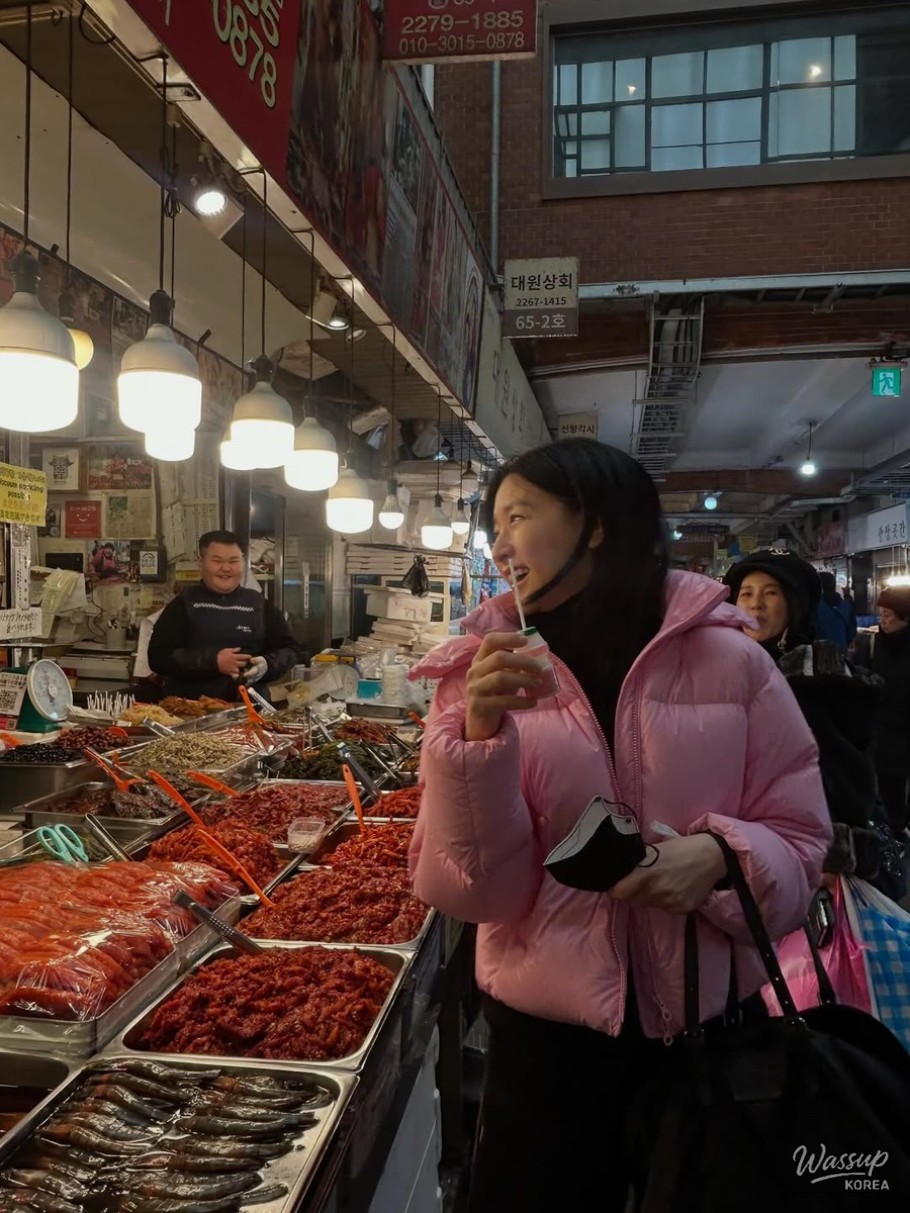
Today, Jungbu Market handles a significant portion of the distribution of dried seafood products such as dried yellow corvina, anchovies, seaweed, and kelp. The auctions that start around 2-3 AM symbolize the market's vibrancy. Modernization efforts have included the installation of arcades and the improvement of road surfaces to create a pleasant shopping environment. The market also hosts annual events like the 'Dried Seafood Beer Festival' to attract tourists.
3. The Coexistence and Modern Significance of the Two Markets
Bangsan Market and Jungbu Market face each other across Cheonggyecheon, forming a vast commercial district between Euljiro 4-ga and 5-ga.
Industrial Connection: The packaging boxes produced in Bangsan Market are naturally linked to the logistics system that delivers dried seafood from Jungbu Market across the country.
Cultural Change: Recently, in line with the 'Hipjiro' trend in the Euljiro area, stylish cafes and restaurants have emerged between old printing shops and dried seafood stores, creating a unique landscape where the past and present coexist.
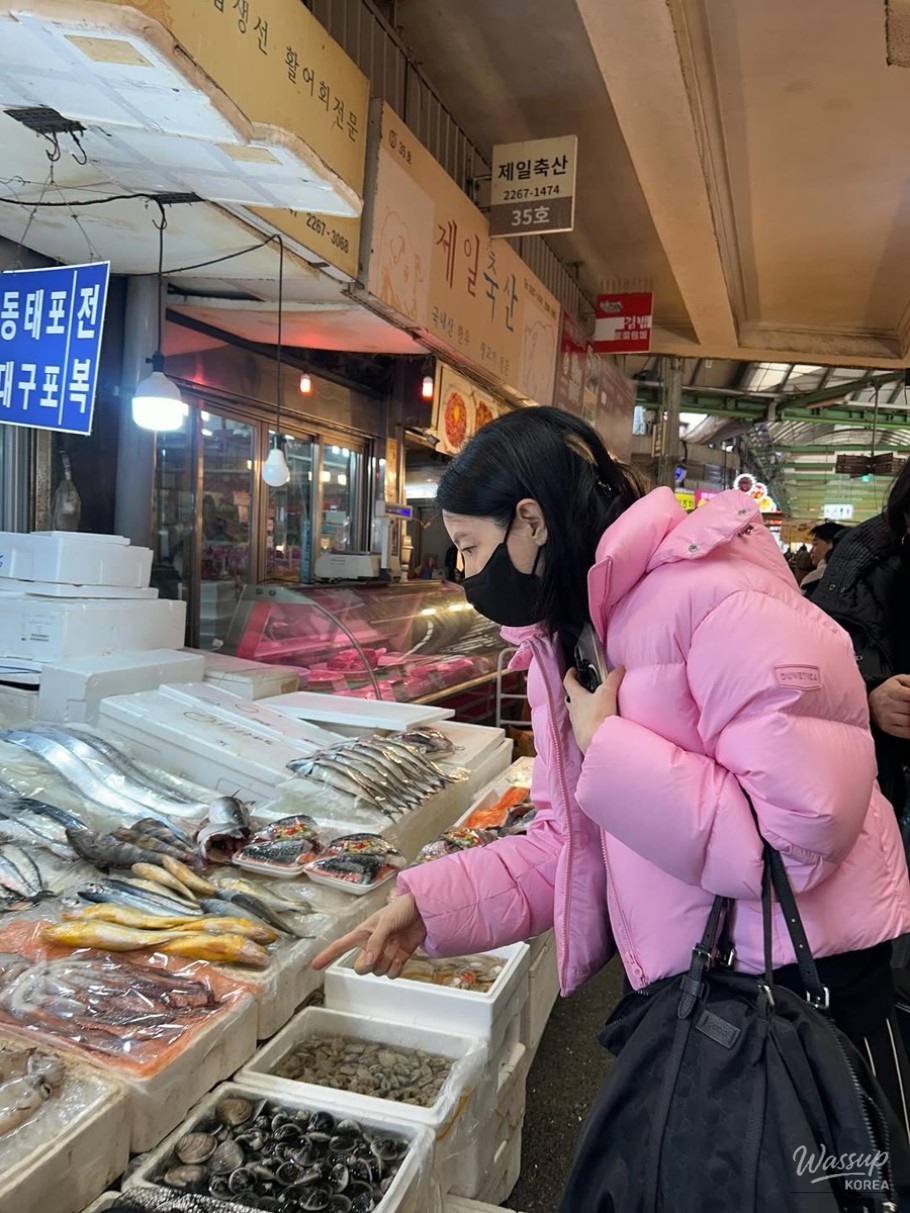
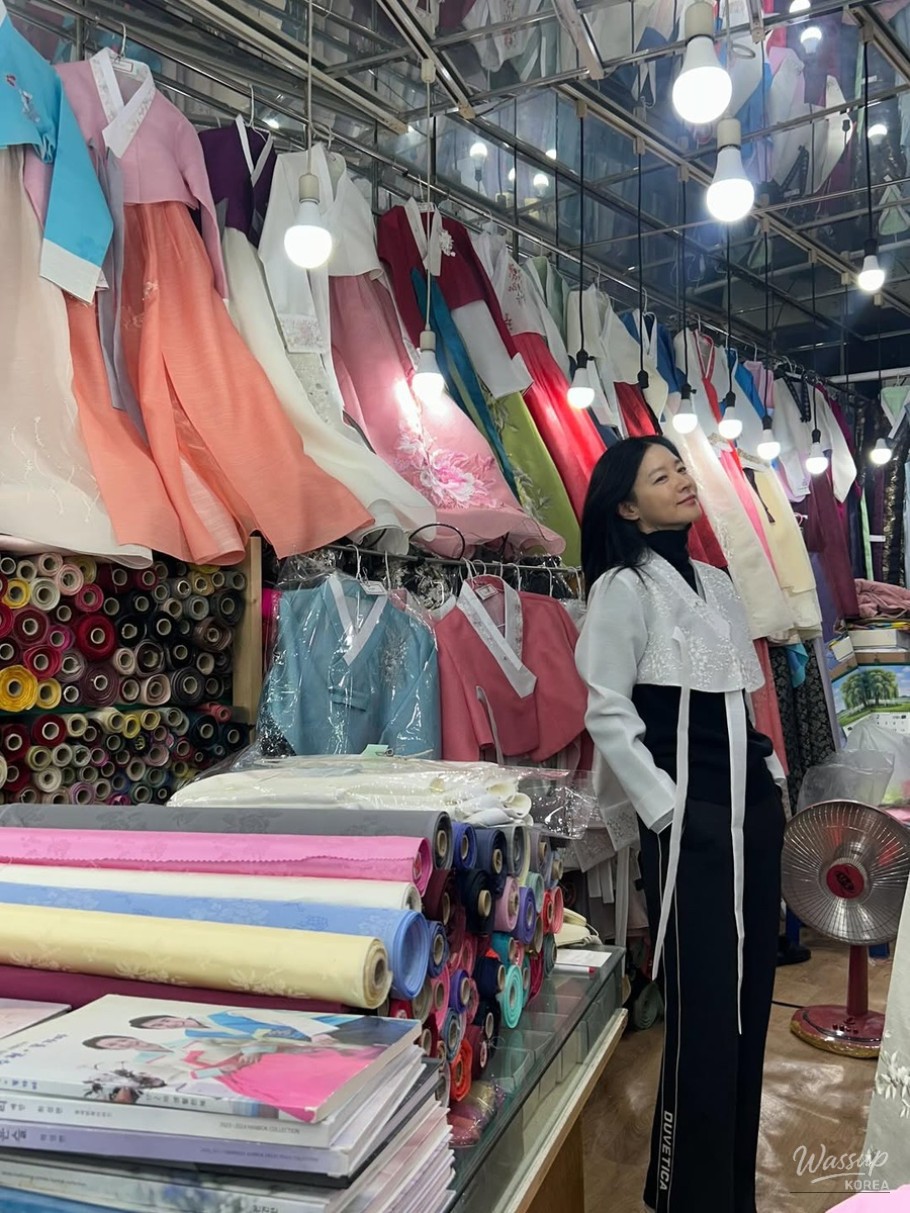
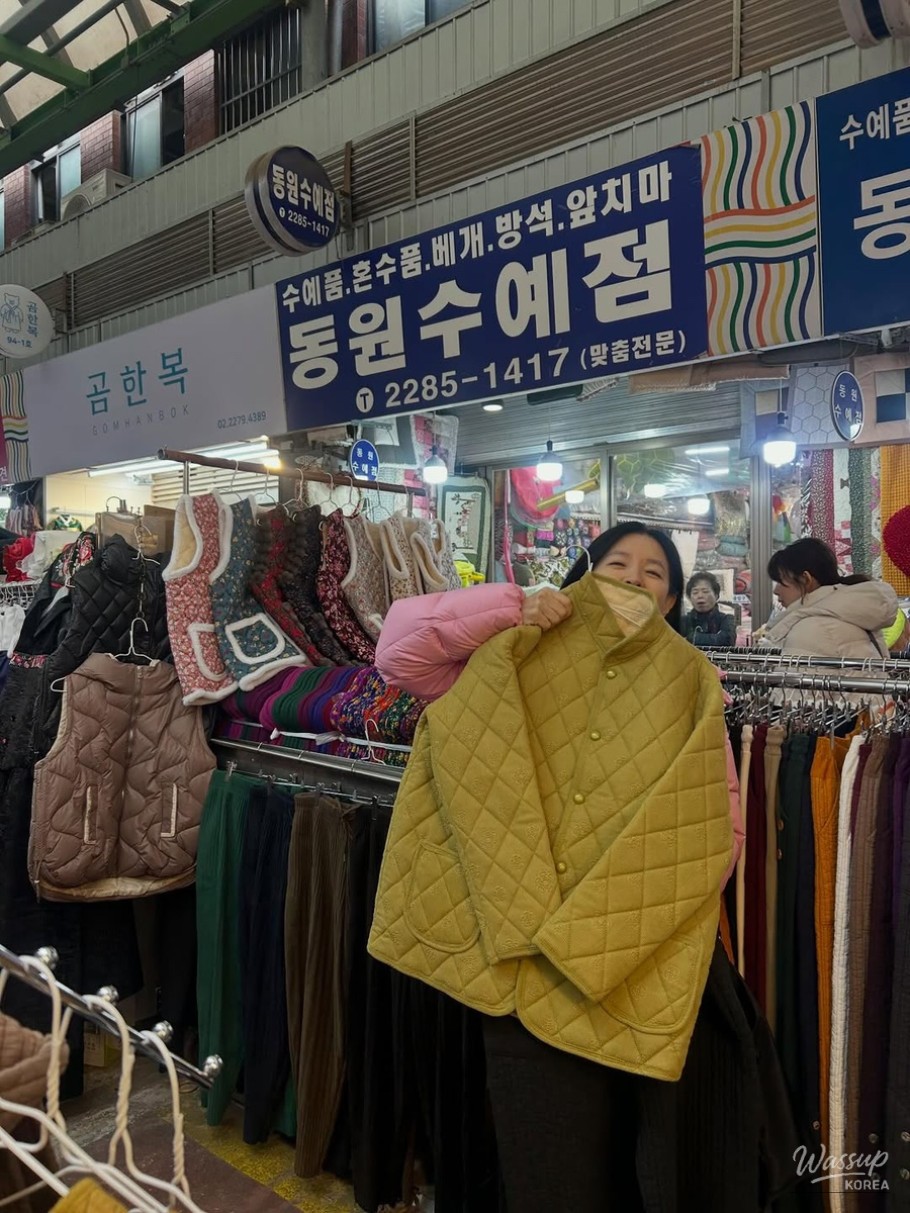
Wedding Goods Market: As seen in the photos, the area between the two markets has traditionally developed into a hub for wedding goods such as bedding, hanbok (traditional Korean clothing), and curtains, making it a popular destination for engaged couples.
While Bangsan Market has been responsible for the 'packaging' of Korean industry, Jungbu Market has taken care of the nation's 'table' with dried seafood. These two markets are not just traditional markets but living museums that preserve the commercial history of modern Seoul.





Source :https://blog.naver.com/truthnchange/224187065616
No comments yet.