Exploring the Historical Significance of Yonggungneung and Yongjusa Temple



Yonggungneung, a UNESCO World Heritage site,
is the royal tomb of Crown Prince Sado and Queen Hyegyeonggung Hong,
alongside the tomb of King Jeongjo and Queen Hyowon.
These tombs are located in the Joseon Dynasty royal tombs.
The filial piety of King Jeongjo towards his father
is reflected in Yongjusa Temple, which protects Yonggungneung,
making it a space where many today can feel history and tranquility.
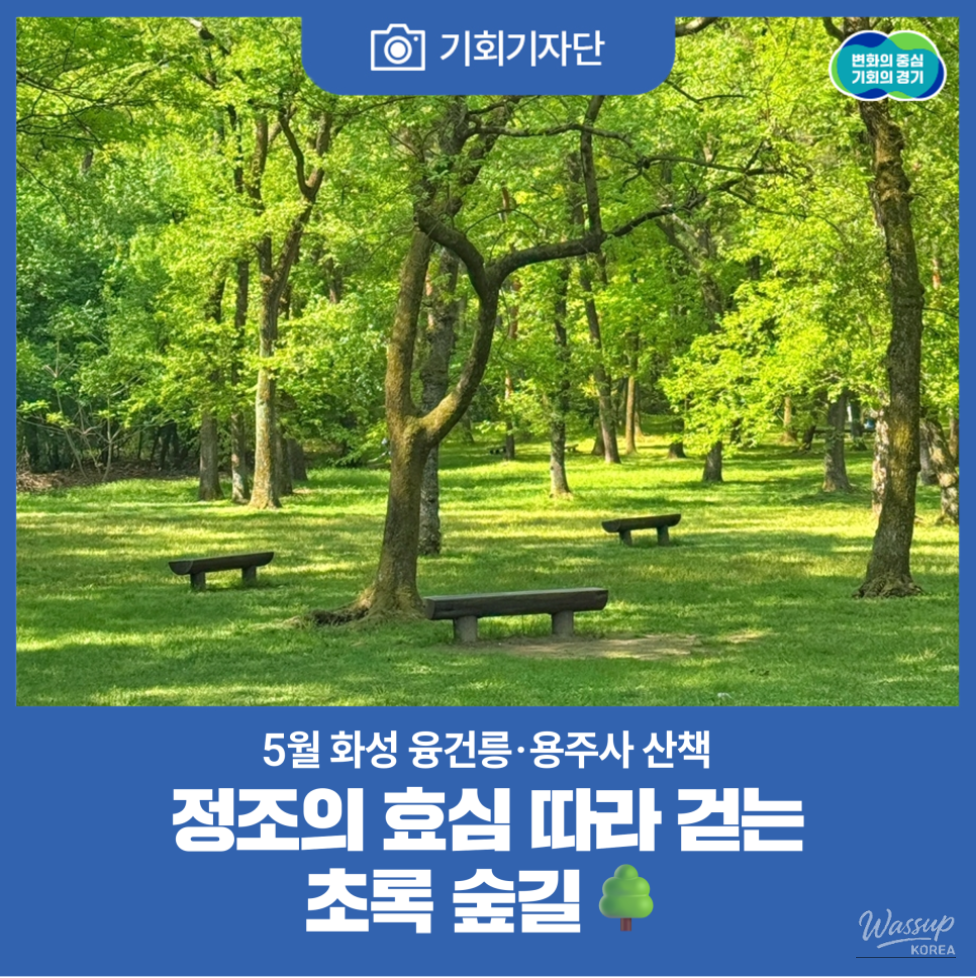
In particular, the lush greenery of Yonggungneung in May
makes it a perfect time for a walk in the forest.
As colorful lanterns begin to adorn Yongjusa Temple ahead of Buddha's Birthday,
we explored these two spaces in Hwaseong,
which embrace both history and the freshness of the season.
On weekends, this area can get quite crowded,
so we arrived promptly at 9 AM when it opened.
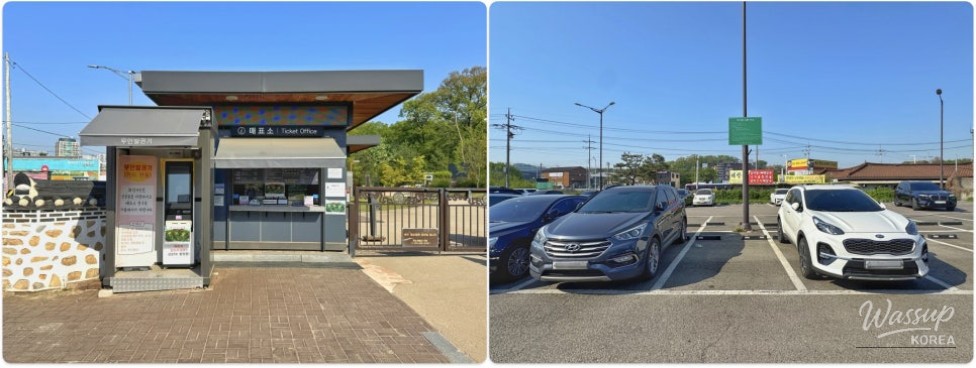
The public parking lot in front of Yonggungneung fills up quickly,
but we were able to park leisurely thanks to our early visit,
allowing us to start our walk along the green forest path.
For a pleasant visit to the royal tombs,
food and pets are restricted,
and we recommend entering with a light heart through the self-service ticket machine or at the ticket counter.
Yonggungneung
Address
21, Hyohyeong-ro 481beon-gil, Byeongjeom-gu, Hwaseong-si, Gyeonggi-do
Visiting Hours
09:00 AM - 06:00 PM (Closing 30 minutes earlier in summer and winter / Closed on Mondays)
Admission Fee
• Paid: 1,000 won for ages 25-64 (50% discount for Hwaseong residents)
• Free: Pregnant women, children, teenagers, students, and seniors over 65
Parking Information
Public parking lot in front of Yonggungneung, Jeongjo Hyopark parking lot
Notes
No pets, mats, kickboards, or food allowed
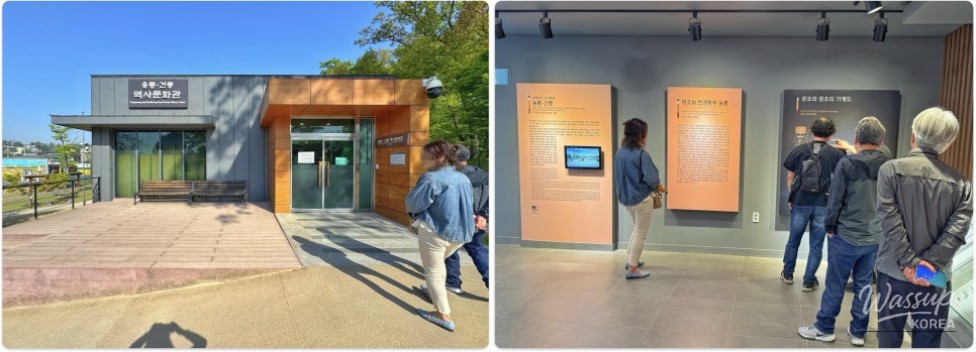
Before walking the forest path, a visit to the History and Culture Center
is a great way to experience the UNESCO World Heritage value of the Joseon royal tombs.
Here, you can learn about the history of Yonggungneung,
which was moved by King Jeongjo in 1789,
and the creation of Geonneung, reflecting his desire to stay close to his father.
Understanding that Yonggungneung is more than just a burial site,
but a culmination of Confucian filial piety and propriety in Joseon architecture,
will deepen your appreciation of the royal tombs.
As you enter the main walking path after passing the History and Culture Center,
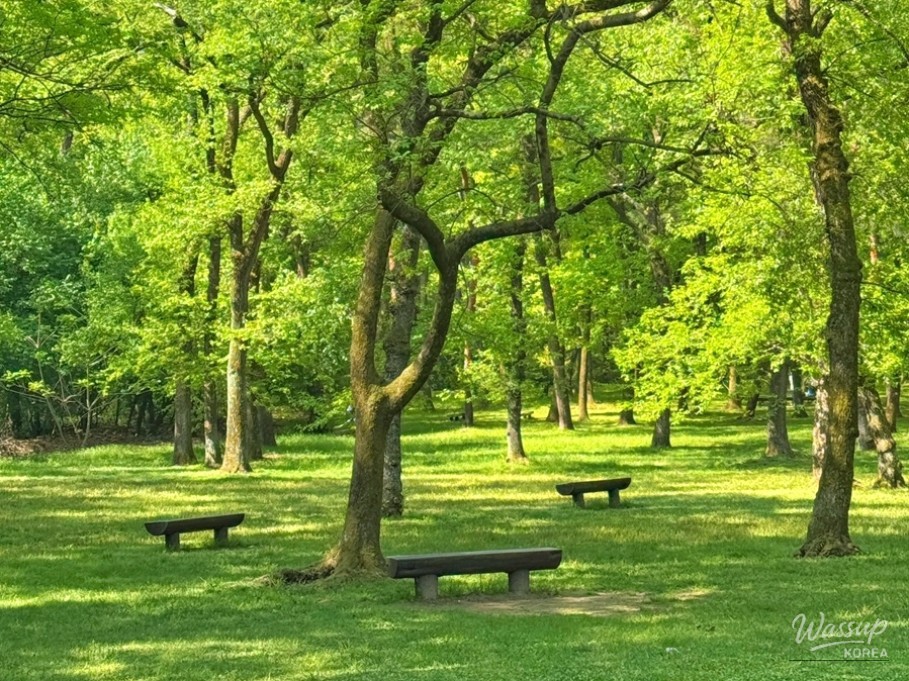
you will be greeted by a vibrant green forest path.
This path, bathed in May sunshine,
is a result of King Jeongjo's dedication to restoring his father's honor.
Stepping away from the busy city,
walking through this unreal sea of greenery
gently soothes the weary heart of everyday life.
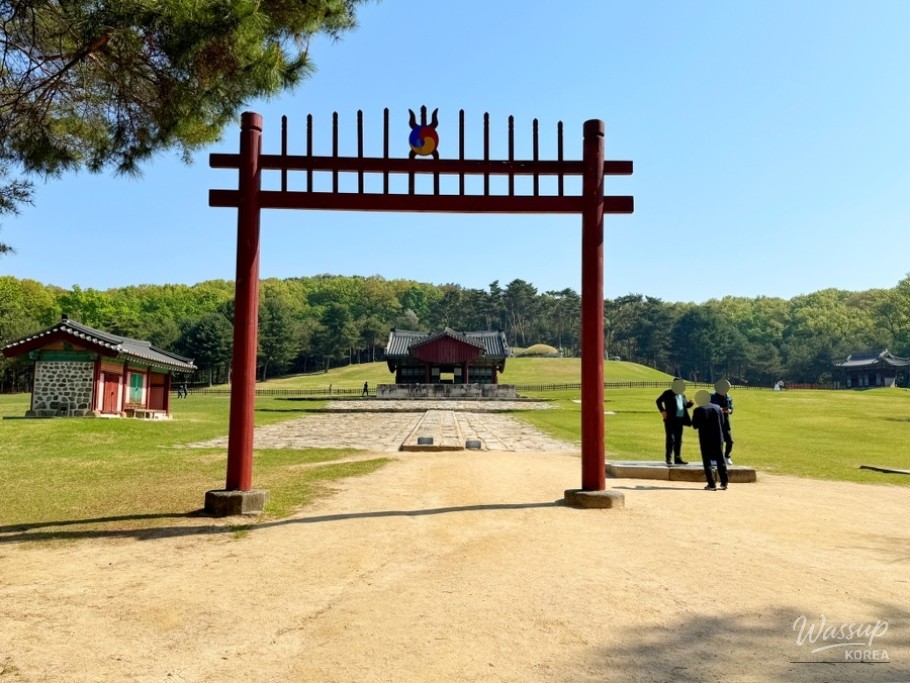
As you pass through the dense trees and reach the open lawn,
the red Hongsalmun gate welcomes visitors.
Beyond this gate, marking the sacred area,
is a stunning view of Yonggungneung, where Crown Prince Sado and Queen Hyegyeonggung Hong rest.
Walking along the path from Hongsalmun to Jeongjagak,
you can feel the values of Confucian filial piety and propriety.
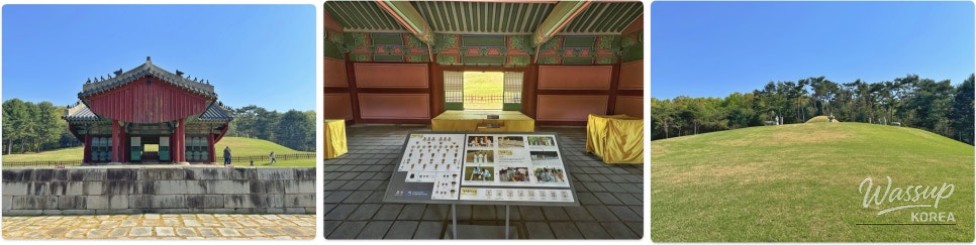
Inside Jeongjagak, shaped like the character 'Jeong',
you can read about the Gisinjehyang, the ritual ceremony of the Joseon royal tombs.
This is a great place to take a moment in the cool shade and feel the breath of history.
On the gentle hill beyond Jeongjagak lies the tomb of Yonggungneung.
Currently, viewing is only possible from outside the fence for artifact protection,
but the tranquility beyond remains.
As you explore the nearby Geonneung,
reflect on the aesthetics of late Joseon royal tombs and King Jeongjo's deep filial piety.
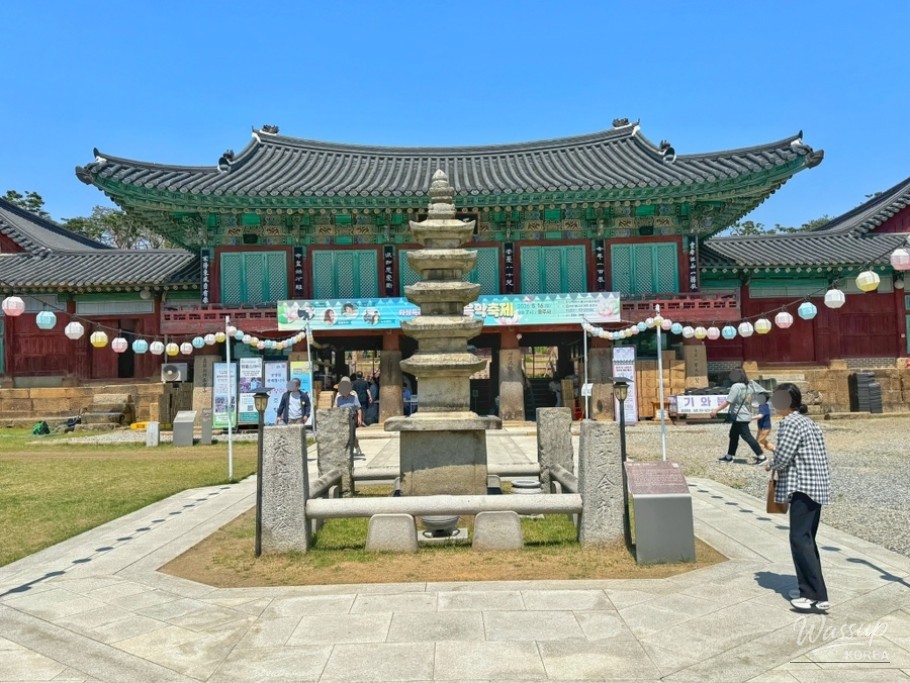
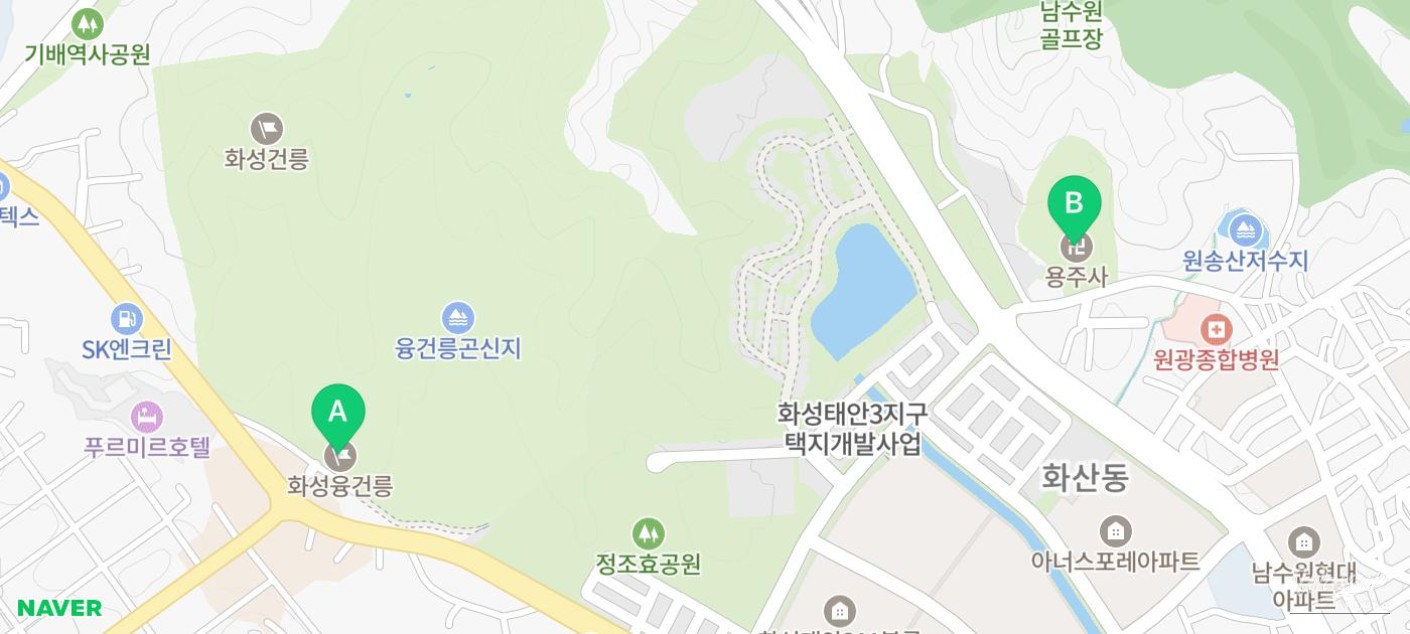
Yongjusa Temple, located just a 6-minute drive from Yonggungneung,
was established by King Jeongjo to honor his father's spirit.
The Sejon Saritap, preserving the style of Goryeo-era stone pagodas,
along with Cheonboru, recently recognized for its value,
has been designated as a national treasure.
The unique structure that incorporates palace architectural elements into the temple
and the wing-shaped buildings that protect the Daeungjeon symbolize
the dignity of a royal temple and King Jeongjo's deep filial piety.
Yongjusa Temple
Address
136, Yongju-ro, Song-san-dong, Hwaseong-si, Gyeonggi-do
Visiting Hours
09:00 AM - 06:00 PM (5:00 PM in winter)
Admission Fee
Free
Parking Information
Dedicated parking lot for Yongjusa Temple
Highlights
Treasure Cheonboru, Sejon Saritap, Daeungjeon's hanging scroll, and more
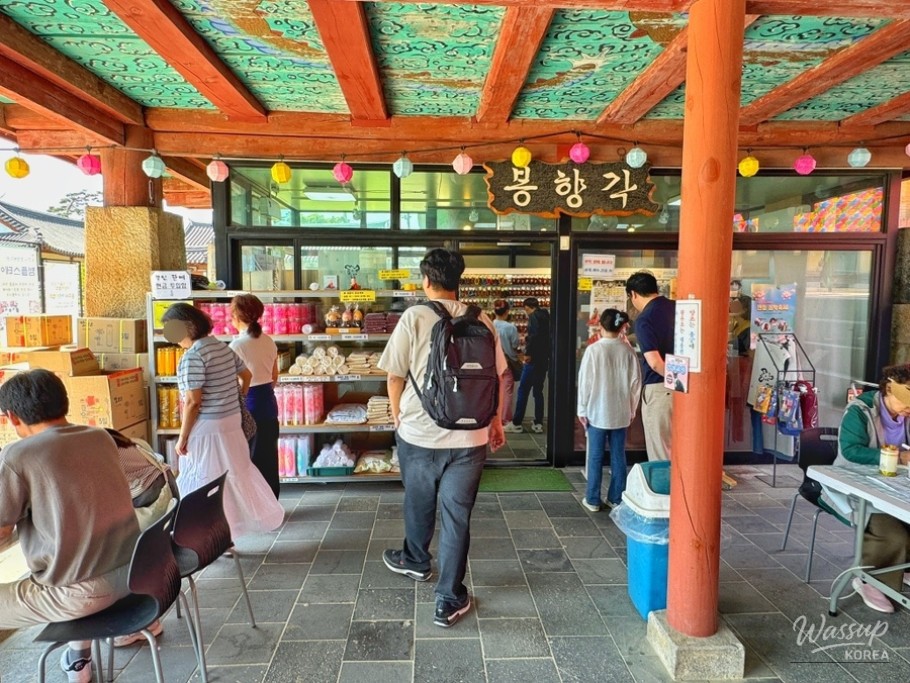
As Buddha's Birthday approaches, Yongjusa's Bonghyanggak is bustling
with people preparing offerings like wish candles and rice.
The interior is filled with visitors choosing prayer beads and Buddhist souvenirs,
and warm wishes for the well-being of loved ones fill the space.
Some pray for family health, while others seek personal peace,
hoping that the carefully chosen items will become bright lights in everyone's lives this year.
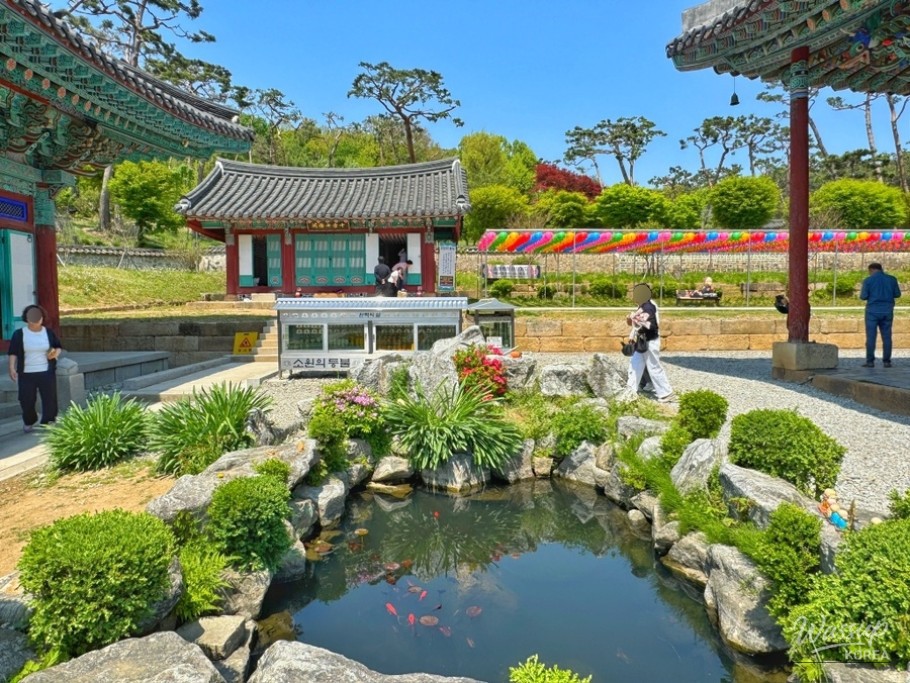
To the left of Daeungjeon,
you will find a small pond nestled between Cheonbuljeon and Beomjonggak.
Amidst the fresh green grass of May,
colorful koi swimming gracefully offer a purifying feeling just by watching.
This scenery, where the intricate architecture of the temple harmonizes with nature,
is a hidden gem encountered during a stroll at Yongjusa.
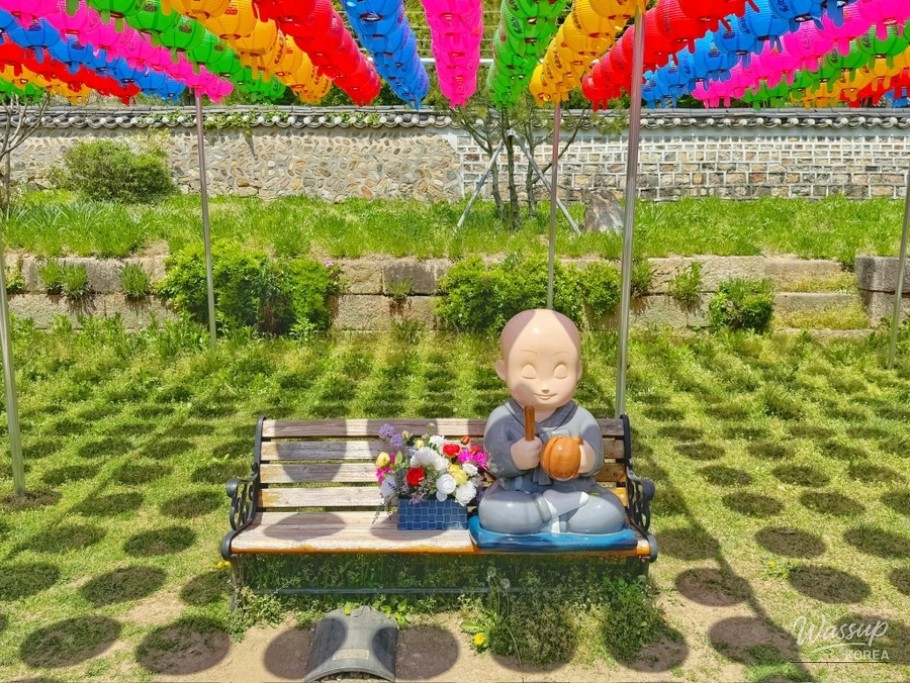
In one corner of the temple grounds, there is a bench with a cute monk statue.
Above, colorful lanterns are beautifully embroidered,
creating a perfect photo spot with the lush grass below.
Take a moment to sit on the bench and capture a commemorative photo,
preserving the bright energy of May and the warm atmosphere unique to Yongjusa.
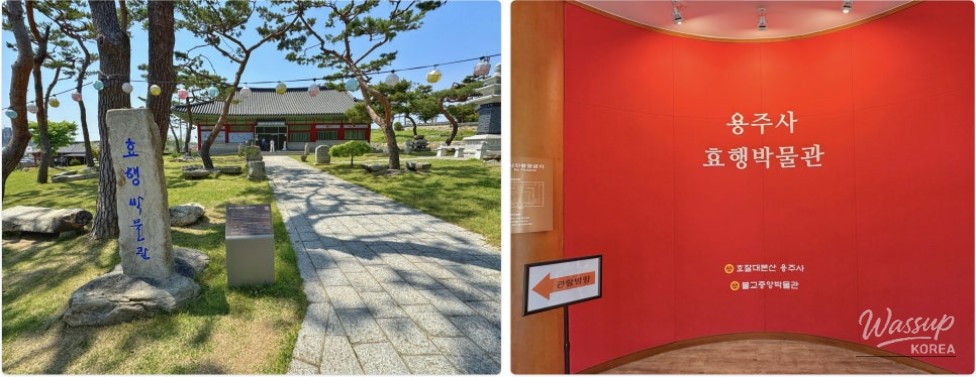
The Hyohyang Museum is a great final stop for your walk,
housing treasures that remind us of King Jeongjo's filial piety,
including the "Buddha's Teaching on the Great Parent's Kindness" and royal gifts.
While photography inside is restricted,
spending time viewing over ten cultural heritage items and treasures of Gyeonggi Province
is an enriching experience.
From the surreal green forest path of Yonggungneung
to the lanterns welcoming visitors at Yongjusa,
how about experiencing the comfort that history and nature provide
along this path imbued with King Jeongjo's deep filial piety this May?
In this warm month spent with family,
may this refreshing walking path encountered in Hwaseong
remain a bright memory in your heart, like a radiant lantern.








Source :https://blog.naver.com/gyeonggi_gov/224281688456
No comments yet.