Exploring Sangri Mural Village in Jincheon



In Jincheon County, Gwanghye-won-myeon, there is a charming mural village called Sangri, where you can encounter delightful paintings along the old alleyways.
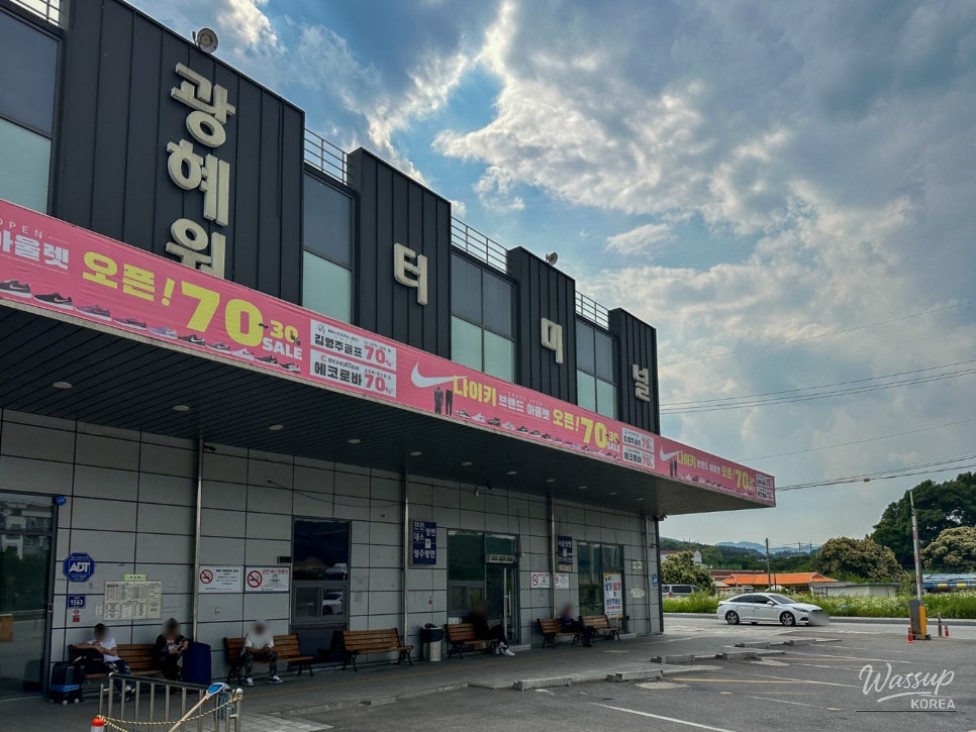
Located not far from the Gwanghye-won terminal, it is a perfect spot to take a light stroll while waiting for a bus or to enjoy a walk through the alleys during your visit to Gwanghye-won. Although it is not a large or extravagant tourist destination, it offers the joy of discovering hidden paintings on the walls and learning about the village's stories.
Sangri Mural Village
Location: Near 46 Hwarang 7-gil, Gwanghye-won-myeon, Jincheon-gun, Chungcheongbuk-do
Parking: Public parking lot at Manseung Elementary School
Sangri Mural Village does not have a dedicated tourist information center or exclusive parking. The narrow alleys inside the village are residential areas, so it's best to avoid driving in.
If you are driving, you can park at the public parking lot near Gwanghye-won terminal or Manseung Elementary School and walk to the village entrance, which takes about 3 minutes on foot.
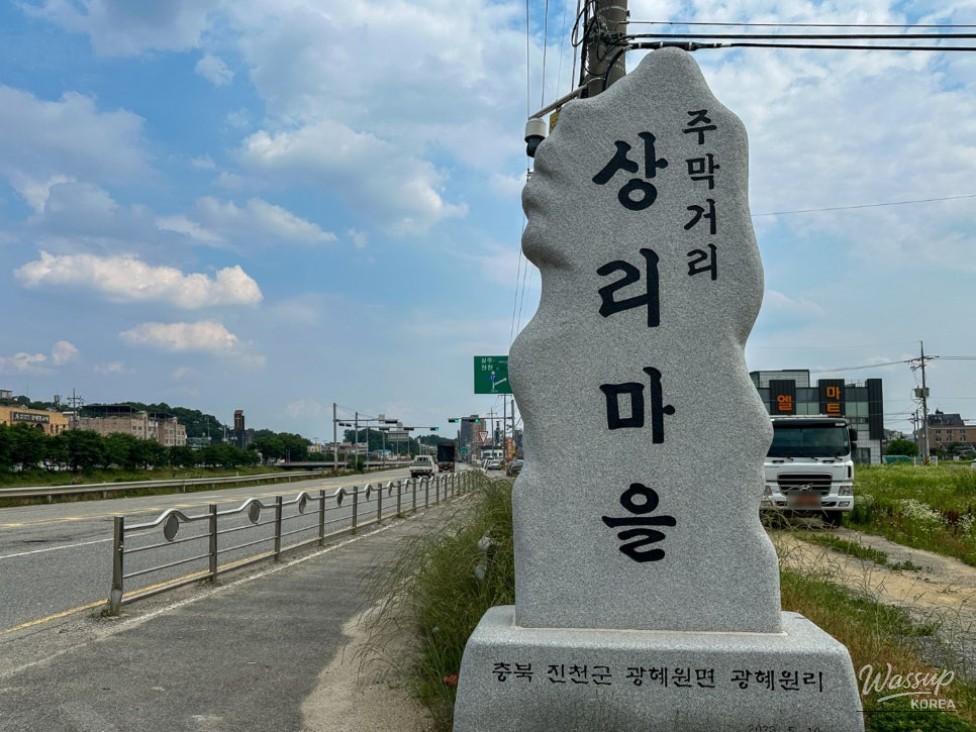
Upon arriving at the village entrance, you will see a sign that reads 'Sangri Village.' As you step into the alley, a serene landscape unfolds with houses topped with low roofs and old walls.
Unlike the surrounding Gwanghye-won town, which has modern apartments and commercial buildings, the alleys of Sangri Village retain the atmosphere of a long-standing neighborhood, making it enjoyable to find the hidden paintings among the old walls.
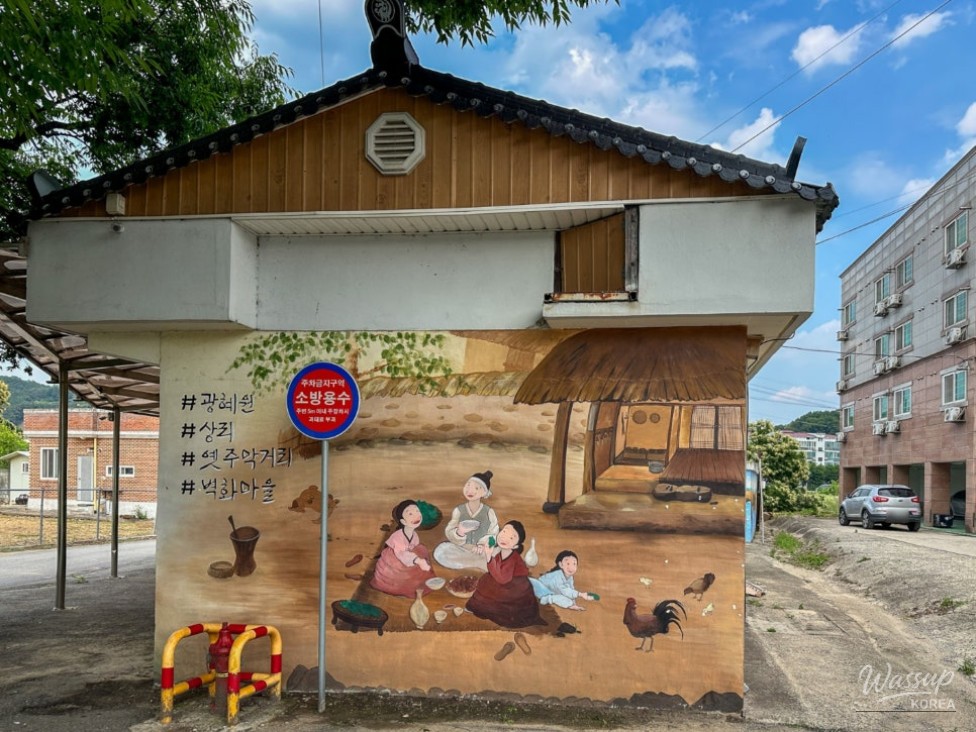
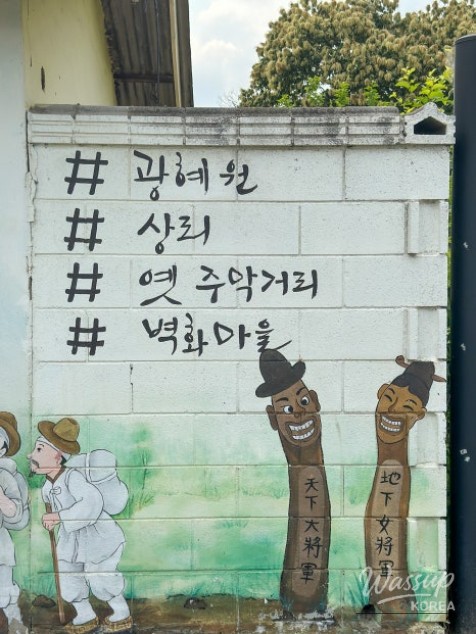
Sangri Village was once known as the 'Old Tavern Street.' The name Gwanghye-won originated from the public lodging called 'won,' which was established for officials traveling during the Goryeo and Joseon Dynasties.
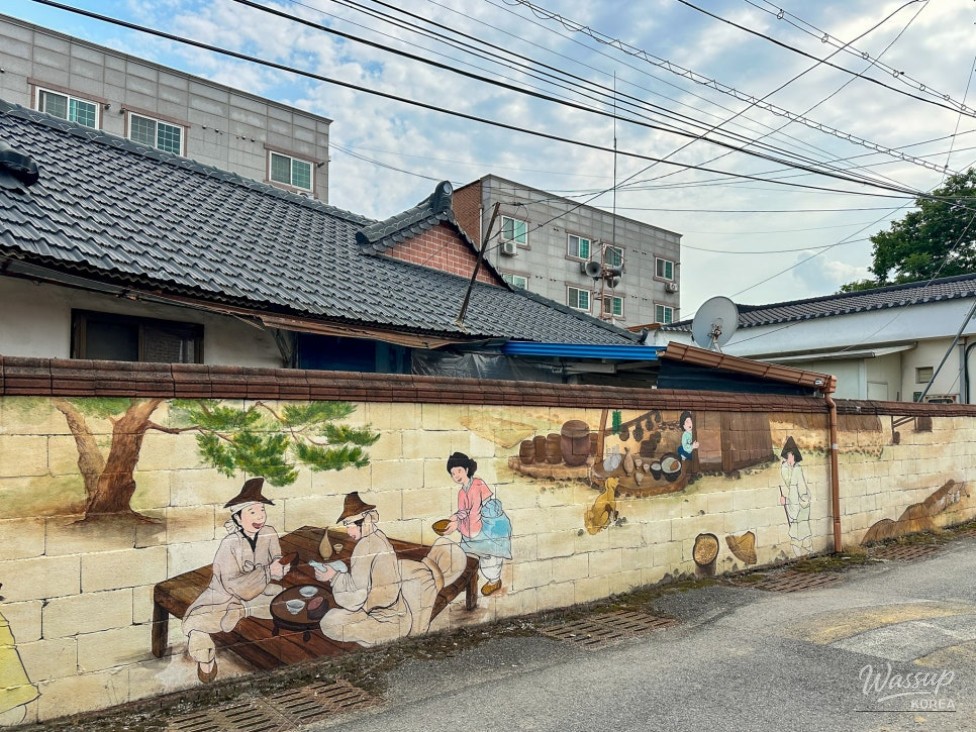
As a stopover for officials, scholars, and merchants traveling to and from Hanyang, taverns naturally lined the streets, forming what is now known as Tavern Street. Although it is hard to see the original appearance today, the murals on the alley walls provide an indirect glimpse into the village's past.
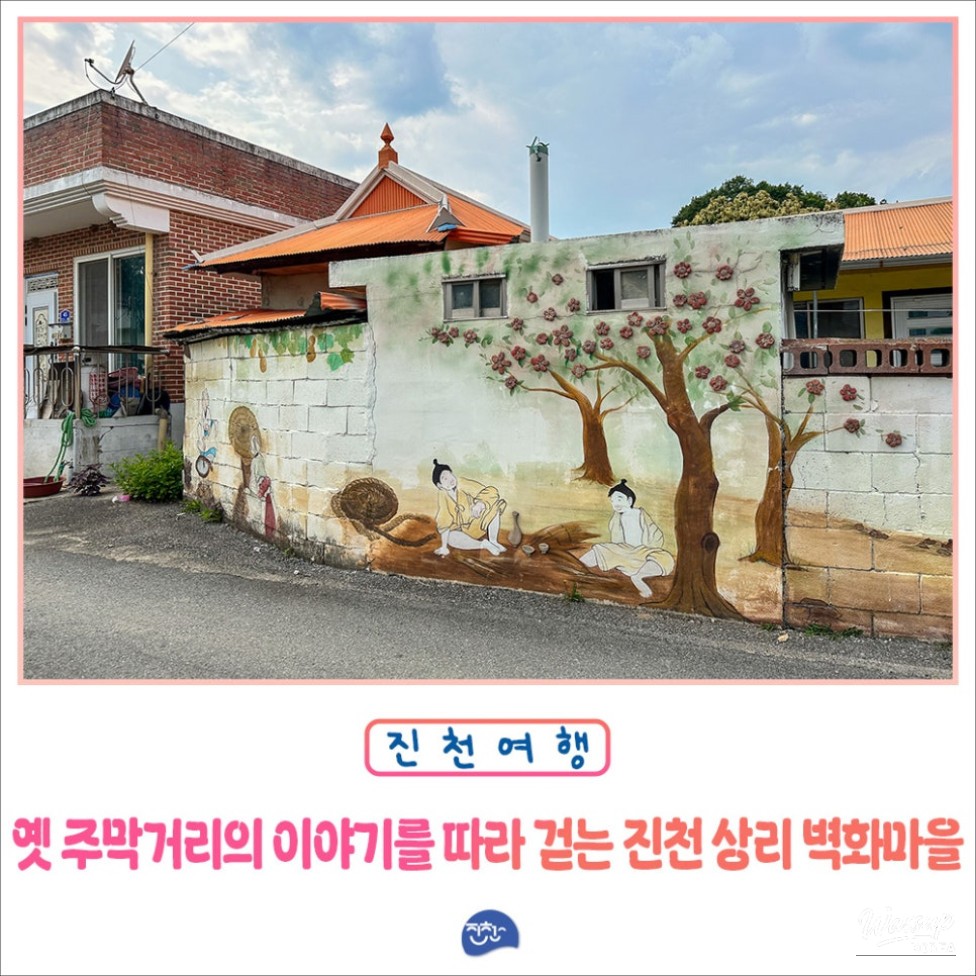
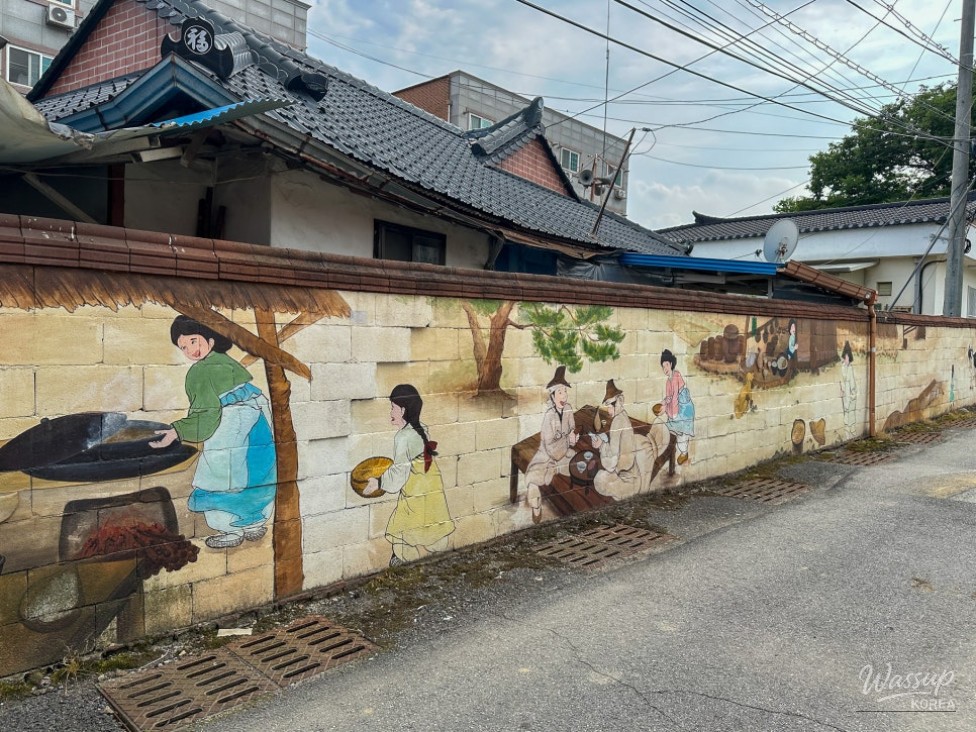
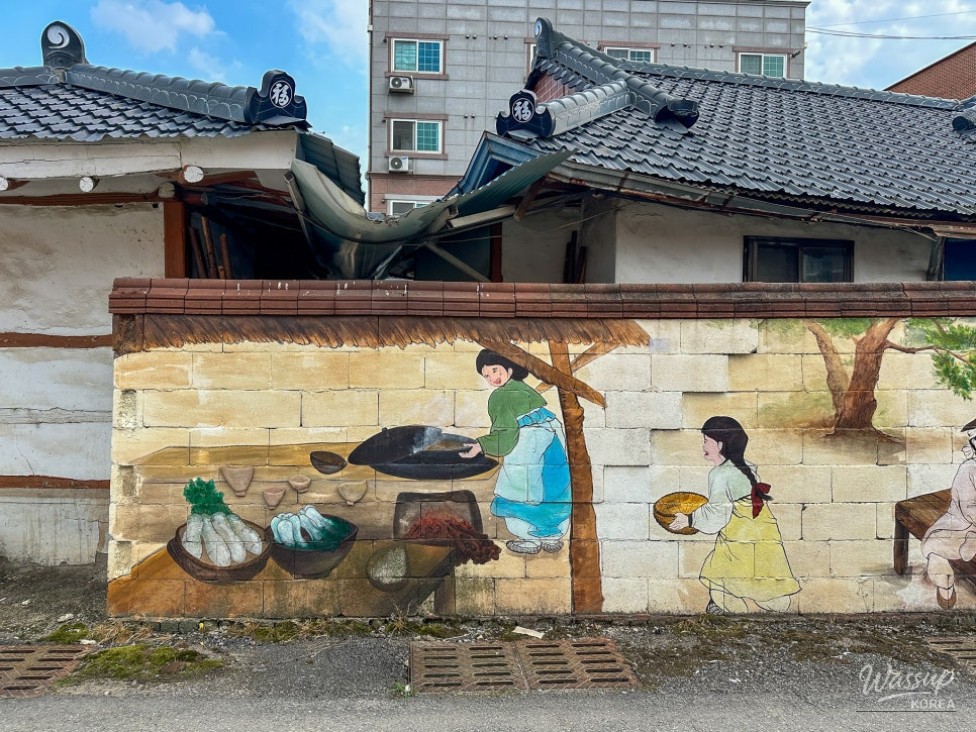
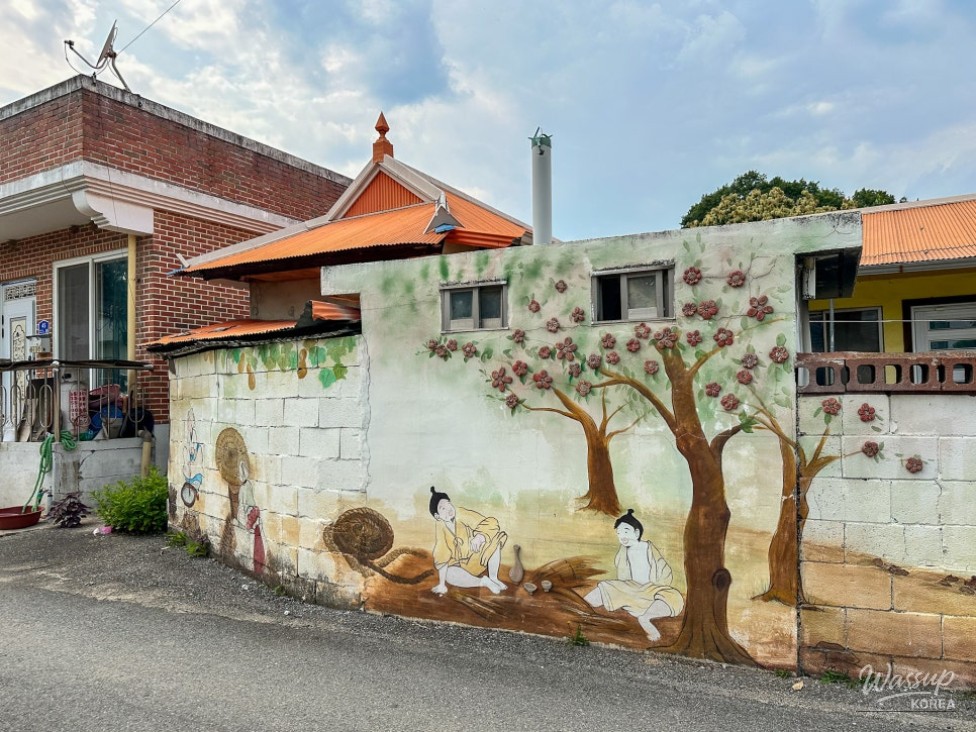
The murals depict scenes of travelers taking a break, a tavern keeper preparing food, and people sitting around chatting on a platform.
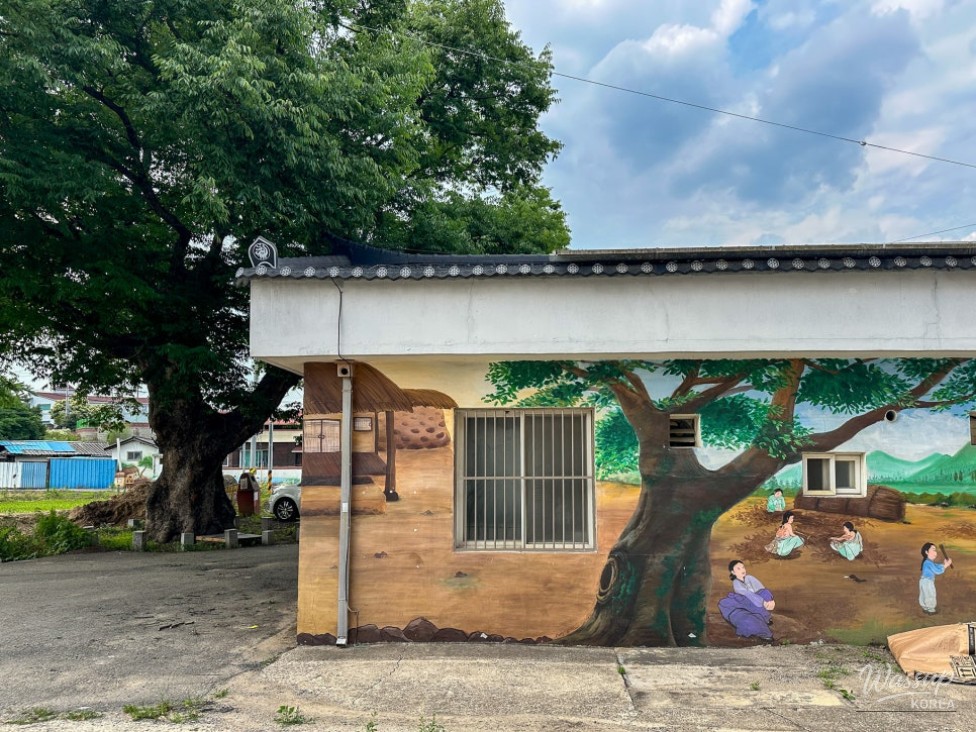
While the murals may not be grand, the combination of the old walls and hand-painted art creates a warm atmosphere unique to Sangri Village.
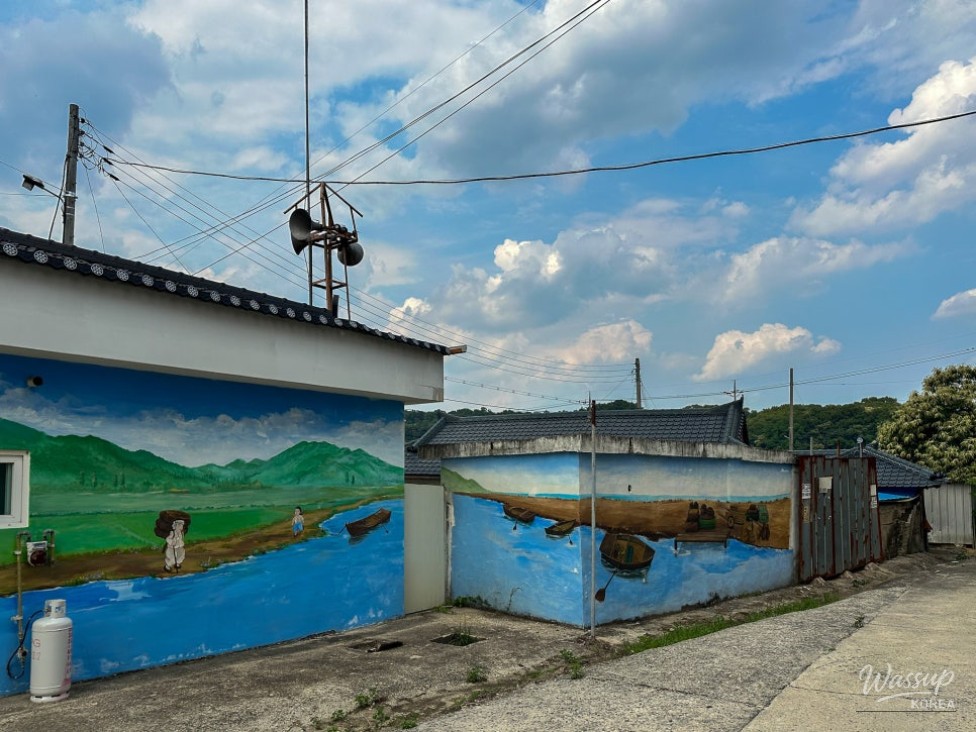
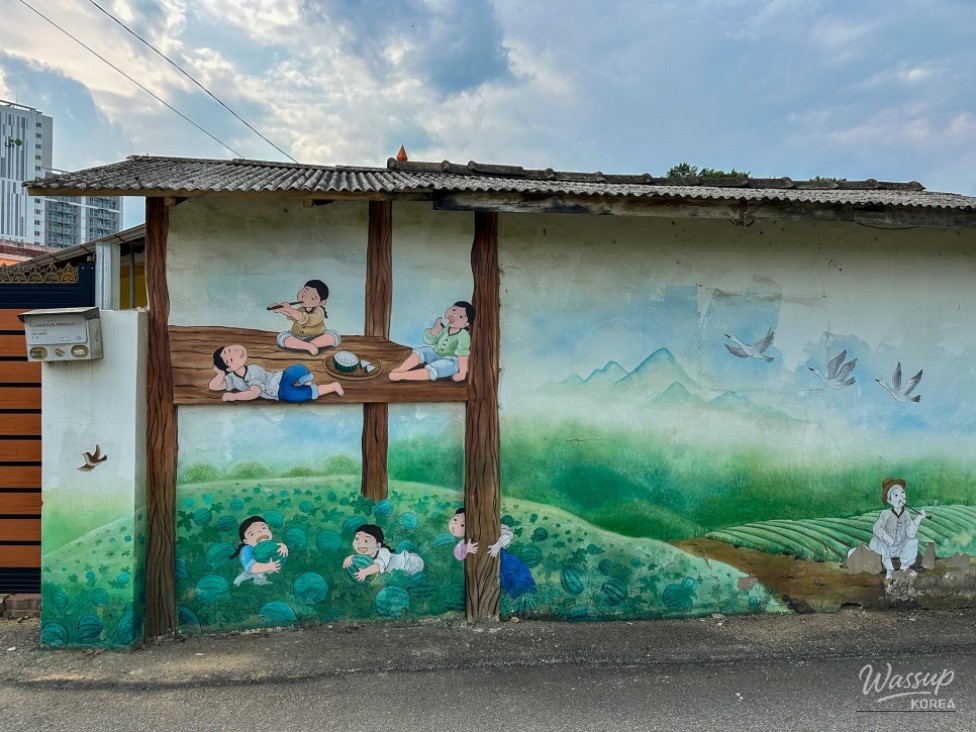
Walking further inside, you can also find murals of travelers carrying loads and children playing around a pavilion. Each mural captures a different scene, making it feel like you are walking through a story from the past.
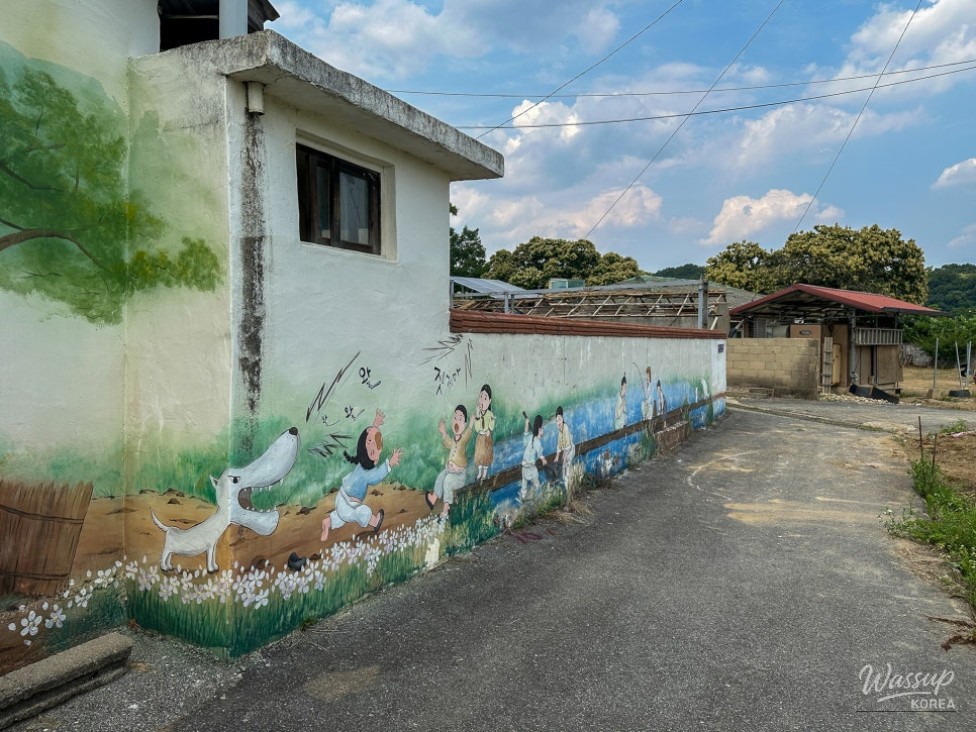
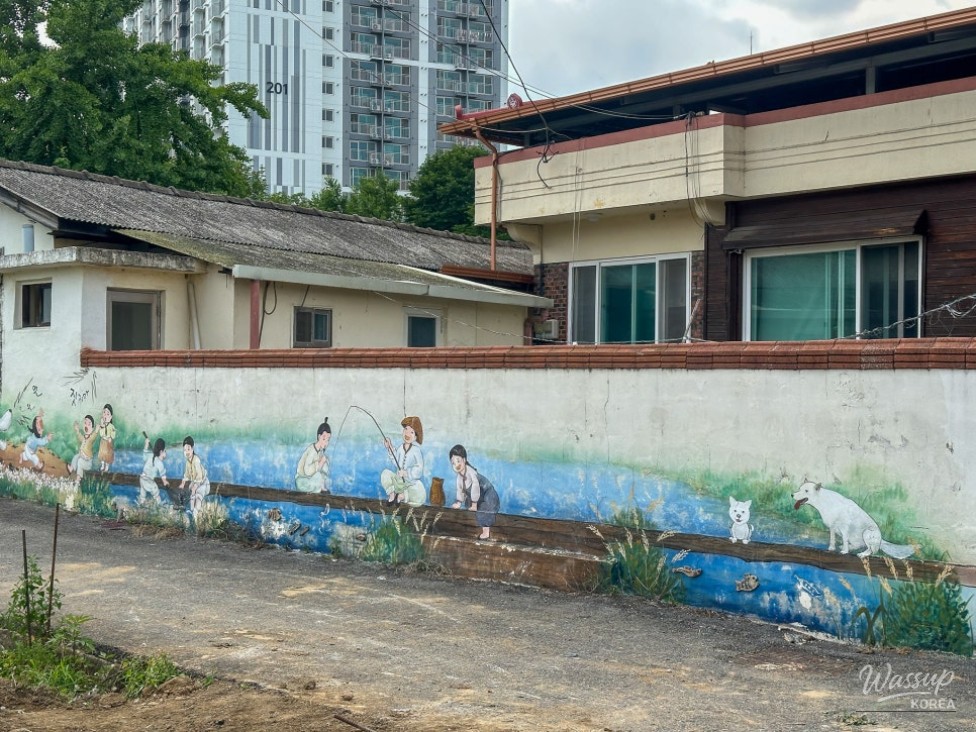
The village also features paintings of children splashing water and playing with friends, evoking childhood memories for adults and providing a small joy for children as they search for hidden pictures in each alley.
It takes about 20 minutes to explore the entire village. While it may not be a destination to linger for long, taking your time to stroll along the alleys and discover each painting is a delightful experience.
Before leaving Gwanghye-won, I took some time to walk around the neighborhood, and while slowly searching for hidden paintings, I found a moment of relaxation.
If you are using the Gwanghye-won terminal or traveling around Gwanghye-won, be sure to visit Sangri Mural Village. It pairs well with nearby locations like Gwanghye-won Market and Gwanghye-won Cathedral, and you can enjoy a leisurely walk without any entrance fee.
If you're looking for a slightly different travel spot in Gwanghye-won, consider spending some relaxed time exploring the mural village filled with stories of the old Tavern Street.

Source :https://blog.naver.com/jincheongun/224325014468
No comments yet.