Exploring the Changnyeong Museum: A Journey Through Time



2025 Changnyeong County Blog Reporter Lee Sang-hyun
Determined to explore Changnyeong County in Gyeongsangnam-do, I surprisingly missed visiting the museum, which should have been my top priority! I finally visited, enjoying the permanent exhibitions and the outdoor restoration center of the Gyeongseong Tombs.
According to its history, the museum opened as a relic exhibition hall in 1996 and was upgraded to the Changnyeong Museum in 1997.
Through remodeling, a children's museum was established, offering various programs and serving as a cultural hub for Changnyeong County.
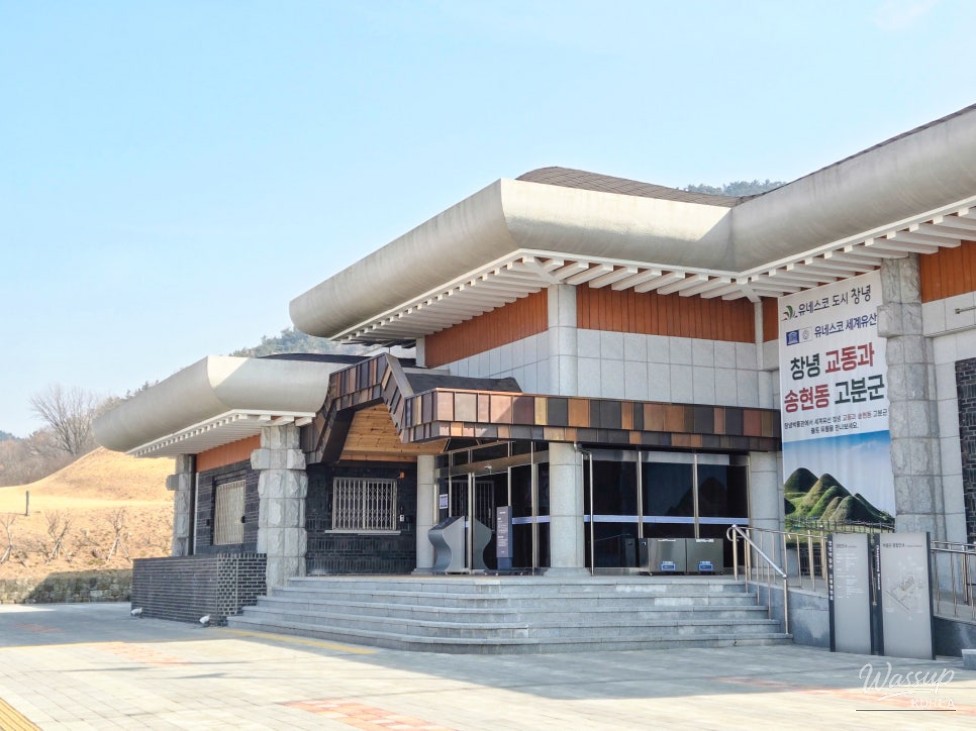
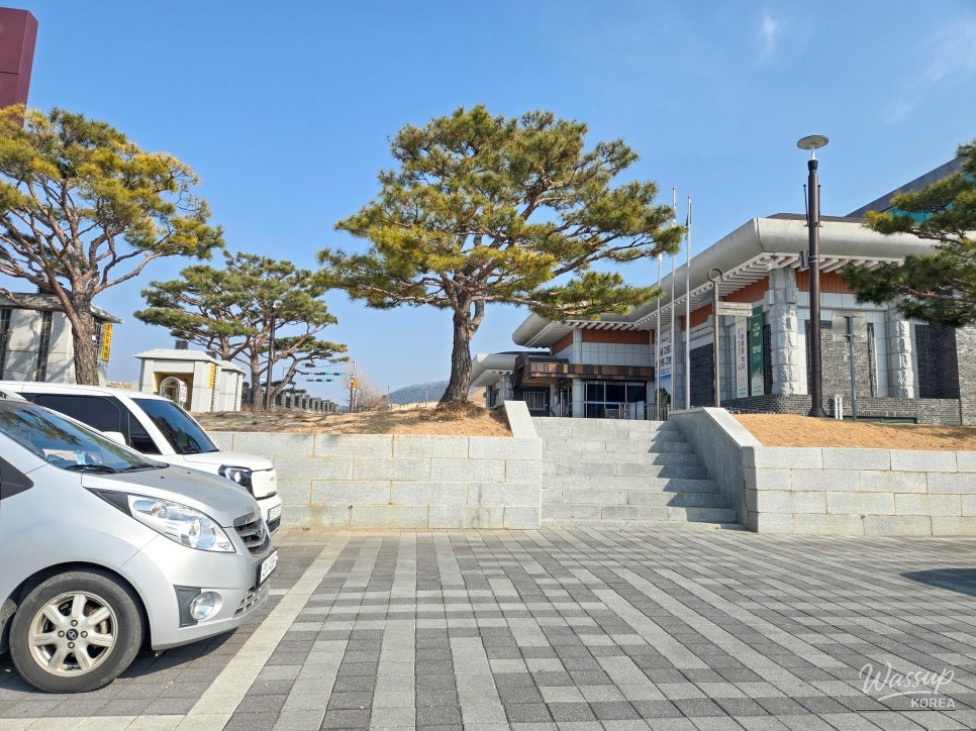
There is a parking lot right in front, but if it's full, you can use the large parking lot across the street. Admission is free, and parking is also complimentary.
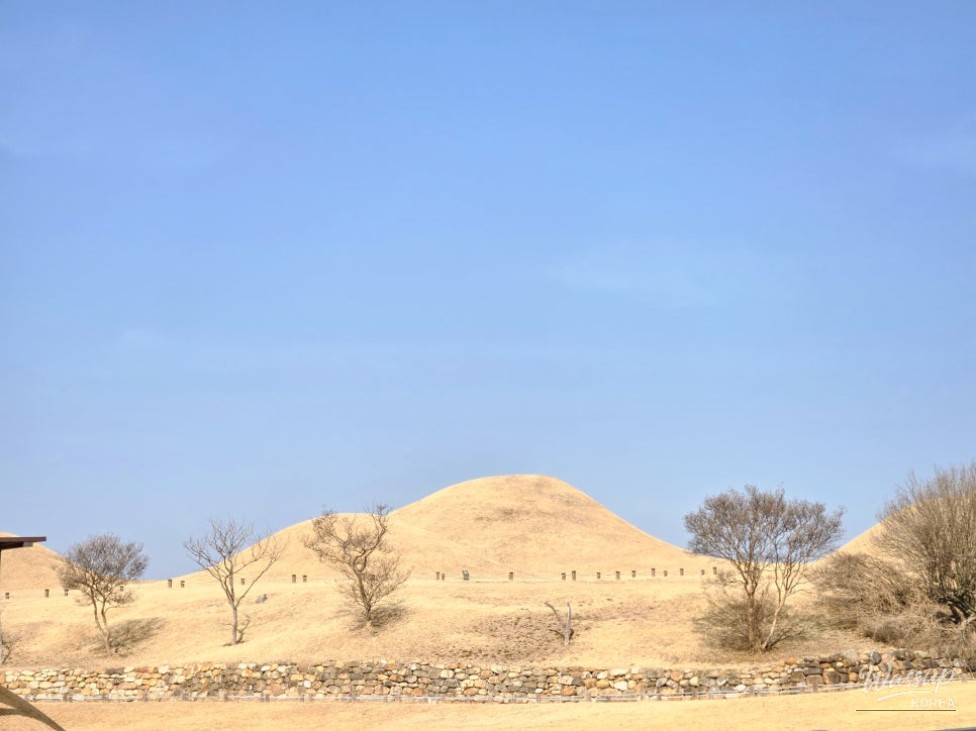
What sets Changnyeong Museum apart from other museums is its proximity to the ancient tombs. The Gyo-dong Songhyeon Tombs showcase traces from the Gaya and Silla periods and are registered as a UNESCO World Heritage site, making it a must-see alongside the museum.
The free admission is another advantage. Let's head into the permanent exhibition hall.
As I entered with a light heart, a girl caught my attention at the entrance. I thought she might be a significant figure since she was placed right at the museum's entry. Her name is Songhyeon, known as the 'sacrificial girl of the Biwha Gaya.' During the excavation of the tombs, her remains were discovered and later restored. She was only 16 years old.
I was shocked by her young age and even more so to learn that she lived 1,500 years ago. Her existence during the ancient Gaya period adds immense value to the findings.
In the dolmen that resembles a stone grave, I could see traces of Grandma Mago and then moved on to the main indoor exhibitions.
One simple reason to visit the museum is that it offers a glimpse into the beginning and present of Changnyeong, home to the UNESCO World Heritage tombs.
Exhibits included pottery that suggests agricultural life, swords symbolizing the power of rulers, and gold crowns that reflect social hierarchies.
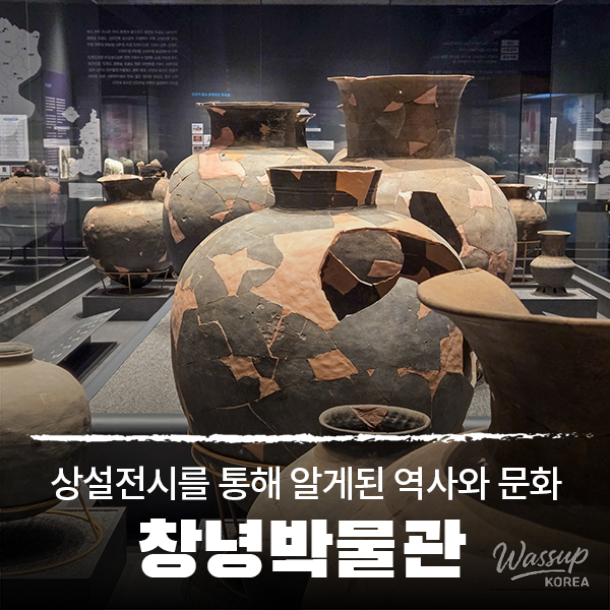
A significant collection of pottery was displayed in the center of the exhibition hall, each piece varying in size and design, all excavated from the Gyo-dong and Songhyeon tombs.
One exhibit piqued my curiosity the most. Although the head and neck were missing, the stone in the photo is identified as a Buddha statue. Recognizing it as a statue, I could see the arms, body, and legs.
Following the flow in the permanent exhibition hall, I reached the children's museum, which had books and was designed for kids to take a break.
When I first arrived at the museum, I was curious about the dome-shaped building behind me, which is the Gyeongseong Tomb Restoration Center. I initially thought it housed a greenhouse, but that was not the case.
This center has relocated and restored Tomb No. 1 of the Gyeongseong Tombs, allowing visitors to indirectly view the interior of an actual tomb.
I could observe geological layers and spaces where people could enter. The size and shape were preserved, creating a vivid sense of being there.
It looked like a relic, and I wondered if throwing coins was a way to wish for luck. It seemed like a fun idea, so I tried it with a 100 won coin from my pocket. This interactive experience, linked to the tombs, is what makes Changnyeong Museum unique. I found it fascinating and enjoyable, and I highly recommend visiting!
Source :https://blog.naver.com/cngblog/224191364127
No comments yet.