Exploring the Bangojin History Museum in Ulsan



Many people associate Ulsan Dong-gu with attractions like Daewangam Park or Seuldo.
However, if you wish to delve deeper into the region's history and culture, a visit to the Bangojin History Museum is highly recommended.
Recently, I explored the Bangojin History Museum located in Ulsan Dong-gu.
Although I frequently passed through the Bangojin area, I rarely had the chance to examine the history and stories embedded in this place closely. This visit allowed me to gain a new understanding of the significance of Bangojin.
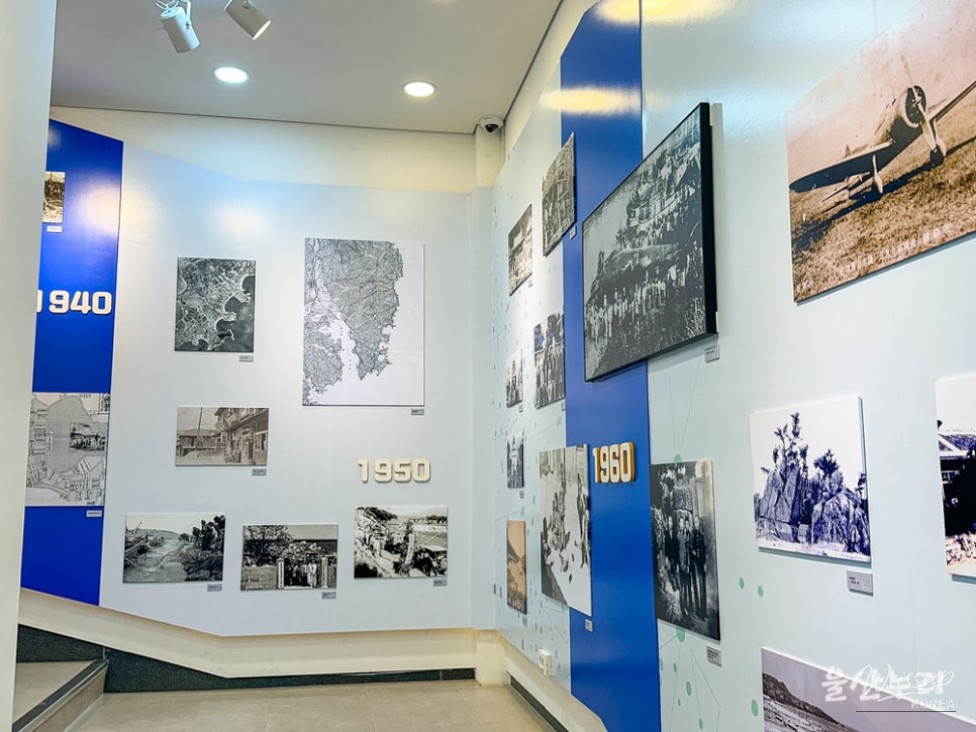
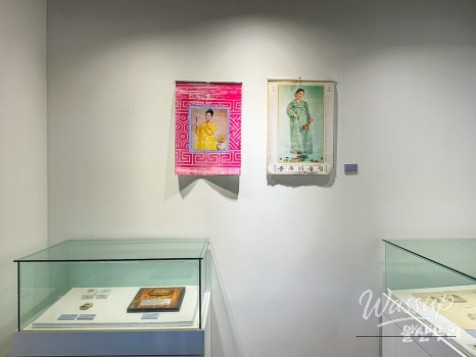
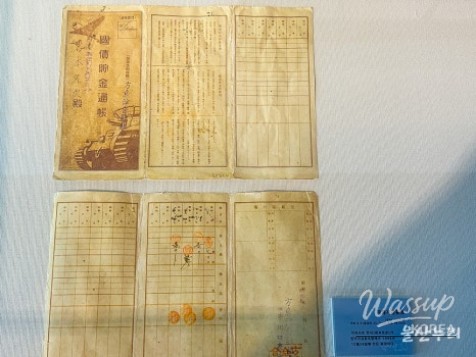
The Bangojin History Museum showcases the history and lifestyle of the Bangojin area from the Japanese colonial period to the present day.
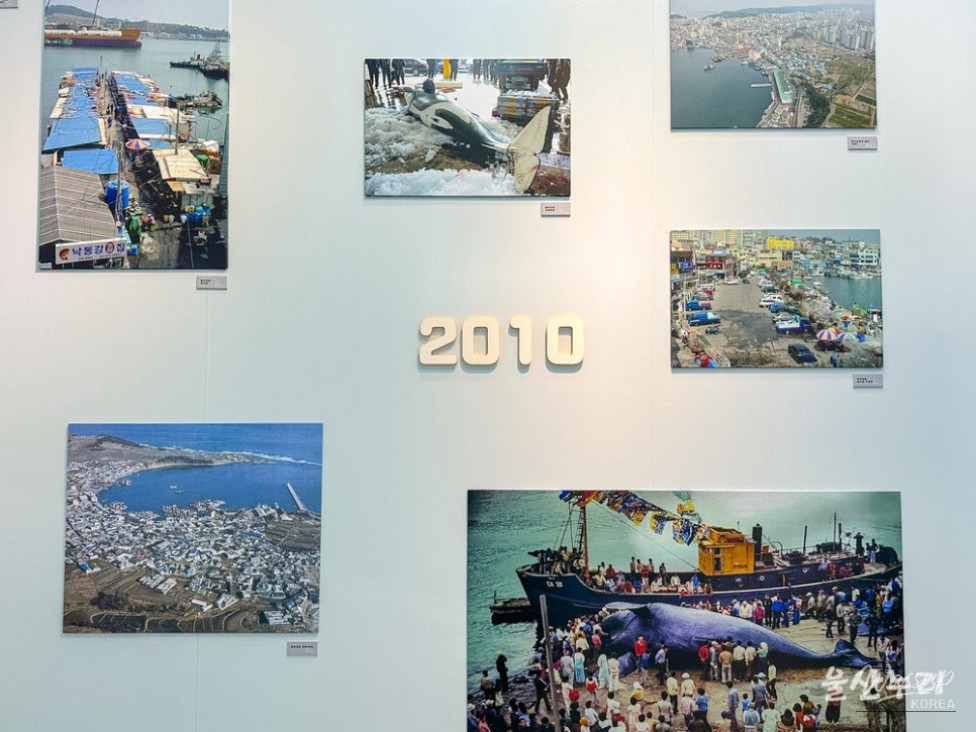
Through various exhibition materials, visitors can learn about the transformation of Bangojin Port from a fishing hub to its current state, the lives of local residents, and the changes over time.
There is no dedicated parking lot, so I used a nearby fish market parking area and walked for about three minutes to reach the museum.
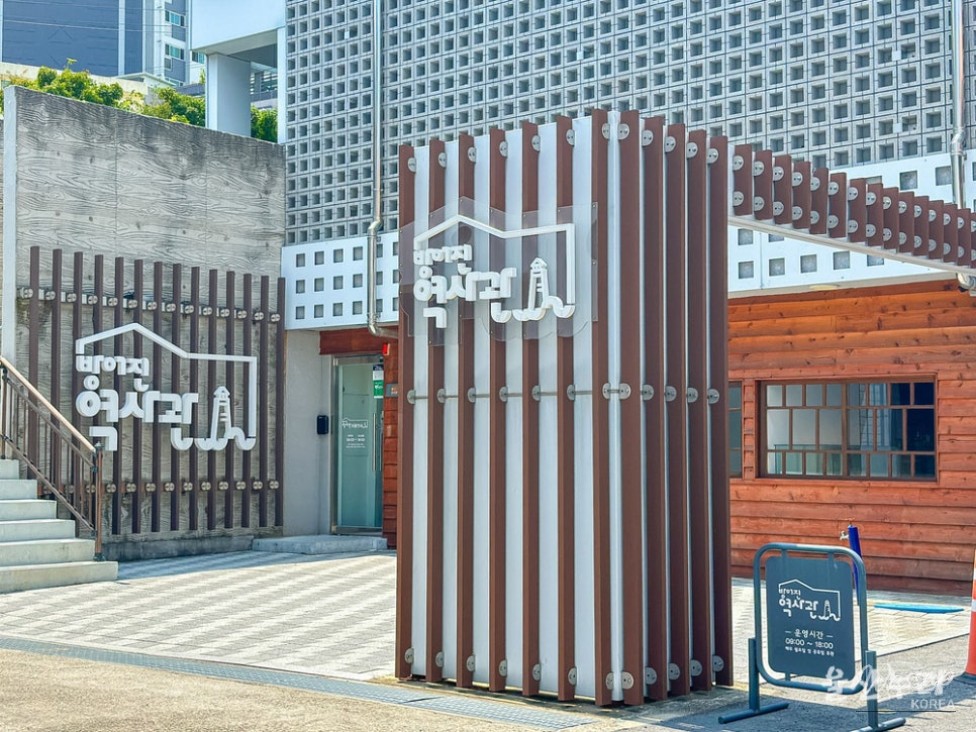
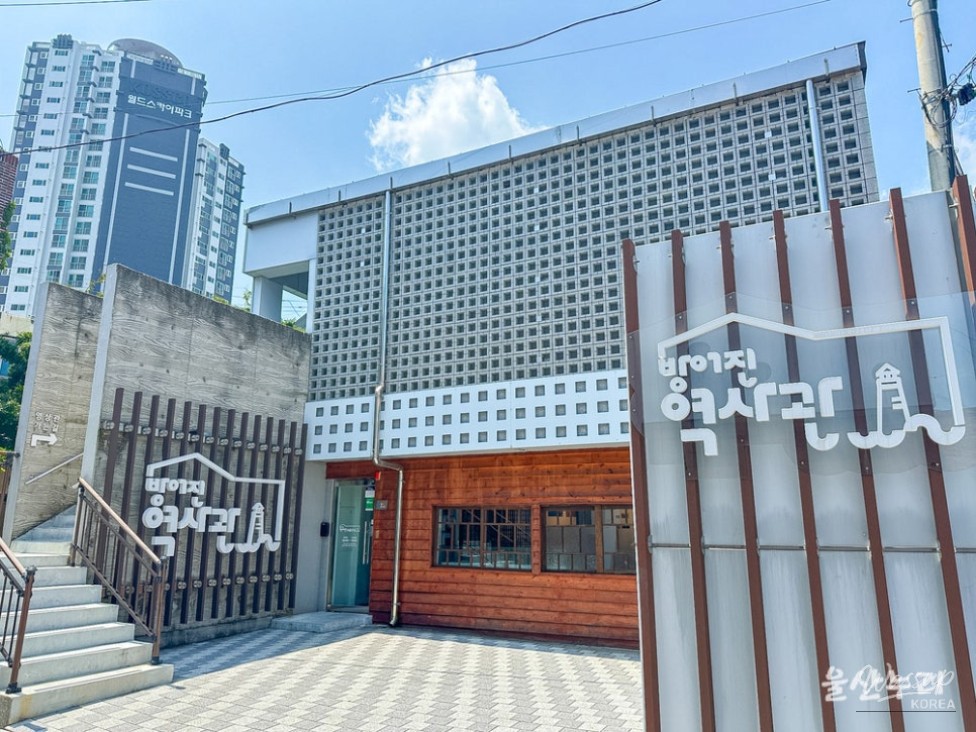
The exterior of the Bangojin History Museum immediately caught my attention. The building retains an old architectural atmosphere, allowing visitors to feel the unique charm of a historical space. Upon entering, I was greeted by photos and exhibition materials depicting Bangojin's past.
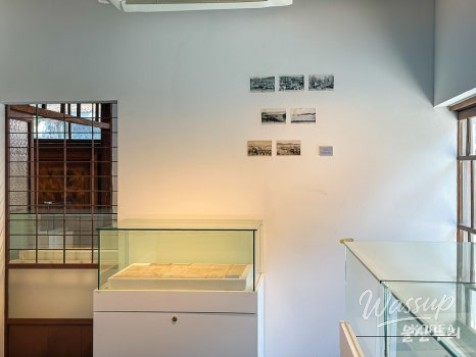
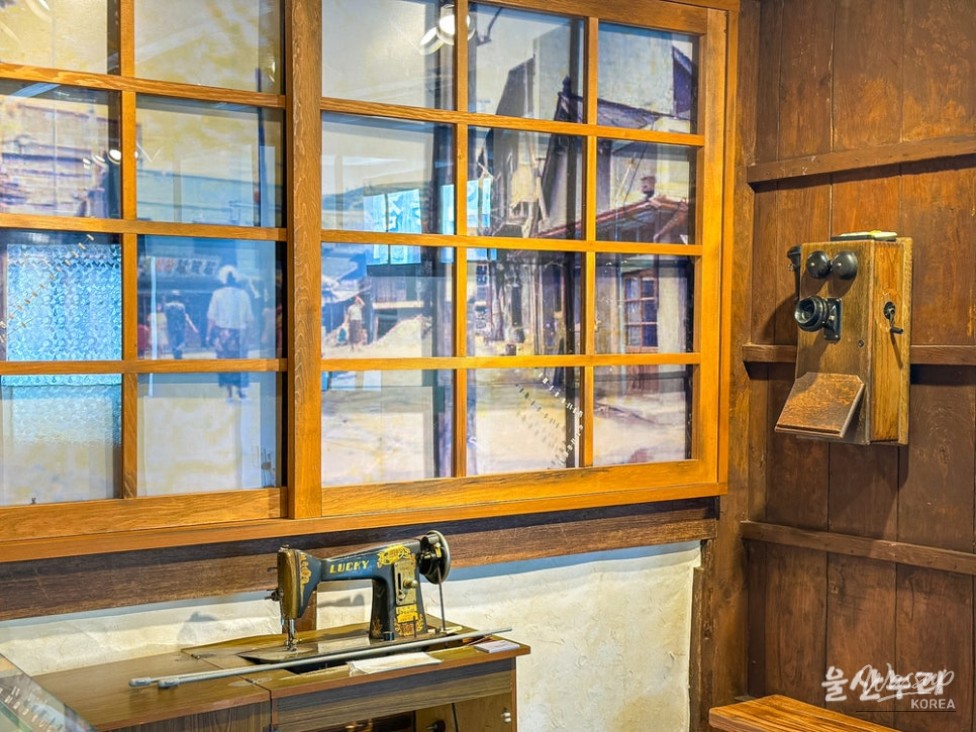
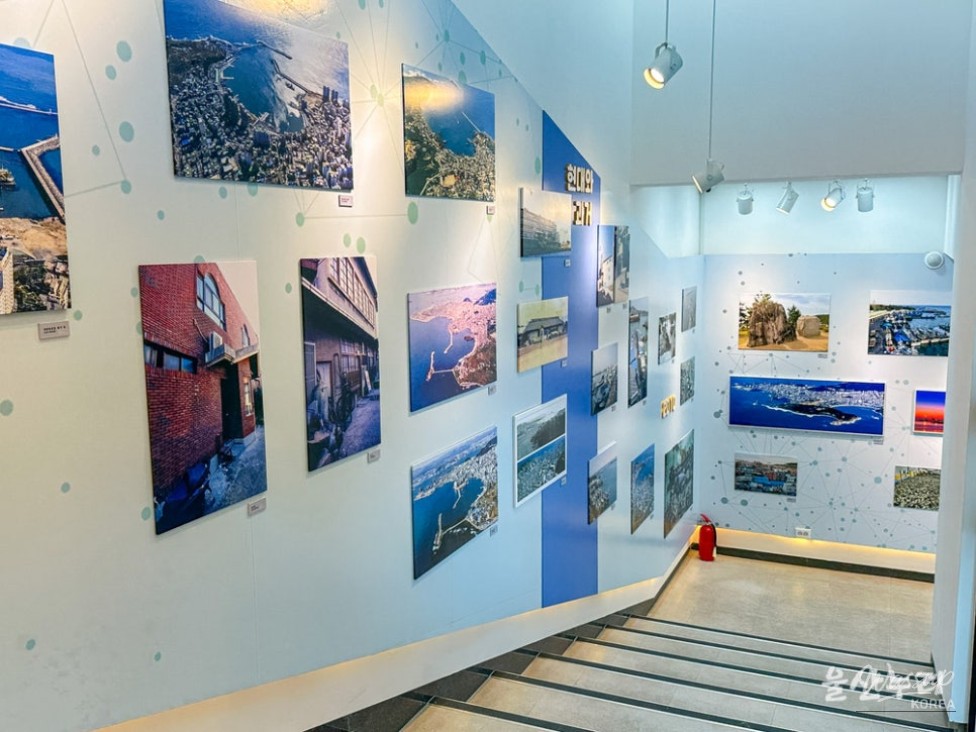
The interior of the exhibition hall preserves old pillars and door frames over 100 years old, combined with modern exhibition setups, creating a captivating blend of past and present.
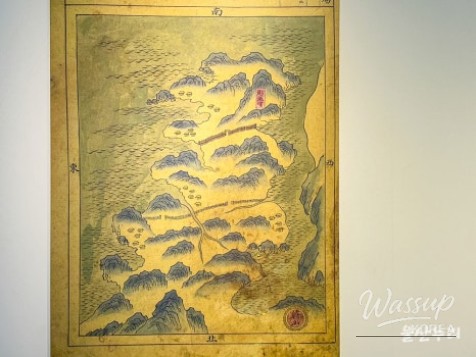
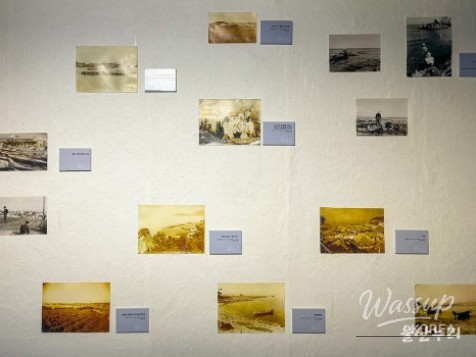
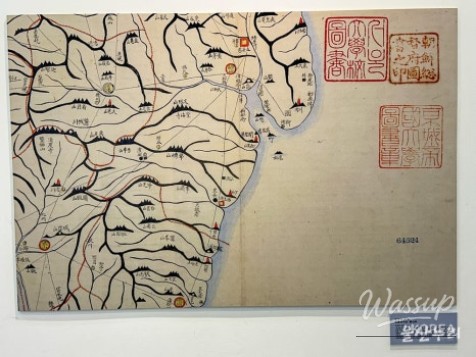
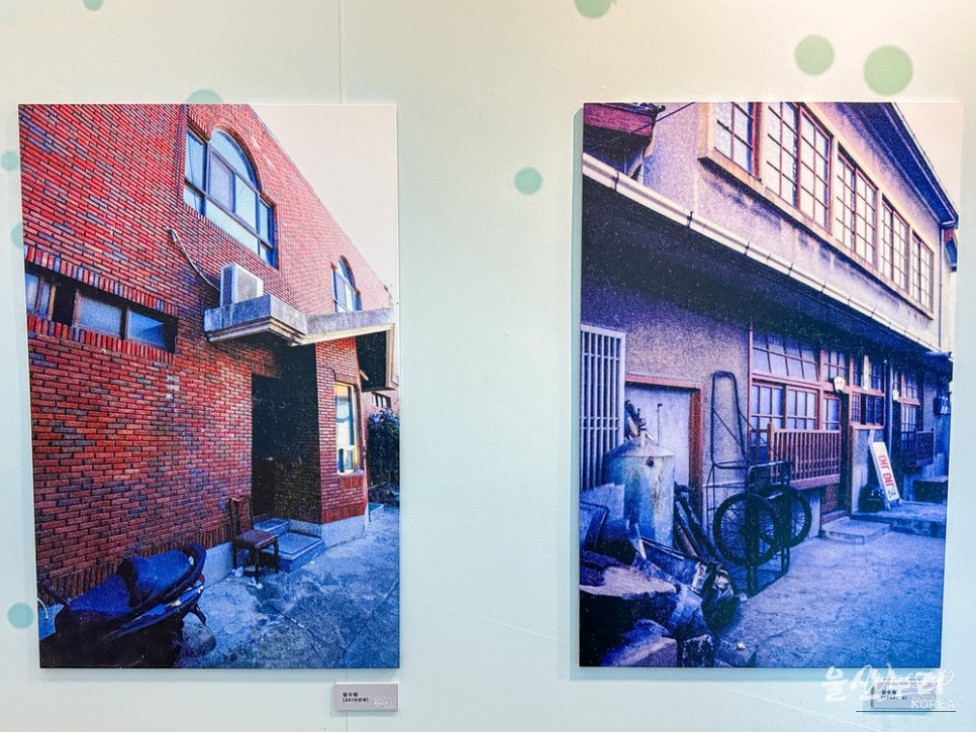
Materials introducing the formation and development of Bangojin Port, changes in local industries, and residents' cultural lifestyles were available. Particularly, the historical photos of Bangojin showcased landscapes that differ from today, adding to the intrigue.
I realized that the streets and ports I usually passed by without a second thought have actually grown alongside the lives of local residents for many years. This understanding helped me appreciate the processes that Ulsan Dong-gu underwent to reach its current state.
The exhibition content is presented in an easily understandable manner, making it accessible for people of all ages. It appears to be a great educational venue for those interested in history and families visiting with children.
Another advantage of the Bangojin History Museum is its calm atmosphere, which allows for a leisurely viewing experience. Unlike crowded tourist spots, this space offers a chance to slowly explore the exhibitions and connect the past and present of Bangojin.
As I finished my visit and stepped outside, the scenery of Bangojin Port, which I had always seen, felt somewhat different. I realized it is not just a simple port but a space that has embraced the region's history and culture over many years.
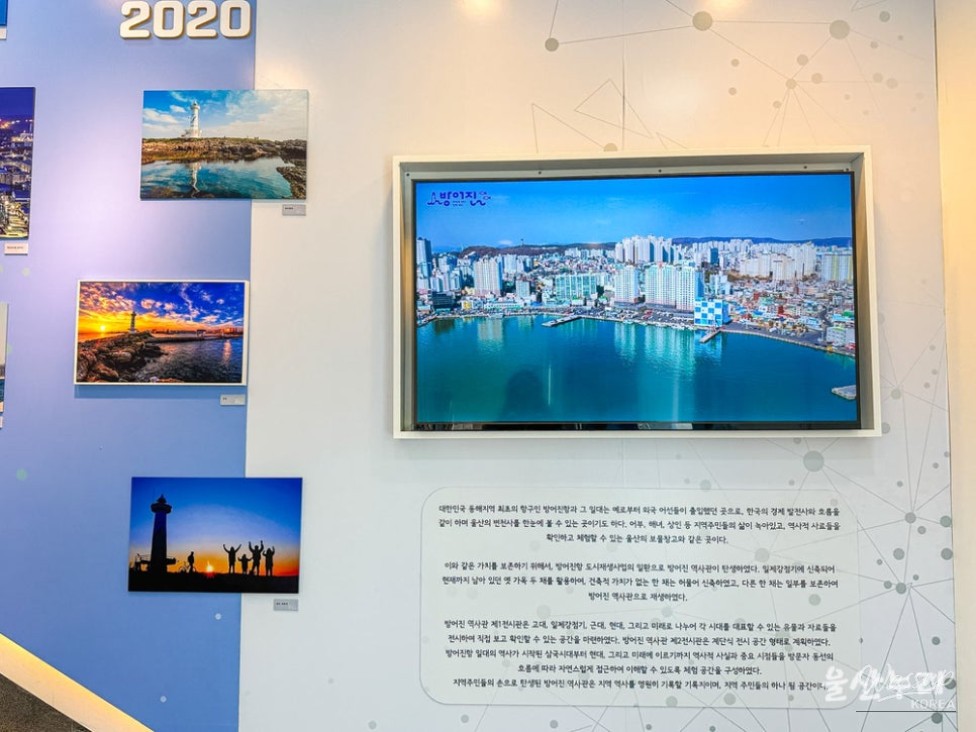
Currently, urban regeneration projects have been underway in the Bangojin Port area since 2016. Various revitalization initiatives are being pursued based on the region's tangible and intangible assets and potential. The Bangojin History Museum is also a place where one can feel the significance of this urban regeneration. I look forward to seeing how the Bangojin Port area will evolve in the future.
If you are traveling in Ulsan Dong-gu or have an interest in the local history, I recommend visiting the Bangojin History Museum. It may not be a glamorous tourist spot, but it is a meaningful space to gradually explore the stories of Bangojin.
If you want to discover another charm of Ulsan Dong-gu, I encourage you to spend some special time at the Bangojin History Museum.


Source :https://blog.naver.com/ulsan_nuri/224348233846
No comments yet.