Exploring the Ancient Kingdom of Ara Gaya in Ham-an



The spring rains of March have begun to fall. While it may still be early to declare it fully spring, there is a definite feeling that the weather is warming up. During this time, I find myself wanting to wander to a city that is perfect for slow walks and contemplation. The place I chose to visit is Ham-an.
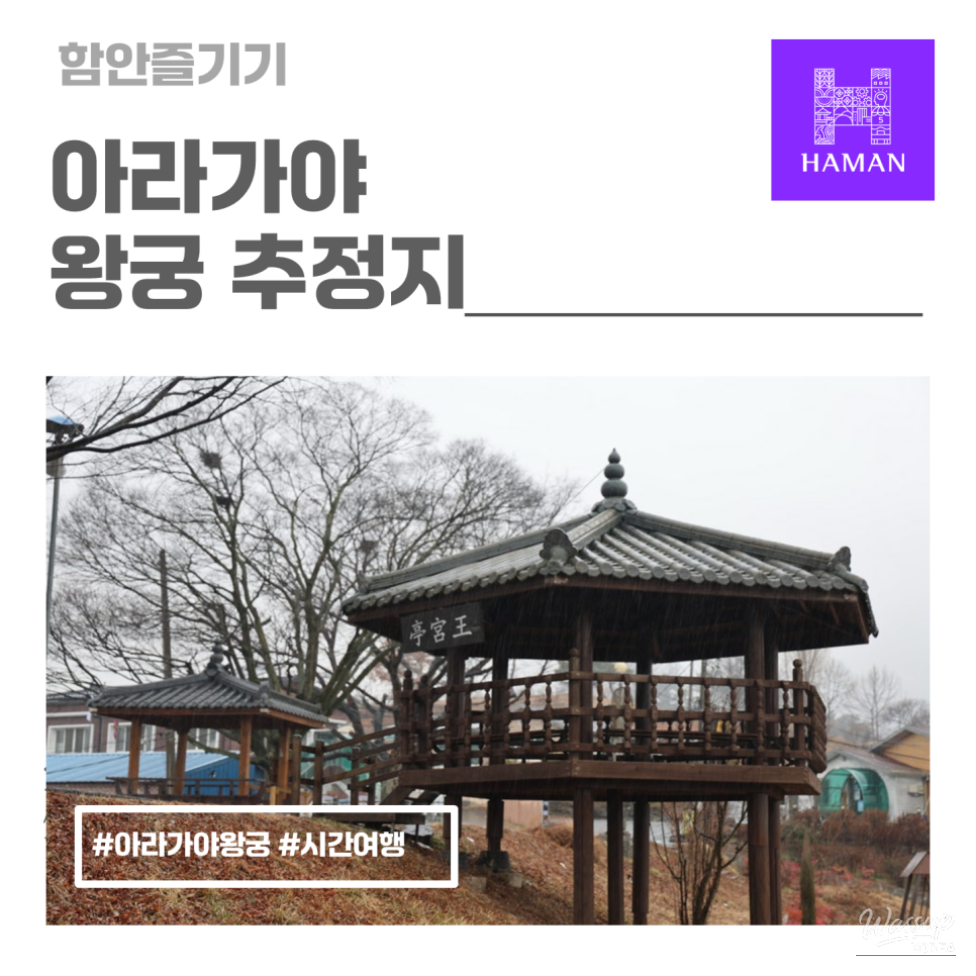
Located in Ham-an, the presumed site of the Ara Gaya royal palace is an archaeological treasure.
Ham-an appears to be a tranquil city at first glance. It is a peaceful space characterized by vast fields, low mountains, and a repetitive daily life. However, beneath this land lies the remnants of a long-lost kingdom known only by name in historical records: Ara Gaya.
Ara Gaya was a significant force within the Gaya Confederacy, flourishing around the 5th century AD, primarily west of the Nakdong River. The large wooden coffin tombs identified at the Malisan Tombs and the rich iron artifacts found here indicate that this region was not merely a local power but possessed considerable political and military capabilities. The evidence of trade mediated by iron and exchanges with the Wa (倭) suggest that this small kingdom was actively engaged in the East Asian maritime network.
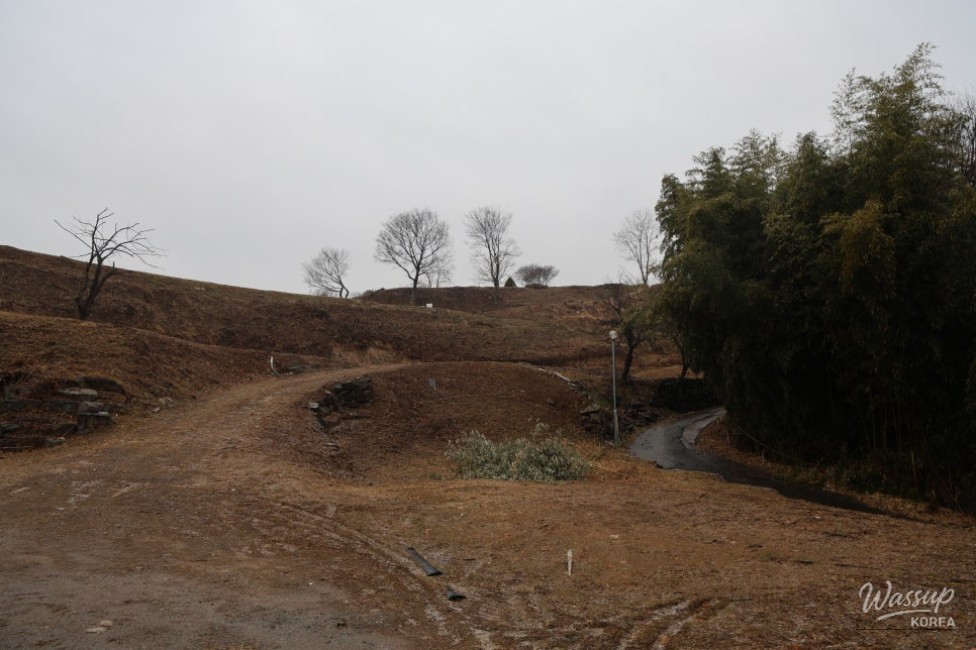
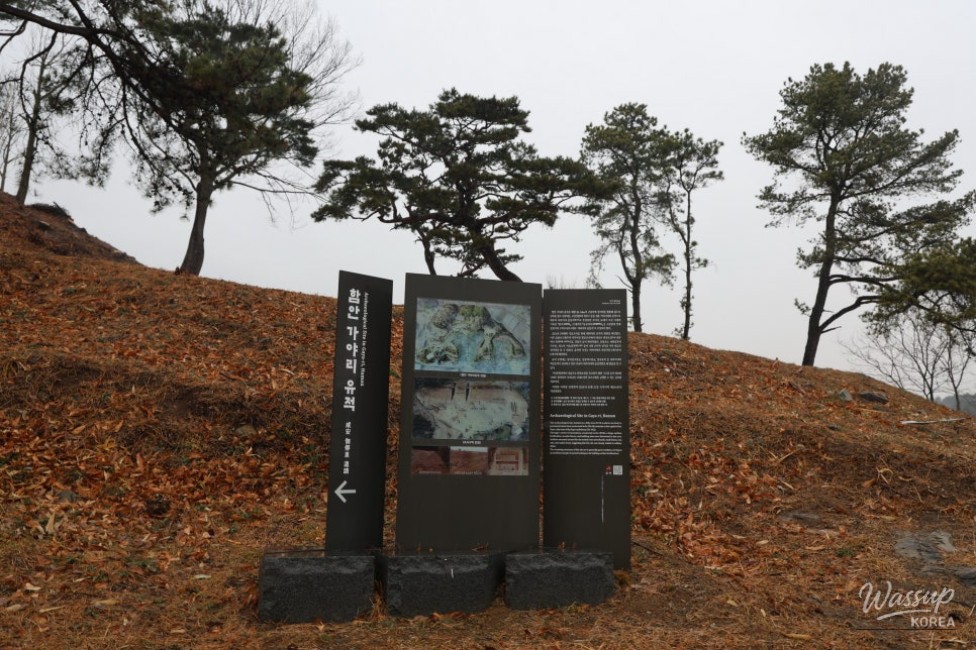
In the vicinity of the Ham-an Lotus Theme Park lies the presumed center of Ara Gaya, where the royal palace is believed to have stood. This archaeological site, situated on a hill at an elevation of 45 to 54 meters, features earthen fortifications built on sloped terrain, with indications of elevated structures and watchtowers. Historically, it has been regarded as the site of the Ara Gaya royal palace.
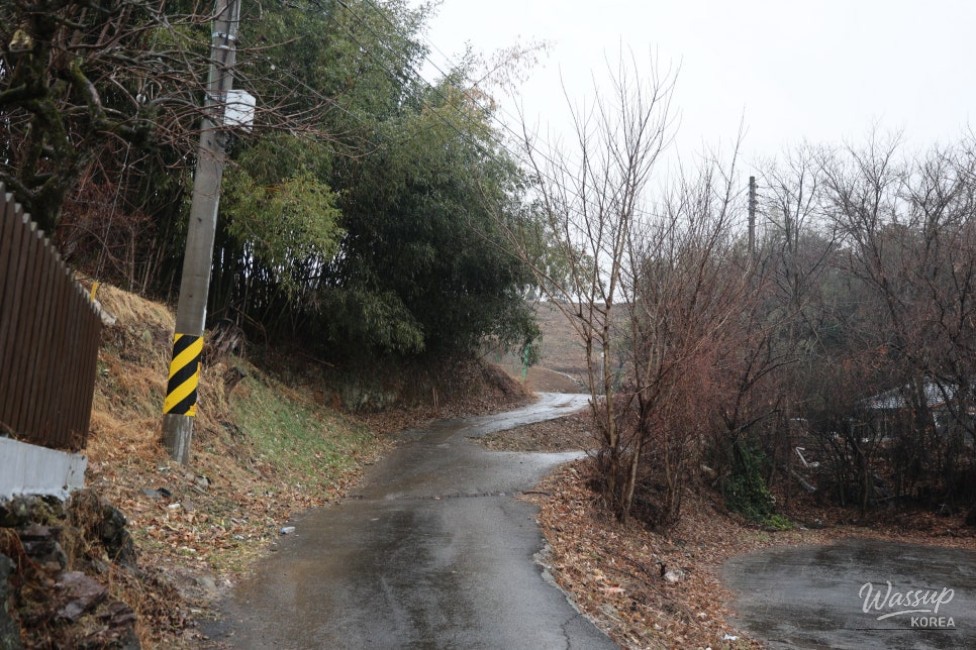
Today, there are no grand palaces left standing. Restored buildings or majestic gates are nowhere to be seen. Instead, the well-maintained grounds, surrounding tombs, and the geographical layout gently suggest that this was once a political center.
Interestingly, what remains here is not buildings but 'earth.'
The palaces of ancient kingdoms were not merely living spaces; they were centers of power where rituals were performed, envoys visited, and the direction of the state was determined. Thus, the very ground we stand on may have once been a space filled with tension and choices.
Records about Ara Gaya are sparse. Brief mentions in the Samguk Sagi and Nihon Shoki, along with archaeological findings, help to illuminate its existence. Ultimately, Ara Gaya was absorbed into Silla and faded from history. However, destruction does not equate to total obliteration. The kingdom may have vanished, but its remnants have endured through different eras.
Standing at the presumed royal palace site, one’s imagination becomes sharper. An empty space raises more questions than a fully restored palace. Cities continuously adopt new images as industries develop, administrative boundaries change, and tourist attractions emerge. Yet, ancient centers are not easily erased.
The arrangement of the Malisan Tombs and the royal palace site facing each other indicates that this area was not just a settlement but a space with a political and social structure. The coexistence of spaces for death and governance hints at the stature of royal authority at that time. The archaeological remains date back to the heyday of Ara Gaya in the 5th to 6th centuries.
Walking through Ham-an is not merely a visit to a region; it is a moment spent at the heart of a vanished kingdom. We often remember the histories of great empires, but small kingdoms were also worlds lived in by people of their time.
Ara Gaya may have fallen, but that time has not completely disappeared. It lies layered beneath the soil, supporting another city. The palace is gone, but its foundations remain. The records may be few, but the traces are profound.
In Ham-an, where key archaeological sites like the Ara Gaya royal palace site, Malisan Tombs, and others converge, we are naturally led to question.
How are ancient kingdoms remembered? And what remains of a city? The answer likely lies within the layers of time that overlap on this ground.

Source :https://blog.naver.com/arahaman/224201349020
No comments yet.