Exploring Seongnamsa Temple in Ulsan



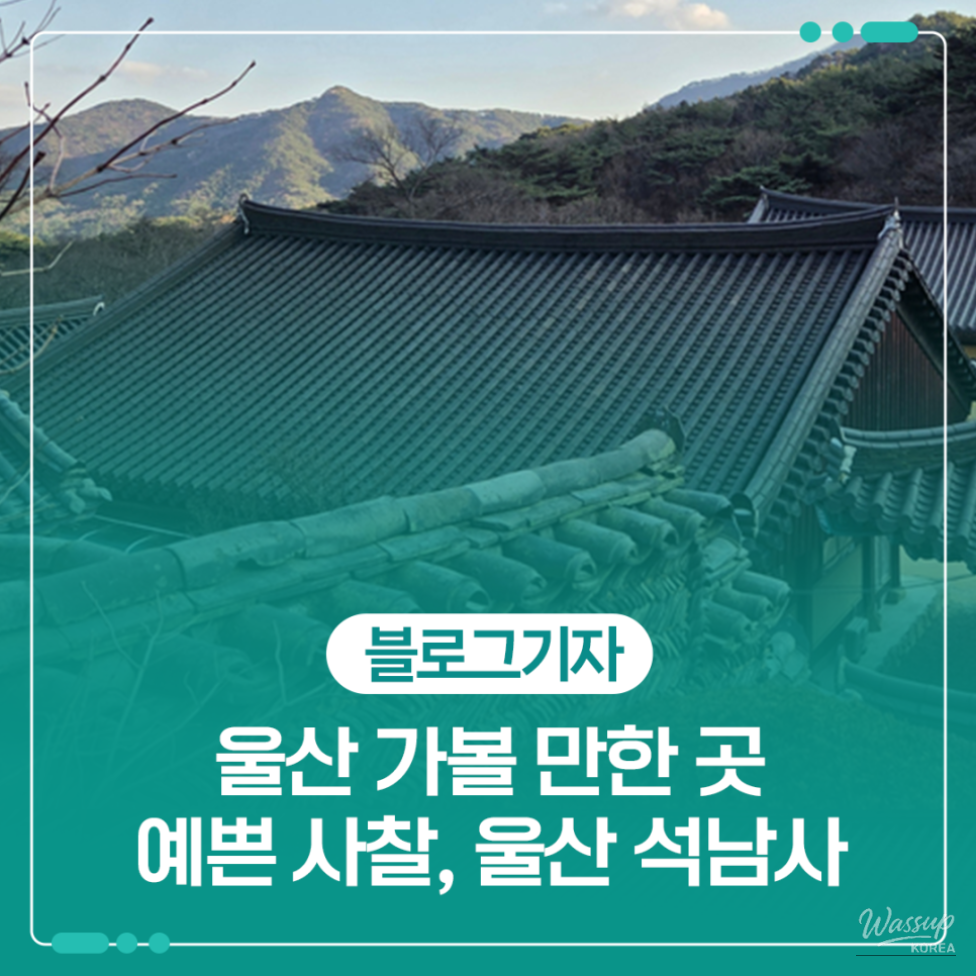
I recently visited Seongnamsa Temple, the representative temple of Ulsan.
Located at 557 Seongnam-ro, Sangbuk-myeon, Ulju-gun, Ulsan, Seongnamsa is about a 20-minute drive from the city center of Ulsan.
The temple is situated at the foot of Gajisan Mountain, and there is ample parking available.
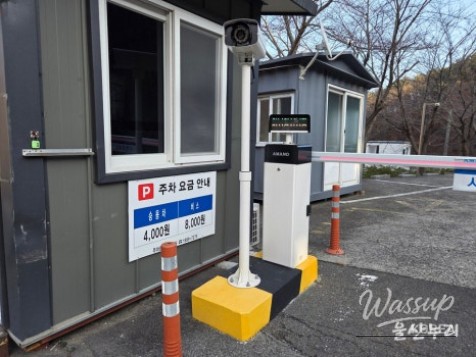
The parking fee is 4,000 won for cars and 8,000 won for large buses.
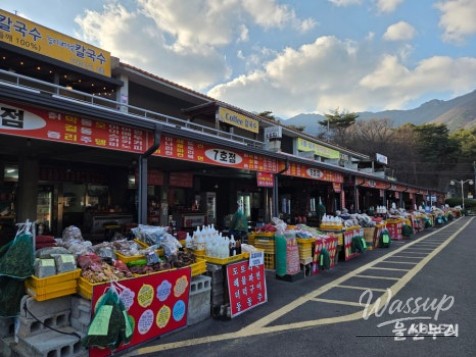
Near the parking entrance, there are several restaurants offering local dishes such as acorn jelly, seafood pancakes, and grilled deodeok, making it convenient to grab a bite after exploring the temple.
Seongnamsa is also accessible via public transportation. You can take bus number 1713, which goes directly to the temple.
After parking, I headed to the entrance of Seongnamsa, where there are restroom facilities available.
The temple has specific visiting hours from 9:00 AM to 6:00 PM, and entry is free.
The name 'Seongnamsa' is derived from the nearby Gajisan Mountain, also known as Seokmyeonsan, and it is said that the temple was named after the southern foot of this mountain.
In the past, it was also referred to as 'the most beautiful temple in Yeongnam.'
In 1957, the temple underwent significant renovations under the leadership of the nun Inhong, establishing it as a prominent meditation center for nuns in Korea.
Seongnamsa has its unique charm in every season, especially in autumn when many tourists visit. I enjoyed a leisurely walk during my winter visit.
The weather was mild, making it pleasant to stroll around the area.
Seongnamsa is quite spacious, featuring cultural heritage sites such as the Seongnamsa pagoda, designated as Treasure No. 369, and the three-story stone pagoda, recognized as Gyeongnam Cultural Heritage No. 22, along with other historical artifacts.
Exploring the temple and discovering the cultural heritage scattered throughout is quite enjoyable.
There is also a hiking trail leading to the summit of Gajisan Mountain beyond the temple, so I encountered many hikers along the way.
The majestic Gajisan Mountain looms behind the temple like a backdrop.
The path lined with stone walls is beautiful, accompanied by the sound of flowing water and the grandeur of Gajisan in the distance.
Walking alongside the varying heights of the stone walls lifts the spirit.
Upon passing through the main gate, the first sight is the three-story stone pagoda of Seongnamsa, standing about 2.5 meters tall, which preserves the architectural style from the Unified Silla period.
The Daeungjeon Hall and the beautiful blue sky behind the pagoda create a stunning view.
As I explored the Daeungjeon Hall and other structures, I took my time to appreciate each one.
The temple grounds are spacious, and leisurely exploration can take about an hour.
There are also stone paths behind the Daeungjeon Hall, providing a peaceful walking experience.
As a significant meditation center for nuns in Korea, the tranquil and serene atmosphere is palpable.
Seongnamsa was originally built during the Unified Silla period but was largely destroyed during the Korean War, and it was rebuilt in 1957.
Isn't the temple beautiful?
I recommend visiting Seongnamsa, Ulsan's representative temple, which is stunning in every season.
Regardless of religious significance, I encourage everyone to stop by Seongnamsa at least once.
Source :https://blog.naver.com/ulsan_nuri/224169775434
No comments yet.