Exploring Seongnam Temple in Ulsan



Hello! We are the Ulsan City Hall Blog Reporter Group.
When you think of temples in Ulsan, one of the first places that comes to mind is Seongnam Temple.
When I first visited Seongnam Temple, the path from the entrance to the temple felt very long. However, after visiting frequently, it now feels like a quick trip.
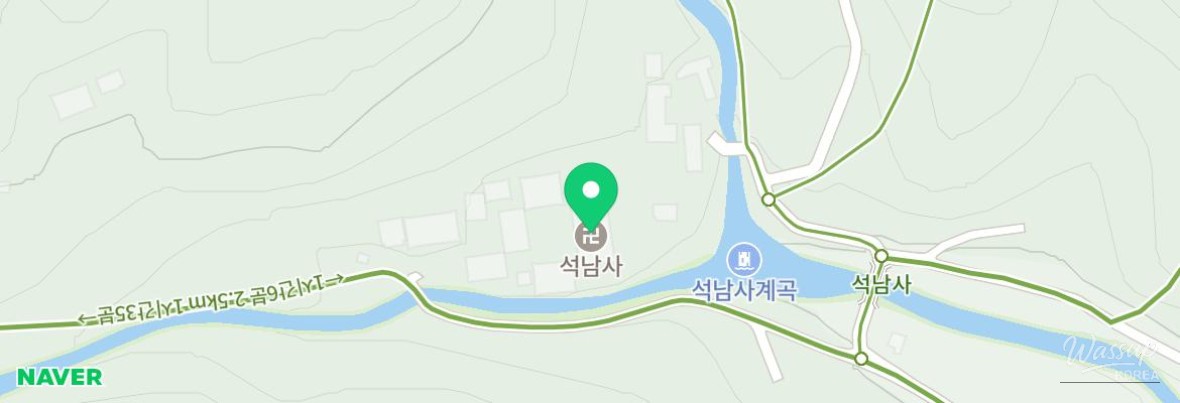
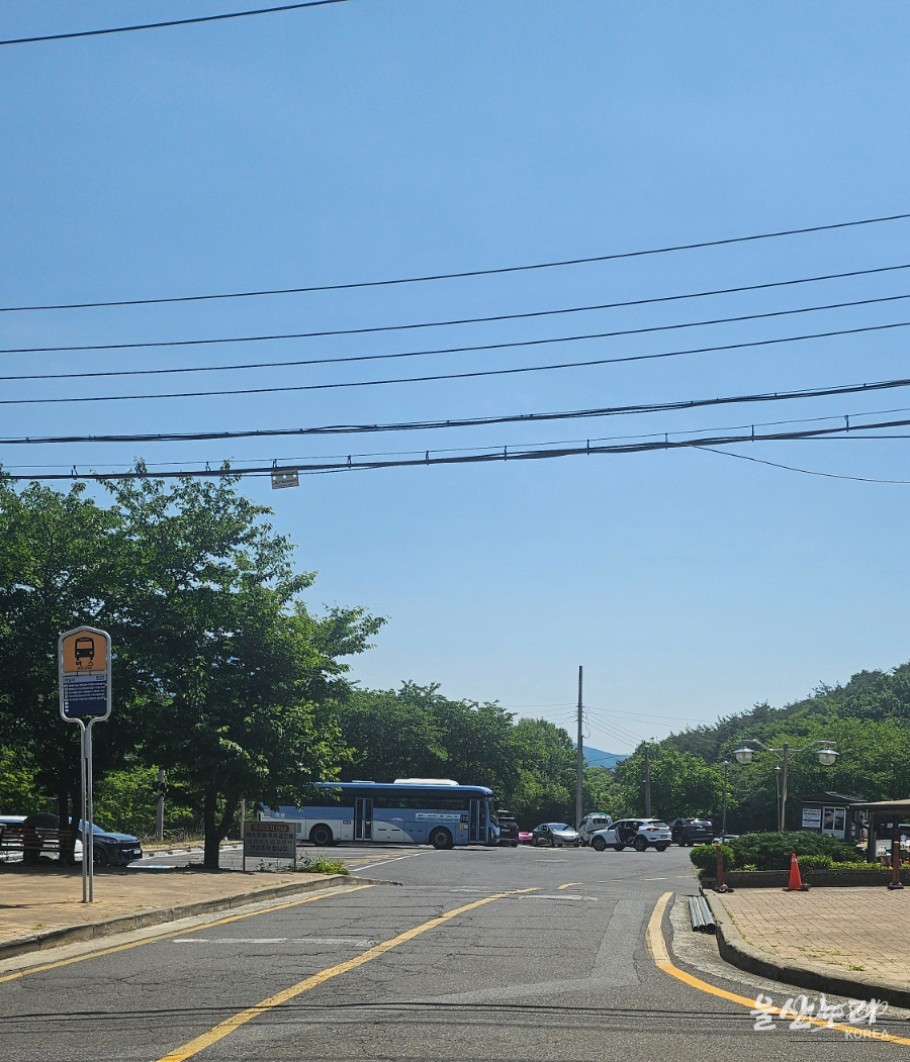
Since 2023, Seongnam Temple has stopped charging an entrance fee. Instead, there is now a parking fee.
A leisurely stroll around Seongnam Temple costs 4,000 won for a day's parking.
My husband and I have different religions, but I believe there is a reason why anyone who visits Seongnam Temple feels at peace, regardless of their faith.
Listening to the sound of the flowing stream and the trees covering the sky in the deep mountains makes my cluttered thoughts pause for a moment.
Research shows that natural environments positively impact psychological stability and stress relief. The sounds of the forest and water are known to help alleviate tension and provide a sense of calm.
Seongnam Temple is truly a great place to walk at any time. The densely packed trees create a feeling that the air changes as soon as you enter.
Personally, I feel most refreshed when I visit Seongnam Temple. Just stepping away from city noise and walking while breathing in the forest air helps clear my mind.
The highlight of Seongnam Temple is the Cheongun Bridge Forest Trail, which stretches about 700 meters from the ticket office to the temple's center.
Located at the foot of Gajisan Mountain, the beautiful forest trail leads smoothly from the entrance.
Walking under the shade of the trees while listening to the clear sound of the stream makes it an ideal place for strollers or to walk slowly with children.
Personally, I think the accessibility of this mountain temple is a significant advantage. It’s not too rugged, making it a popular destination for families, and the well-maintained forest trail is perfect for a leisurely visit.
Historically, temples were often built in auspicious locations with good feng shui.
Looking at traditional temples in Korea, many are located:
- Surrounded by mountains
- Near flowing water
- In places that receive plenty of sunlight and wind
Seongnam Temple is also situated in the natural surroundings of Gajisan Mountain, and visiting helps you understand why temples are built in such locations. The air here is particularly fresh within Ulsan, and the density of the forest provides a calming effect.
When visiting the temple, I recommend wearing:
- Neat and comfortable clothing
- Long pants
- Neutral or subdued colors
- Comfortable shoes
Avoid wearing:
- Very short shorts or mini skirts
- Overly revealing clothes
- Excessively flashy or noisy accessories
- Strongly scented perfumes
As a child, I once wore shorts to a temple and felt out of place because everyone else was dressed in long pants. Reflecting on it now, no one said anything, but the temple's quiet atmosphere made me more self-conscious.
Since then, I naturally check my attire before visiting a temple. It’s not so much about strict rules but rather about respecting the serene atmosphere of the temple.
Walking slowly in long pants and comfortable shoes helps calm my mind and organize my thoughts.
“Namu Amitabul” often heard in temples means “I take refuge in Amitabha Buddha.” Here, “Namu” means to take refuge, and “Amitabul” refers to the Buddha of the Western Paradise.
The reason for the repetitive chanting is to stabilize the mind and focus on practice.
Guan Yin Bodhisattva is one of the most well-known bodhisattvas in Buddhism, representing compassion and the ability to alleviate the suffering of the world.
In the character breakdown:
- 觀 (view): to observe
- 世 (world): the world
- 音 (sound): sound
- 菩薩 (bodhisattva): an enlightened being
Thus, it means “the bodhisattva who observes the sounds of the world.” Here, “sounds” often refer to:
- Suffering
- Sadness
- Pain
- Earnest prayers
In Korean Buddhism, the faith in Guan Yin Bodhisattva is widespread, which is why you often hear “Namu Guan Yin Bodhisattva.”
When meeting a monk at the temple, the most natural and respectful way to greet them is to lightly clasp your hands together and bow your head while saying, “Hello, Monk.”
I also usually greet monks with a light bow. Even if you are not a Buddhist, showing respect in your greeting is warmly received.
The “Seobjin Bridge” visible near the entrance of Seongnam Temple means:
- 攝 (to gather)
- 眞 (truth): true
- 橋 (bridge): bridge
It can be interpreted as “a bridge to enter with a true heart.”
Bridges in temples often symbolize the boundary between the secular world and the space for practice.
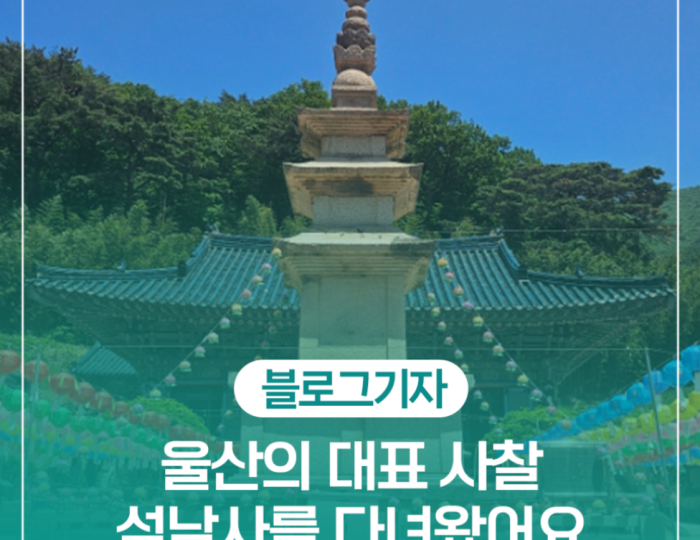
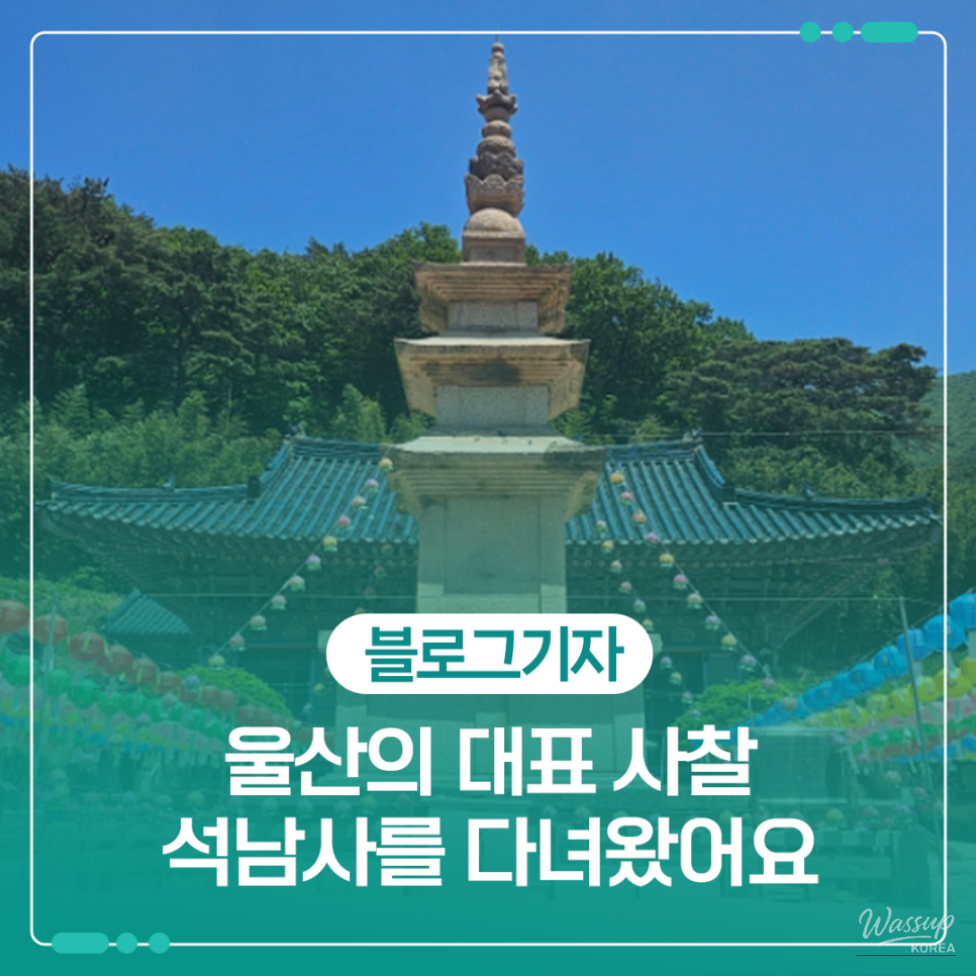
The stone pagoda standing proudly in front of the Daeungjeon Hall embodies the typical beauty of Silla-era stone pagodas, being simple yet balanced.
This pagoda is not just a decoration but is considered a space symbolizing the teachings and practices of Buddhism, prompting many to naturally clasp their hands or bow as they pass by.
Lanterns are not merely decorations but carry significant meaning as offerings of wishes and prayers.
- Health for family
- Success
- Business
- Peace
- Prayers for ancestors
During the Buddha's birthday season, the temple is beautifully illuminated, creating a lovely atmosphere.
Walking up the stairs behind the Daeungjeon Hall leads to the stupa of the great monk Doi, showcasing remarkable stone carving techniques from the Unified Silla period.
Seongnam Temple, with its serene forest and flowing stream, feels like a space that allows you to pause amidst the busyness of life.
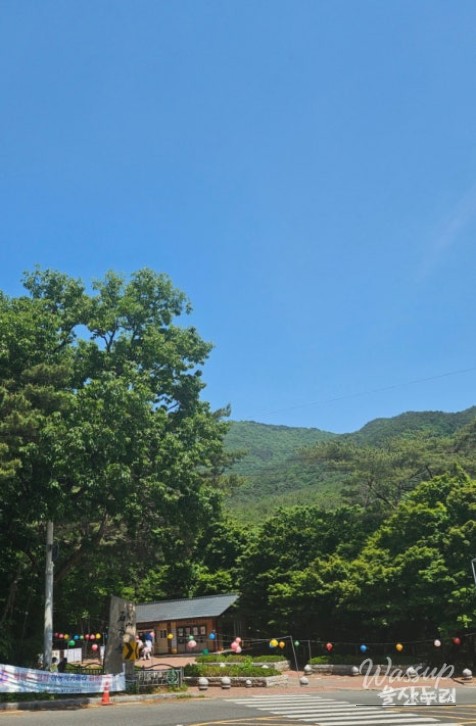
The sight of the temple adorned with colorful lanterns for Buddha's birthday reveals a different atmosphere, providing a calming experience in the quiet mountain temple.
This weekend, why not escape the bustling city and spend some leisurely time in Ulsan's beautiful mountain temple? Walking slowly under the lanterns may help you rediscover the quiet moments of rest that you have been missing in your daily life.
Source :https://blog.naver.com/ulsan_nuri/224292313223
No comments yet.