Good News: A Hilarious and Ironic Take on the Yodo-go Hijacking
- Original source
- blog.naver.com


The thought of a government in the 1970s entrusting such a massive undertaking to someone so free-spirited and unpredictable seems absurd at first. But Netflix's film, 'Good News,' quickly dispels any doubts.
Setting an alert and eagerly awaiting its release was definitely worth it. This movie is incredibly entertaining.
Seol Kyung-gu's fresh portrayal felt surprisingly natural, and the unique narrative style was undeniably captivating.
Above all, the coherent storytelling is a major win!
Netflix's 'Good News' draws inspiration from the real-life Yodo-go hijacking that occurred in 1970. The incident involved the Japanese Red Army, a far-left militant group, hijacking a Japan Airlines passenger plane and attempting to defect to North Korea.
I had previously heard about this event on the Kkokko-mo podcast, and even then, it seemed unbelievable. Seeing it portrayed in the film only reinforced that feeling of absurdity.
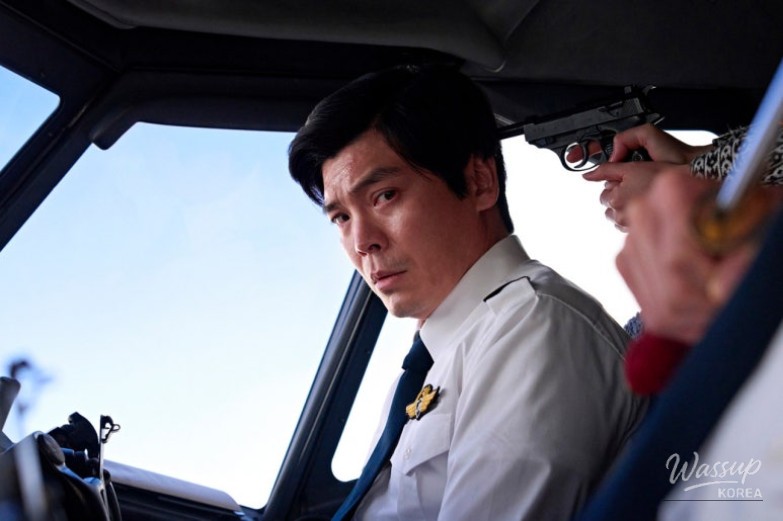
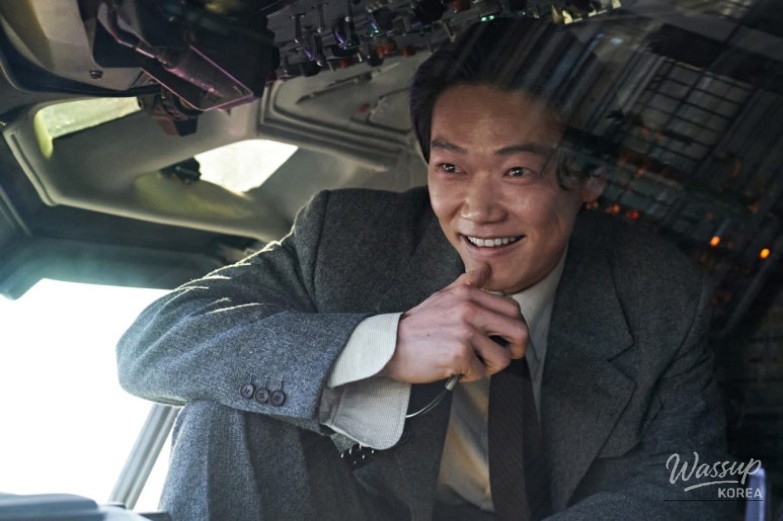
The hijackers, armed with Japanese swords and pistols, threatened the passengers and demanded that the pilot fly to North Korea. The pilot's clever ploy of feigning fuel shortage felt incredibly reminiscent of a Japanese film, initially making me wonder if it was a joint Korean-Japanese production.
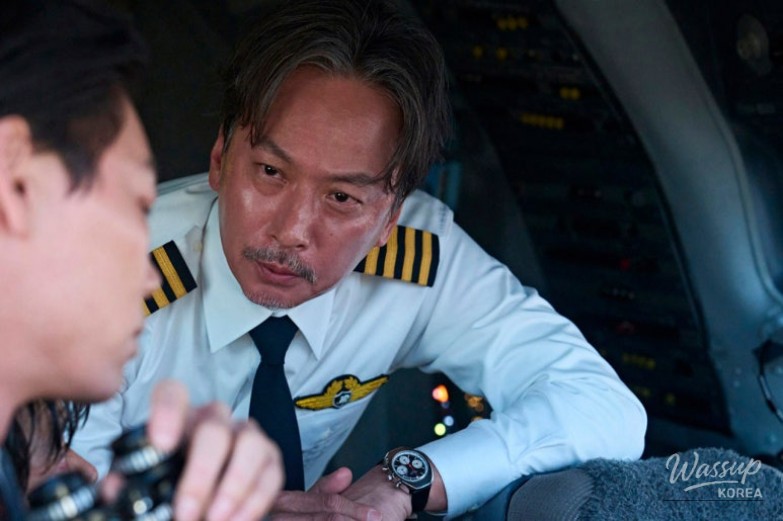
The subtle shifts in expressions and tone, along with the unpredictable dialogue of the pilot, co-pilot, and hijackers, highlighted the sheer outrageousness of the entire event.
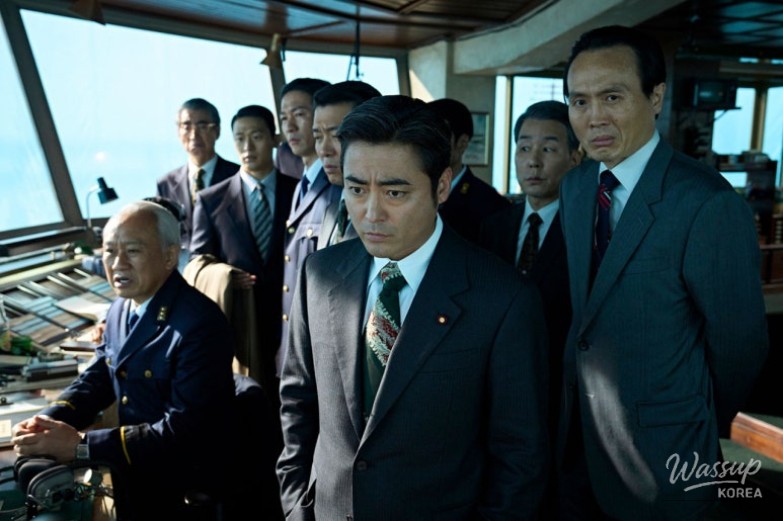
The pilot and co-pilot cleverly landed at Fukuoka Airport under the guise of refueling, managing to deplane 25 passengers. However, the government officials' response was utterly disheartening, seemingly designed to avoid responsibility at all costs.
They handed the pilot and co-pilot, who were unfamiliar with the route to Pyongyang, a paper map. The implication was clear: 'Our government never instructed you on how to reach Pyongyang, so if you happen to arrive there, it's not our fault.'
It's this kind of blatant excuse that makes the film so entertaining. It portrays the situation with such seamless naturalness, making you believe that's exactly how it must have happened!
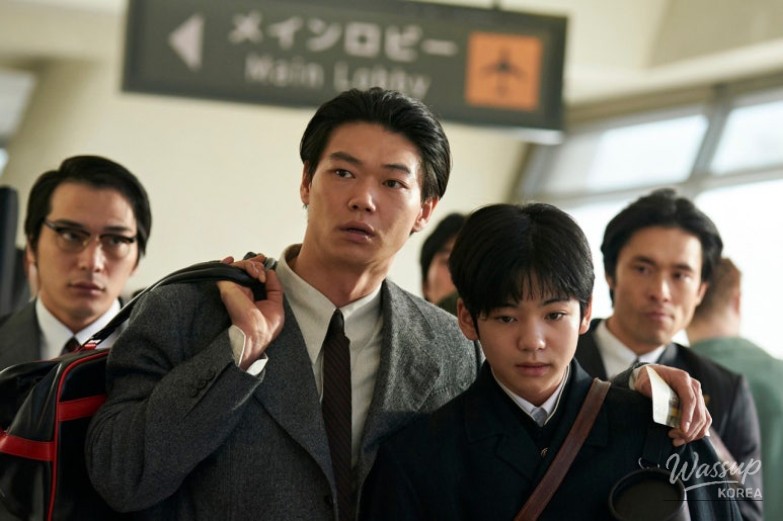
The perpetrators idolize the Japanese manga 'Tomorrow's Joe,' frequently referencing it throughout the film.
This manga tells the story of Joe Yabuki, an orphan living a rough life in the slums, who takes up boxing after meeting a former boxer.
The manga's popularity among young people at the time was immense.
The famous line, 'I burned it all white,' is said to have originated from 'Tomorrow's Joe.'
In any case, it's a manga that represents the will to persevere and challenge impossible situations even in the face of adversity.
The hijackers overestimate themselves as such figures, and the sight of a young middle school student holding a gun reveals the hypocrisy of their actions.
Even in the scene where the air traffic controller who directed them to Gimpo Airport meets them inside the plane, 'Tomorrow's Joe' plays a significant role.
The juxtaposition of a serious crisis with absurd heroism maximizes the irony.
To draw so many stories from just one manga – applause!
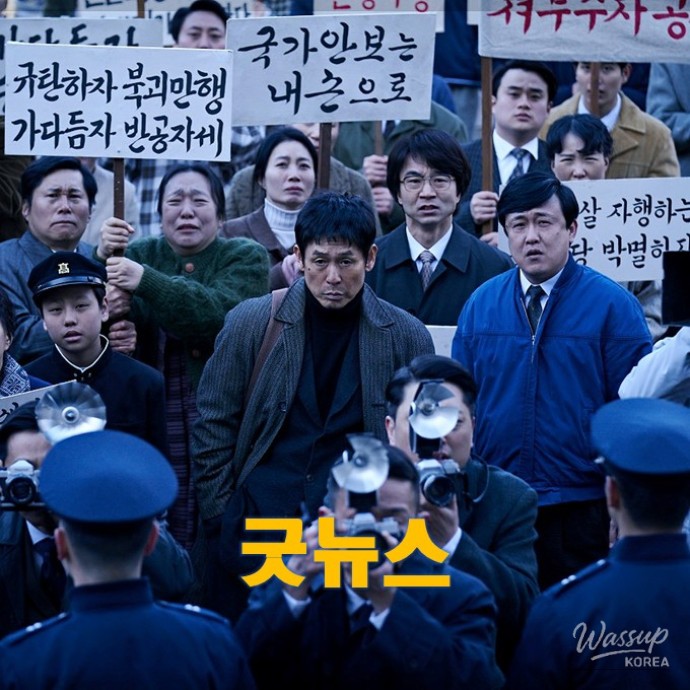
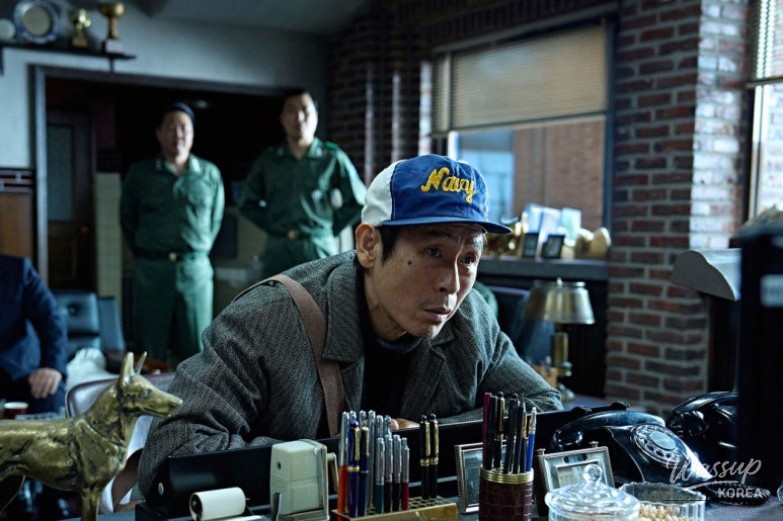
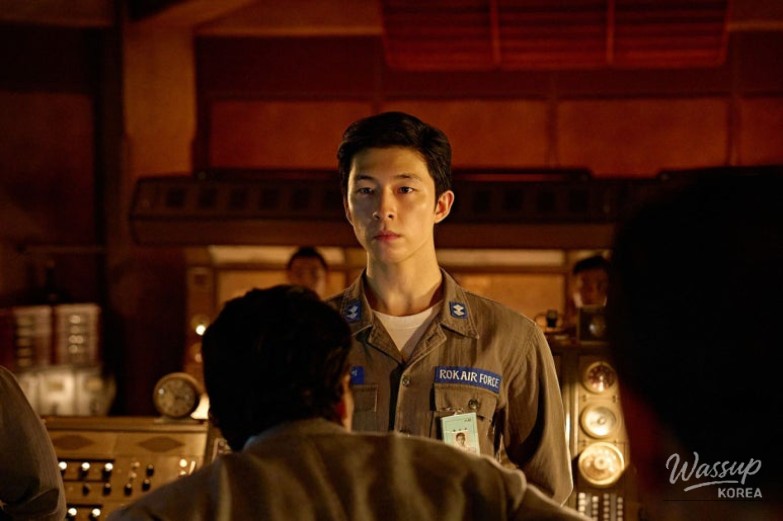
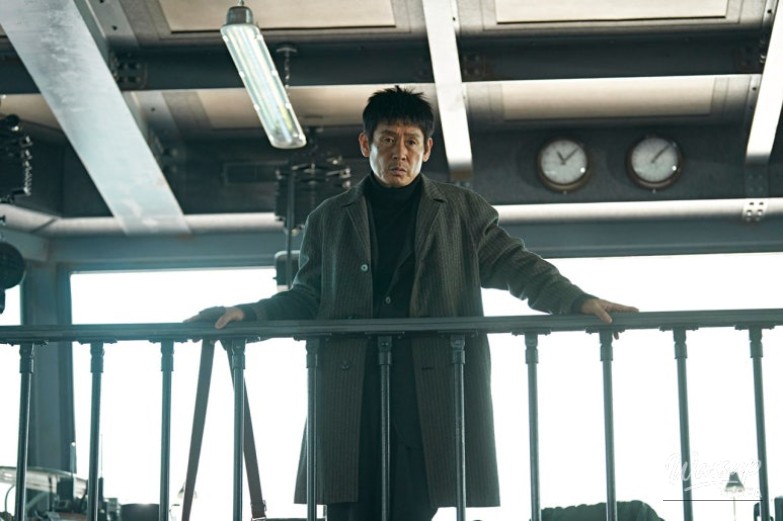
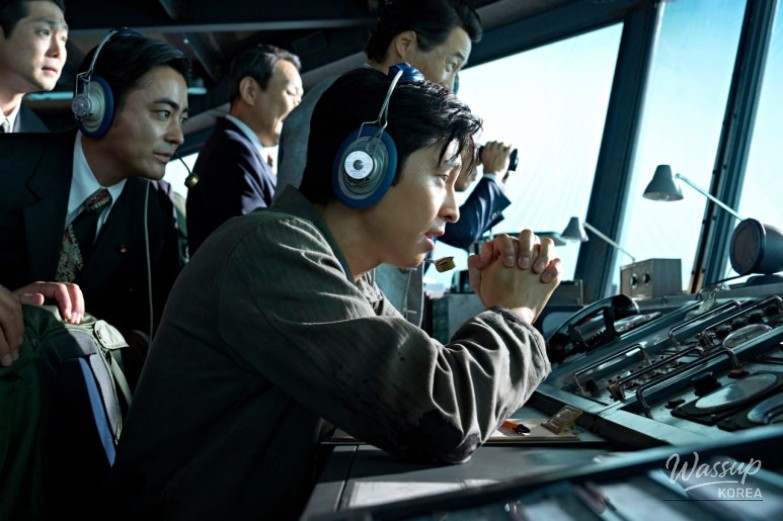
Of course, the performances of Seol Kyung-gu as the unnamed fixer and Hong Kyung as the air traffic controller were superb, easily drawing you into the story's flow.
But the highlight of the film!
They land, thinking it's Pyongyang, but a few minor mistakes expose the deception. The hijackers, in a desperate attempt, threaten to detonate themselves if they're not taken to Pyongyang.
In this critical moment, instead of the President, the First Lady appears, eliciting a standing ovation from the audience.
The First Lady, dressed like a movie star, is so reminiscent of someone we all know, and the excuse that the President couldn't attend due to a severe hangover nearly sent me reeling.
The First Lady acts as if she were the President, making critical decisions on the spot!
The film starkly portrays how they casually share the power given to them for the benefit of the people.
The director is truly bold.
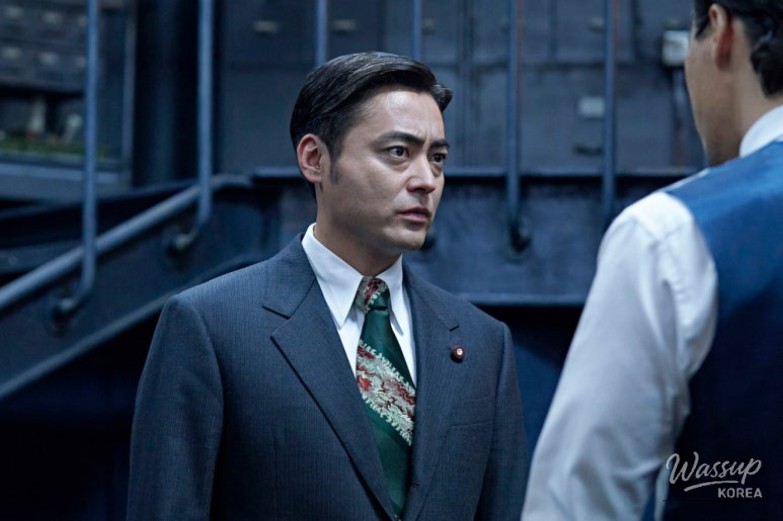
After numerous twists and turns, all the hostages are released. An anonymous hint helps the Japanese Parliamentary Vice-Minister for Transport to offer himself as a replacement hostage.
This event makes him a hero in Japan.
So, the Korean NIS does all the work, but the glory goes to the Japanese.
Our government downplays the hijacked plane incident as a mere "happening."
It might have been an unavoidable choice for the sake of international relations, but how futile.
The hijackers safely reach Pyongyang, their desired destination.
And all the guns and bombs they carried were just toys.
In any case, their plan succeeded, so it's indeed "good news" for them.
The irony created by the hypocrisy of state power and the conflicts of the Cold War.
The air traffic controller, who risked his life running around, imagines the result will be glorious, but instead, he is given a presidential watch and that's the end of it.
And the anonymous person, who had to live like a ghost without a Korean ID card, finally gets a resident registration card.
Ideology, cause – none of that matters.
Perhaps it's all a lie.
The film paradoxically emphasizes that what truly matters is sincerity, suggesting that the real "good news" is always bad news.
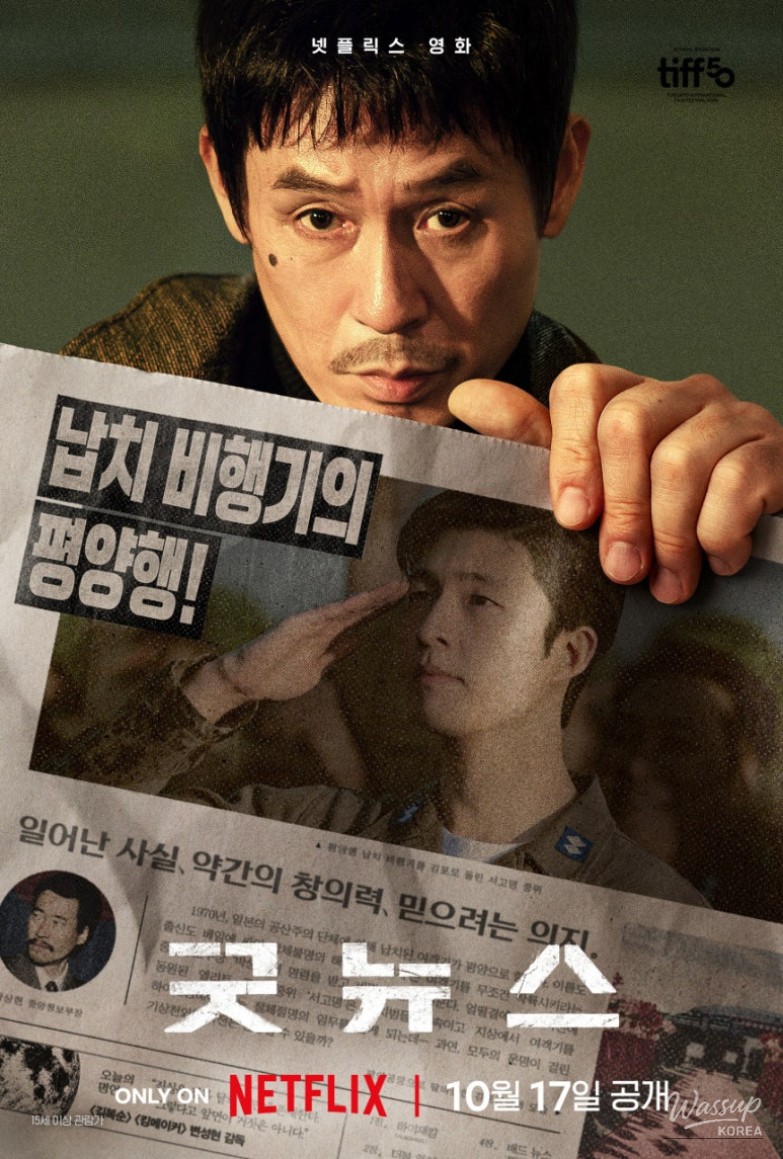
Netflix's movie 'Good News' is genuinely worth watching.
Funny moments are like honey pots, continuously being discovered.

Release Date: 2025.10.17
Rating: 15+
Channel: Netflix
Runtime: 136 minutes
Director: Byun Sung-hyun
Cast: Seol Kyung-gu, Hong Kyung, Ryu Seung-beom







More from K-life





No comments yet.