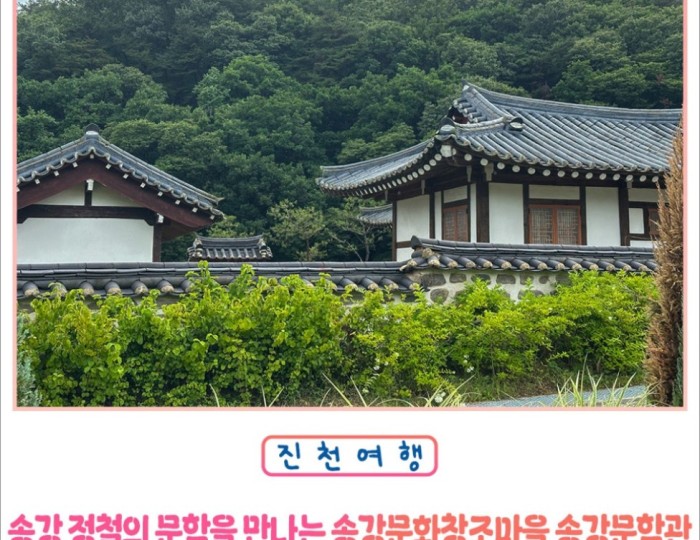
Visiting Dachun Confucian Academy: Honoring the Spirit of Patriotism



Hello, this is reporter Jo Yeon-woo. Today, in celebration of June, the month of national defense and remembrance, I visited Dachun Confucian Academy (Dachun Seodang) located in Gajomyeon, Geochang-gun, Gyeongsangnam-do.
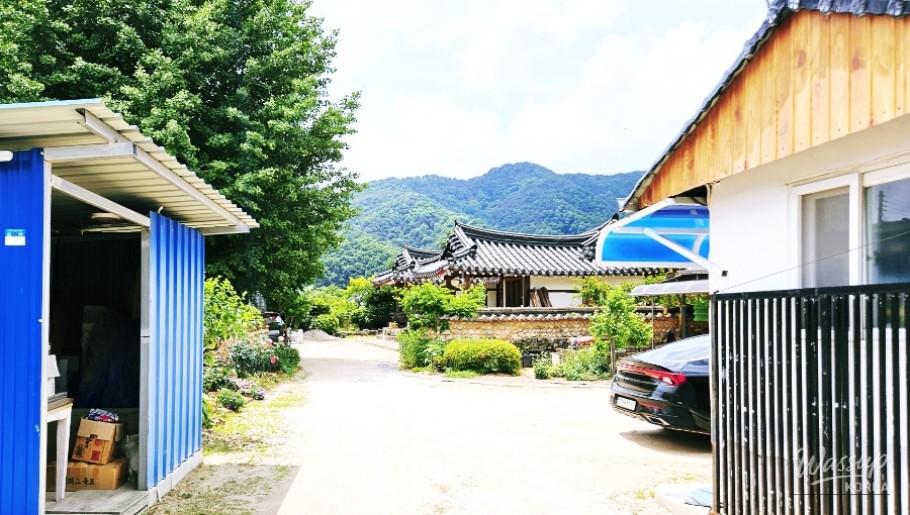
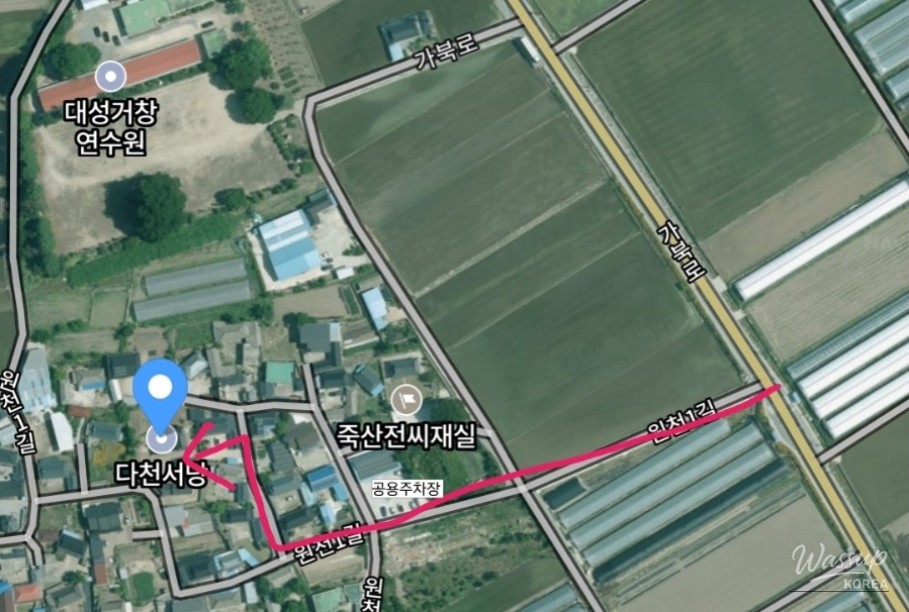
To the east of Dachun Confucian Academy, there is an open area allowing for easy access.
Although it may be a place that is often overlooked, it is a designated national memorial site by the Ministry of Patriots and Veterans Affairs, honoring the patriotic spirit of Master Kwak Jong-seok, who dedicated himself to the independence of our country during the Japanese colonial period. I took some quiet time to reflect on the spirit of the independence activists.
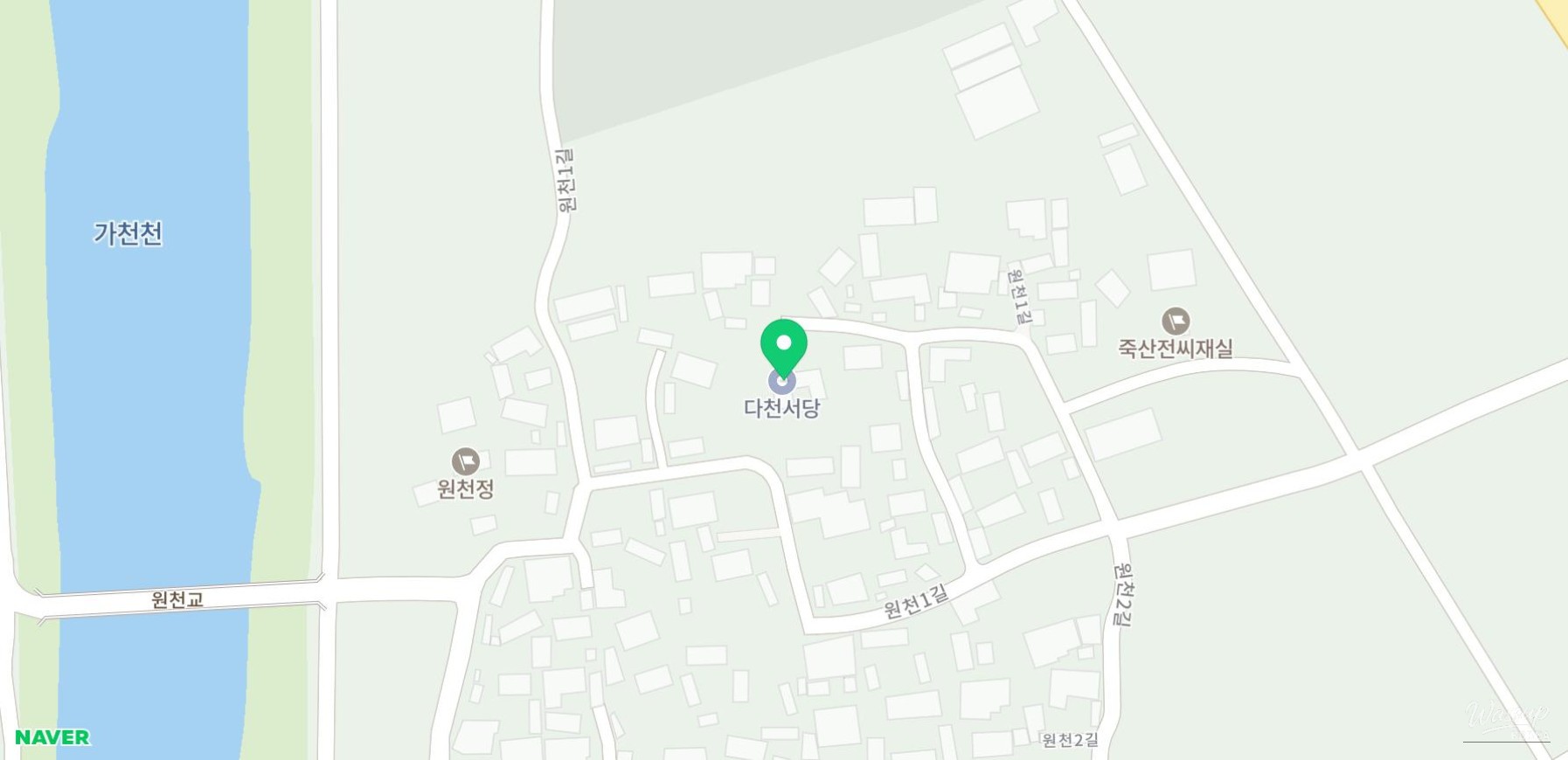
Dachun Confucian Academy (Dachun Seodang) is located at 64 Woncheon 1-gil, Gajomyeon, Geochang-gun, Gyeongsangnam-do.
Dachun Seodang was established in 1921 by disciples of the Confucian scholars to commemorate Master Kwak Jong-seok. Today, it serves as an educational space honoring his academic achievements and spirit of independence.
The Ministry of Patriots and Veterans Affairs designated this site as a memorial related to the independence movement in 2002.
Upon entering the academy, you can naturally feel the essence of Confucian virtue and patriotism in the serene atmosphere.
Who was Master Kwak Jong-seok?
Master Kwak Jong-seok (1846–1919) was a prominent Confucian scholar and independence activist during the late Joseon and early Korean Empire periods. Born in Sawol-ri, Dansung-myeon, Sancheong-gun, Gyeongsangnam-do, he continued the legacy of Confucianism in Yeongnam and nurtured numerous talents, including notable disciples such as Hwaibong Ha Gyeom-jin, Wuiam Jang Ji-yeon, and Simsan Kim Chang-suk.
His literary collection, 'Myeonwoo Jip,' consists of 177 volumes and includes 1,961 poems and 4,698 prose pieces, showcasing his vast academic achievements.
The ginkgo tree at Dachun Confucian Academy seems to embody Master Kwak Jong-seok's spirit.
The most significant achievement associated with Master Kwak is the Paris Petition Movement. After the March 1st Movement in 1919, he represented 137 Confucian scholars nationwide in drafting a petition for Korea's independence to be presented at the Paris Peace Conference. This was a diplomatic effort to inform the international community of Korea's desire for independence, rather than a military struggle.
However, this fact was discovered by the Japanese police, leading to his imprisonment in Daegu. He was released on medical parole but passed away in August of the same year in Yeojae, Gajuk-myeon, Geochang-gun.
Let us deeply reflect on the life of a man who never wavered in his quest for independence until his last moment.
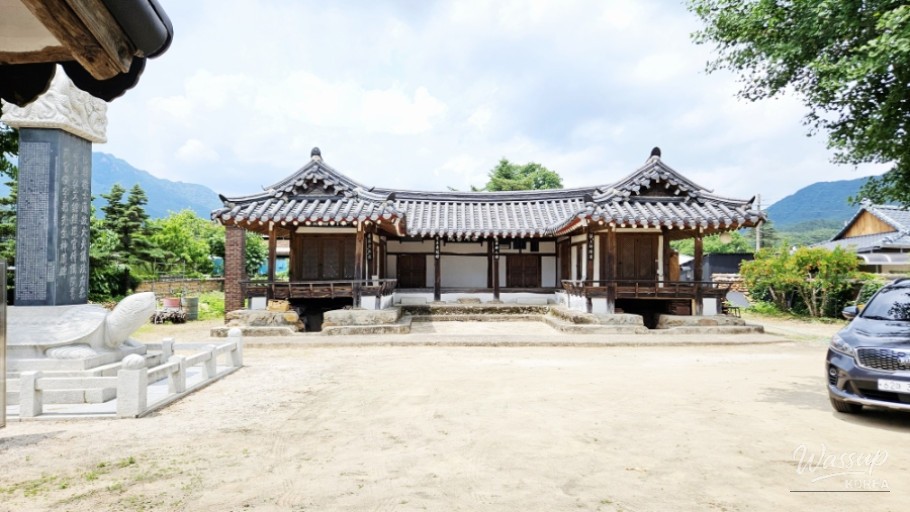
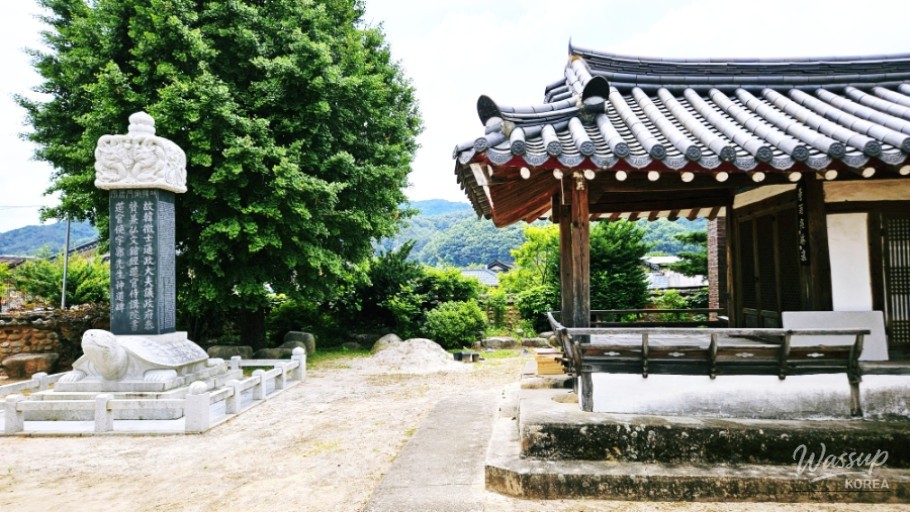
Within the academy grounds, there is a stele erected in 1979, funded by Confucian scholars nationwide, to honor Master Kwak's academic virtue and patriotism.
The inscription on the stele encapsulates his spirit, which strove for national independence amidst adversity.
Especially, the village of Dajeon in Gajuk-myeon, where Master Kwak resided, is known today as a sacred site for Korean Confucian independence movements.
Visiting Dachun Confucian Academy the day after Memorial Day in June allowed me to learn about history and reflect on the significance of the independence movement. Surrounded by the peaceful aura of the beautiful stone walls in Woncheon Village, I pay tribute to the spirits of those who dedicated their lives for the nation.
Here are some images from my visit:
Source :https://blog.naver.com/geochanggun/224308703567
No comments yet.