Top 4 Stargazing Spots in Korea
강원특별자치도 강릉시 왕산면 대기리 2214-96
안반데기



Why February Is Perfect for Stargazing
The winter nights of February boast exceptionally clear and deep skies. Thanks to the cold air, the atmosphere becomes more transparent, making the starlight shine brighter than ever. A journey into nature, away from the artificial lights of the city, offers a special experience that rekindles the romance and excitement we often forget. This time of year, a stargazing trip provides great comfort and inspiration as we embark on a new year.
In particular, at high altitudes or places free from light pollution, the Milky Way and constellations can be seen with the naked eye, enhancing the uniqueness of these locations. Among stargazers, February is often referred to as 'the season for astronomical observation,' making it an ideal time for star gazing. The moment you pitch a tent and look up at the night sky, you realize just how beautiful the heavens truly are.
The Best Places to See the Milky Way in Korea
Today, let's explore the best four spots for witnessing the dazzling Milky Way.
1. Anbandegi, Gangneung
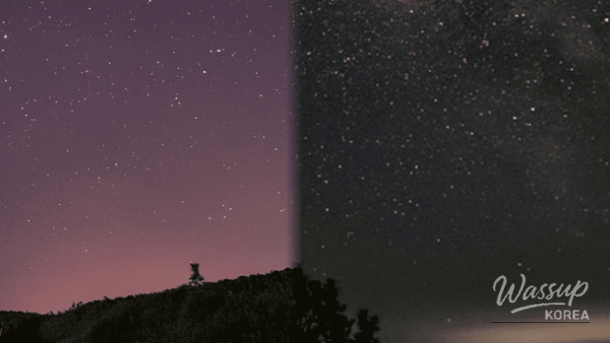
Anbandegi in Gangneung is famous for its stargazing opportunities. Located at an altitude of about 1,100 meters, it is easily accessible by car. The wide-open terrain allows for unobstructed views of the starlight, making this place special.
In February, the clear and transparent winter atmosphere makes the brightness and number of stars far more distinct than in other seasons. The sight of the Milky Way adorning the night sky and the constellations visible to the naked eye provide an emotional experience that cannot be felt in the city. It is also considered one of the best places for capturing star trails.
There are also areas available for car camping, so with just a tent and camping gear, you can enjoy a simple camping experience. The moment you lie in your car under a warm blanket, gazing at the stars, will be unforgettable. However, ensure you are well-prepared for the cold winter night.
2. Hwa Jin Po Beach, Goseong
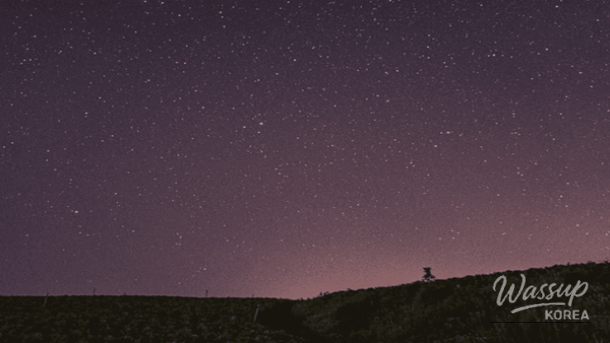
Located at the northernmost point of Gangwon-do, Hwa Jin Po Beach offers optimal conditions for stargazing due to its open structure. The 1.7 km beach is flat, allowing for comfortable views of the stars from anywhere. With no tall buildings or strong lighting nearby, the starlight shines even more brightly.
The beach in February is quiet, but this tranquility is perfect for stargazing. Gazing at the stars while listening to the sound of the waves creates an illusion of entering another world. Taking photos of the stars with the backdrop of the Chodo Lighthouse can yield artistic results.
Setting up a mat or tent to enjoy the stars, or savoring a warm cup of coffee while embracing the romance of a winter night, is highly recommended. As the wind can be strong, a windbreak tent or warm coat is essential. Don't miss the beautiful winter night scenery where the stars meet the waves at Hwa Jin Po Beach.
3. Jo Kyung Cheol Observatory, Hwacheon
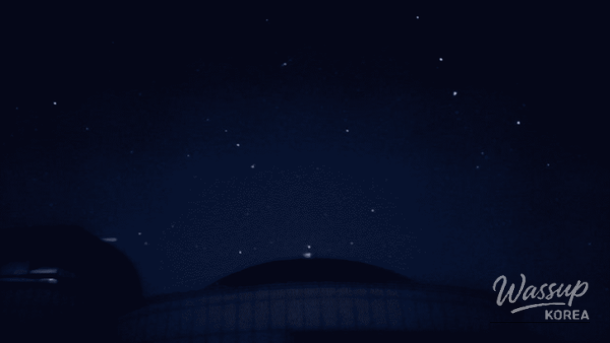
Located in Hwacheon, the Jo Kyung Cheol Observatory is the highest citizen observatory in Korea and is renowned for stargazing. At an average altitude of over 1,000 meters, it has an environment almost free of light pollution, making it ideal for astronomical observation. Named after astronomer Jo Kyung Cheol, it is known for its expertise and reliability.
The observatory features a large telescope with a diameter of 1 meter, allowing for observations of globular clusters, the Milky Way, and even parts of planets on clear days. It is an engaging place for both beginners and children interested in stars.
Reservations can be made in advance through the observatory's official website, and the entrance fee is relatively affordable. Observing stars with expert guidance provides a unique and moving experience. If you want to see the stars up close and deeply, Jo Kyung Cheol Observatory is a must-visit.

4. Windy Hill, Maebongsan, Taebaek
Located at an altitude of 1,286 meters, Windy Hill on Maebongsan in Taebaek is a sacred place for stargazing, offering an exotic landscape reminiscent of the European Alps. In winter, the white snow covers the ground, creating a pristine world where thousands of starlights descend, creating a cinematic scene.
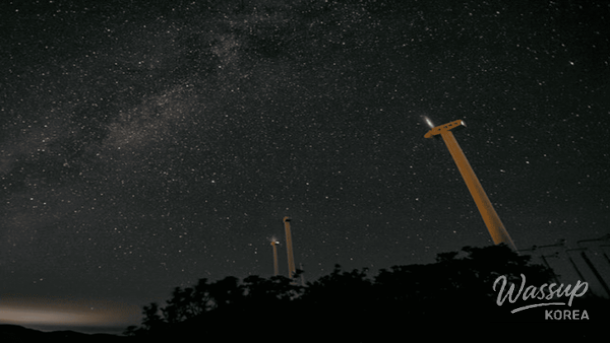
With vast hills and wind turbines, this area is also famous among photographers for capturing the Milky Way and star trails. On clear nights, the Milky Way unfolds vividly, creating a fantastic frame with the wind turbines. It is highly recommended for those who wish to capture star photos.
In winter, the roads can be slippery due to snow, so thorough vehicle checks and winter gear preparation are advisable. Although the path may be a bit rugged, the sight of starlight from the summit will make you forget any hardships. Experience the meeting of cold air and starlight at Windy Hill this winter.
No comments yet.