The Origin City of Red Oden: Jecheon



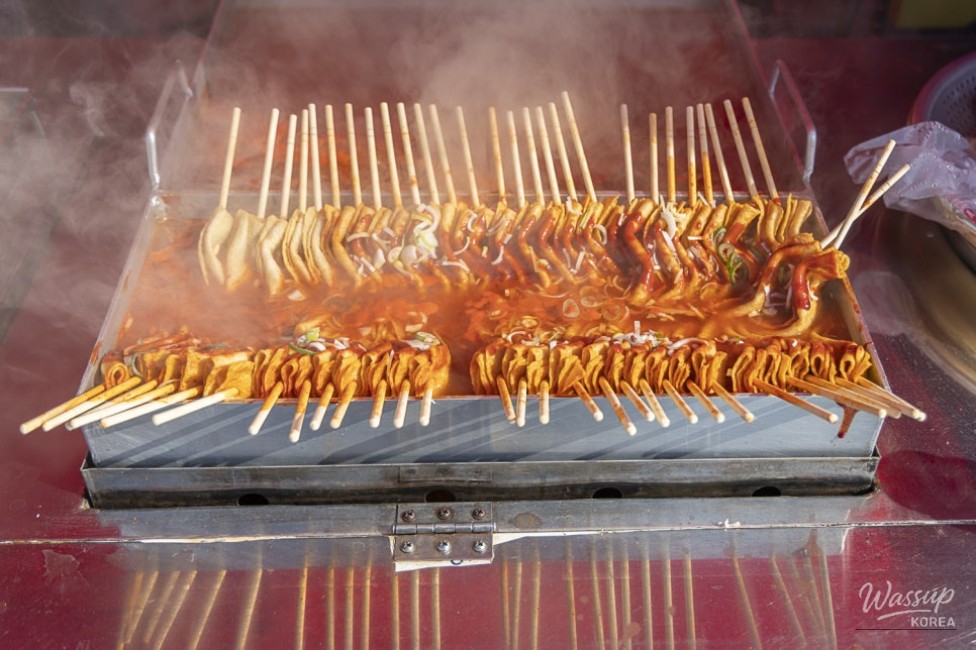
Jecheon is the original city of red oden. While many places across the country sell spicy fish cakes, Jecheon is unique in branding the name 'Red Oden' and hosting a festival around it. This year, the 2nd Red Oden Festival is being held from Saturday, February 28 to Monday, March 3, at the Jecheon Station Square, just like last year. On the first day of the event, I visited the festival site.
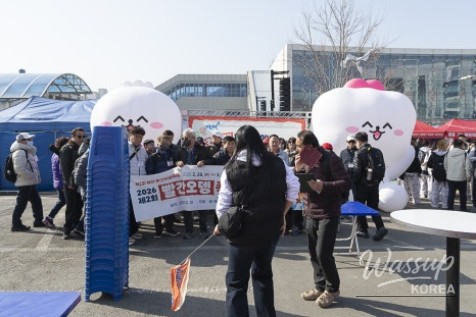
The opening ceremony was scheduled to start at 11 AM, but even before that, many tourists and locals flocked to the event area, making it quite crowded.
At one side of the venue, a stage featured a Nanta performance and a lively dance by local students, enhancing the festive atmosphere of the Red Oden Festival.
In 2021, Jecheon registered 'Jecheon Red Oden' as a trademark with the Korean Intellectual Property Office, solidifying its position as the original city.
Since the festival is held in front of Jecheon Station, the area was bustling with people arriving by train to attend the Red Oden Festival. Even during the opening events, the venue was filled with attendees arriving by train and groups renting tour buses.
Red Oden is said to have originated from street vendors near Jecheon Central Market about 40 to 50 years ago. Known for its spicy flavor, it became popular among locals, especially during the cold winters in Jecheon, often referred to as 'Jeberia.' It is believed that when fish cakes from the southern regions were distributed to the metropolitan area, they began applying red seasoning to preserve the fish cakes and enhance their flavor.
As Jecheon's Red Oden gained fame through popular YouTubers, it is now widely recognized as the original taste of Jecheon.
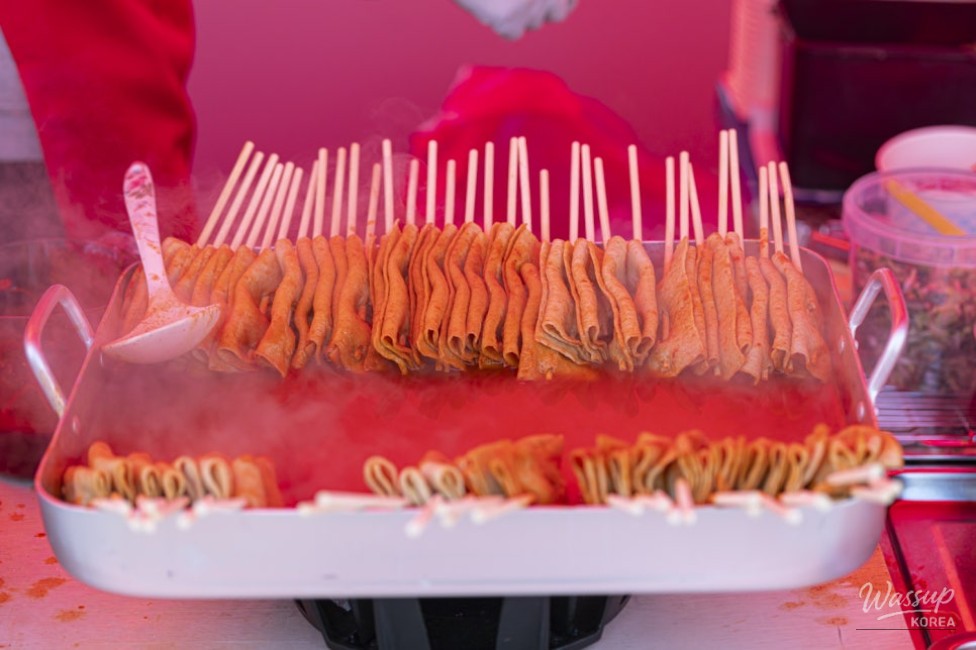
Unlike typical fish cakes, Jecheon's Red Oden is characterized by its spicy and savory sauce. It features a secret sauce that is not just simple gochujang but has a spicy yet sweet taste.
At the festival, the prices for Red Oden and water oden are uniform across all participating vendors, ensuring that visitors won't be overcharged regardless of where they choose to eat. However, the prices for unique menu items may vary by vendor.
A 4-year-old was enjoying the oden, and I got permission from the parents to take a photo. It was too cute to miss!
Some families ordered a variety of dishes, including Red Oden, fish cakes, tteokbokki, gimbap, buckwheat pancakes, fried foods, sundae, and silkworm larvae, creating a bountiful spread.
In addition to Red Oden and water oden, the festival offers a wide range of foods, including tteokbokki, silkworm larvae, potato dumplings, chicken gizzards, seafood pancakes, grilled chicken skewers, chicken feet, sundae, and various fried items.
If you can't make it to the 2nd Red Oden Festival in Jecheon, you can still taste it at the Central Market and Naito Market area. After enjoying Red Oden, you can explore the historic Iri Reservoir from the Samhan era, visit Cheongpung, ride the Cheongpung Lake Cable Car to the summit of Geumsusan, and admire the picturesque scenery of Cheongpung Lake. You can also visit the Cheongpung Cultural Heritage Complex, which showcases the lives of our ancestors, cross the Oksoondong Bridge to see the beautiful views of Geumsusan and Oksoondong. This will surely make for a memorable trip to Jecheon.
Source :https://blog.naver.com/cbkb21/224200406061
No comments yet.