Remembering Sacrifice: The Gwangbok Memorial Tower in Dangjin



June, when everything turns a deep shade of blue, is the 'Month of National Defense and Veterans,' a time to remember the noble sacrifices of those who dedicated themselves to the country.
While the term 'veterans' often evokes solemn and heavy scenes of remembrance, there is a special place in Dangjin City where we can encounter the history of independence in a very natural and close manner.
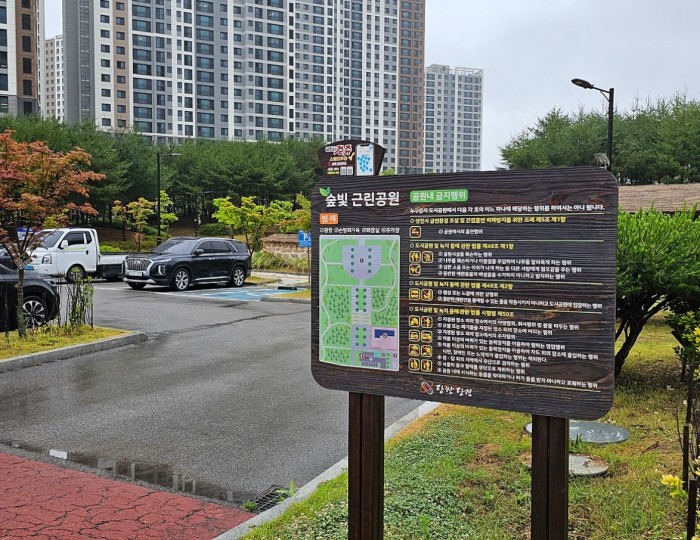
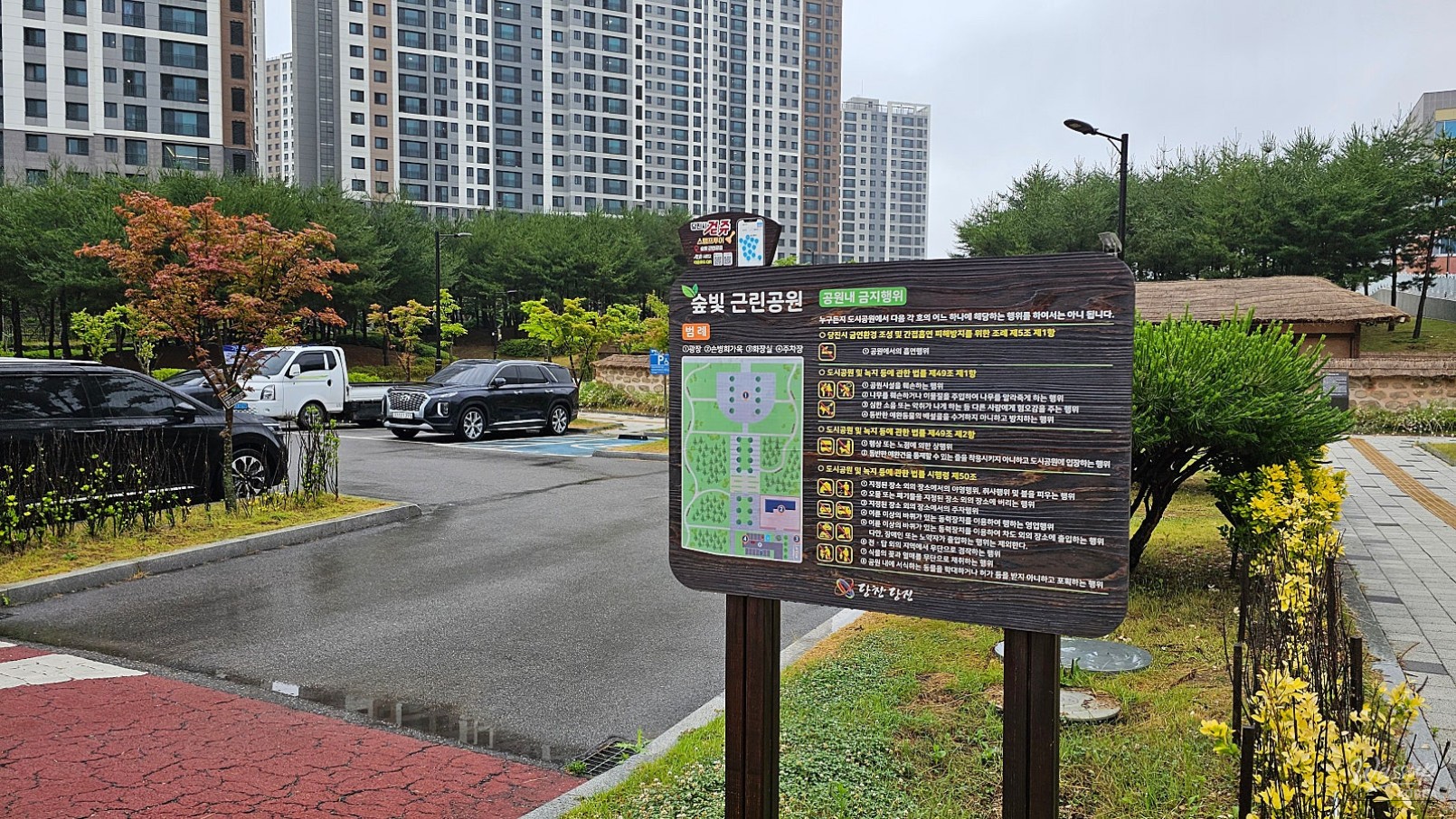
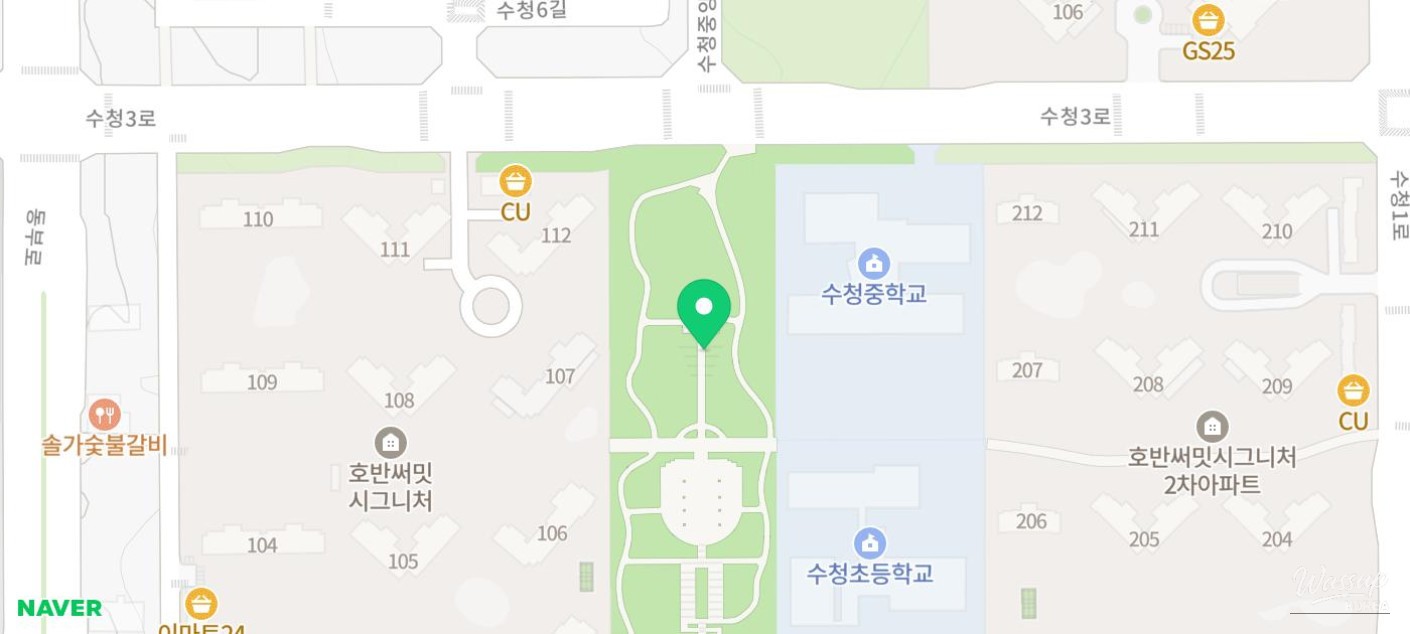
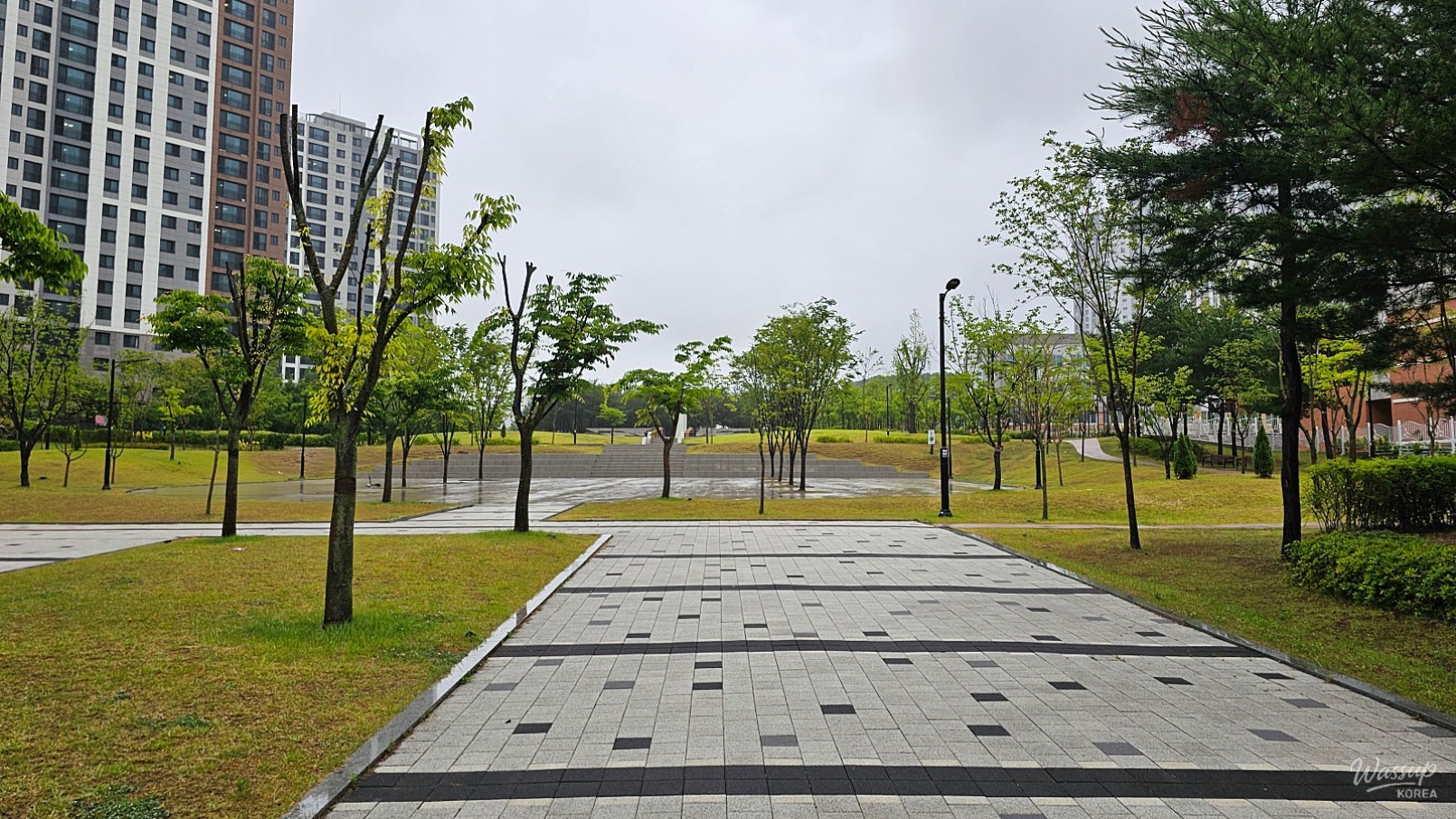
Located in the Suchungdong Forest Light Neighborhood Park, the 'Dangjin Gwangbok Memorial Tower' stands out as a dynamic monument that seems to unfold like a panorama along the green park. This site is not merely a stone structure preserving the past; it is a multi-dimensional cultural space that brings the fervent anti-Japanese history of Dangjin and the spirit of independence to the heart of the city. In honor of the Month of National Defense and Veterans, I took a walk to reflect on its significance, following the proud spirit of independence that blooms in the green forest trails of Dangjin.
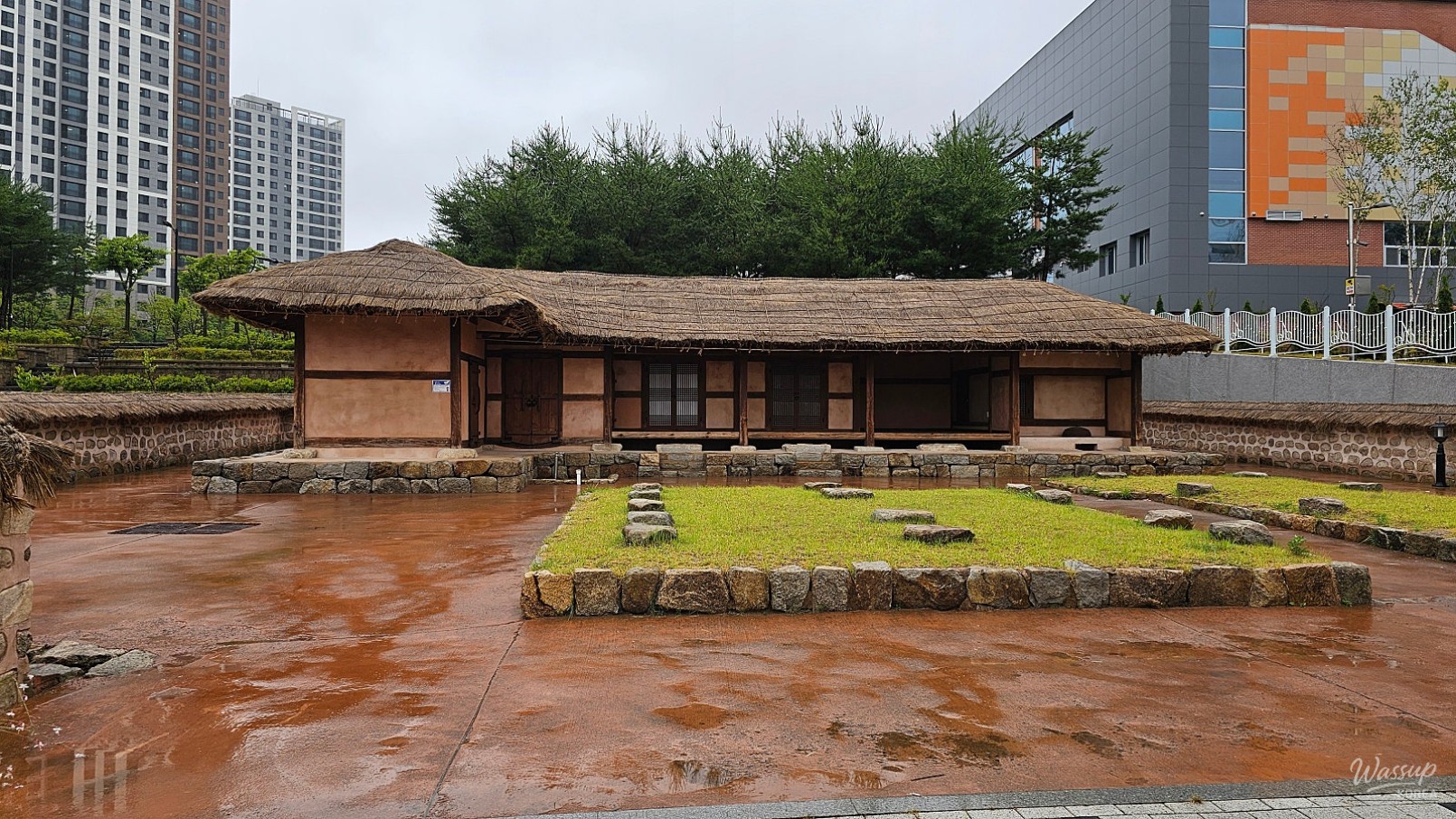
As I made my way to the Dangjin Gwangbok Memorial Tower, I encountered an old house that seemed somewhat out of place in the lowest part of the park.
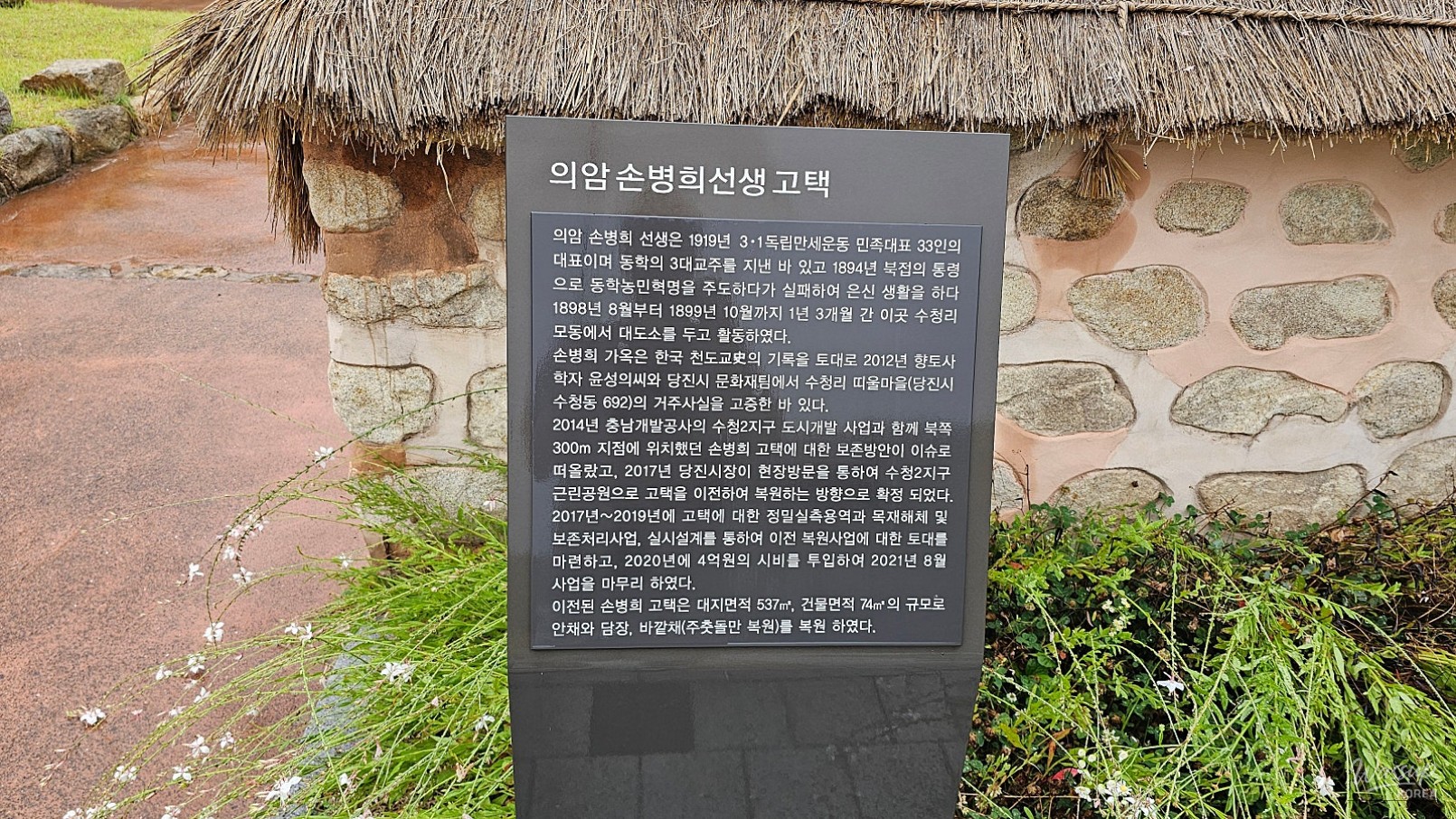
This house belonged to 'Uiam Son Byeong-hee,' a representative of the 33 national leaders of the March 1st Independence Movement and a former leader of the Donghak religion.
If you visit the park, be sure to check out the Gwangbok Memorial Tower and this historical house at the bottom.
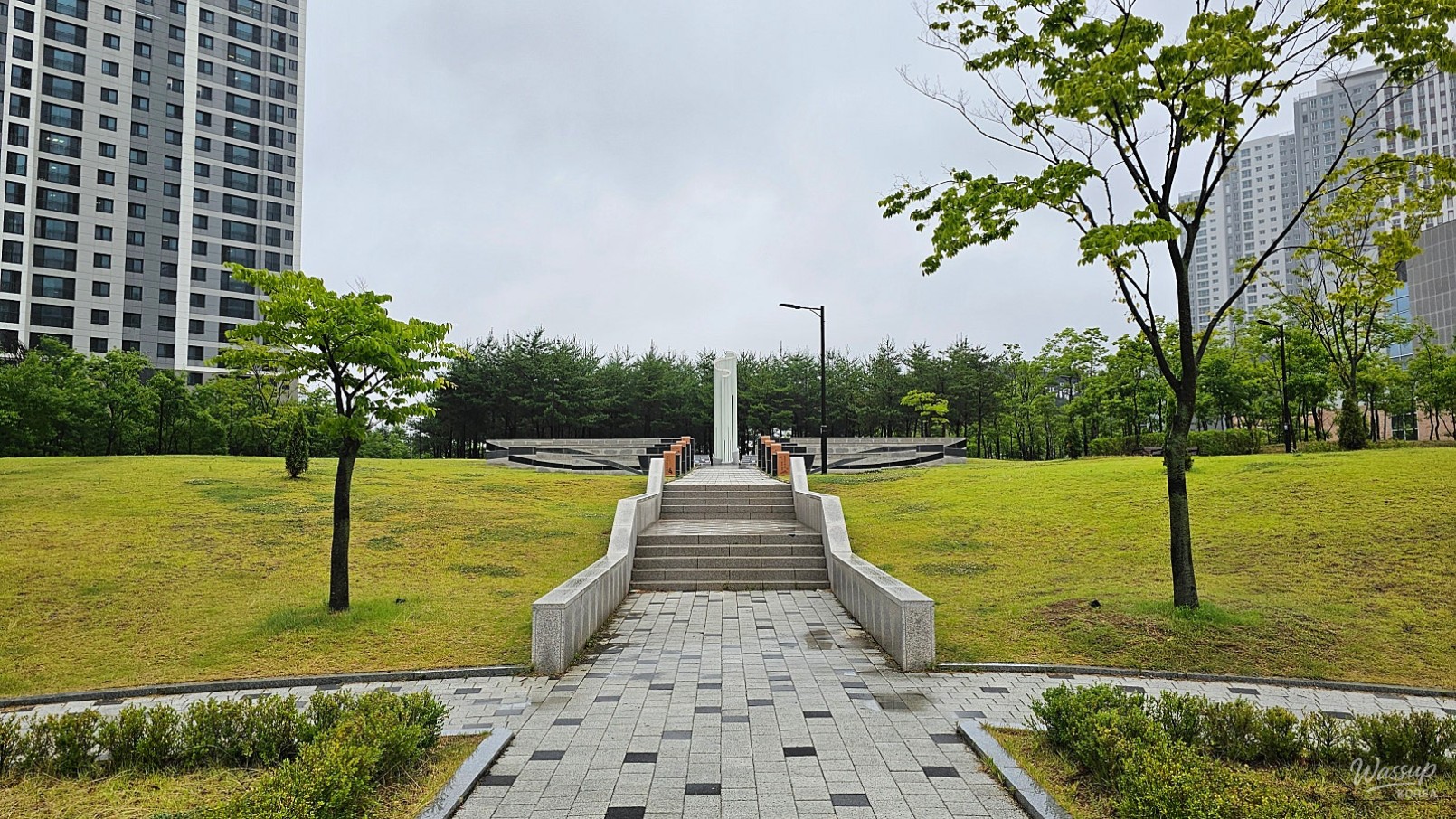
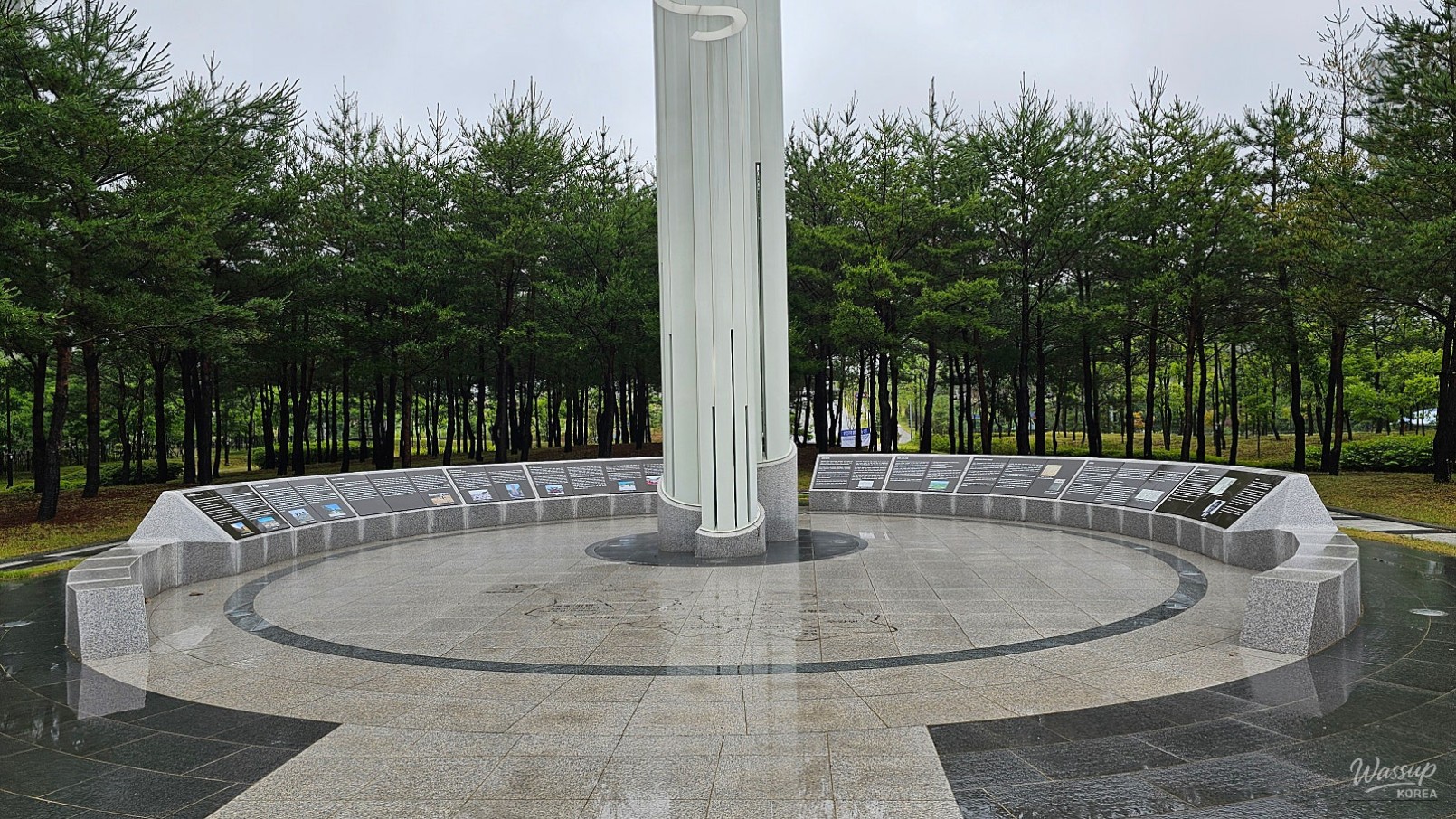
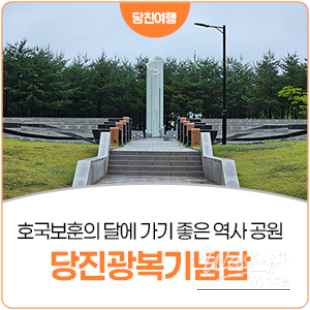
Continuing along the path that leads to the top center of the park, I found the 'Gwangbok Memorial Tower' that I intended to introduce.
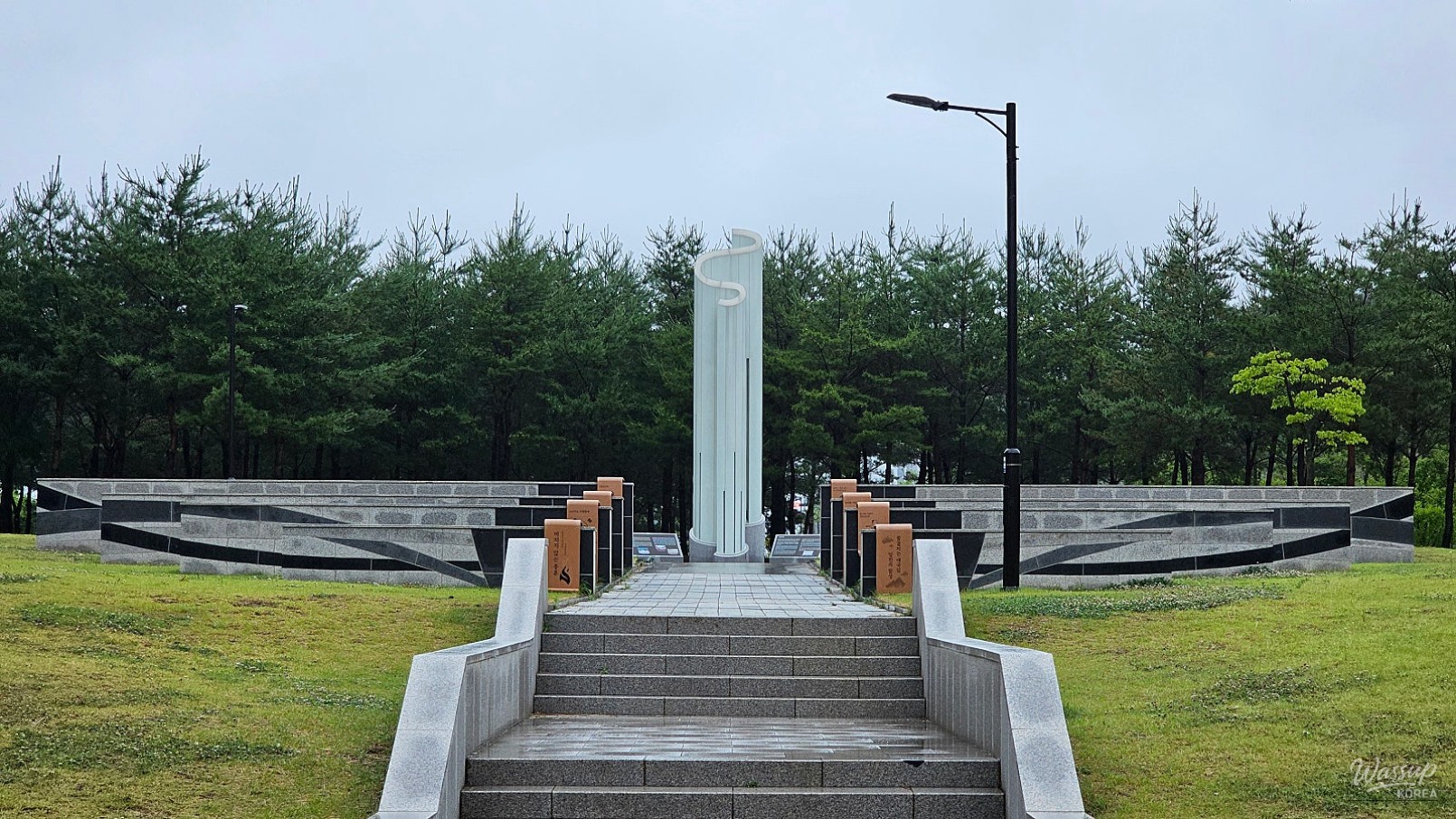
The Dangjin Gwangbok Memorial Tower, newly established in August 2024, is significant as it transcends the rigid space of a memorial, blending the park and history into a complex cultural space. The design reflects the shape of the Taegukgi (Korean flag) unfolding with light.
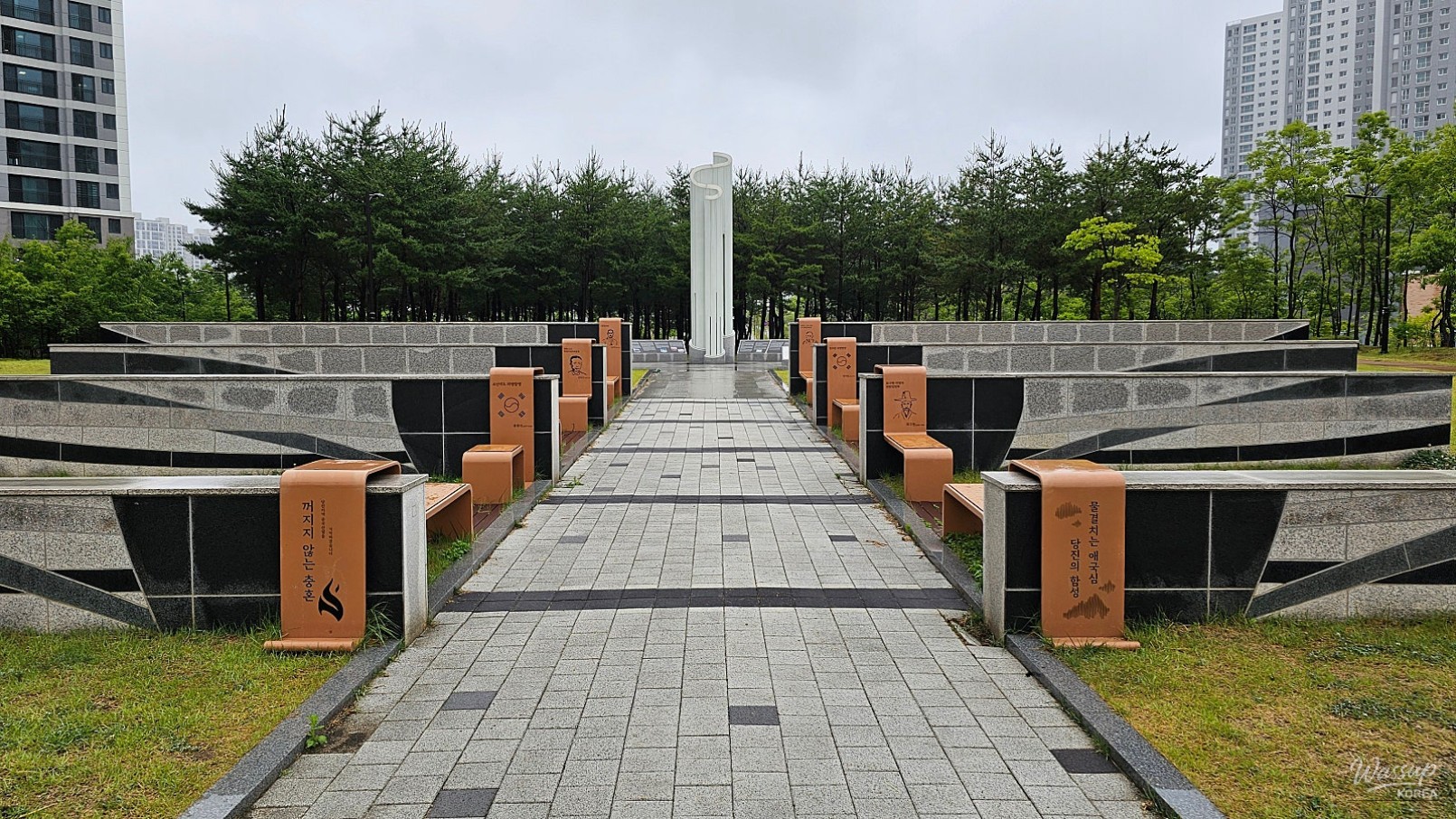
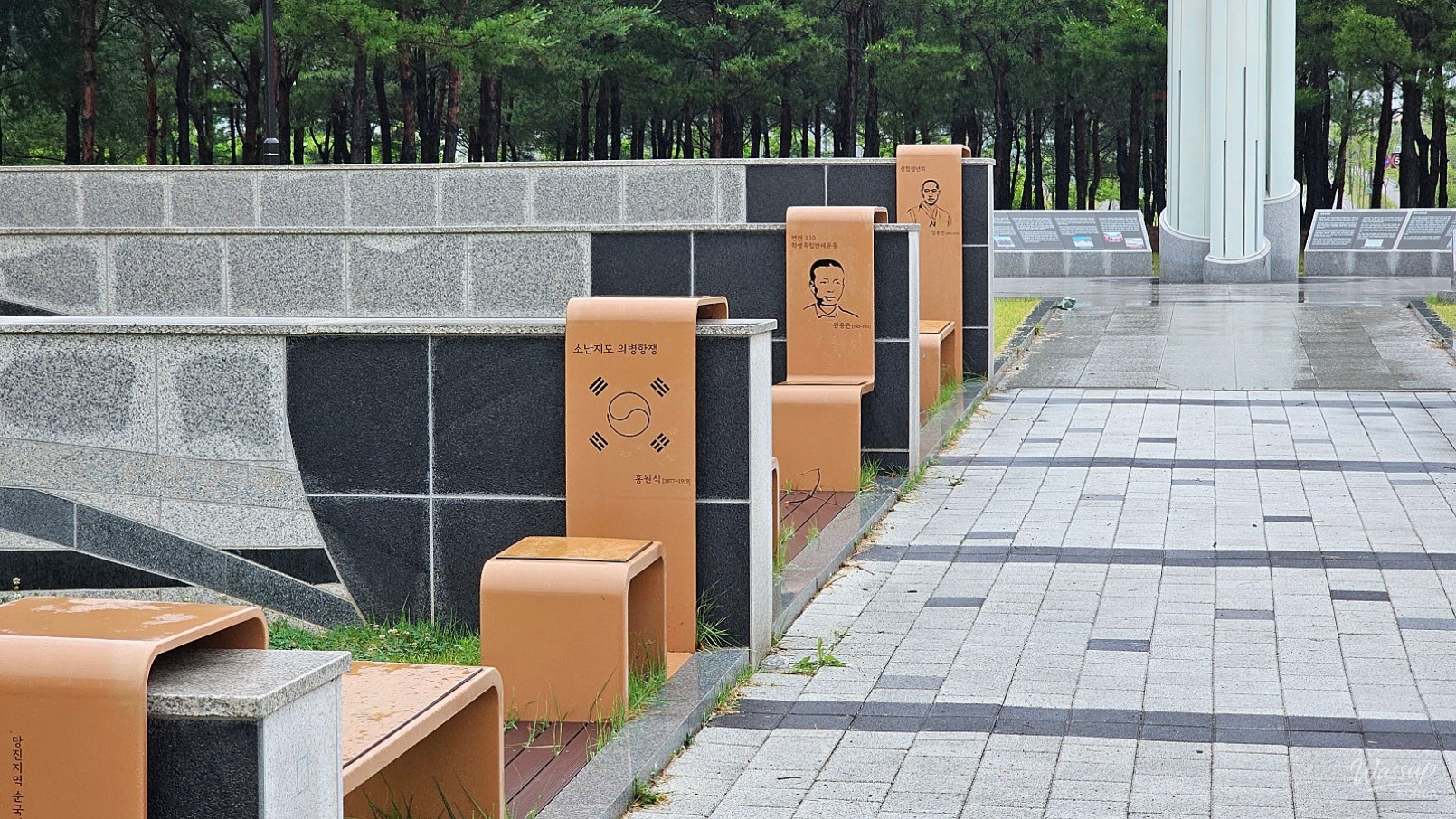
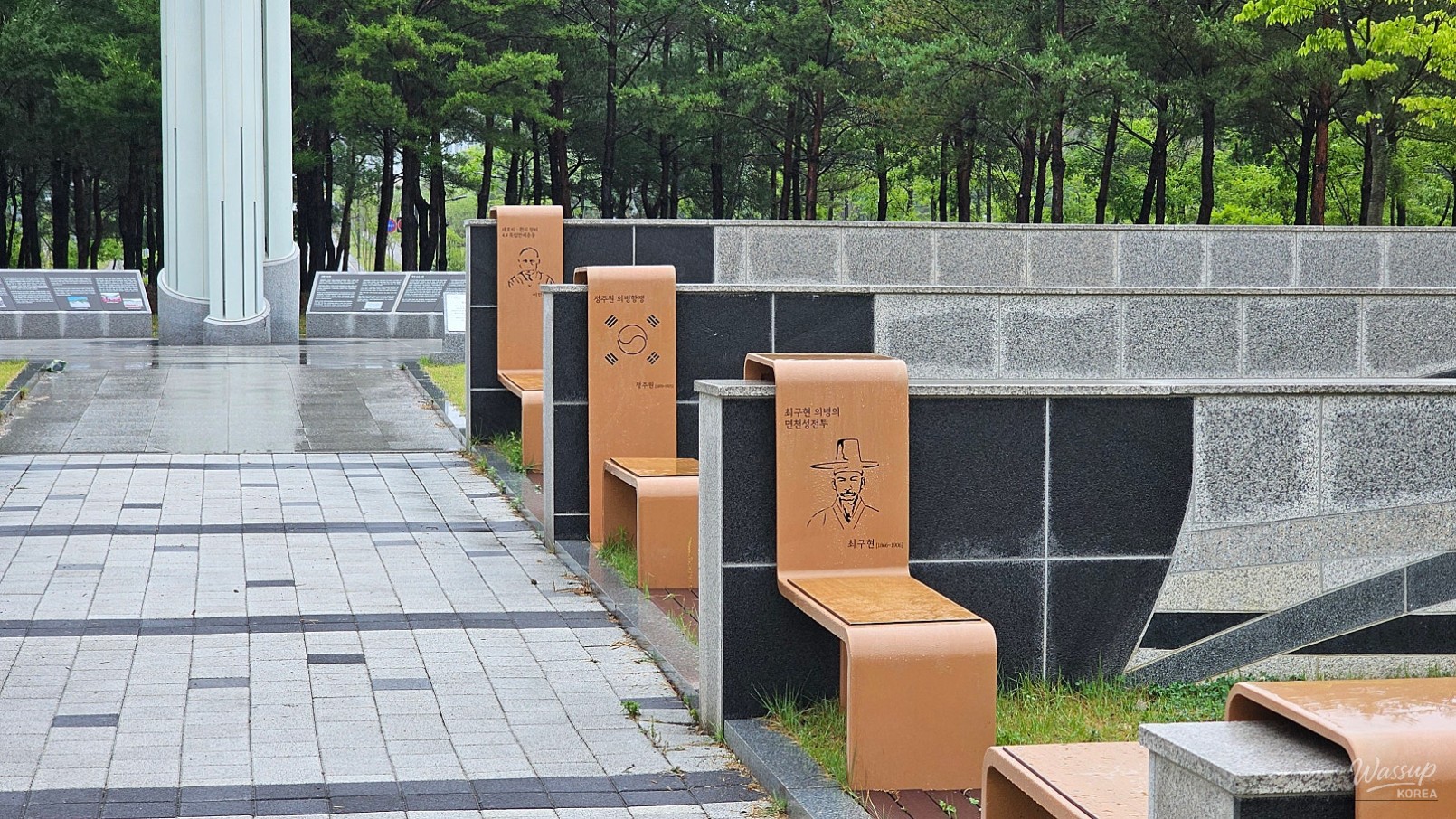
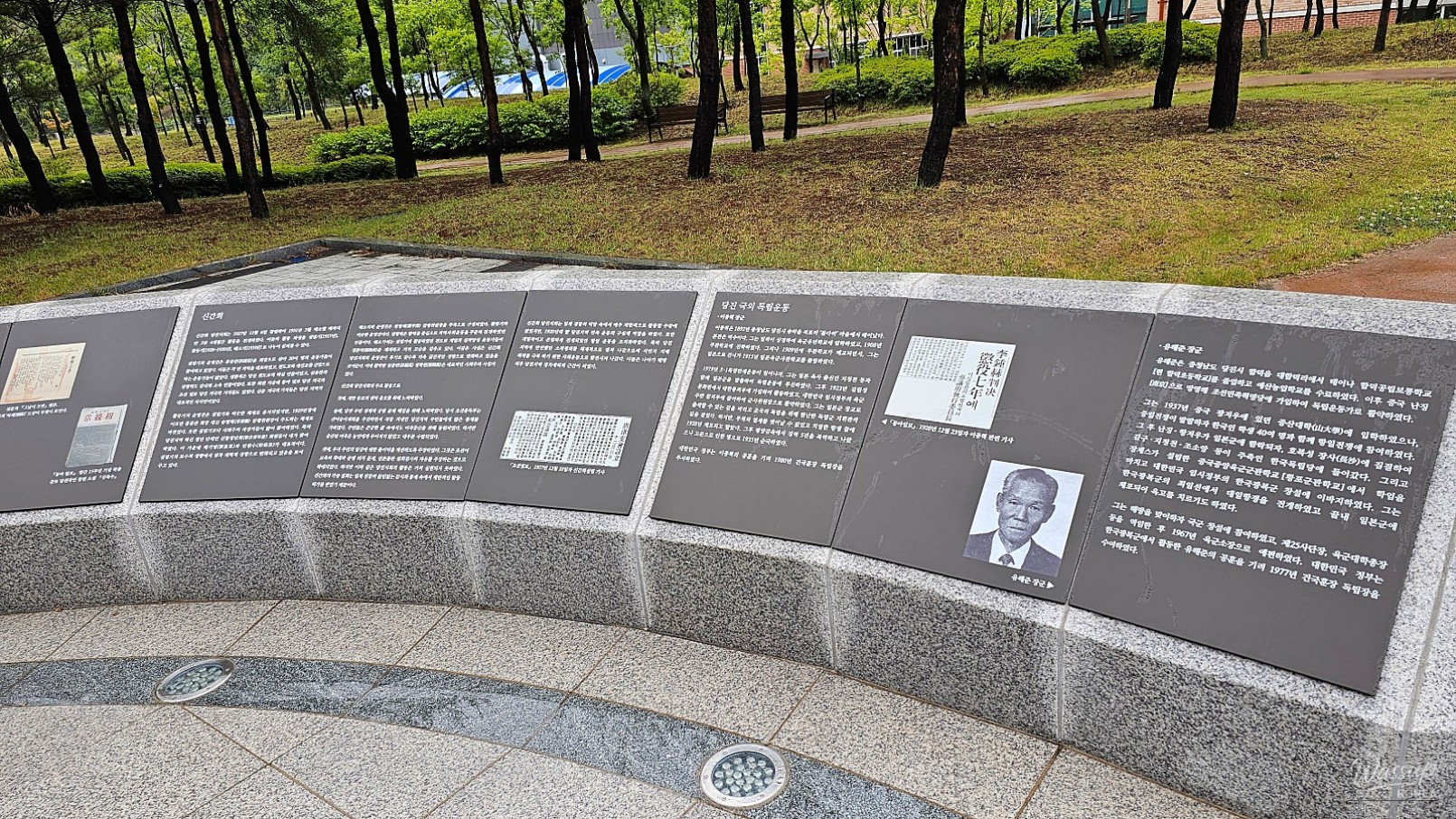
The memorial wall surrounding the tower records the history of the anti-Japanese movement, including the names of independence activists from the Dangjin area.
Notably, it documents General Yoo Hae-jun, born in Haduk-eup, who led the Korean Liberation Army in the fight against Japan, and General Lee Jong-hyuk, who was born in Songak-eup in 1892 and served as the military chairman of the Korean Provisional Government's Army, who passed away in 1935 due to illness from torture.
The memorial wall also highlights members of the New Korea Association, active from its founding on December 6, 1927, until its dissolution in March 1931, and the activities of Shim Hoon, who participated in the March 1st Movement, as well as the Dangjin Tenant Association and the New Hapcheong Youth Association.
Dangjin City has also held meetings with the memorial project committee and residents to create a park that not only commemorates independence but also serves as a space for citizens' relaxation. It appears that ample time was taken to share and exchange opinions before establishing this area. As a result, it feels like a park where history and relaxation coexist.
As I explored the Dangjin Gwangbok Memorial Tower and the Suchungdong Forest Light Neighborhood Park, I was most impressed by the realization that history is not far removed from our daily lives.
In one corner of the park, children rode scooters, while the memorial tower today protects the spiritual roots of Dangjin, just as the Haemi Fortress did 600 years ago. The countless names of independence activists engraved on the memorial wall serve as an unseen stronghold for us living freely today. This June, take a walk through the Suchungdong Forest Light Neighborhood Park with your family. Simply capturing the grateful sky of June will be a meaningful act of remembrance.







Source :https://blog.naver.com/dangjin2030/224325550515
No comments yet.