Exploring the Historic Seowons of Goesan
- Original source
- blog.naver.com


[ Goesan Travel ]
Must-Visit Places in Goesan County
The Historic Seowons of Goesan: A Place to Learn the Spirit of Confucian Scholars
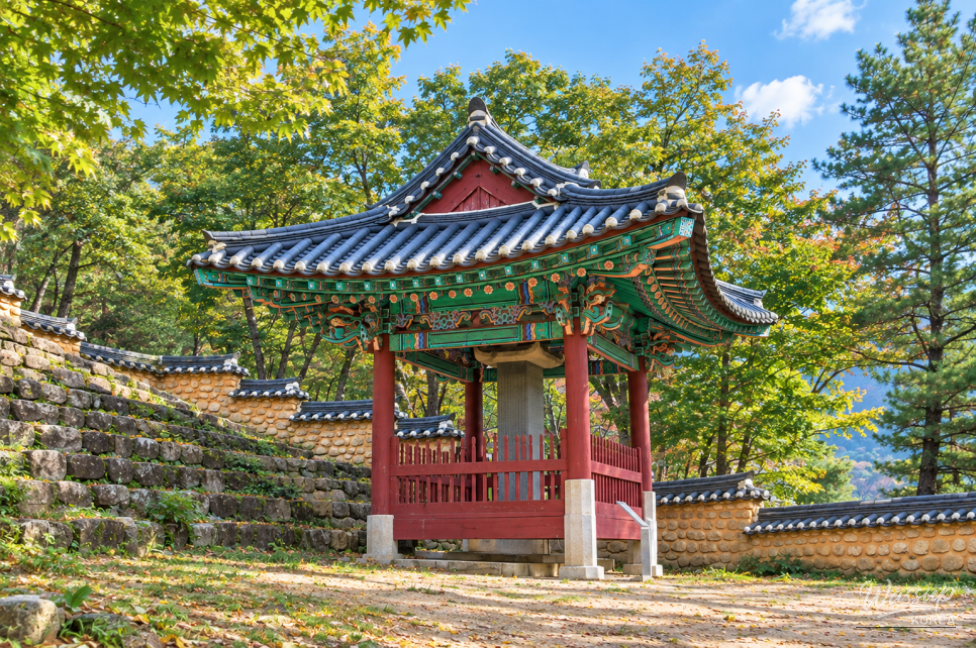
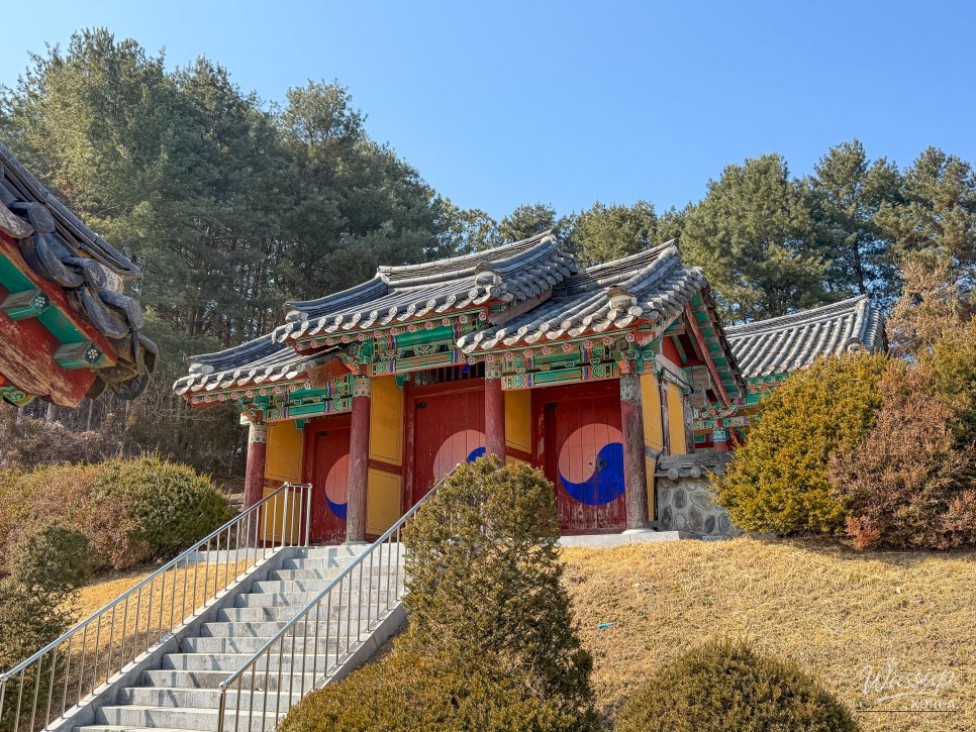
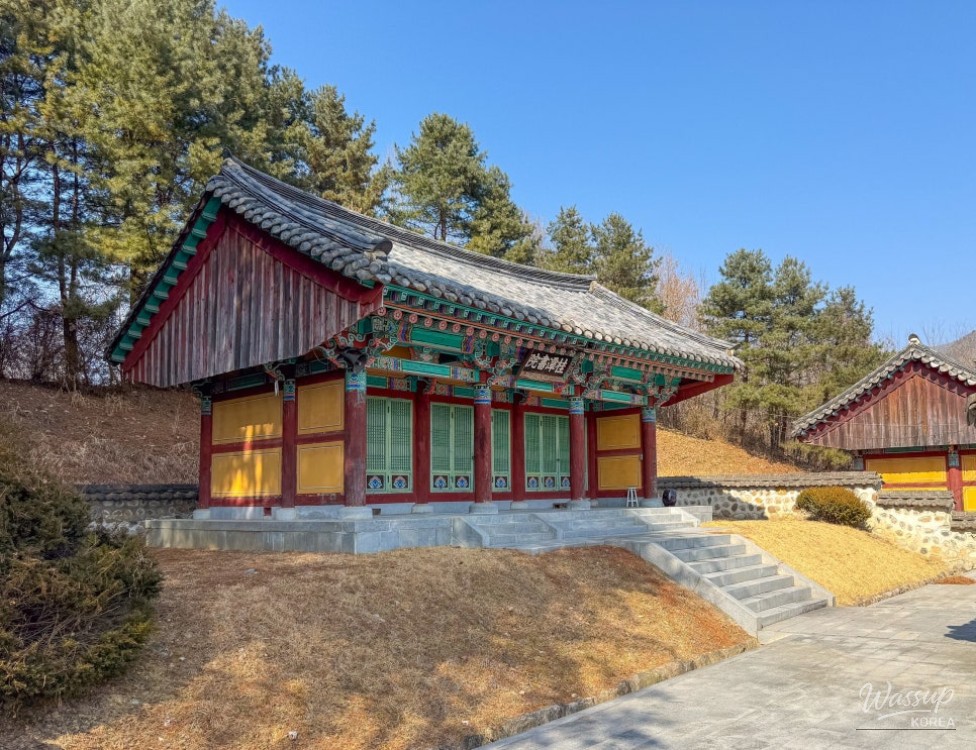
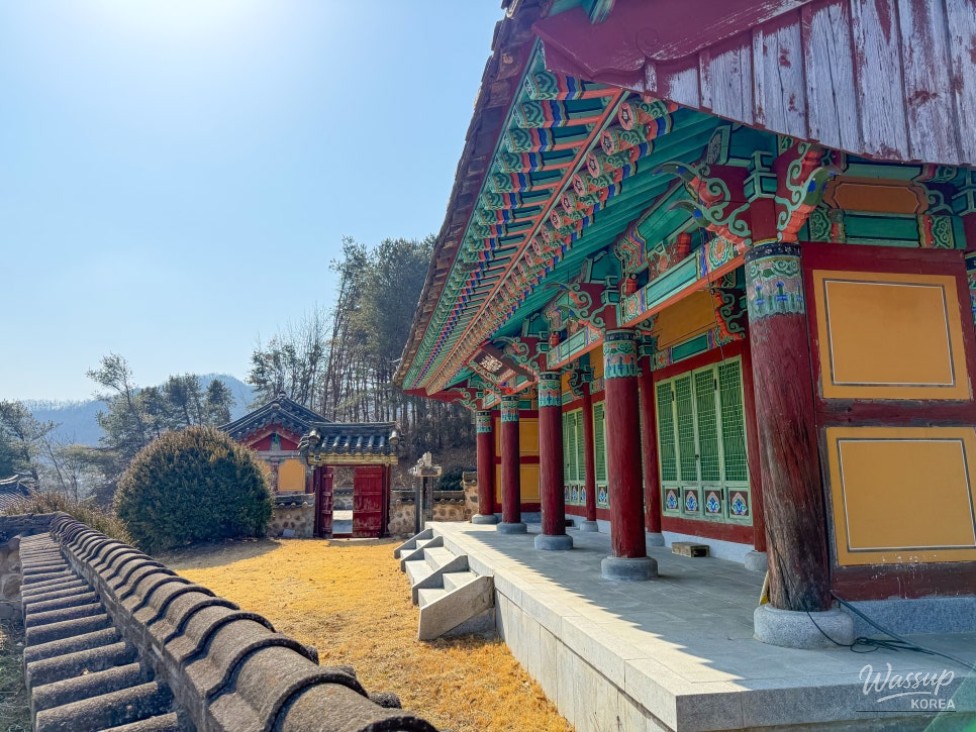
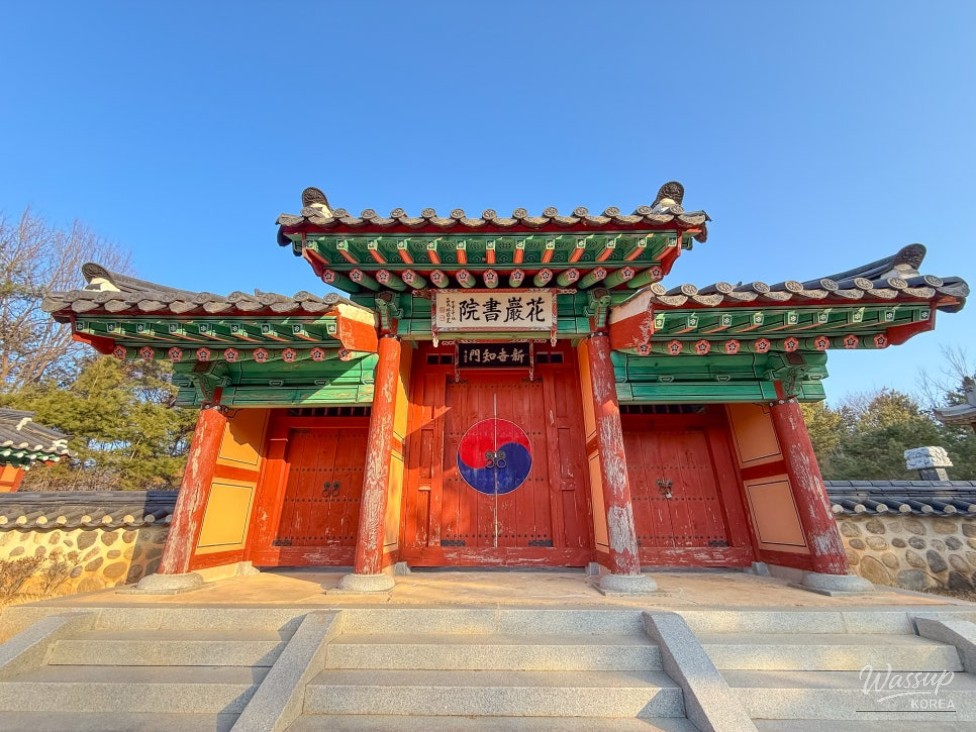
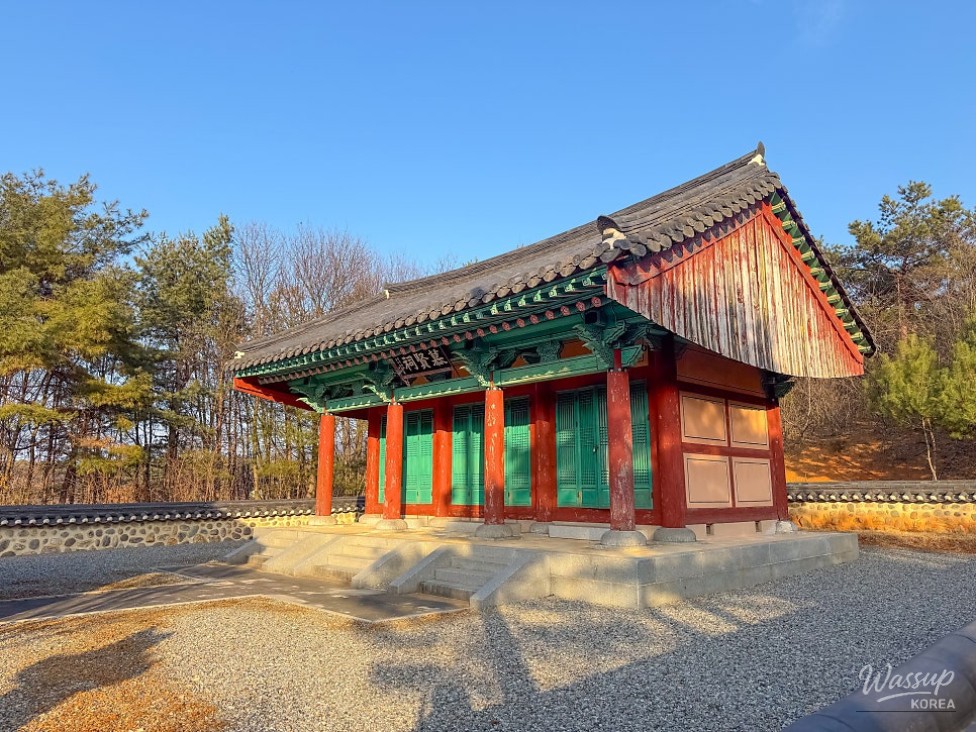
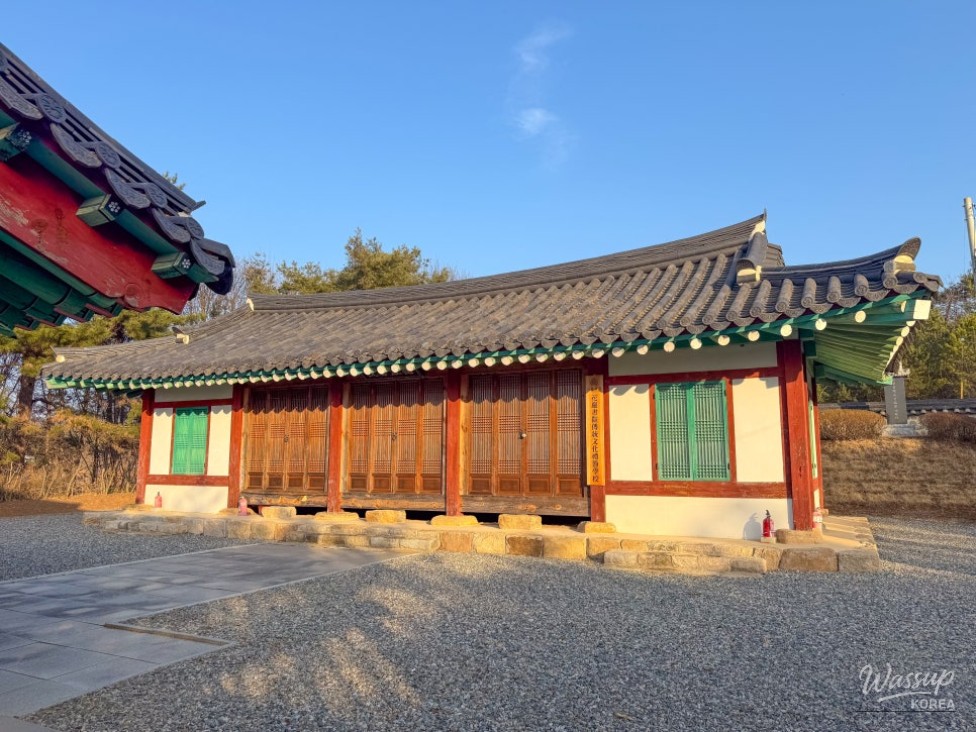
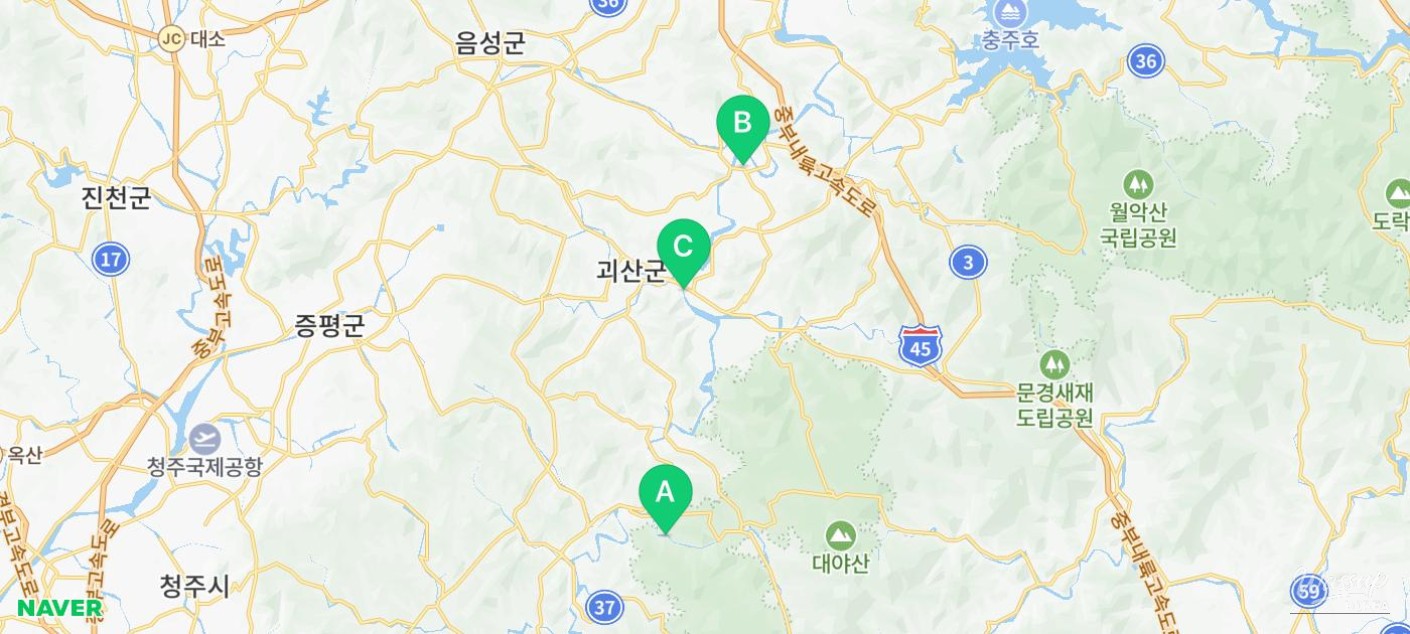
In Goesan County, Chungcheongbuk-do, there are three notable seowons that embody rich history and cultural spirit: Hwayang Seowon, Gyeidam Seowon, and Hwaam Seowon.
These seowons are not only places to learn about the spirit of Confucian scholars but also offer beautiful scenery.
Hwayang Seowon is located in the scenic area of Hwayanggu, Gyeidam Seowon is situated on a hillside in Gammul-myeon with a great view, and Hwaam Seowon provides a wonderful walking path with a panoramic view of the Goegang River.
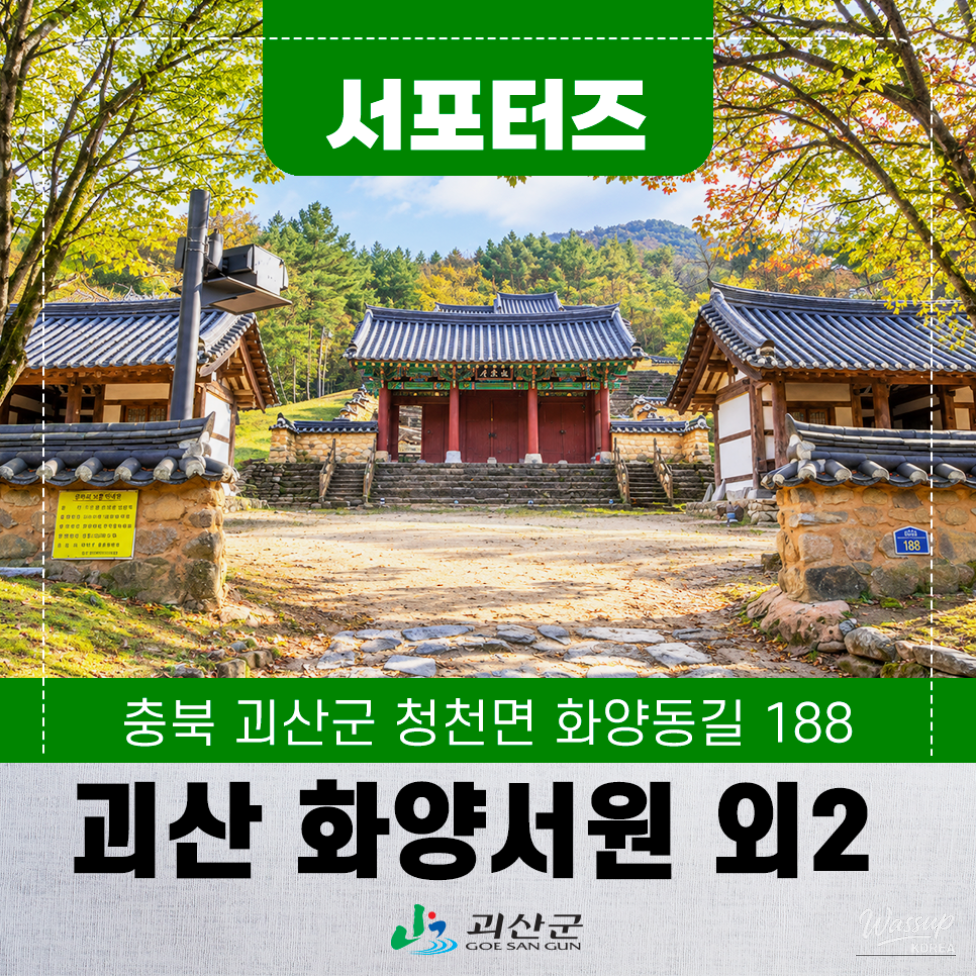
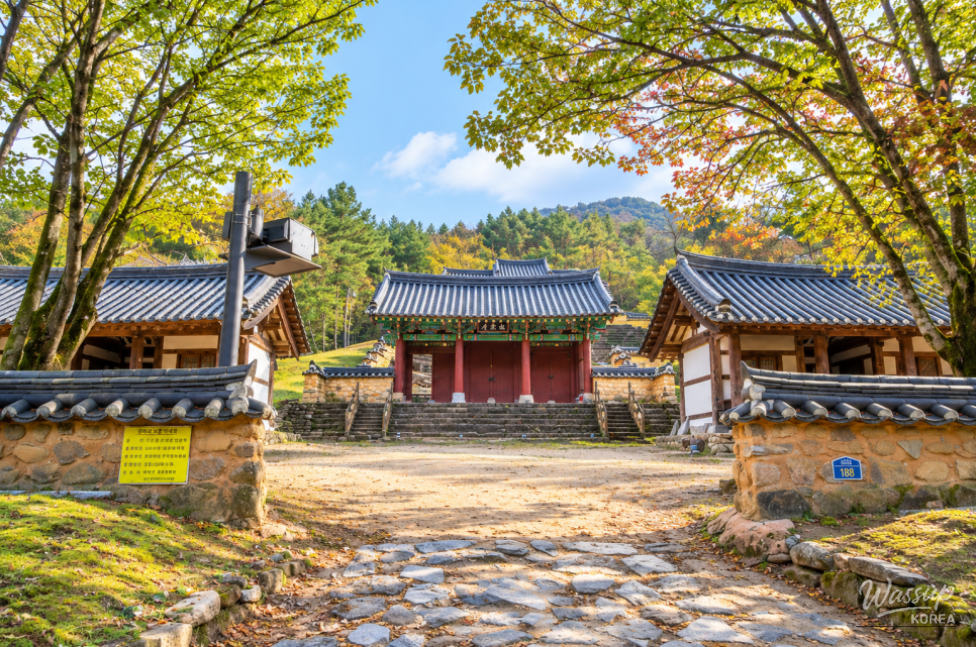
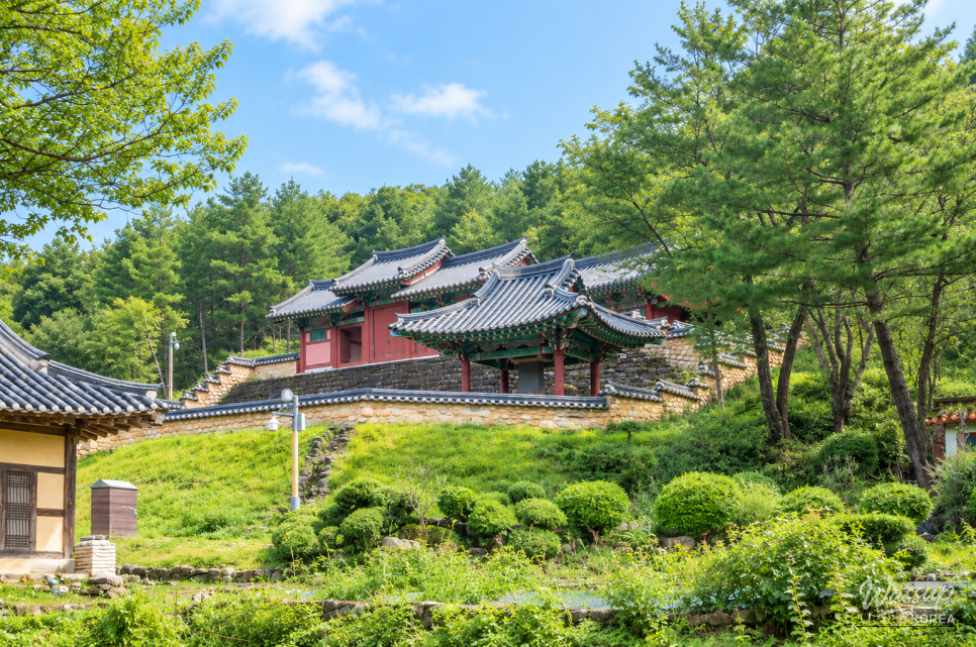
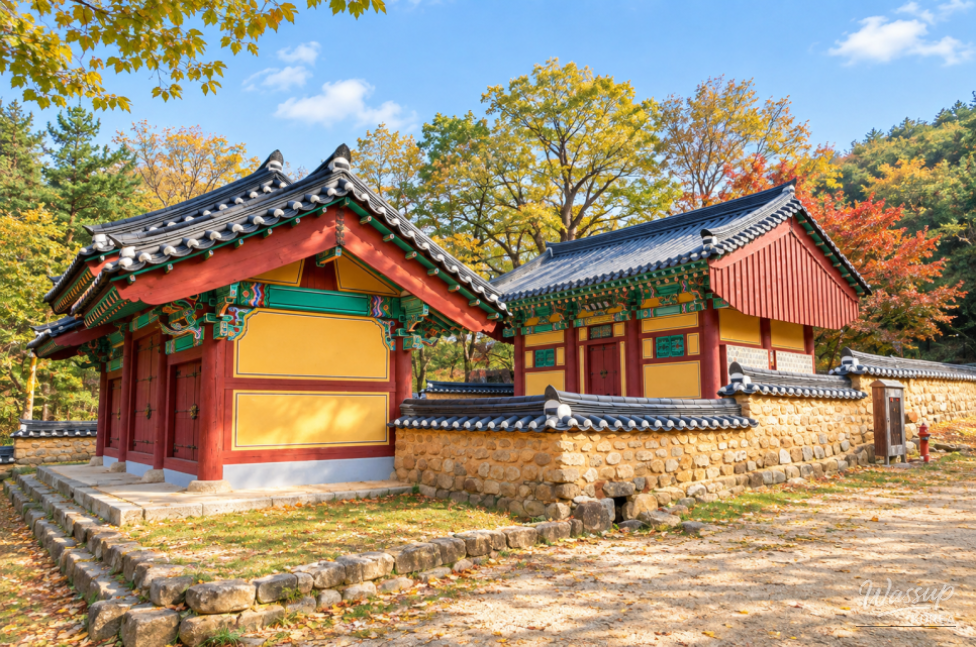
Hwayang Seowon, located in Hwayang-ri, Cheongcheon-myeon, Goesan County, was established in 1696 (the 22nd year of King Sukjong) to honor and commemorate the late Confucian scholar Song Si-yeol.
It received royal patronage from King Sukjong at its founding and was granted a plaque with a royal inscription in the 42nd year of his reign, making it one of the most prestigious seowons in the country.
While it played a significant role as a political and ideological center for the Noron faction during the late Joseon period, it also experienced negative side effects due to its immense power.
Ultimately, it was closed during the reign of King Cheoljong and was completely abolished in 1870.
Today, the historical site of Hwayang Seowon is preserved by the Goesan Hwayang Seowon Monument, a cultural heritage site in Chungcheongbuk-do.
The Mandong Shrine was built in 1704 to honor the Ming Dynasty emperors who sent troops to assist Joseon during the Imjin War, established by Suam Kwon Sang-ha, a disciple of Song Si-yeol.
Gyeidam Seowon, located in Gyeidam Village, Gammul-myeon, was founded in 1824 (the 24th year of King Sunjo) by the local Confucian scholars to honor the loyal scholar An Myeong-se, a prominent figure of the mid-Joseon period.
It serves as a site of remembrance for An Myeong-se, who faced persecution during the Eulsa Incident, and continues the noble spirit of the ancestors of the Sunheung An clan.
The three seowons are invaluable cultural heritage sites that vividly showcase the flow and rise and fall of Confucian culture during the Joseon era.
Although they suffered destruction during the Seowon Abolition Order by Daewongun, they were restored in later years, continuing to convey Goesan's hidden history and tradition.
Hwaam Seowon, located in Songdong-ri, Chilsung-myeon, was established in 1622 (the 14th year of King Gwanghaegun) by local Confucian scholars.
It honors the spirits of notable scholars such as Toegye Yi Hwang, Lee Mun-geon, Noh Su-sin, and Kim Je-gap, who have deep connections to the Goesan area.
Over time, it received royal patronage during the reigns of Sukjong and Yeongjo, and additional figures were enshrined, establishing it as a center of local Confucianism.
Despite the pain of being dismantled in 1871 due to the Seowon Abolition Order by Heungseon Daewongun, it has been restored to its original site through the efforts of scholars and descendants, serving as a bridge to connect local traditional culture.

Source :https://blog.naver.com/goesan-gun/224426027070
More from Travel





No comments yet.