

Exploring the Historic Hapdeok Water Culture Museum



As summer deepens and the heat continues, families with children can enjoy a leisurely time exploring indoor exhibitions at museums or art galleries.
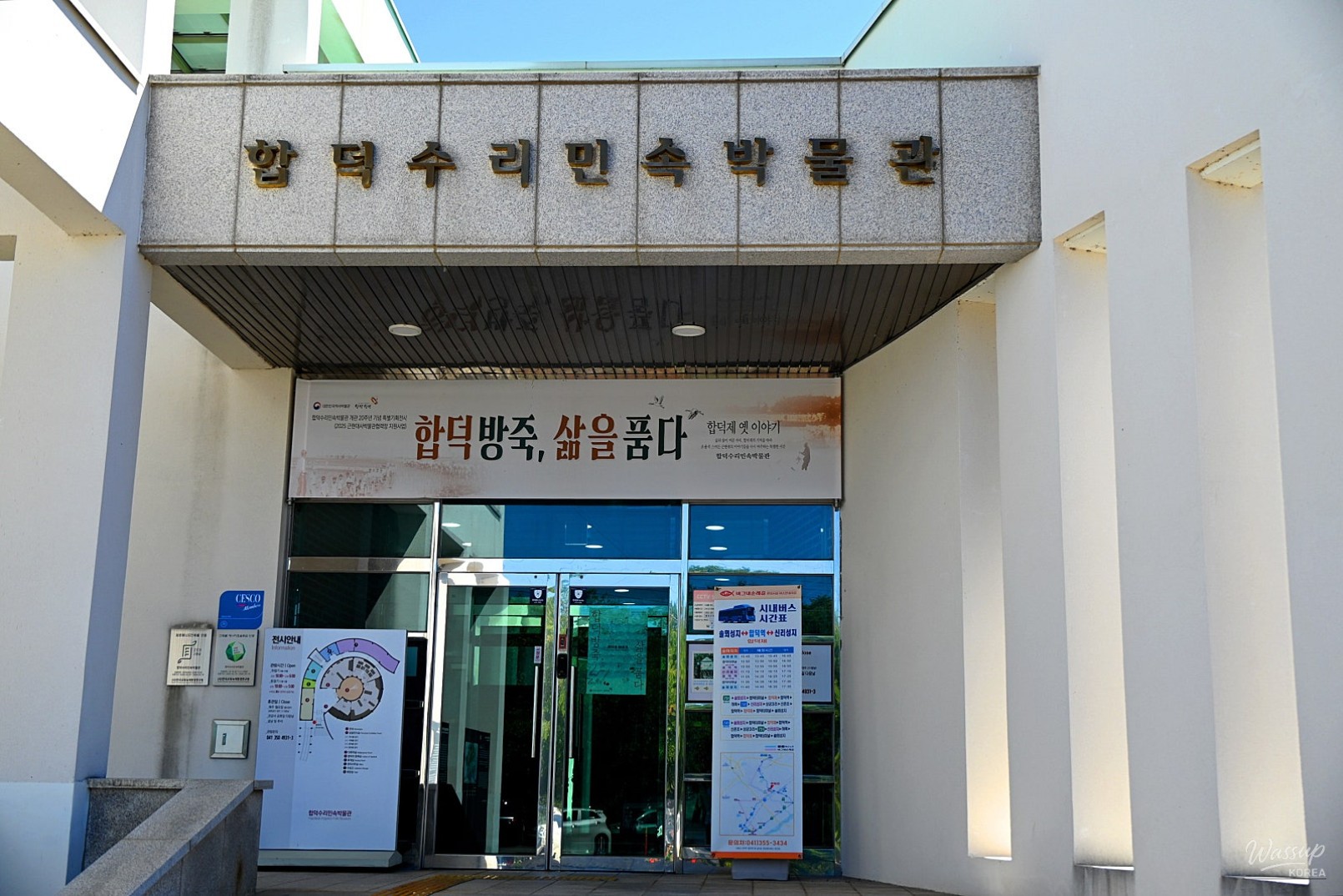
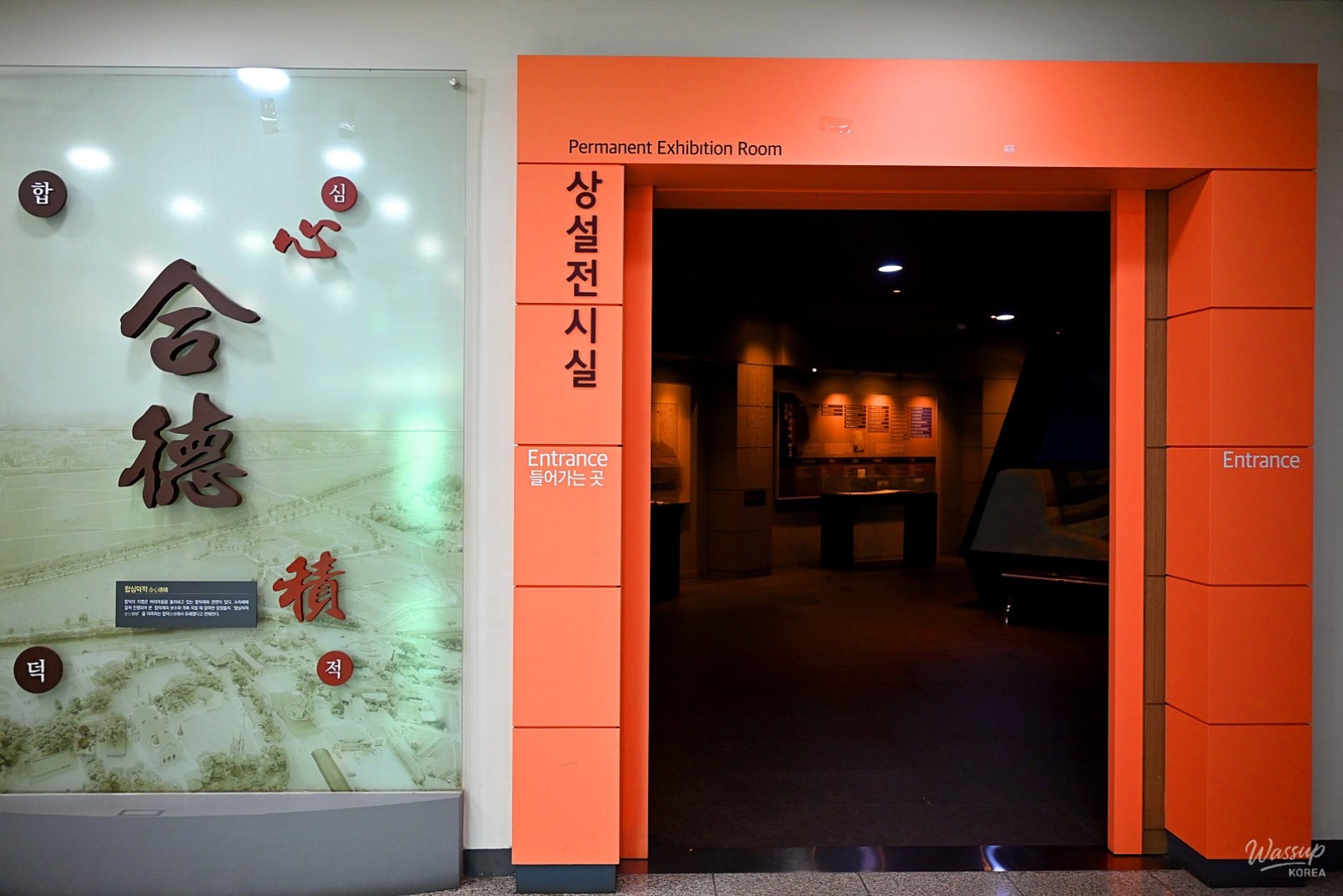
A great place to experience the old water culture in a cool indoor environment is the Hapdeok Water Culture Folk Museum.
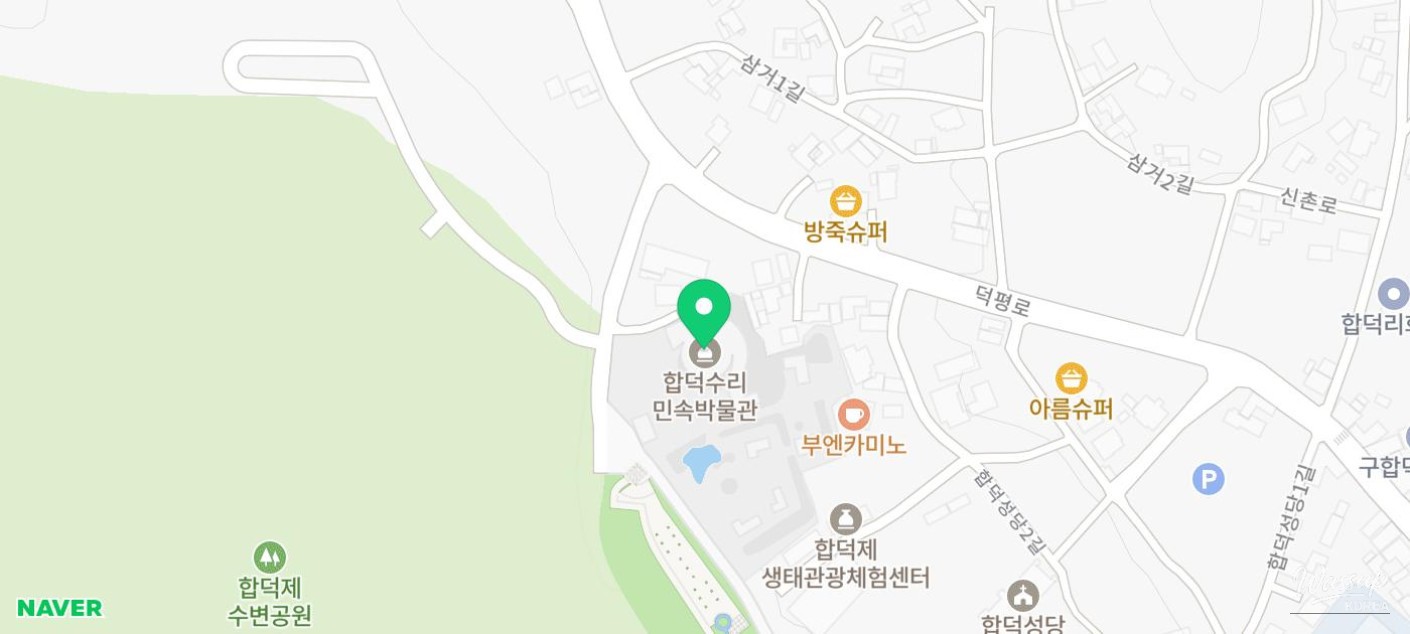
Located in front of the Hapdeok Reservoir, this museum showcases the water culture of our ancestors.
Opened in 2005 and registered as a specialized museum in 2008, it preserves the water-related folk culture of our forefathers.
In Korea, agriculture was a primary livelihood, necessitating irrigation for rice paddies.
The museum features various water tools used by our ancestors during the irrigation process for rice farming.
Children can develop an interest in our country's ancient water culture as they encounter these historical tools.
You can learn about traditional farming methods and see various agricultural and water-related tools used by our ancestors.
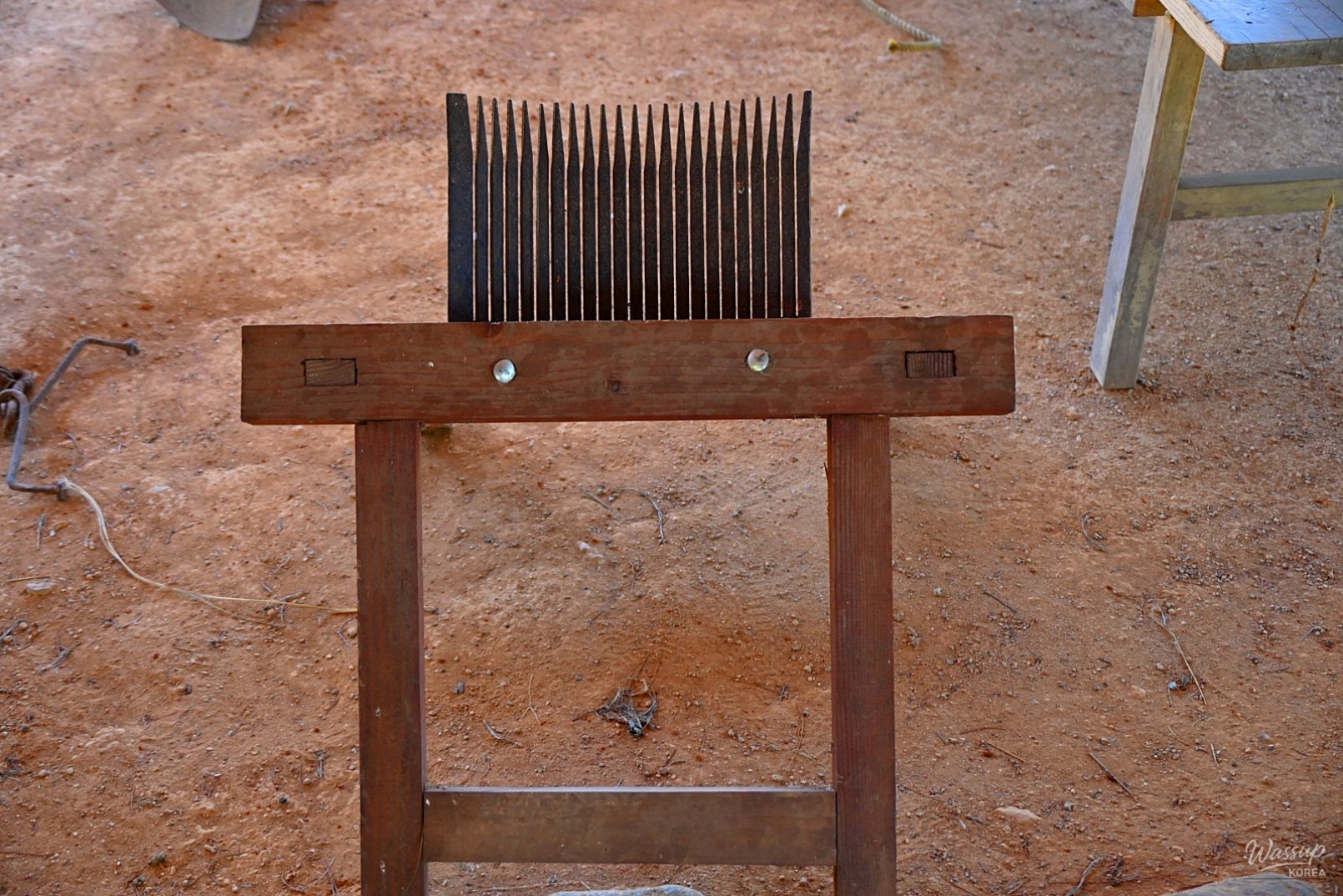
Inside and outside the museum, visitors can find tools related to agriculture and folk culture used by our predecessors.
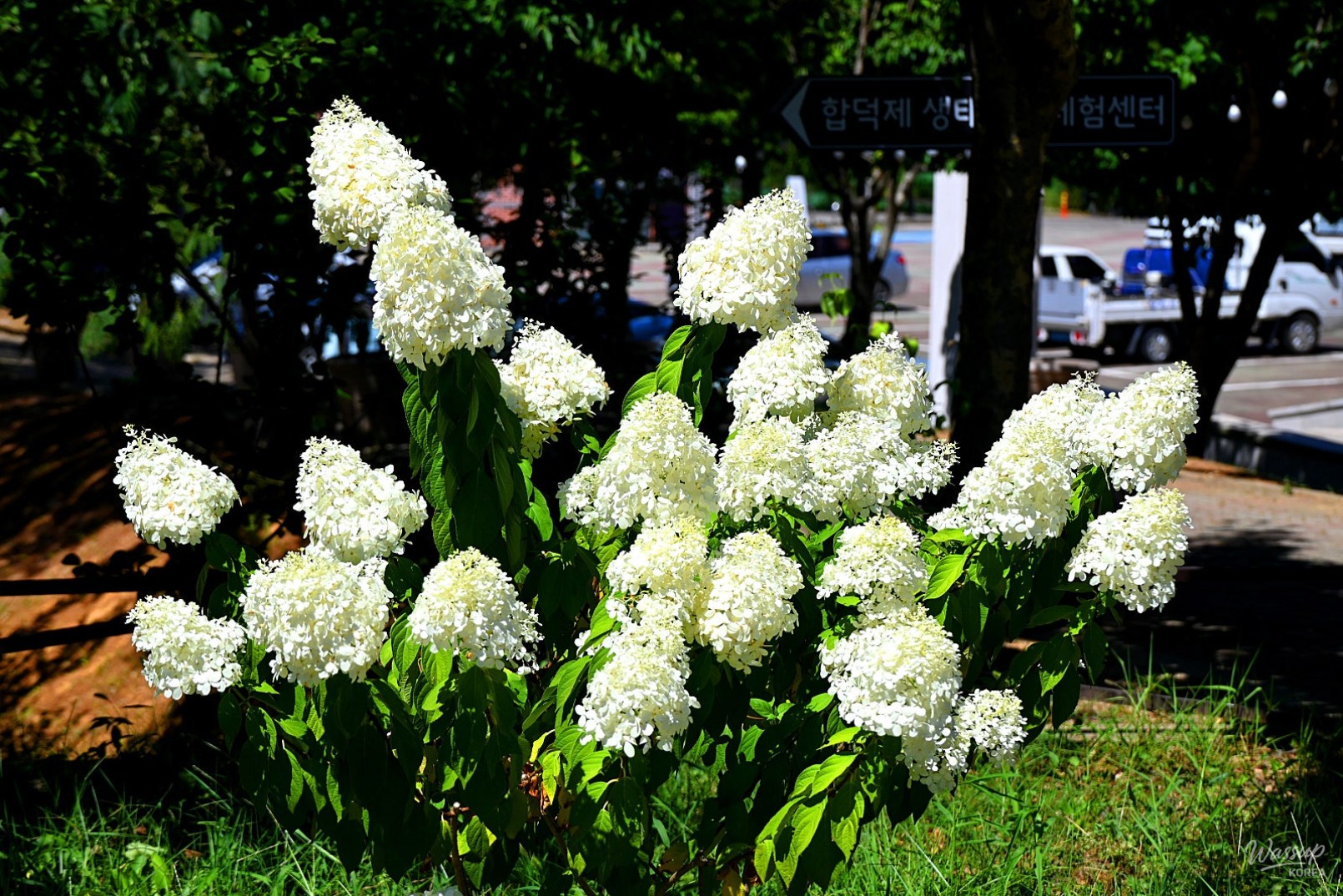
The nearby Hapdeok Reservoir has been designated as a cultural heritage site and showcases beautiful lotus flowers in summer.
Recognized as a world heritage site for irrigation facilities, the Hapdeok Reservoir is one of the three major reservoirs of the Joseon Dynasty, along with the Byeokgolje in Gimje and the Namdaegi in Hwanghae Province.
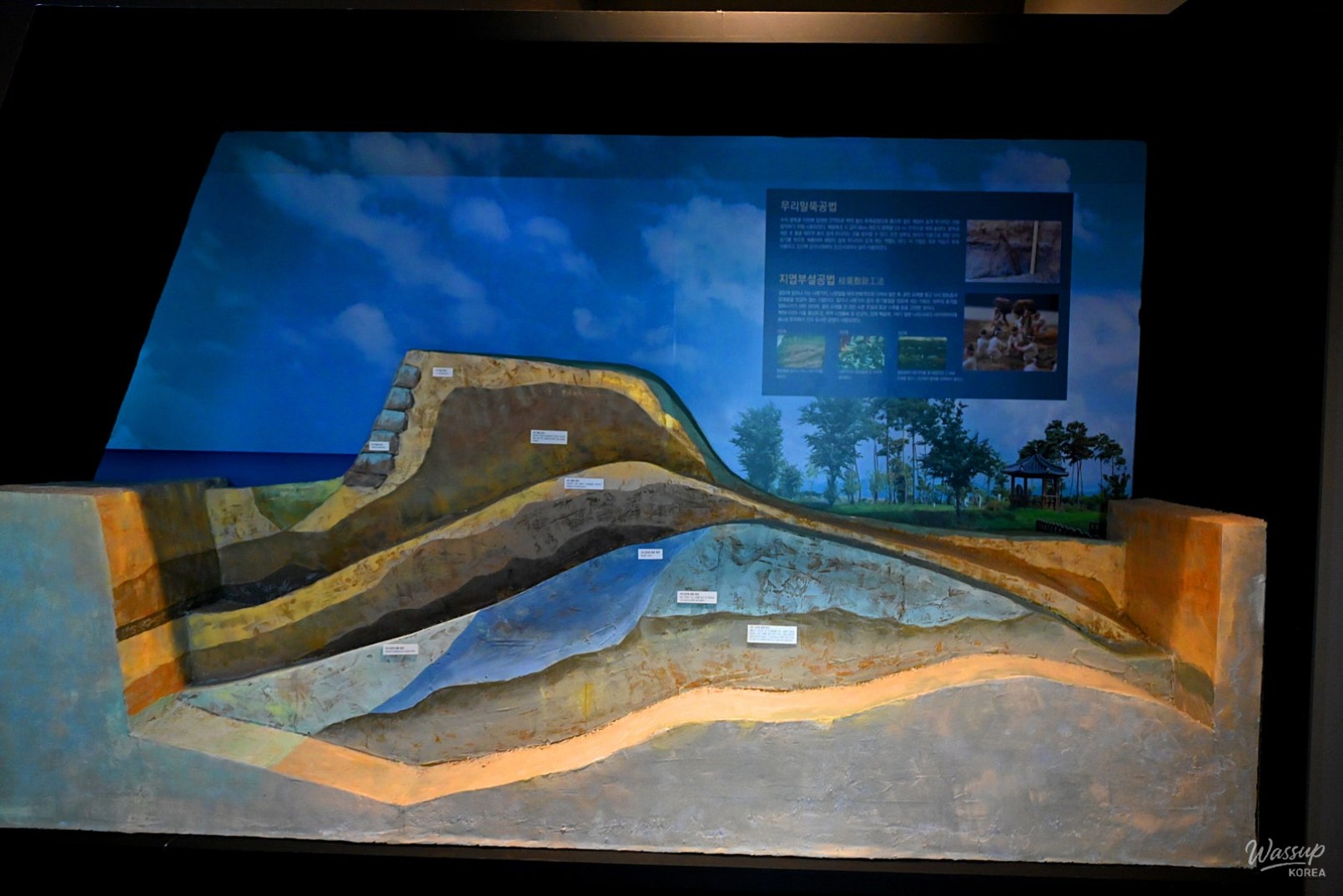
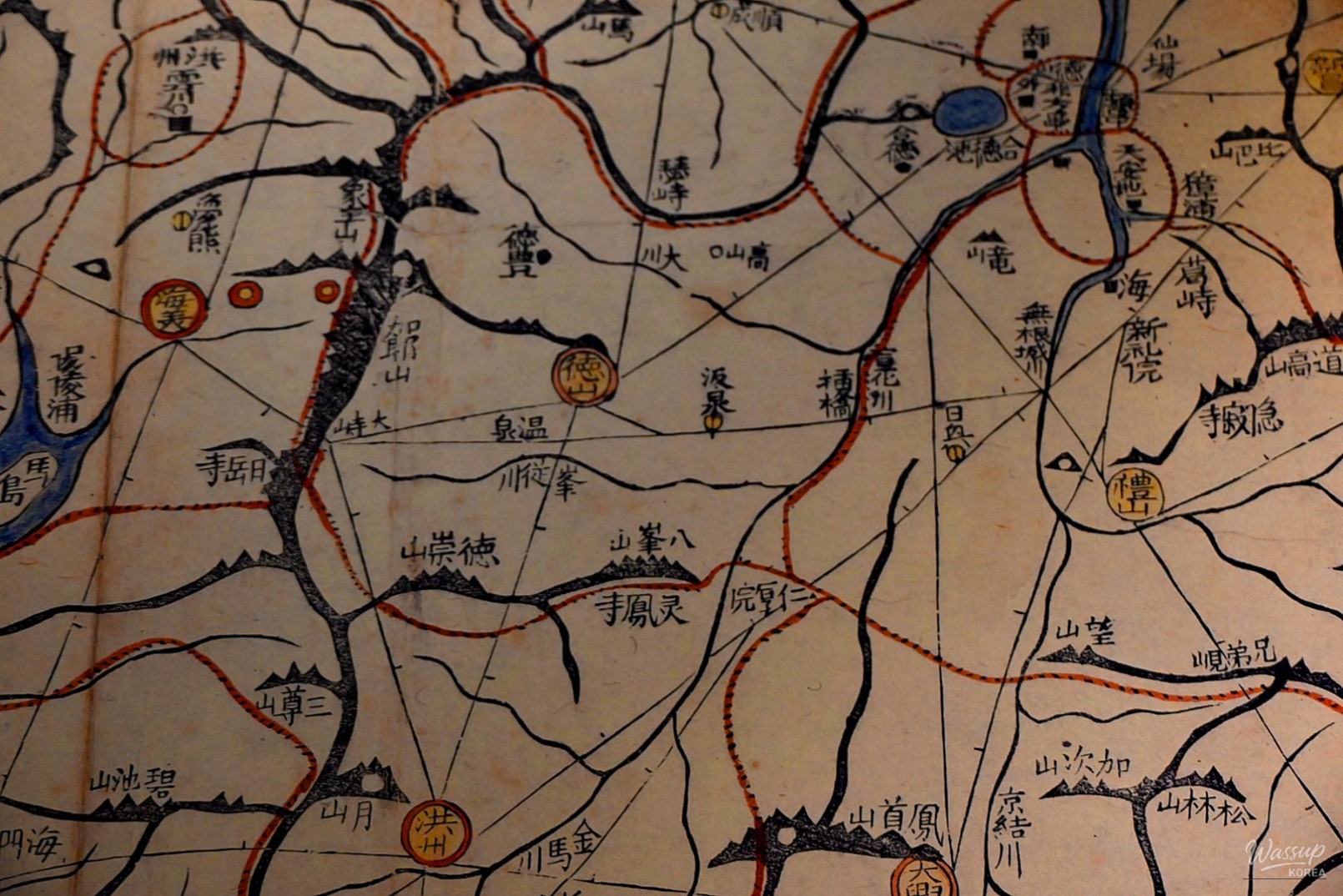
The museum provides detailed information about the Hapdeok Reservoir, including a model of its construction process and historical maps.
Visitors can also learn about the tools used for irrigation and find informative exhibits about the reservoir.
Though the reservoir, believed to have been built before the Goryeo Dynasty, no longer serves its original irrigation function, it has transformed into a recreational area.
The museum currently hosts an exhibition titled 'Embracing the Life of Hapdeok, Stories of the Hapdeok Reservoir,' featuring oral histories from residents who utilized the reservoir.
Through these stories, visitors can explore the warm history related to the Hapdeok Reservoir.
Local residents and tourists alike can discover the lives intertwined with the reservoir's history.
Families can enjoy exploring the museum and the surrounding areas, immersing themselves in the charming history of Hapdeok.
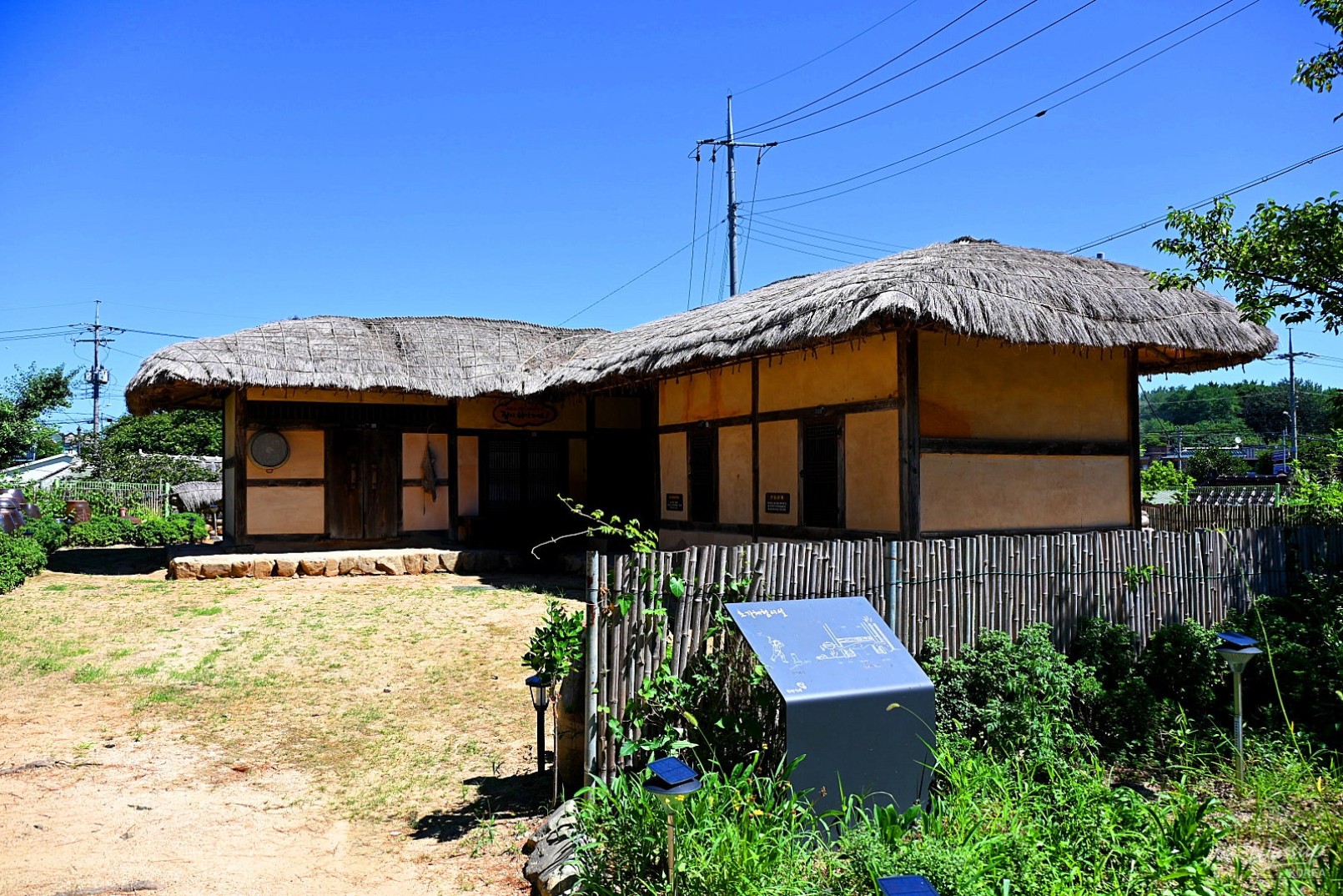
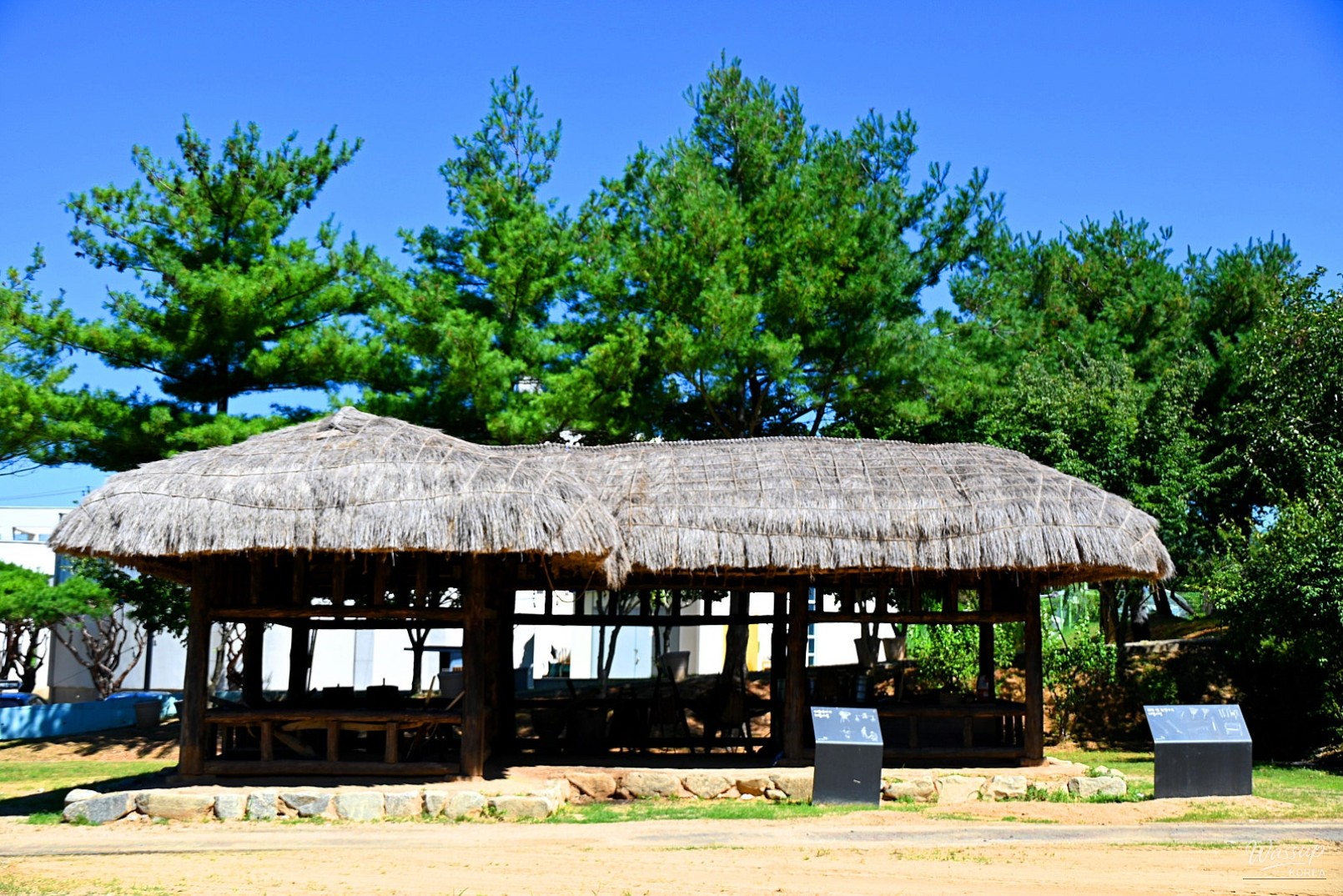
Inside the museum, there are displays related to the Hapdeok Reservoir, and outside, traditional thatched houses exhibit agricultural tools once used by our ancestors.
Although these tools are no longer in use, they were essential in the past.
Visitors can experience using a traditional grinding stone and explore a recreated farmhouse.
Additionally, there is a center for hands-on experiences related to the Hapdeok Reservoir.
While rural areas have evolved beyond thatched roofs, taking a moment to rest in a traditional house can provide a glimpse into the past.
The museum also features a water carrier, allowing visitors to experience historical methods firsthand.
In Dangjin, the Bugnae Pilgrimage Trail begins at Solmoe Holy Site and leads to the Hapdeok Reservoir, Hapdeok Cathedral, and other notable sites.
If visiting the Hapdeok Reservoir, it is worthwhile to also explore the Hapdeok Water Culture Folk Museum and Hapdeok Cathedral.
As summer transitions to autumn, combining visits to nearby tourist attractions with the Hapdeok experience can create a fulfilling travel adventure.












Source :https://blog.naver.com/dangjin2030/224378264265
No comments yet.


