

Discover the Unique Landscapes of Hwasun Unju Temple



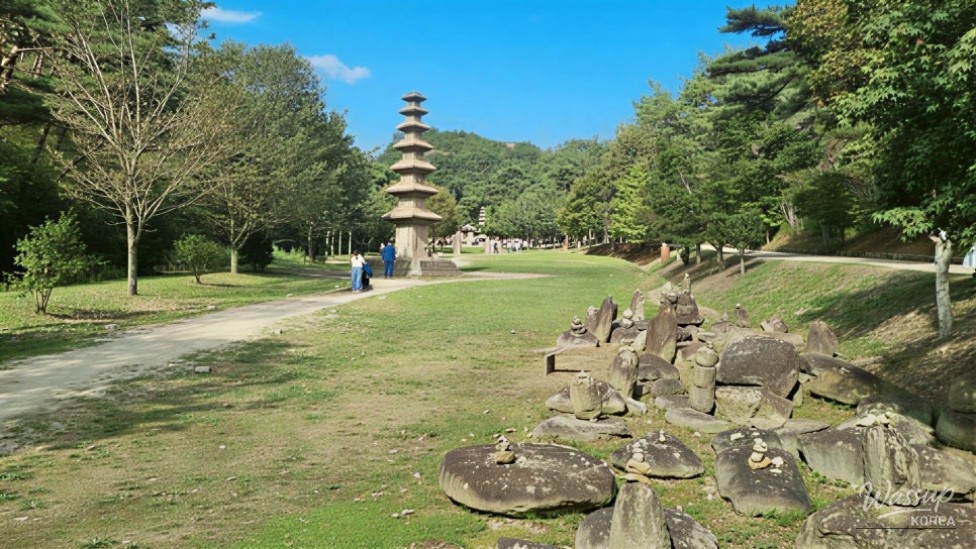
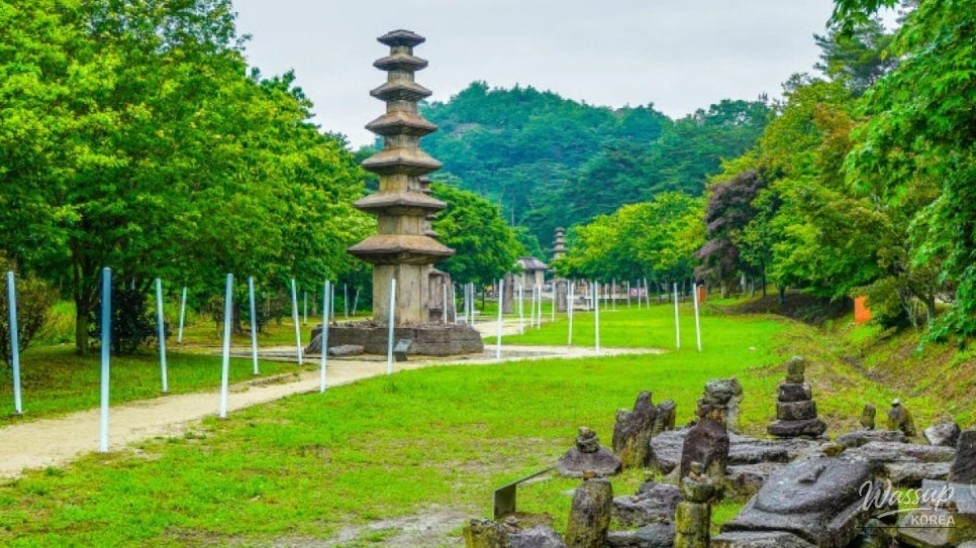
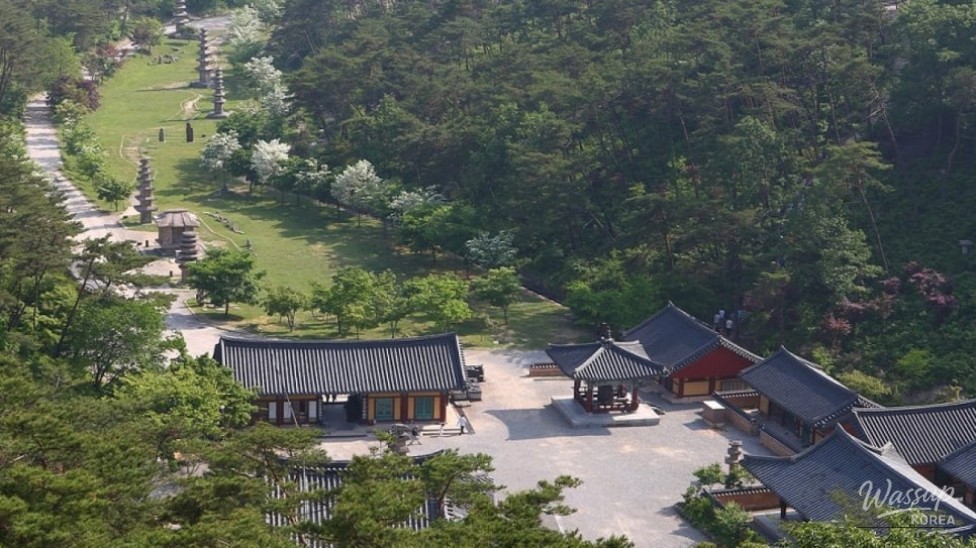
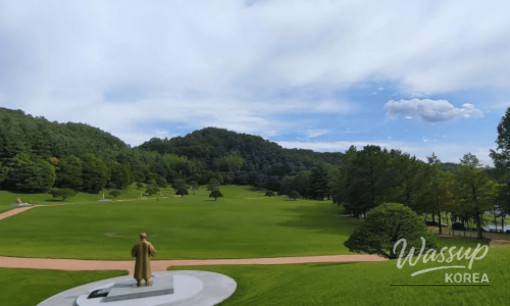
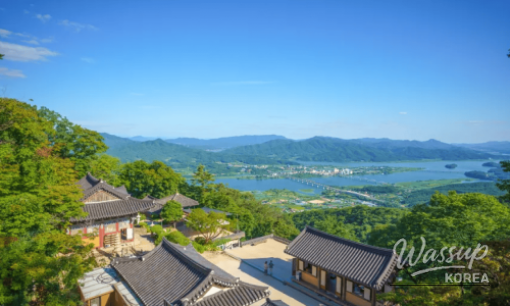
If you're looking to escape the ordinary this weekend and encounter some unique scenery, I recommend heading to Hwasun, Jeollanam-do. Unju Temple, located on a mountainside adorned with hundreds of stone Buddhas and pagodas, is a UNESCO Global Geopark site and a special place steeped in a thousand-year legend.
Best of all, the temple offers free admission, making it an accessible destination for families. Walking along the trails winding through the lush pine forest while appreciating the exotic stone cultural heritage is a delightful experience.
The most striking feature of Unju Temple is undoubtedly the reclining stone Buddha, lying in the western pine forest of the temple grounds. Designated as a cultural heritage site in Jeollanam-do, this colossal statue measures 12.7 meters, making it the largest reclining stone Buddha in Korea. Legend has it that the monk Doseon of Silla attempted to erect a thousand Buddhas and pagodas overnight but was unable to raise the statue due to the crowing of a rooster.
This reclining Buddha is said to herald a new world when it finally rises, inspiring many writers and artists throughout history. Standing before the Buddha on the gentle path through the pine forest evokes awe with its immense scale and mystical atmosphere.
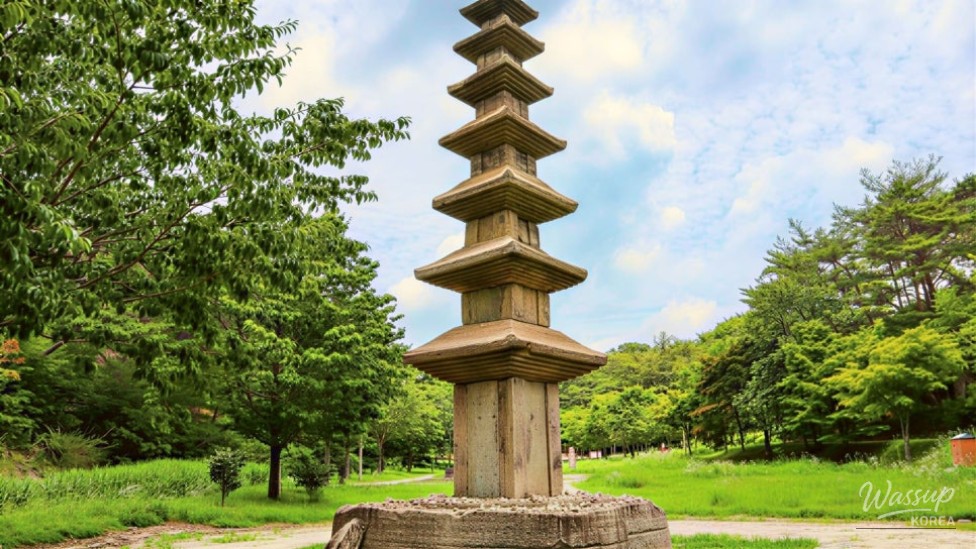
Unlike the smooth granite statues found in typical temples, the stone structures at Unju Temple have a flat and rough texture, made from layered tuff created by volcanic eruptions during the Cretaceous period. Carving according to the natural veins of the stone results in simple and approachable facial features.
The treasure-designated stone pagoda features diamond patterns, and the unique circular multi-tiered pagodas resemble stacked donuts or hotteok, filling the temple grounds with geometric stone structures that allow visitors to enjoy both geological exploration and cultural heritage.
Unju Temple operates year-round and offers a spacious free parking lot, convenient facilities, and a cultural tourism information center, ensuring a pleasant visit. If driving from Gwangju, it takes about 40 minutes, and public transportation is accessible via city buses 218 or 318 from Gwangcheon Terminal.
However, due to the porous nature of the tuff, please refrain from touching the surfaces of the cultural assets to avoid damage. When it rains, the mountain trails may become slippery, so wearing comfortable sneakers is advisable.
Images:
Source :https://blog.naver.com/tour_toctoc/224380700873
No comments yet.


