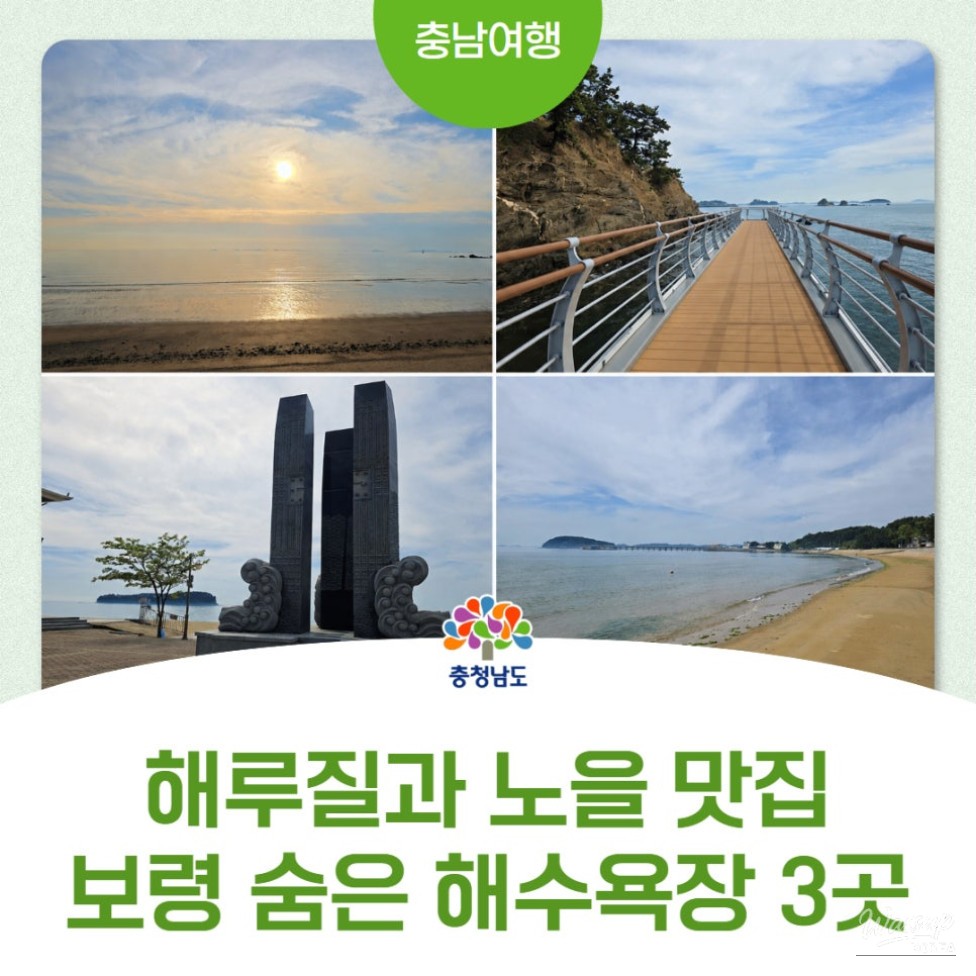
Discovering the Hidden Beaches of Boryeong: Yongdu, Muchangpo, and Doksan



Before the peak summer season begins, I visited a quiet beach in Boryeong, Chungcheongnam-do.
While Daecheon Beach is the first that comes to mind when thinking of Boryeong, there are quieter and unique beaches nearby.
These include Yongdu Beach with its dense pine forest camping area, Muchangpo Beach known for its mysterious sea road and the trail to Chicken Comb Island, and Doksan Beach, which is great for sunset views and shellfish gathering.
If you prefer a tranquil sea over the bustling Daecheon, these three spots are worth considering, just a little over two hours from Seoul.
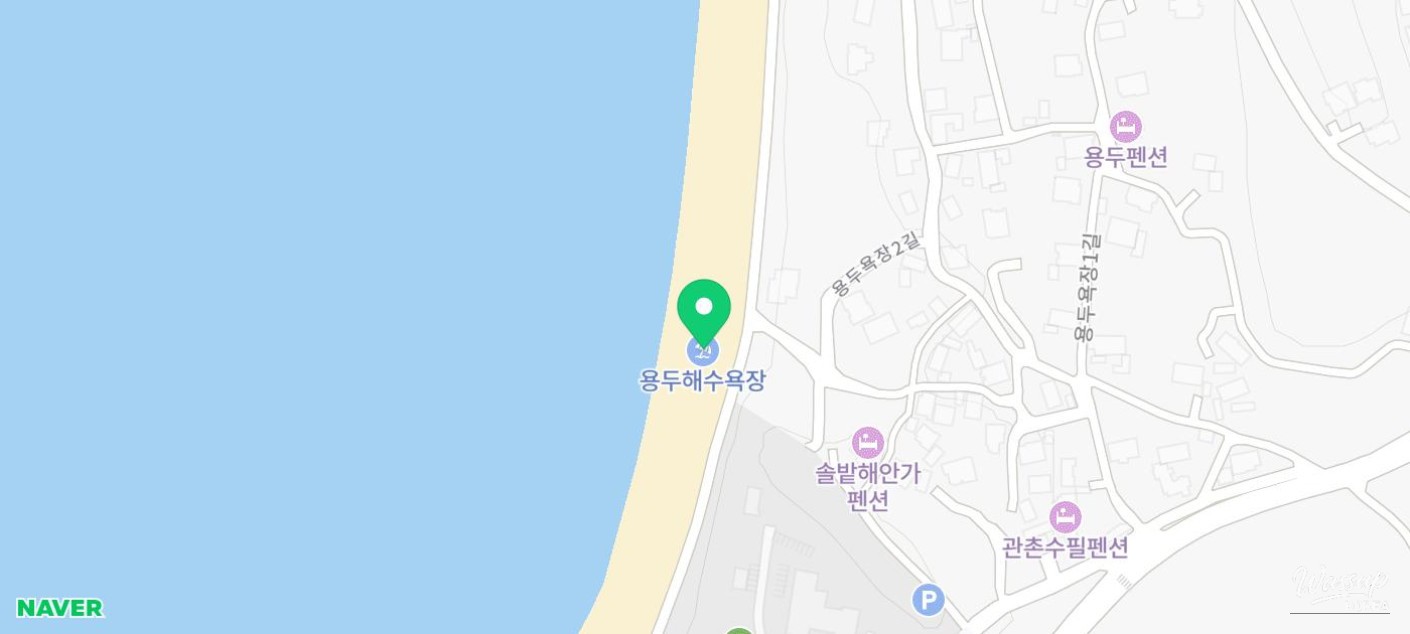
Yongdu Beach
A camping spot where pine forests meet the sea
Location: 40 Yongduyokjang2-gil, Nampo-myeon, Boryeong, Chungcheongnam-do
Camping hours: 09:00 AM to 06:00 PM
Fees: Camping fees range from 15,000 to 30,000 KRW depending on the season
This beach is located about 7 km south of Daecheon Beach, past the Nampo embankment.
Though the sandy beach is short, it feels cozy, with a dense pine forest behind it.
The highlight here is the Dongbaekgwan forest camping area.
The thick pines provide natural shade, keeping it cool even in summer, and it connects directly to the beach, allowing for both camping and water activities.
As a municipal camping area, the fees are reasonable compared to private campsites.
During peak season (July-August), competition for reservations increases, so visiting during early summer (June) on weekdays allows for a more relaxed experience.
Muchangpo Beach
Stories of Chicken Comb Island and the mysterious sea road
Location: 10 Yeollinbada 1-gil, Ungcheon-eup, Boryeong, Chungcheongnam-do
Open year-round
The first beach to open on the west coast in 1928, Muchangpo Beach is the busiest among the three.
It boasts a wide beach stretching 1.5 km long and 50 m wide, recognized as one of Boryeong's scenic spots.
The main attractions are the mysterious sea road and Chicken Comb Island.
The mysterious sea road appears during low tide around the full moon and new moon, revealing a 1.5 km sandy path to the uninhabited Seokdaedo Island.
This phenomenon, caused by the tidal range and underwater topography, is often referred to as the 'Korean version of the miracle of Moses.'
However, from May to August 2026, there will be no days when the sea road is fully open during the day.
For those wanting to walk the sea road, visiting in spring (March-April) or autumn (September-October) is recommended.
Doksan Beach
Boryeong's hidden beach, perfect for sunsets and shellfish gathering
Location: 585 Yeollinbada-ro, Ungcheon-eup, Boryeong, Chungcheongnam-do
Open year-round
Doksan Beach is a hidden gem that is relatively quiet even during peak season due to its somewhat challenging access.
The unique structure features sandy beaches and mudflats on either side of Dokdae Island.
This area is also a great spot for shellfish gathering.
During low tide, you can catch clams, cockles, and whelks by hand.
Gathering clams by sprinkling salt on the sandy mudflats is particularly popular and easy to do, even for children.
The best time for gathering is two hours before and after low tide.
You can enjoy beautiful sunset views here as well.
The evening sky, with the backdrop of Dokdae Island, creates a serene atmosphere.
In early summer (May-July), you can observe bioluminescent plankton and the Milky Way at Boryeong beaches.
The bioluminescent plankton emit a bluish light when waves crash, and are often seen in early summer as water temperatures rise.
The best conditions for observing the Milky Way are during the new moon phase in June and July, in dark areas away from light pollution.
Why not take a stroll along the beautiful beaches and mudflats of Muchangpo, known for its stunning sunsets, before the summer rush?

Source :https://blog.naver.com/sinmunman/224297527025
No comments yet.