

A Visit to Matdol Port: Embracing the Rhythm of Nature



When will the sweltering heat finally retreat? It feels like August just started, yet a week has already passed.
Seeking a tranquil seaside view on this hot summer day, I visited Matdol Port in Dangjin.
While indoors is bustling with people trying to escape the heat, this place was surprisingly quiet.
Upon hearing the name of the port, I initially thought of a stone.
The heavy stone used for grinding is familiar to me.
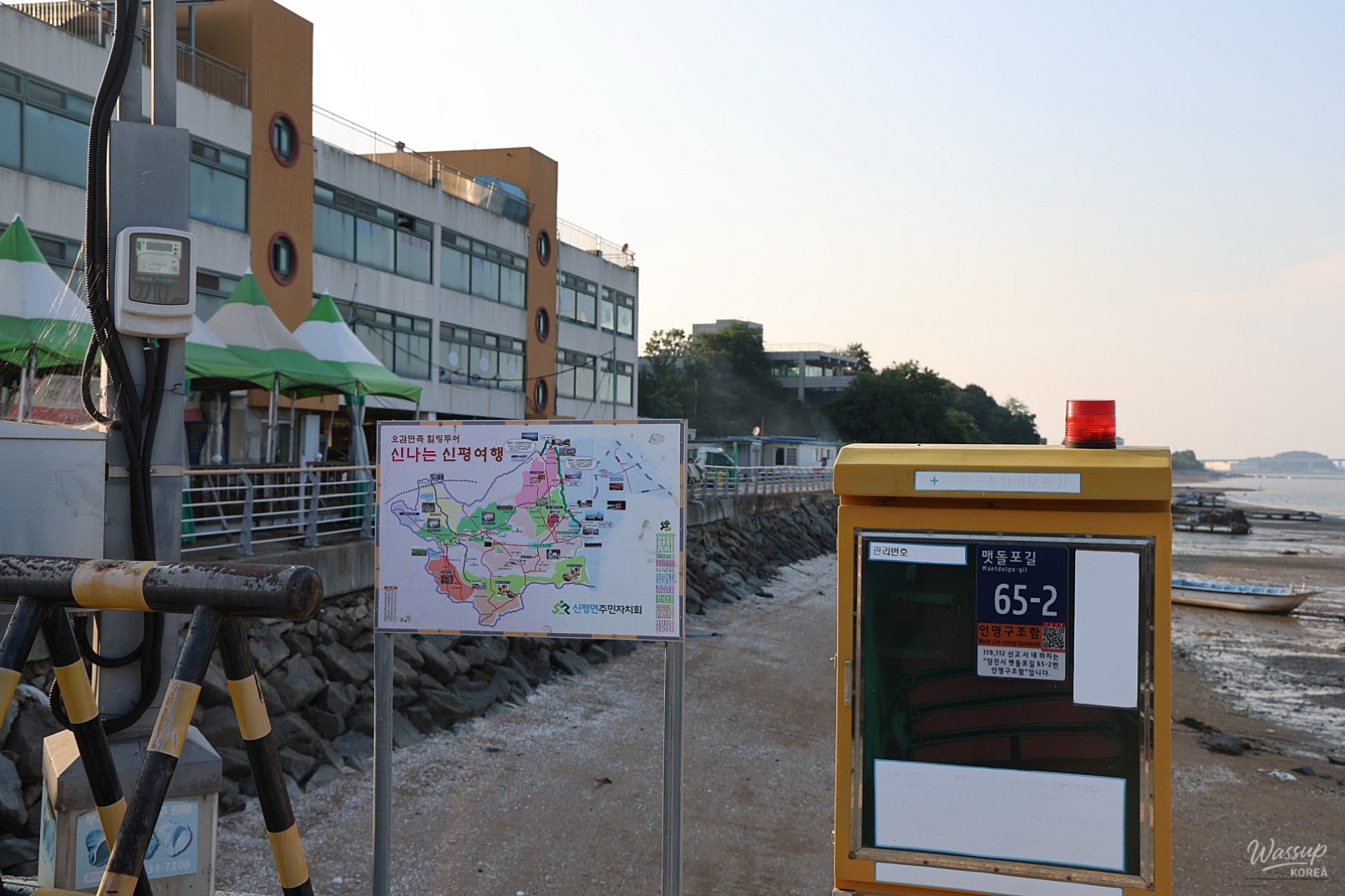
However, the origin explained on the sign at the port tells a different story.
When the tide comes in, the bow of the boat turns to the right, and when the tide goes out, it turns to the left.
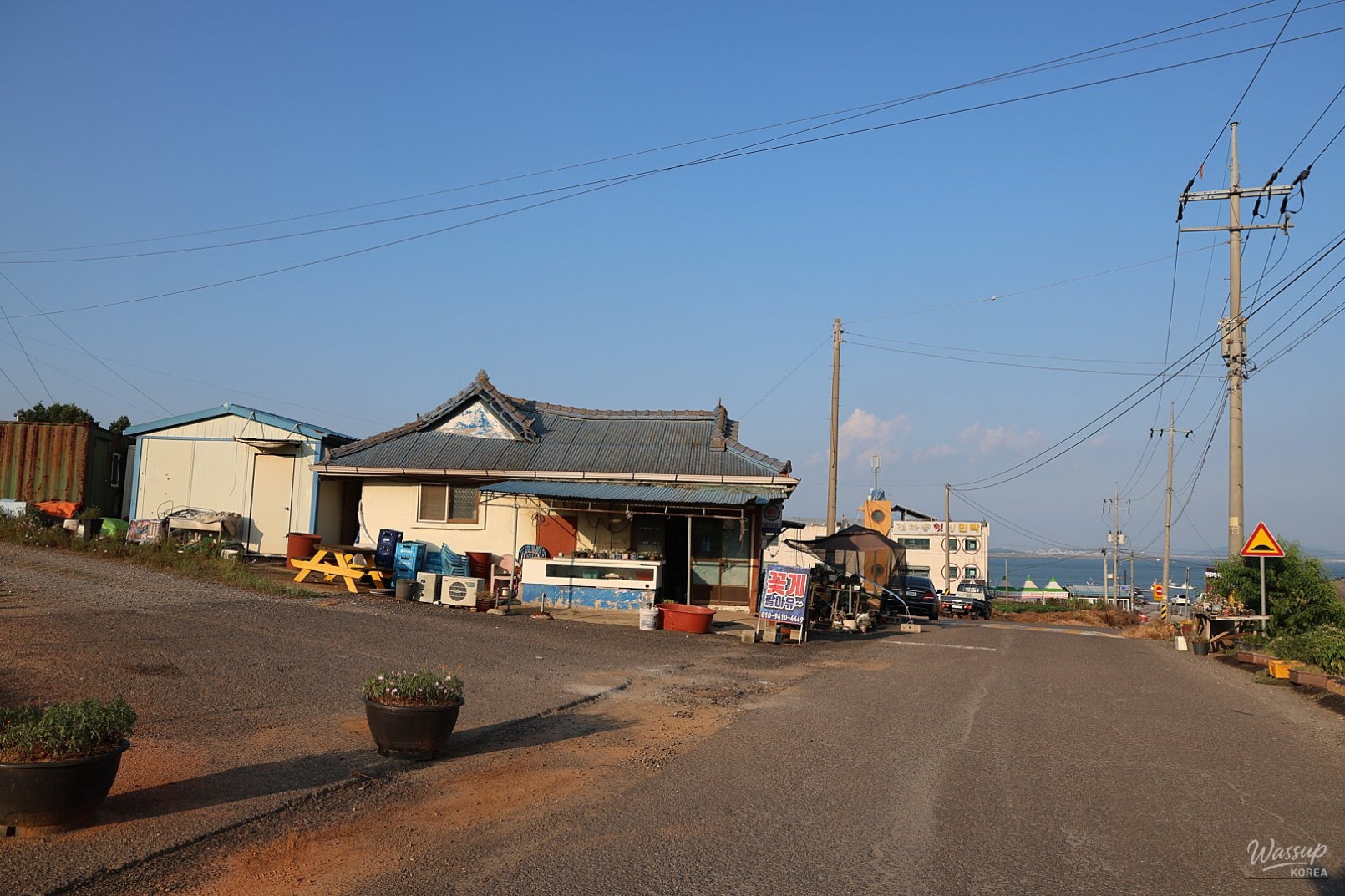
At the entrance to the path leading down to the sea, there is an old house.
The summer morning sun is still low, and blue plastic boxes are stacked in the yard.
Entering Matdol Port felt more like passing by someone's home than a tourist attraction.
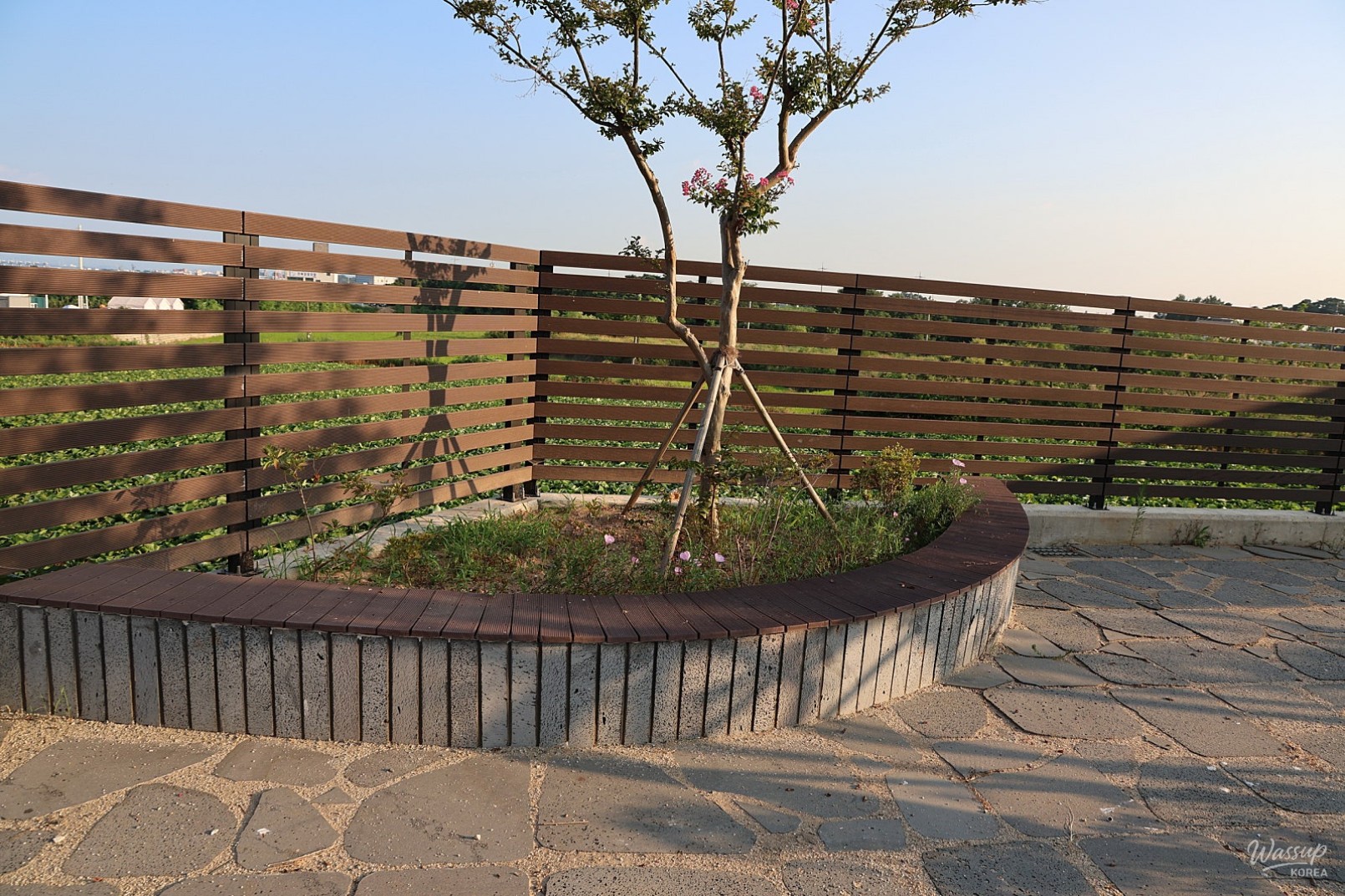
The port is currently undergoing a transformation. New decks are being laid along the coast, and wooden fences are being erected.
According to the completion sign, this area is being renovated as part of the Fishing Village New Deal 300 project from 2023 to 2025.
Facilities are being improved, and a small pier is being added, with a café planned to open where the old mill used to be.
The name Matdol Port comes from the way the water moves, resembling a grinding stone.
This name is derived from the movement, not the shape, as noted on the sign erected by Dangjin City.
Thus, the port's name originates from a verb rather than a noun. Twice a day, the tide comes in and goes out.
Each time, the boats change direction while remaining tied in place.
People must have thought of a mill as they watched this scene for a while.
In a way, they captured the invisible passage of time in a visible rotation, engraving it into the name.
The rhythm of the tides is preserved in this place name. Matdol Port is not an isolated harbor.
The West Sea Trail runs past it, a path that slowly follows the western sea from Daejeon’s Ttangkkeut Tower to Incheon’s Ganghwa Island.
Signs of change are scattered throughout the area. A red public phone booth sells coffee.
On the body of the booth, which has lost its phone, is written in white: "Be with someone who recognizes your worth." Coffee is sold in a place where calls have ended, layered over the remnants of what once was.
Beyond the hill towards Sapgyo Lake, a colorful Ferris wheel turns, creating a strangely harmonious view.
The old tin house selling crabs and the new booth offering coffee stand side by side in the same village.
What should be preserved, and what should be changed? Removing the old makes things easier, while introducing the new attracts people.
Even in the section passing through Dangjin, there are routes 80, 81, 82, and 83, allowing one to walk around the Sapgyo River embankment and Sapgyo Lake.
The Sapgyo Lake Sea Love Trail overlaps with the west sea trail, leading from Bokunri Sharing Forest through Eomsam Port and Maesan Coastal Park to Matdol Port.
Matdol Port is one of the points where this long trail closely hugs the sea.
A deck path extends in front of the port, starting from Dangjin Marine Camping Park, covering about 1.5 kilometers to Matdol Port.
Walking along the nearly level wooden path, one can find sculptures of mudskippers and shells placed along the way.
It is said that many enjoy fishing for mudskippers in this area.
For those walking the West Sea Trail, Matdol Port may just be a checkpoint to stamp their journey.
However, pausing for a moment reveals that this port lives by a different time than that of the walkers.
Join the upcoming Dangjin Health Marathon as well. The time of those walking is linear, but upon reaching Matdol Port, that line briefly overlaps with a circle.
The tide comes in and goes out, and each time, the bow of the boat turns back.
While one side moves forward, the other returns. I find myself standing at the intersection of these two times.
At the moment I arrived, it was low tide. The mudflat was wide open, revealing the land.
Fishing boats and piers are haphazardly placed on the mud. The boats are currently unable to go anywhere.
They wait, tied up, for the tide to return. The fishing village must have learned long ago that waiting is also a choice.
No boats defy the tide. They go out when the time is right and come back when it is time to return.
The boats resting on the mud may seem powerless, but they are actually following the natural order.
Within the timetable set by the sea, people simply choose when to leave and when to stay.
Just as the mill does not turn by itself but is moved by the tide, a day here aligns more closely with the will of the water than with human intention.
In the distance, the Seohae Bridge spans the sea. Beyond it, the outlines of smokestacks, bridges, and cities blur together.
While the boats at the port are held by the tide, cars on the bridge move freely, unaffected by the tides.
In between lies Sapgyo Lake, a large lake formed by blocking the flow of the Sapgyo River, meeting the sea.
This is the boundary where saltwater and freshwater meet. According to reports, over sixty species of migratory birds visit this mudflat.
Birds that fly from afar stay for a couple of months to regain their strength before departing again pass through here.
When it’s time for the tide to return, the bow will turn once more. Whether someone is watching or not, those walking the West Sea Trail will pass through this port and take their next step.
Even after they leave, the mill will continue to turn in place.
I stood at the end of the deck, gazing at the receding sea for a long time. One day, this heat will surely pass.

Source :https://blog.naver.com/dangjin2030/224378273092
No comments yet.


