The Last Moon Village: Baeksamaeul's Farewell and Transformation
30-3 Junggye-bon-dong, Nowon-gu, Seoul
백사마을




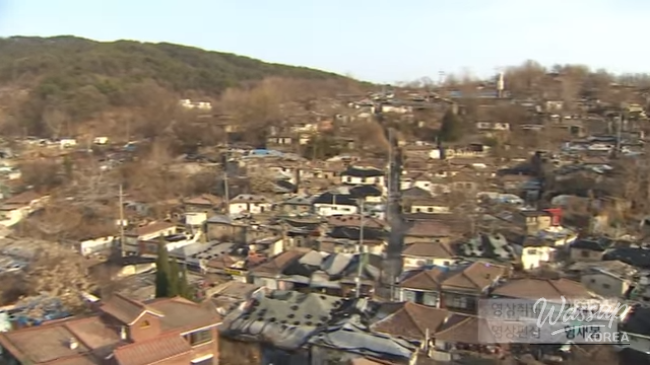
Baeksa Village (백사마을), famously known as the "last moon village" (Daldongne) of Seoul, is currently undergoing a historic transformation. Nestled at the foot of Mt. Bulam in Junggye-dong, this settlement was formed in the late 1960s by residents displaced from central Seoul during rapid urban development. For decades, it remained a living museum of Korea's modern struggles, where narrow alleys and weathered shacks held the warmth of a close-knit community despite the poverty of its surroundings.
As of early 2026, the sounds of human life have largely been replaced by the hum of machinery. Following a groundbreaking ceremony in late 2025, the village has entered its final stage of demolition to make way for a massive residential complex of over 3,100 households. While the physical structures are fading into history, the legacy of Baeksa Village remains a poignant reminder of Seoul's past, symbolizing both the hardships of the working class and the inexorable march of urban progress.
The Origins of 104 Village: A Refugee Haven
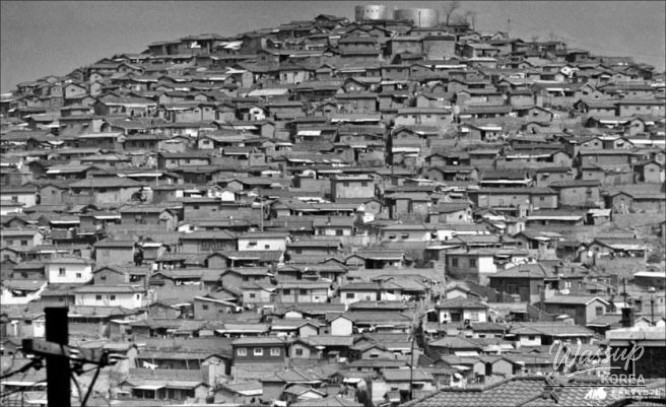
The name "Baeksa" is derived from its former address, Junggye-dong San 104. In 1968, the government relocated people from shantytowns in Cheonggyecheon and other developing areas to this remote hillside. At first, families lived in tents, which gradually evolved into the small, interconnected houses seen today. Over time, Baeksa Village became one of the few places in Seoul where the "taste of human life" and the architectural style of the 1960s and 70s were preserved untouched by modern high-rises.
Redevelopment: A 17-Year Journey to Transformation
The path to modernizing Baeksa Village has been long and difficult. Redevelopment discussions first began in 2008, but the project stalled multiple times due to disagreements over how to preserve the village's unique historical character. After 17 years of debate, the Seoul Housing & Communities Corporation (SH) took over the project, and a final maintenance plan was approved. Construction is now in full swing, with the goal of completing a new "social mix" residential complex by 2028-2029.

A New Symbolic Space: The Social Mix Complex
The future of this hillside will feature 26 buildings, some rising up to 35 stories. In a move toward social integration, the new development will implement a "social mix" approach, ensuring that general sales units and rental units for displaced tenants are integrated within the same buildings. This eco-friendly design aims to harmonize with the natural skyline of Mt. Bulam while providing modern safety and convenience that the original village lacked.
The End of the Moon Village Era in Korea
Korea once had many famous "Moon Villages"—neighborhoods built so high on the mountains that residents said they could almost touch the moon. Places like Bongcheon-dong and Changsin-dong have already been transformed through urban regeneration. With the disappearance of Baeksa Village, a significant chapter of Seoul's modern housing history is closing. For many, the "flower of affection" that once bloomed in these alleys will now hang as an eternal longing in the sky above the new apartments.
Photogallery: Traces of a Disappearing World
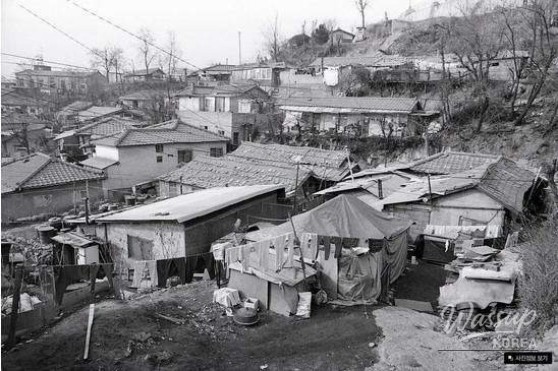
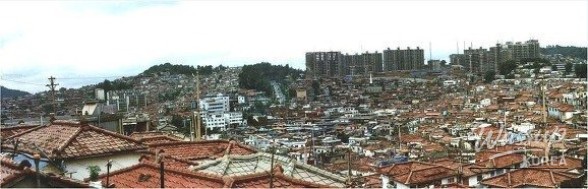
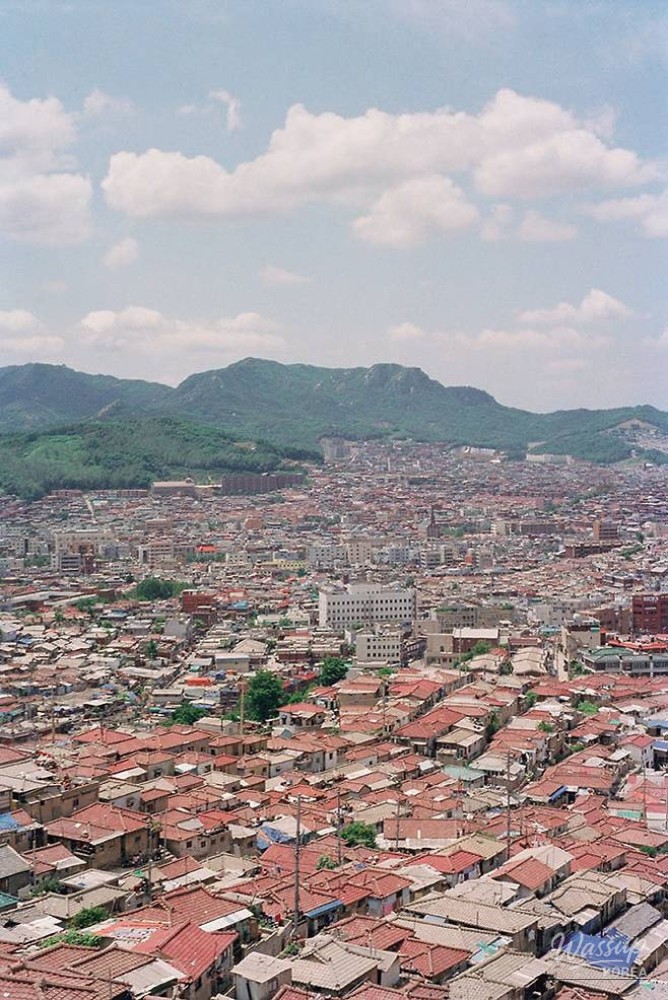
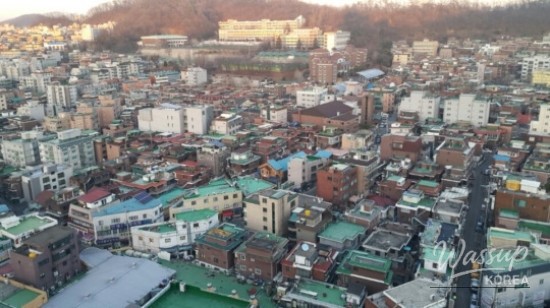
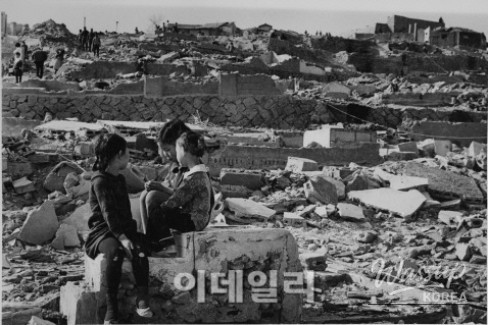
As Baeksa Village fades into the modern skyline, we are left to wonder: how much of a city's soul should be preserved in the name of safety and progress? Have you ever visited a place that felt like it belonged to another time, only to see it change forever? If you're interested in the history of Seoul's urban development, would you like to explore other historical neighborhoods or find out more about the upcoming 2028 completion of the new Bulamsan residential area?
No comments yet.