Simujang: A Space of National Pride
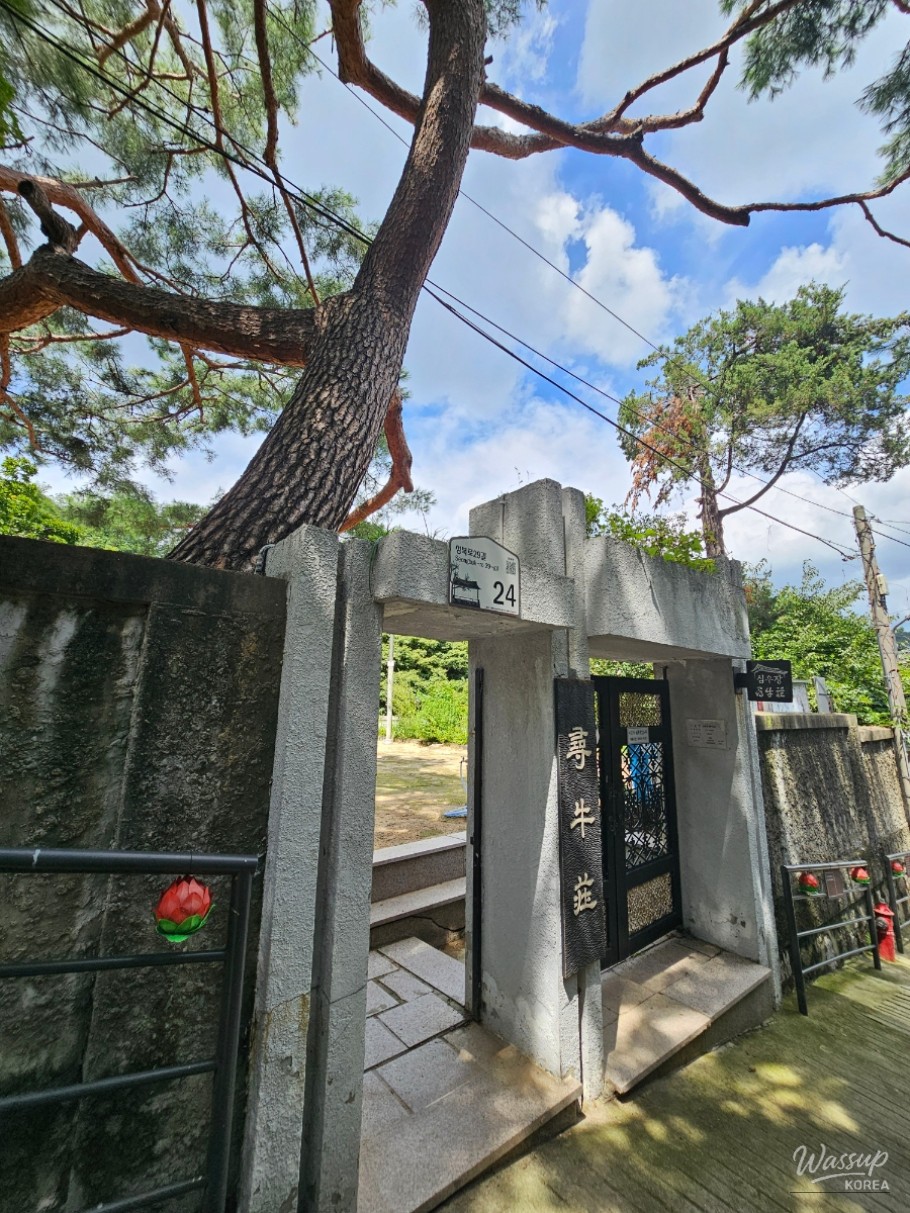
24 Seongbuk-ro 29-gil, Seongbuk-gu, Seoul
심우장



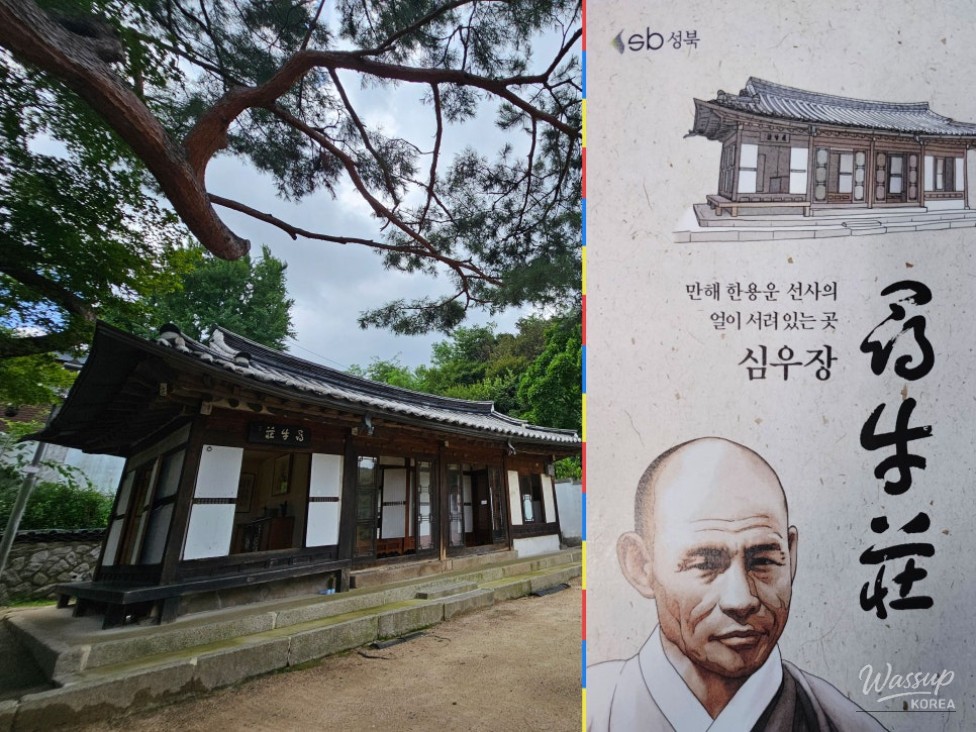
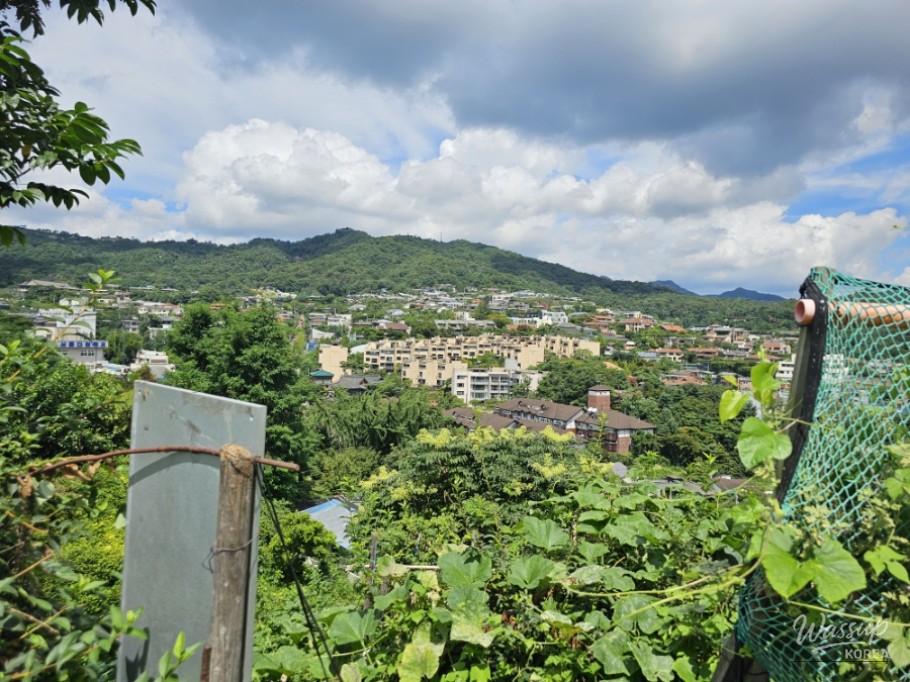
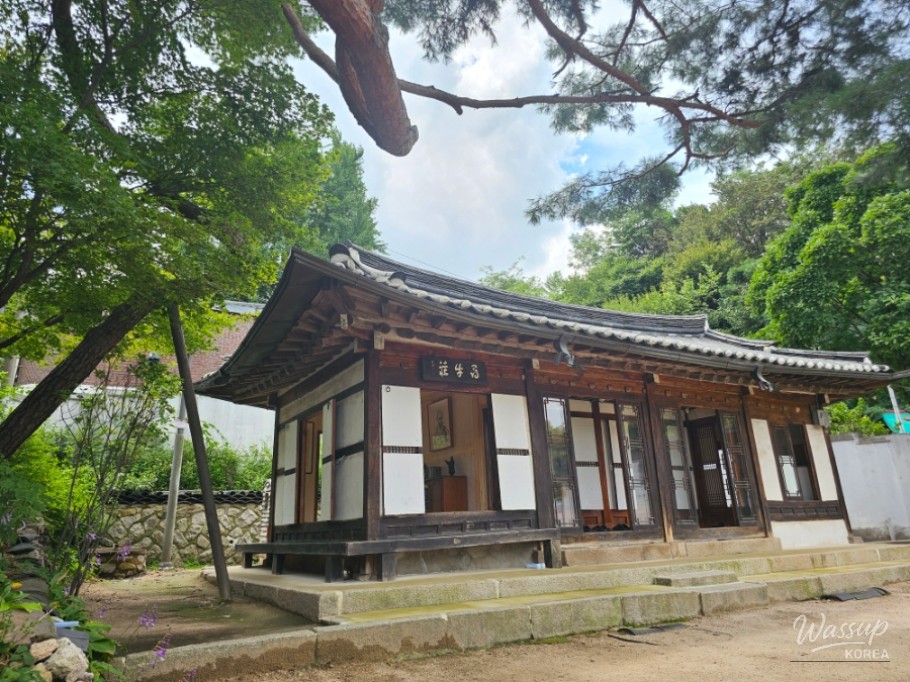
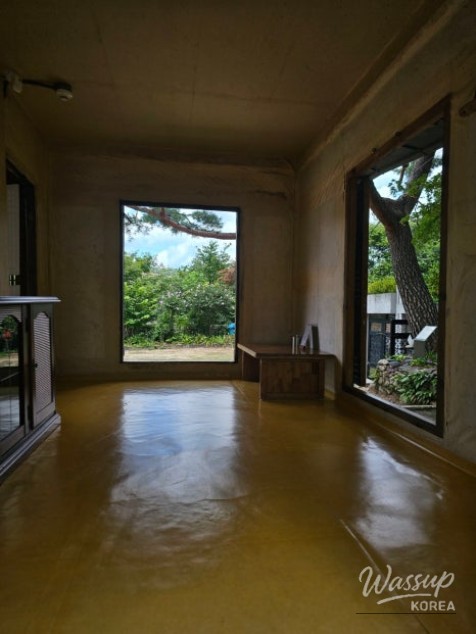
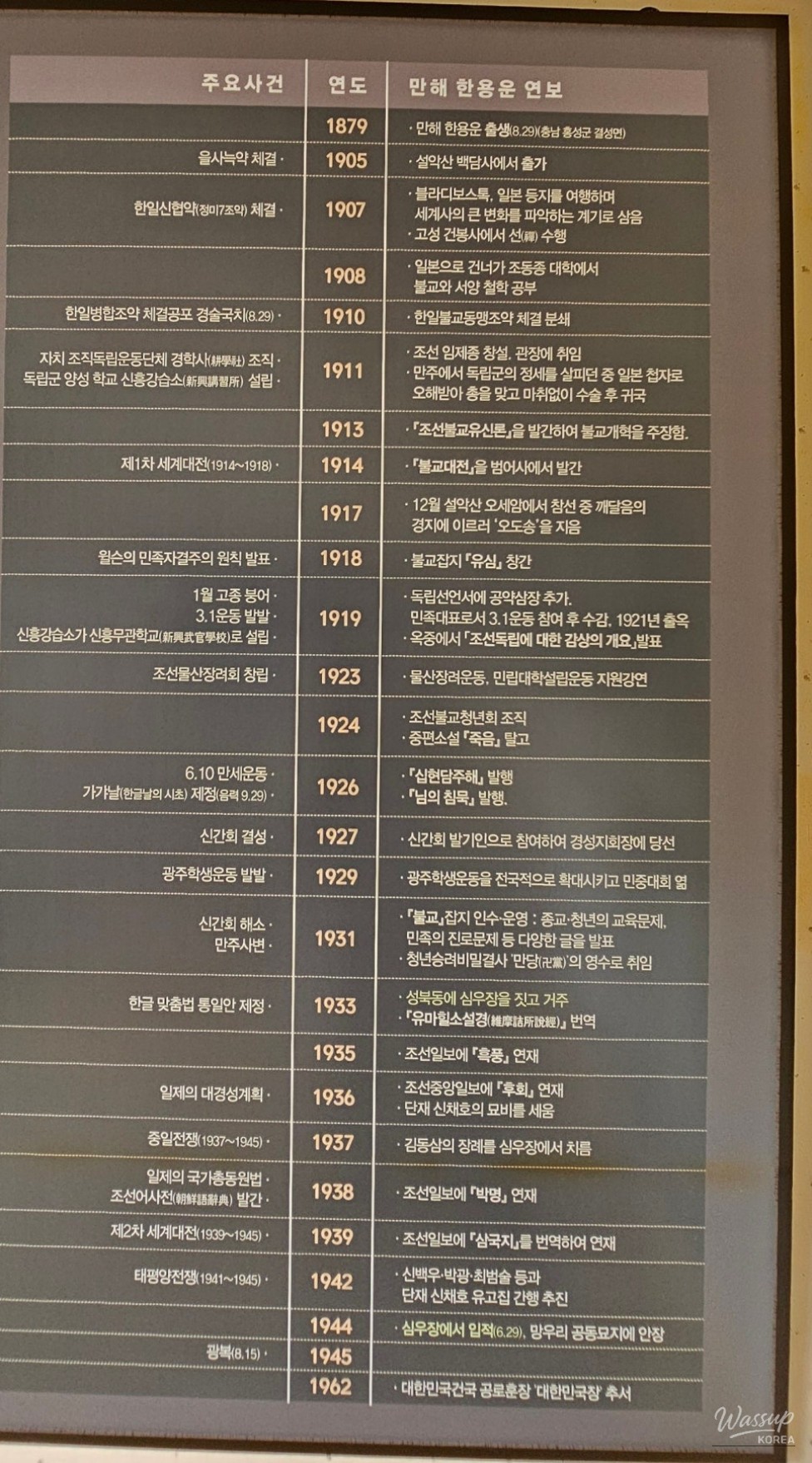
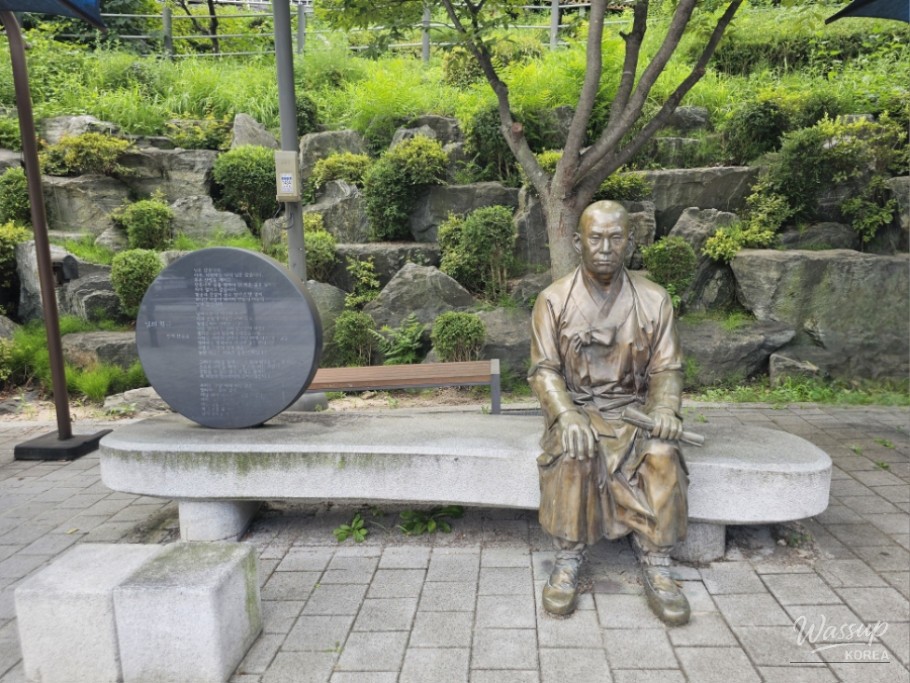
Deep in the quiet valley of Seongbuk-dong lies Simujang (심우장), a place brimming with national pride and the unyielding spirit of the independence activist and poet, Manhae Han Yong-un. Built in 1933, this humble two-room house served as his final residence, where he continued his struggle for Korea's independence until his passing in 1944, just a year before liberation.
The name 'Sim-u' refers to the search for a lost ox, a Buddhist metaphor for the journey toward enlightenment. For Han Yong-un, this search was synonymous with his devotion to his homeland. Today, Simujang stands as a silent witness to his resolute life, offering visitors a chance to reflect on his legacy amidst the historic charm of the Seongbuk-dong neighborhood.
A House Built Facing North to Defy Imperialism
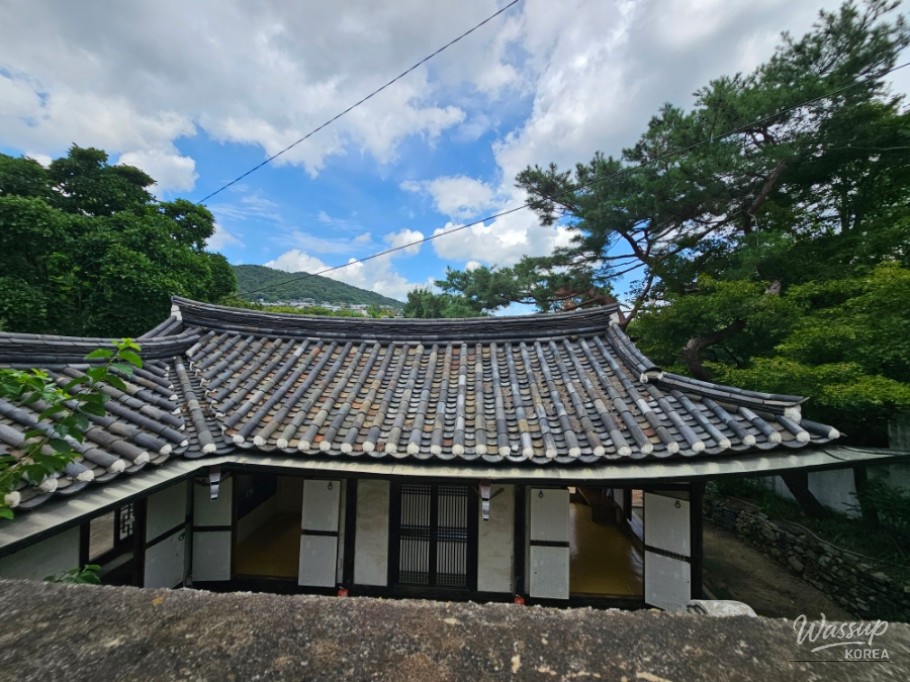
Simujang is unique for its northern orientation. It is said that Han Yong-un intentionally built the house to face north so that it would never face the Japanese Government-General building located to the south. This small but powerful architectural choice perfectly encapsulates his refusal to compromise with Japanese colonial rule, even in his private daily life.
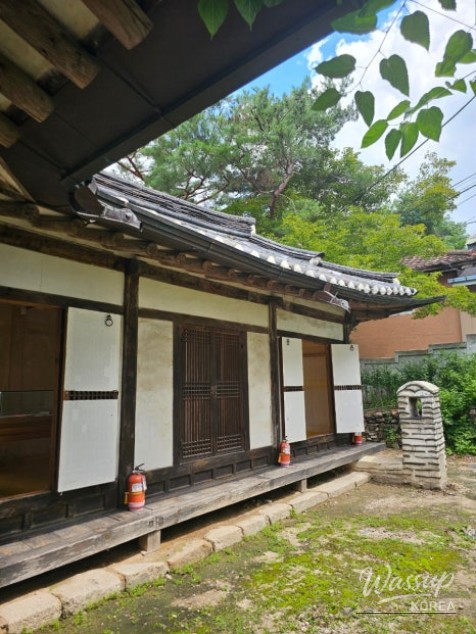
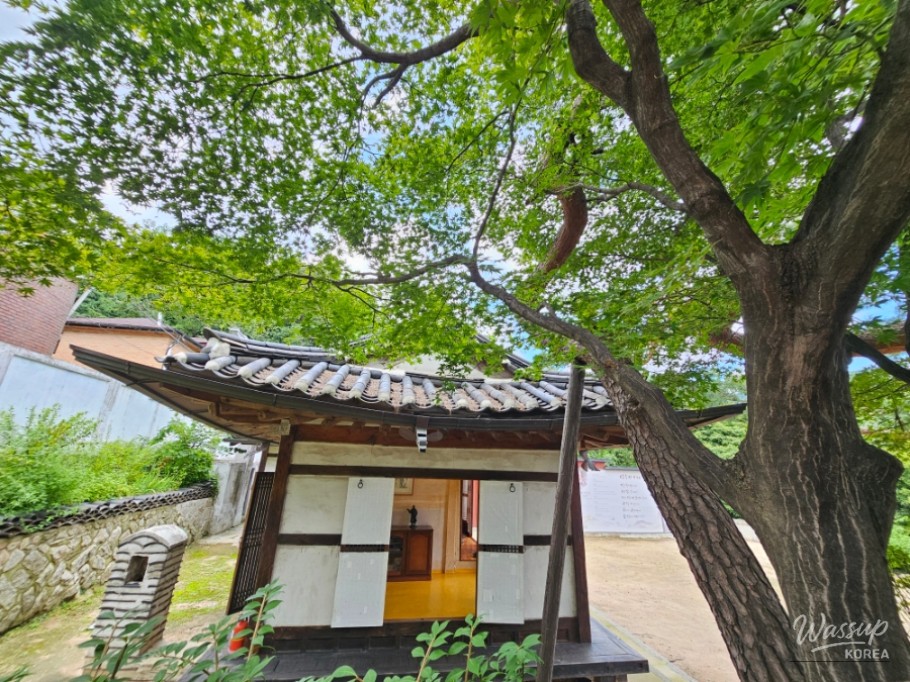
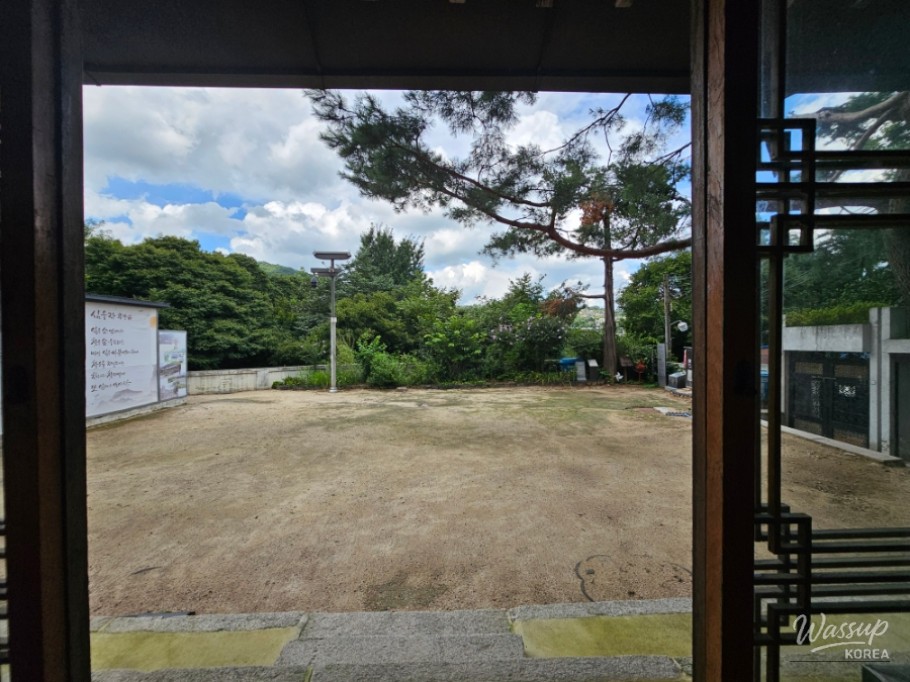
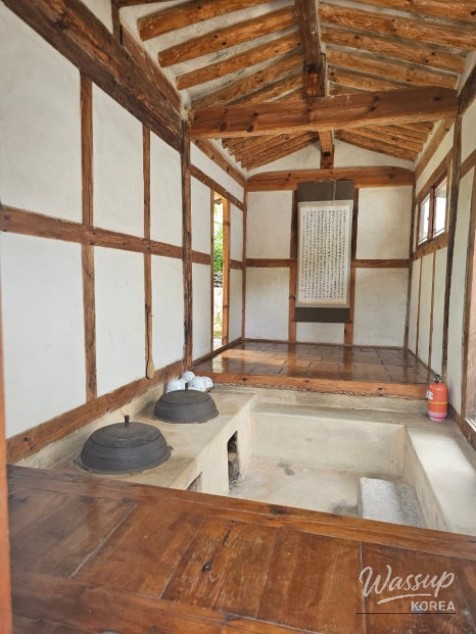
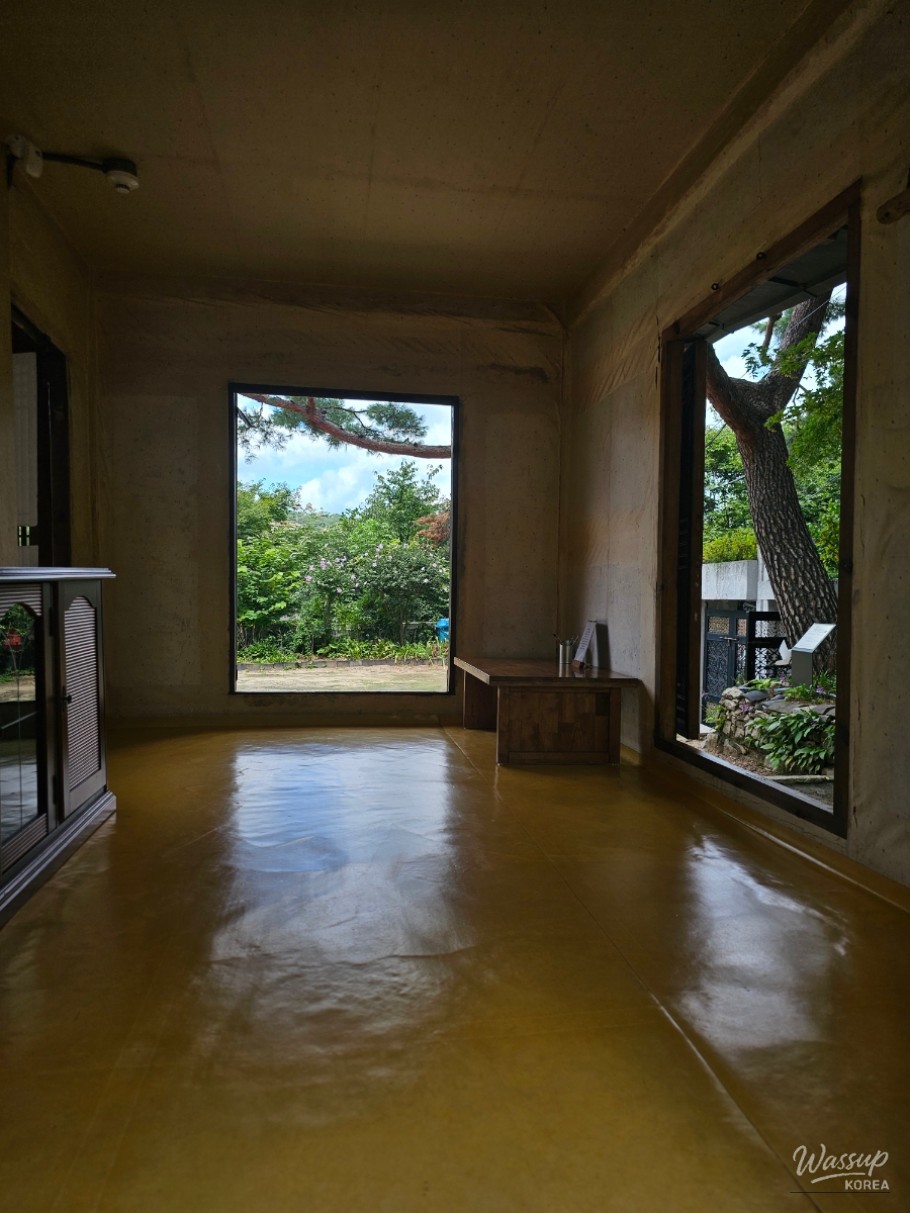
The house itself consists of two simple rooms and a kitchen. Standing by the gate, an old pine tree guards the entrance, creating a tranquil atmosphere that feels worlds away from the busy city. The kindness of the local elders in this community-oriented neighborhood makes the journey to find this hidden historical site even more meaningful.
Preserving the Legacy of Independence Activists
Simujang was not only a home but also a refuge for the spirit of independence. When the activist Ilsong Kim Dong-sam passed away in Gyeongseong Prison, few dared to reclaim his body for fear of Japanese retaliation. It was here at Simujang that Han Yong-un bravely held his funeral, turning his personal space into a sanctuary for a fallen patriot.
Literary Treasures: Majeo Jeolwi and Odosong
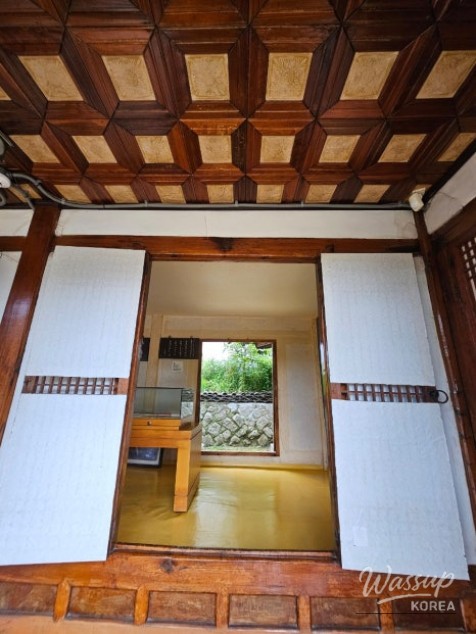
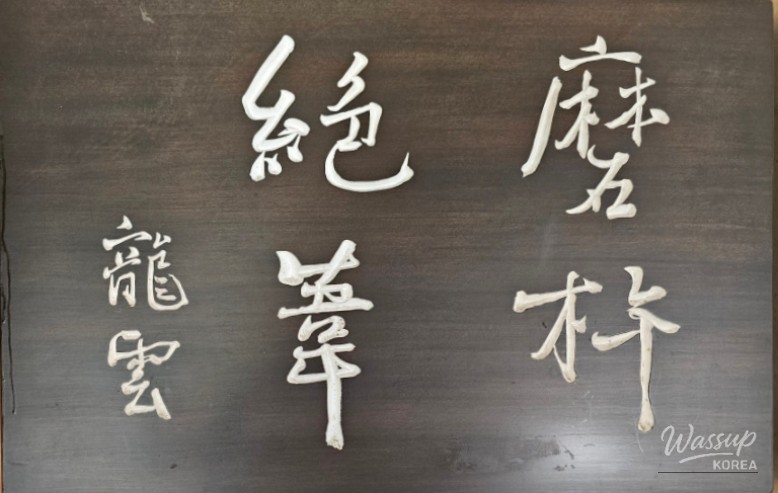
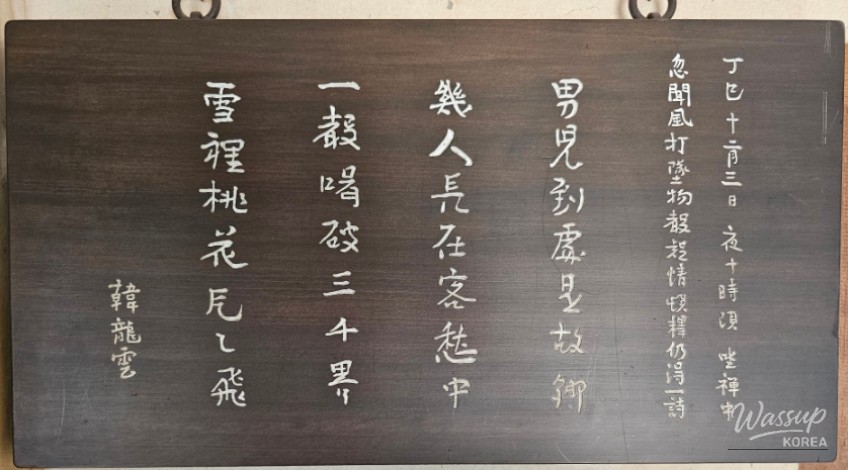
Inside the residence, visitors can find wood carvings of Han Yong-un’s calligraphy. One notable piece is 'Majeo Jeolwi (磨杵絶葦)', a message to his disciples to study diligently without rest. Another powerful work is his 'Odosong (悟道頌)', or Song of Enlightenment, which reflects his belief that his true homeland was the spirit of the nation itself.
Remembering the Author of 'The Silence of Love'
Han Yong-un is perhaps best known to the public as the author of the poetry collection 'The Silence of Love' (Nim-ui Chimmuk). Published in 1926, his poems often used the metaphor of a missing lover to represent the lost sovereignty of Korea. Even after his death on June 29, 1944, his words continue to echo through the halls of Simujang and the hearts of the Korean people.
Visiting Simujang: Directions and Information
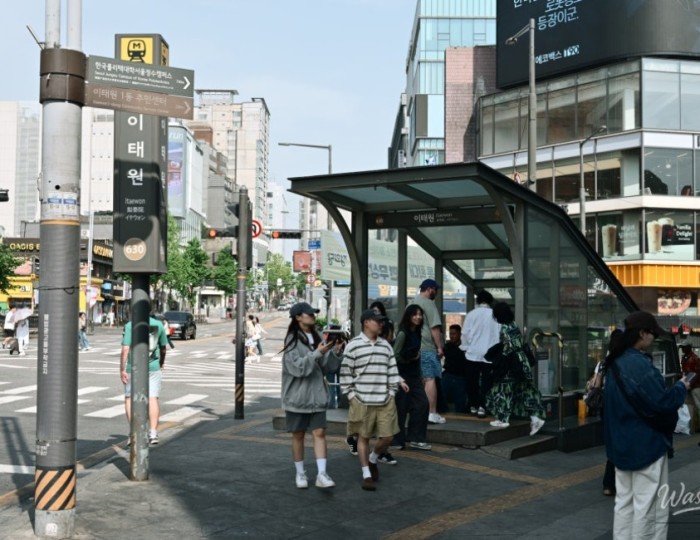
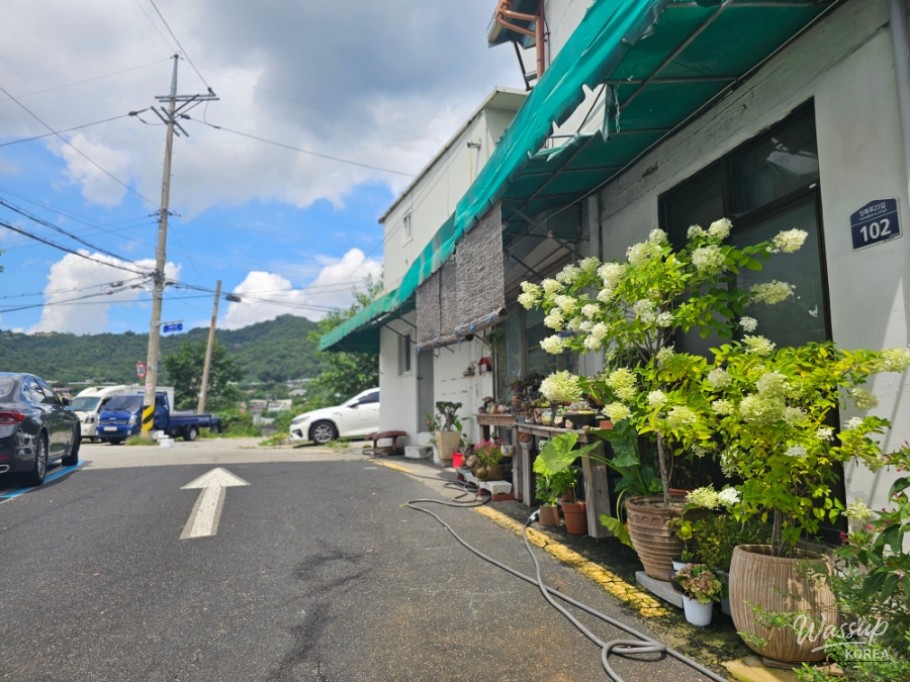
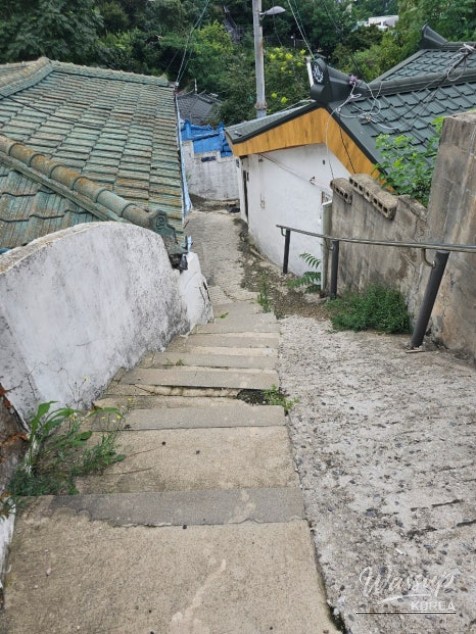
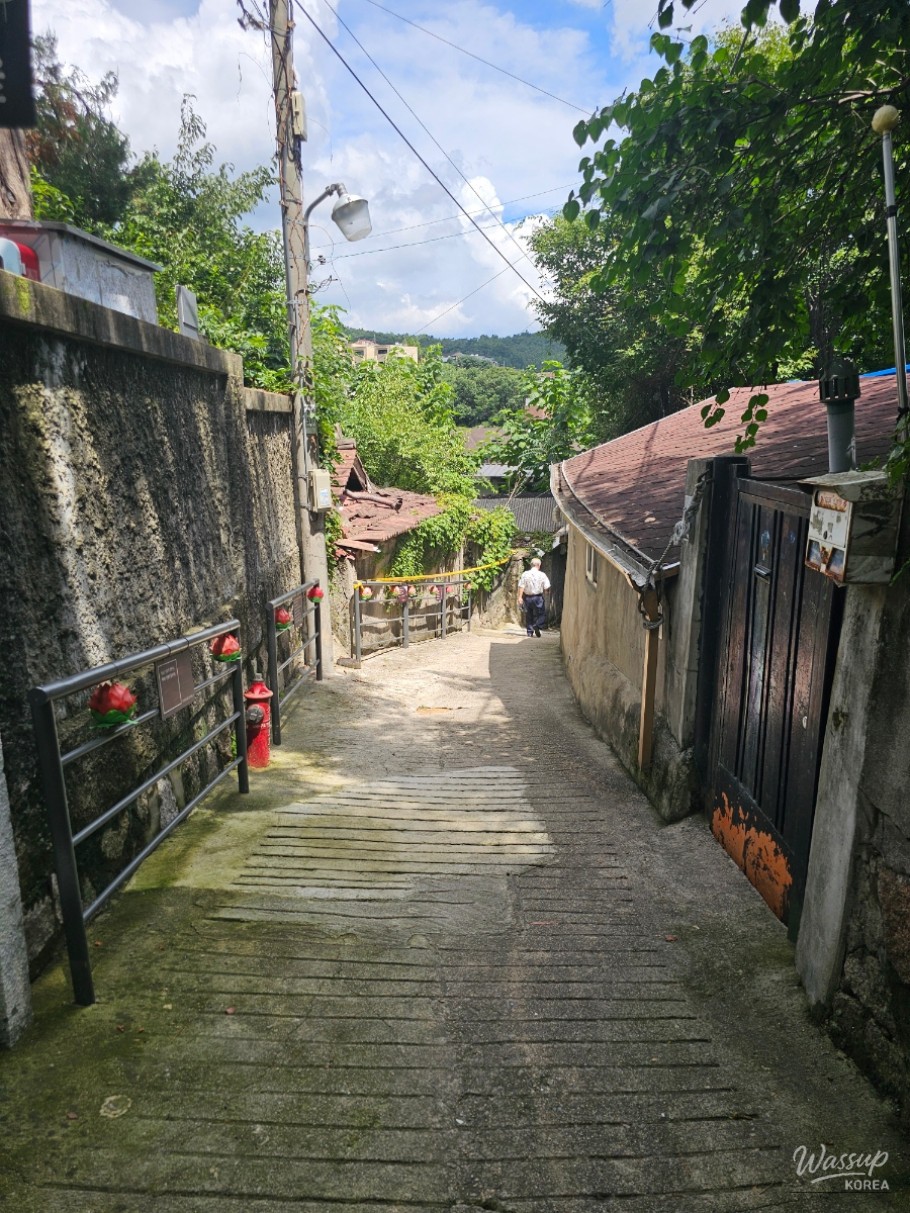
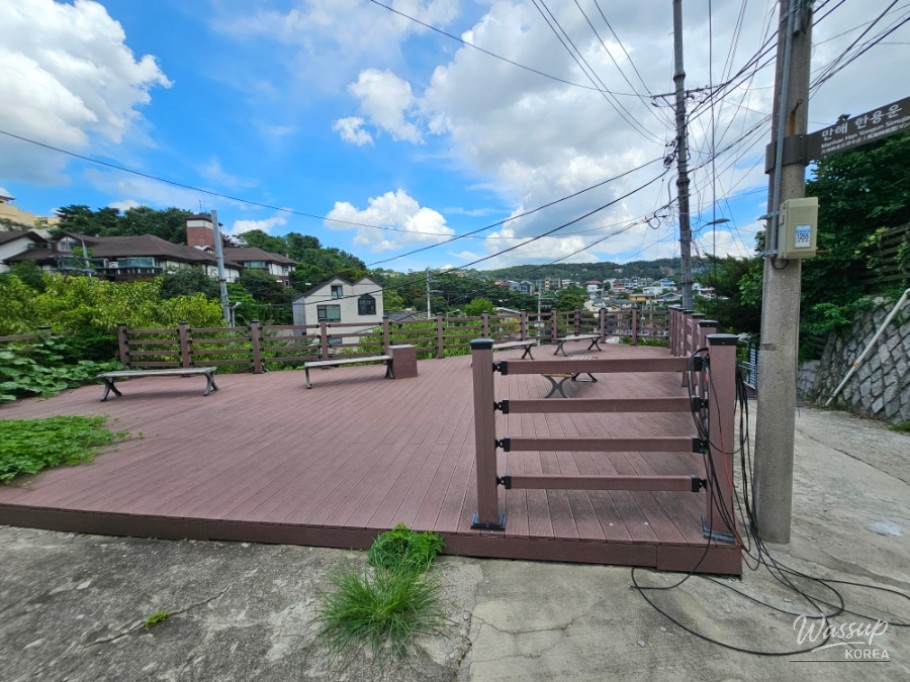
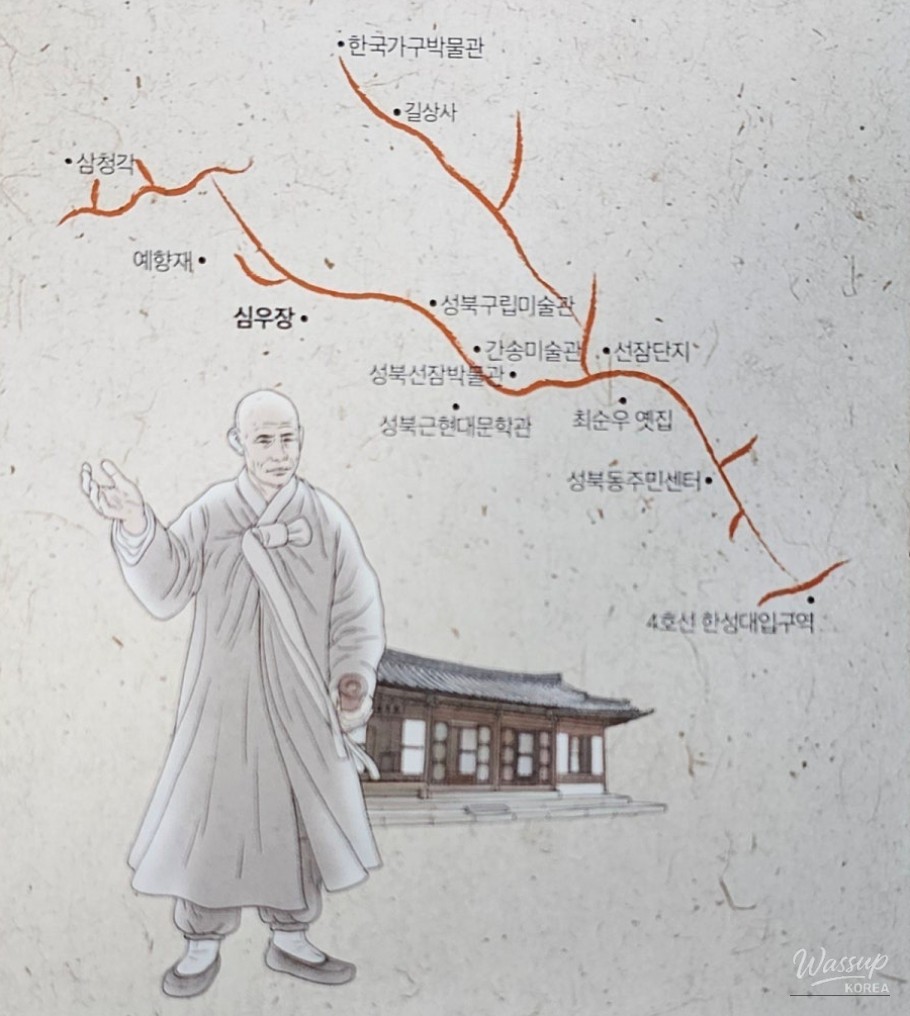
Simujang is open to the public daily from 9:00 AM to 6:00 PM. To reach this historic site, take the Village Bus No. 03 from Hansung University Station (Exit 6) and get off at the 'Sanmaul Super' stop. A short walk down the narrow alleys of Seongbuk-dong leads you to the gate where history breathes.
The neighborhood around Simujang is also rich in literary history, including the nearby site of novelist Kubo Park Tae-won's house. Walking down the stone-walled paths of this area provides a contemplative experience that connects you to the intellectual and patriotic fervor of the mid-20th century.
Have you ever visited a place where the architecture itself tells a story of resistance and patriotism, or do you have a favorite poem by Manhae Han Yong-un that moves you? While exploring Seongbuk-dong, I also recommend stopping by the nearby Suyeonsanbang tea house for a traditional experience. Would you like me to help you plan a full walking tour of this historic neighborhood?
No comments yet.