Seounam Hermitage: Home to the 160,000 Ceramic Sutra Tablets
108 Tongdosa-ro, Habuk-myeon, Yangsan-si, Gyeongsangnam-do
서운암



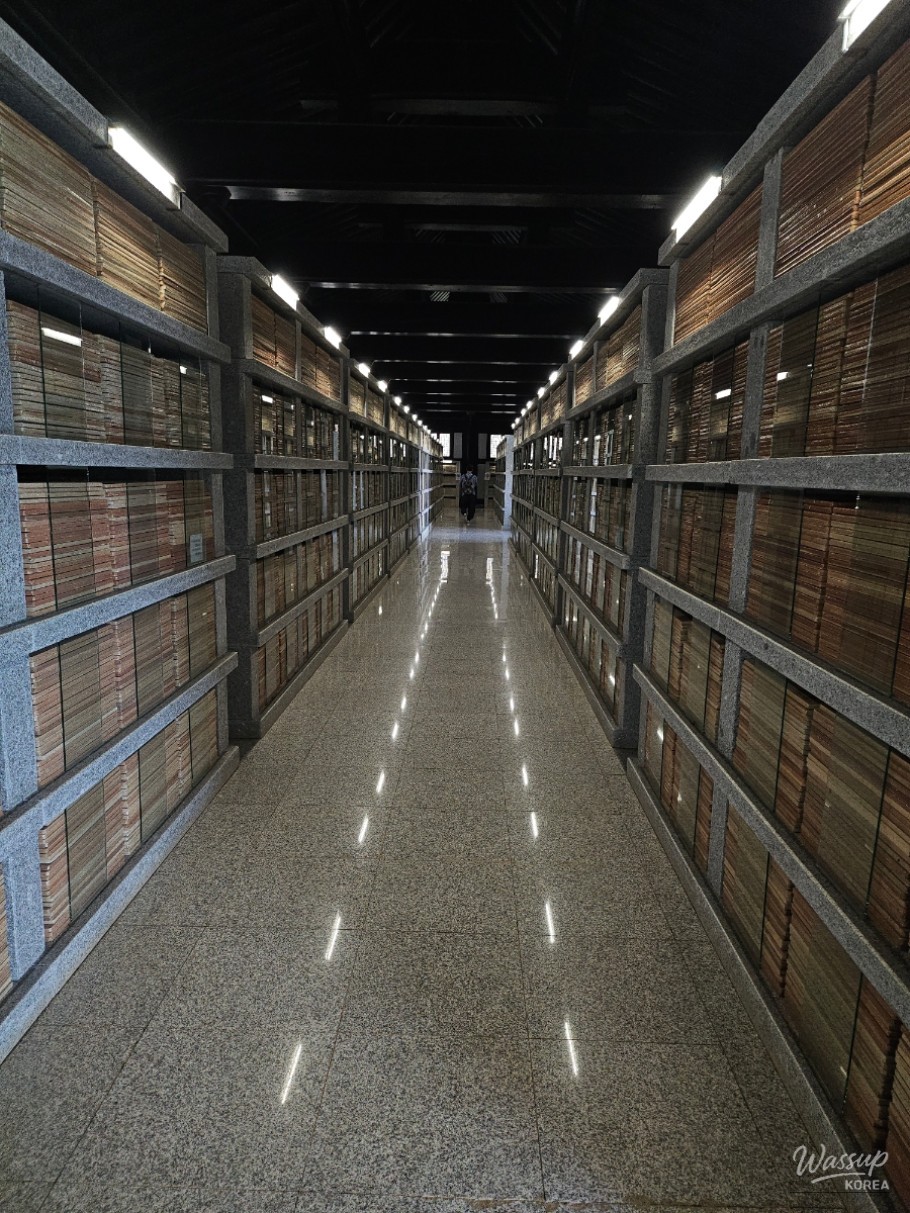
Located within the serene grounds of Yeongchuksan Mountain in Yangsan, Seounam (서운암) is one of the nineteen beautiful hermitages belonging to the famous Tongdosa Temple. This site is home to the remarkable Janggyeonggak, a dedicated hall that preserves a massive collection of 160,000 ceramic sutra tablets.
Unlike the traditional wooden blocks found at Haeinsa Temple, these tablets are made of durable ceramic, representing a monumental spiritual and artistic achievement. Visitors can explore the intricate layout of the hall and witness the result of nearly two decades of dedicated craftsmanship and faith.
The 160,000 Ceramic Tripitaka: A Modern Masterpiece
The ceramic tablets housed here are a reinterpretation of the famous Tripitaka Koreana (Palman Daejanggyeong). While the original wooden version consists of about 80,000 blocks, this ceramic project expanded the collection to over 160,000 tablets, capturing the sacred texts in a form designed to last for millennia.
This massive undertaking was initiated in 1991 by the Venerable Seongpa Sunim. It took nearly twenty years of constant effort to engrave and fire each tablet, finally reaching completion in 2010. The scale of the project is truly breathtaking, reflecting a profound commitment to preserving Buddhist wisdom for future generations.
Walking Through the Maze of Sacred Texts
The interior of the Janggyeonggak is as fascinating as the tablets themselves. The hall is designed like a maze, allowing visitors to walk between the rows of ceramic tablets in a meditative fashion. This layout encourages a slow, reflective pace as you are surrounded by tens of thousands of sacred inscriptions.
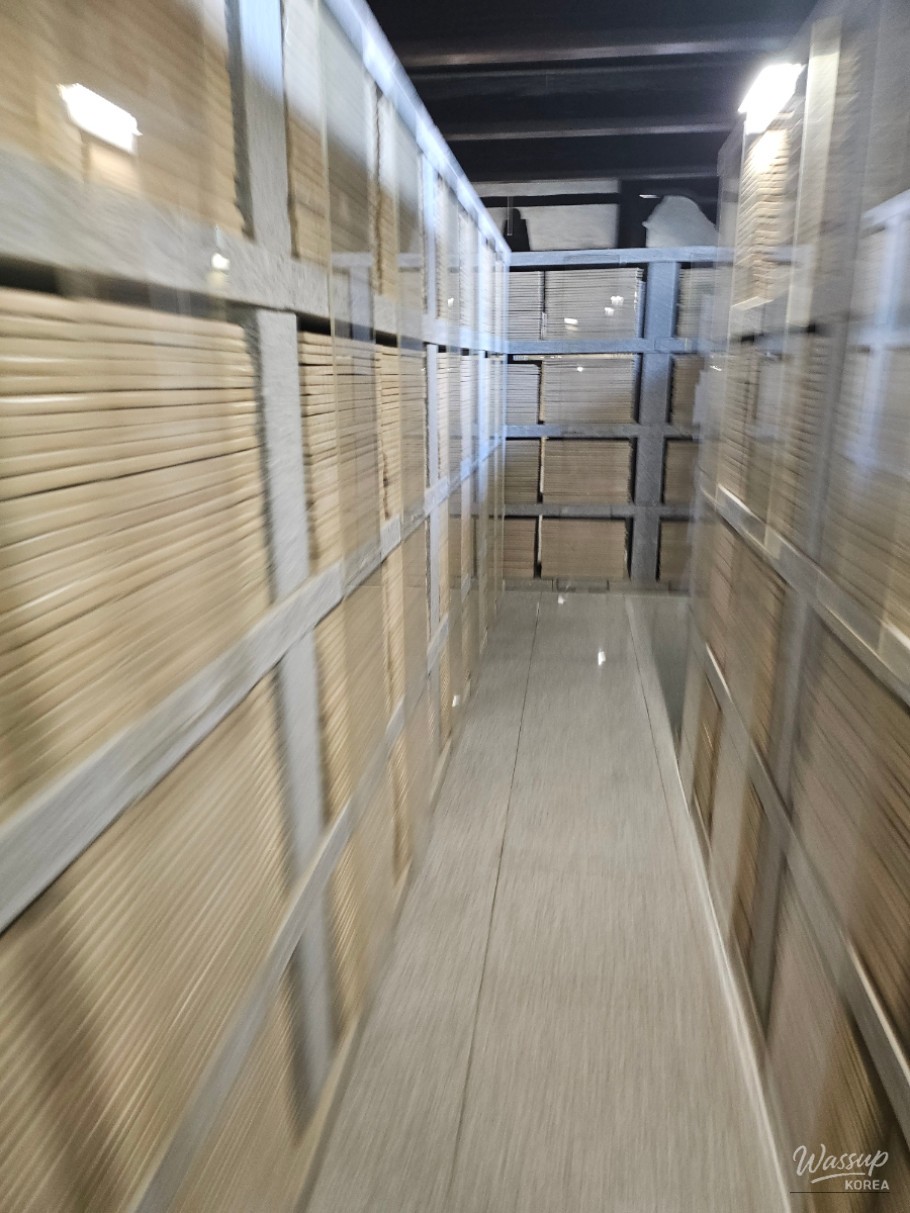
As you navigate the quiet corridors, the sheer volume of the 160,000 tablets creates an overwhelming sense of peace and awe. The ceramic material gives the tablets a unique texture and weight, standing as a modern symbol of Korea's enduring Buddhist tradition and its mastery of ceramic art.
Peaceful Scenery of Yeongchuksan Mountain
Beyond the historical and religious significance of the tablets, Seounam is well-known for its beautiful natural surroundings. The hermitage is particularly famous for its fields of wildflowers and traditional earthen jars (jangdokdae), which harmonize perfectly with the mountain landscape.
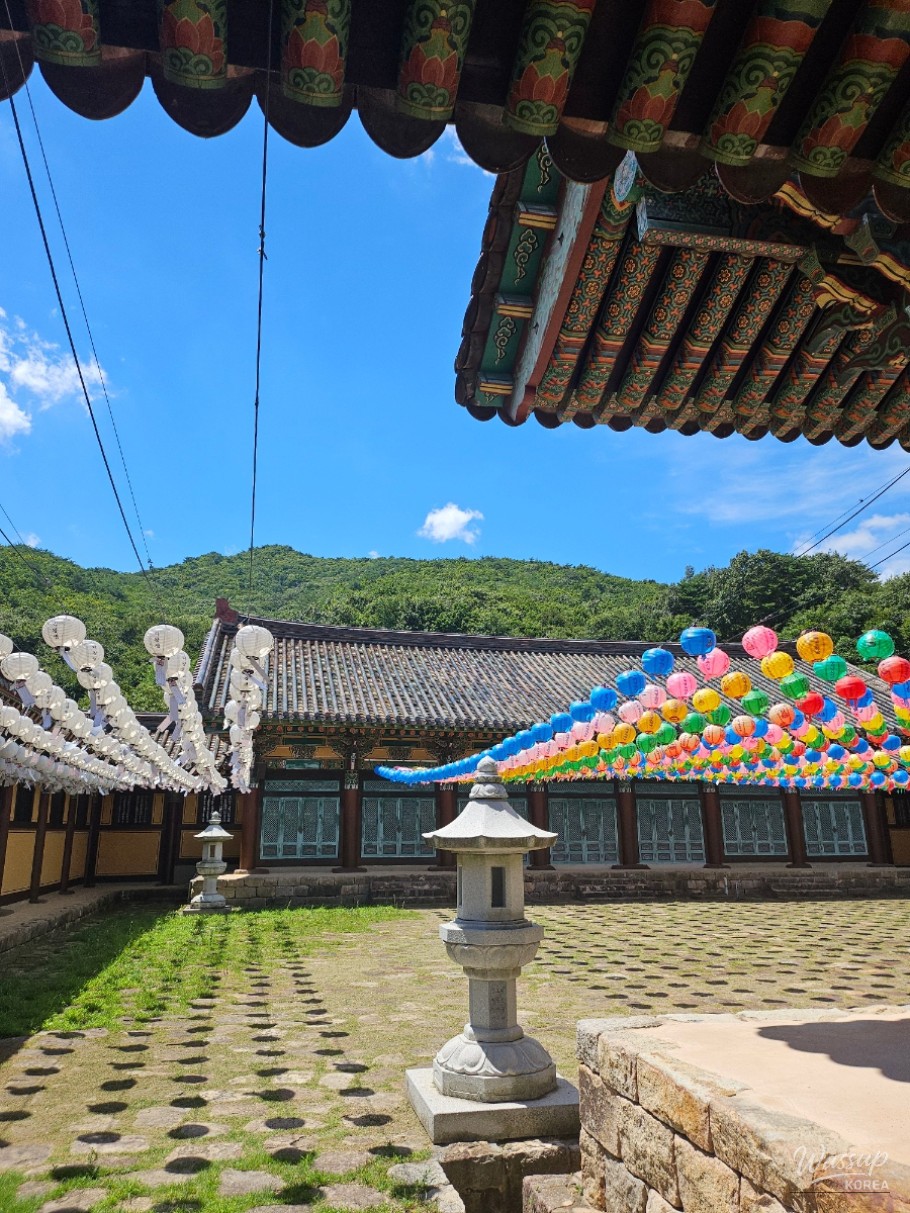
Visiting Seounam offers a perfect blend of cultural exploration and natural healing. After walking through the maze of the Janggyeonggak, visitors can enjoy the quiet mountain air and the view of the surrounding peaks, making it a must-visit destination for anyone traveling to Yangsan or Tongdosa Temple.
Have you ever experienced the meditative silence of a temple maze, or are you interested in how ancient traditions are preserved through modern materials like ceramic? If you are exploring the Yangsan area, I also recommend taking a walk through the main Tongdosa Temple complex nearby. What is your favorite mountain hermitage in Korea?
No comments yet.