Secret Garden of Changdeokgung Palace in August
99 Yulgok-ro, Jongno-gu, Seoul
창덕궁




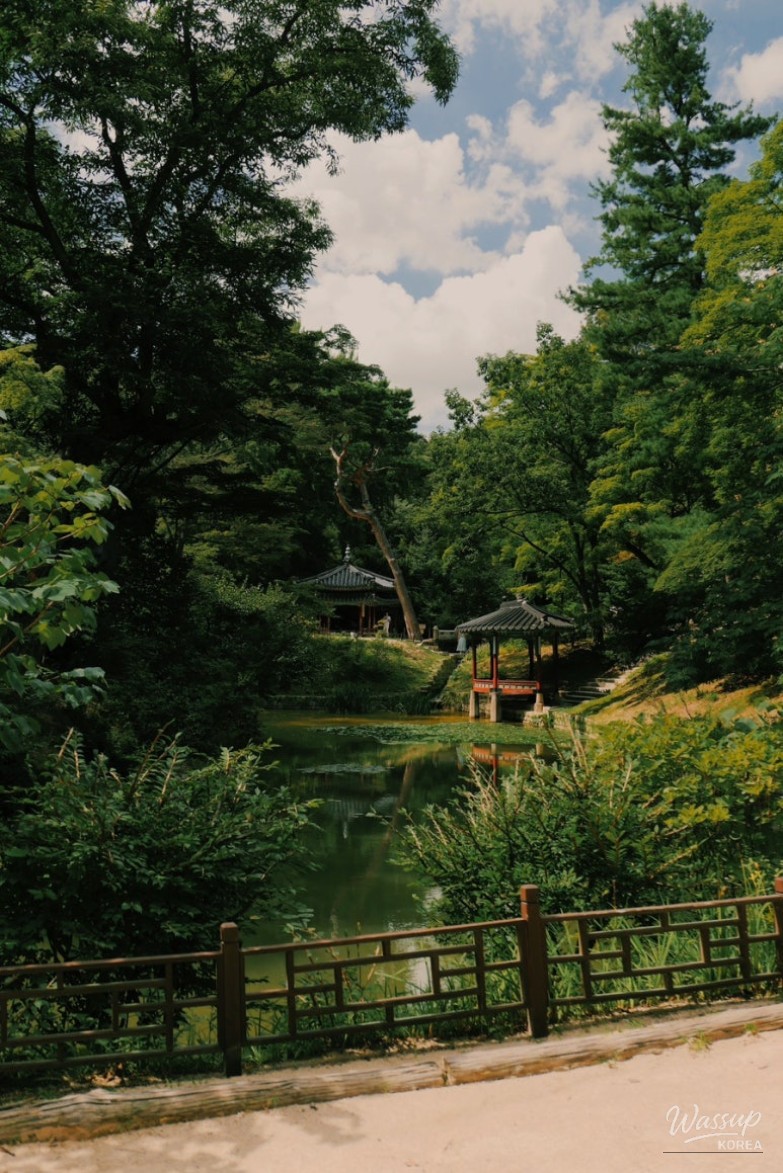
Changdeokgung Palace (창덕궁) is widely regarded as the most beautiful of Seoul's five grand palaces, but its true crown jewel is the Secret Garden (Huwon). Covering over 60% of the palace grounds, this restricted area was once the private sanctuary of kings and royal family members. Unlike other gardens that manipulate nature, the Secret Garden was designed to harmonize with the existing topography, creating a serene landscape where traditional architecture and lush forests become one.
Visiting the Secret Garden is a special experience that requires careful planning due to its strict entry limits. In 2025 and 2026, the garden continues to offer a rare glimpse into royal leisure, featuring mystical ponds, ancient pavilions, and even a thousand-year-old "Ara lotus" that was recently brought back to life. Whether you are a history buff or simply seeking a peaceful escape in the heart of Seoul, a guided walk through these sacred grounds is a journey back in time that you won't soon forget.
Planning Your Visit: Reservations and Tickets
The Secret Garden is only accessible via guided tours, with entry limited to 100 people per time slot. To secure your spot, it is highly recommended to book online through the official integrated reservation system, as tickets often sell out within minutes of opening. If you miss the online window, you can try for one of the 50 on-site tickets available each day, but be prepared to arrive early as the competition for these spots is intense.

Admission Fees and Entry Tips (2026)
To see the Secret Garden, you must purchase both the general palace admission (₩3,000) and the specific Secret Garden ticket (₩5,000), totaling ₩8,000. For those planning to visit multiple palaces, the Royal Palace Pass (₩10,000) is the best value. Note that while Changdeokgung and Changgyeonggung are adjacent, they currently require separate entrance fees if you cross between them, so plan your route accordingly to avoid extra costs.
Buyongji Pond: The Heart of Royal Contemplation
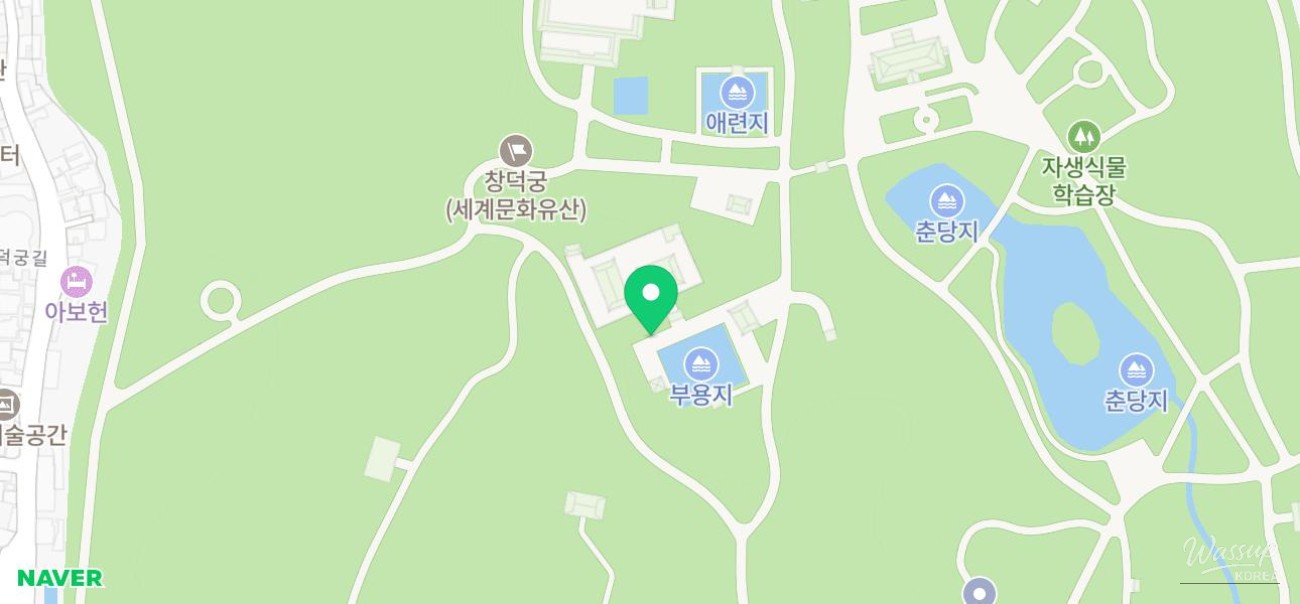
The tour typically begins at the iconic Buyongji Pond. The square pond with a round island in the center represents the traditional East Asian worldview of "square earth and round sky." Facing the pond is the magnificent Juhamnu Pavilion, which housed the royal library, and Yeonghwadang, a pavilion where civil service exams were occasionally held and kings hosted banquets while enjoying the water view.
A highlight of the 2025 season was the blooming of a single Ara lotus in Buyongji. This extraordinary flower grew from a seed buried in the mud since the Silla Dynasty and was successfully germinated and planted here. Seeing this ancient life bloom in the present day adds a profound layer of history to the already mystical atmosphere of the garden, connecting the modern visitor to over a thousand years of Korean heritage.
Pavilions of Leisure: Aeryeonjeong and Yeongyeongdang
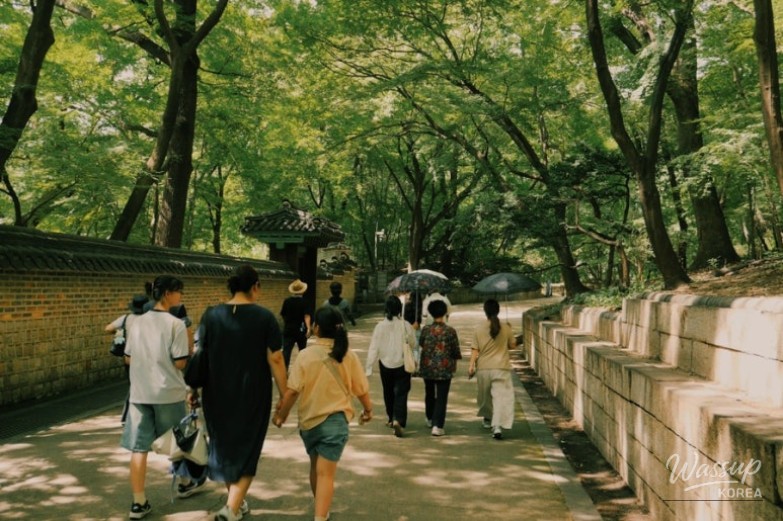
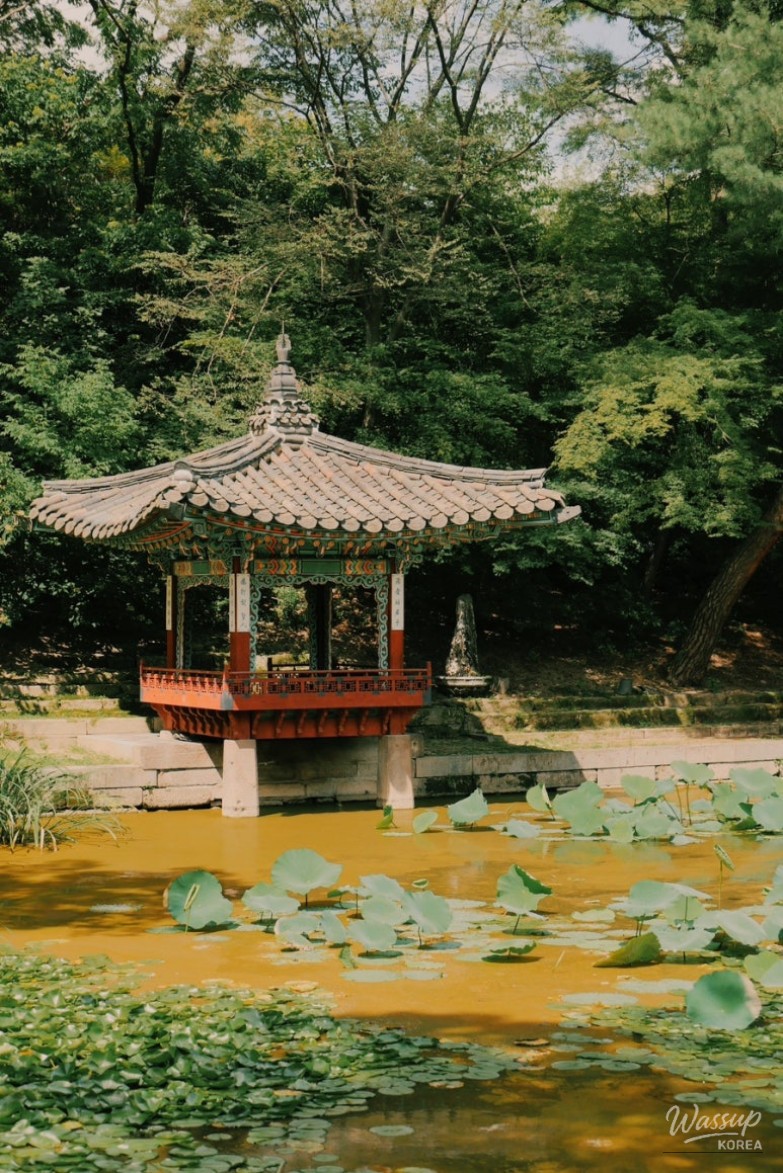
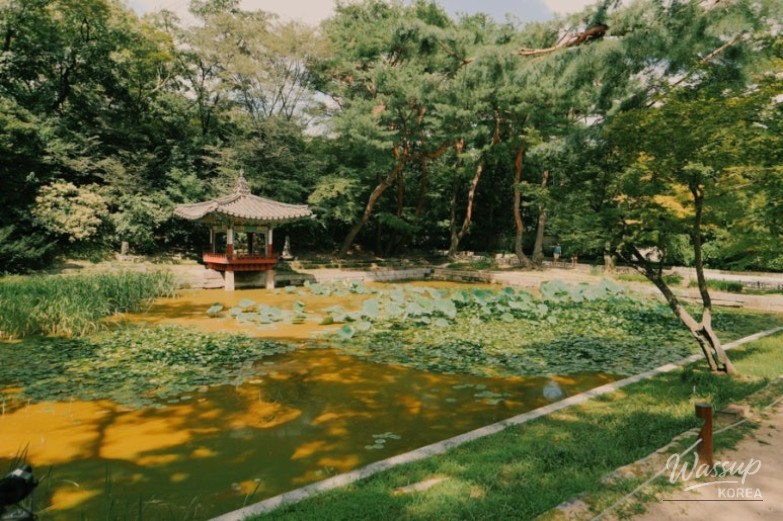
As you walk deeper into the garden, the forest thickens and the air becomes noticeably cooler. You'll encounter Aeryeonjeong Pavilion, whose name means "loving the lotus." This small, elegant structure sits right on the edge of a pond, designed specifically for a king to sit and reflect in total peace. The garden's philosophy of minimal intervention is most evident here, as the buildings seem to sprout naturally from the landscape.

Eternal Happiness at Jangnakmun Gate
The tour also visits Yeongyeongdang, a complex built in the style of a traditional nobleman's house rather than a palace building. Its entrance, the Jangnakmun Gate, carries a signboard written by Heungseon Daewongun that means "Enjoy Happiness Forever." Inside, the guide points out subtle details like the dragon carvings on the wooden beams, symbolizing the hidden authority of the king even in his most private moments of leisure.

Photogallery: Capturing the Secret Beauty





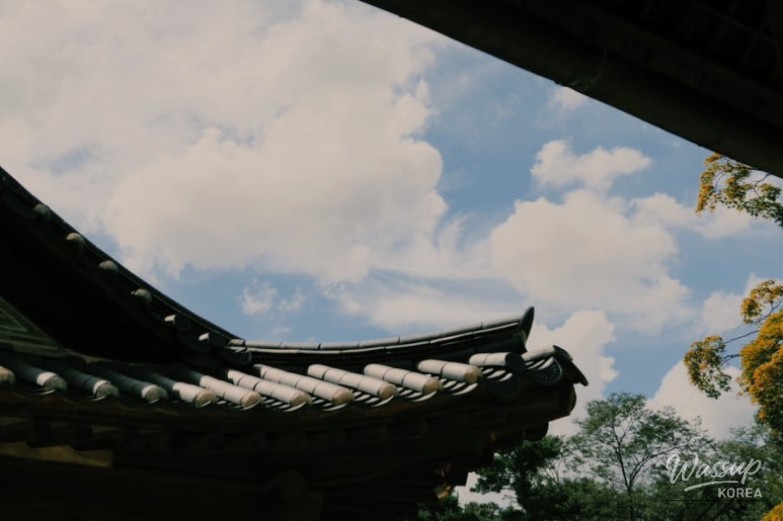


Walking through the Secret Garden is an unforgettable experience that makes you feel like royalty for a day. Have you ever stood in a garden that felt completely isolated from the modern world? If you're planning a visit, would you like me to find the specific reservation link or perhaps suggest a nearby Hanok cafe in Bukchon to visit after your tour?
No comments yet.