Reflections and Contemplations: A Visit to the National Museum of Korea
137 Seobinggo-ro, Yongsan-gu, Seoul
국립중앙박물관



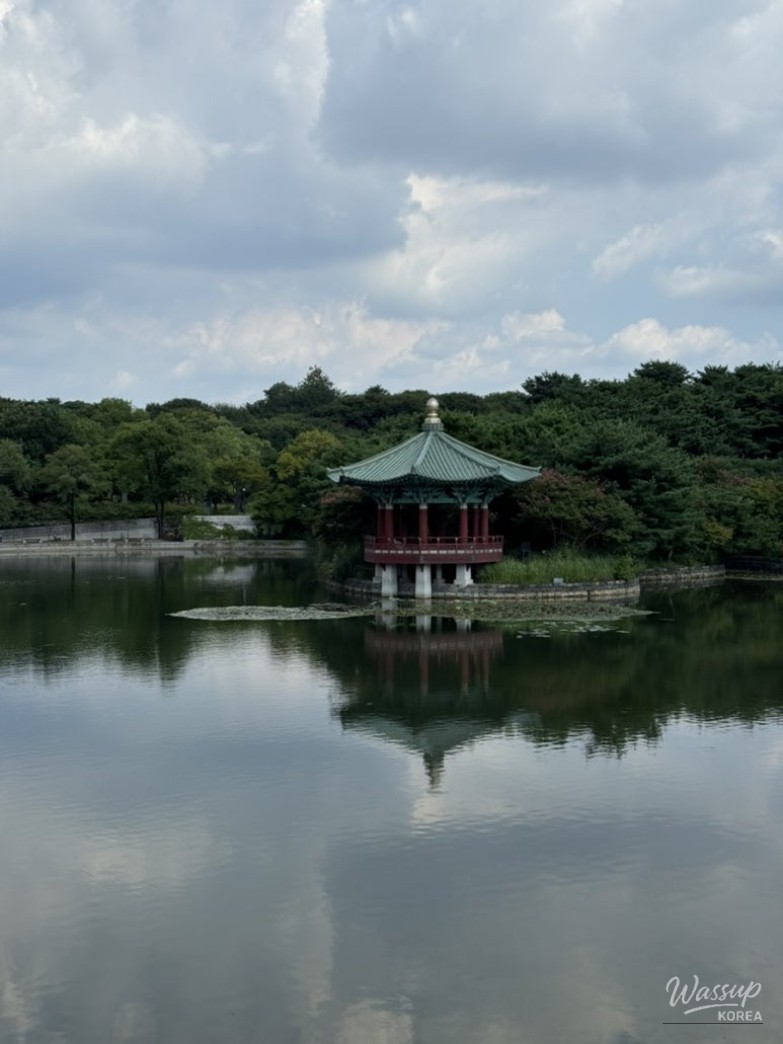
The National Museum of Korea (국립중앙박물관) in Yongsan is a sanctuary of art and history where the soul finds rest. Beyond just an exhibition space, it is a "room for thought," offering visitors a rare opportunity to pause and reflect. From the shimmering reflection pond at the entrance to the profound silence of the specialized galleries, every corner of this world-class institution is designed to evoke a sense of deep contemplation and healing.
In 2025, the museum remains a top destination for those seeking the "Moon Jar experience" and the meditative gaze of National Treasures. Whether you are mesmerized by the subtle curves of Joseon-era ceramics or the enigmatic smiles of ancient Buddhist statues, the museum provides a surreal escape from the city's hustle. It is a place where you can truly "space out" and let the timeless beauty of Korean culture wash over you, leaving you refreshed and spiritually recharged.
The Room of Quiet Contemplation: Meeting the Pensive Bodhisattvas
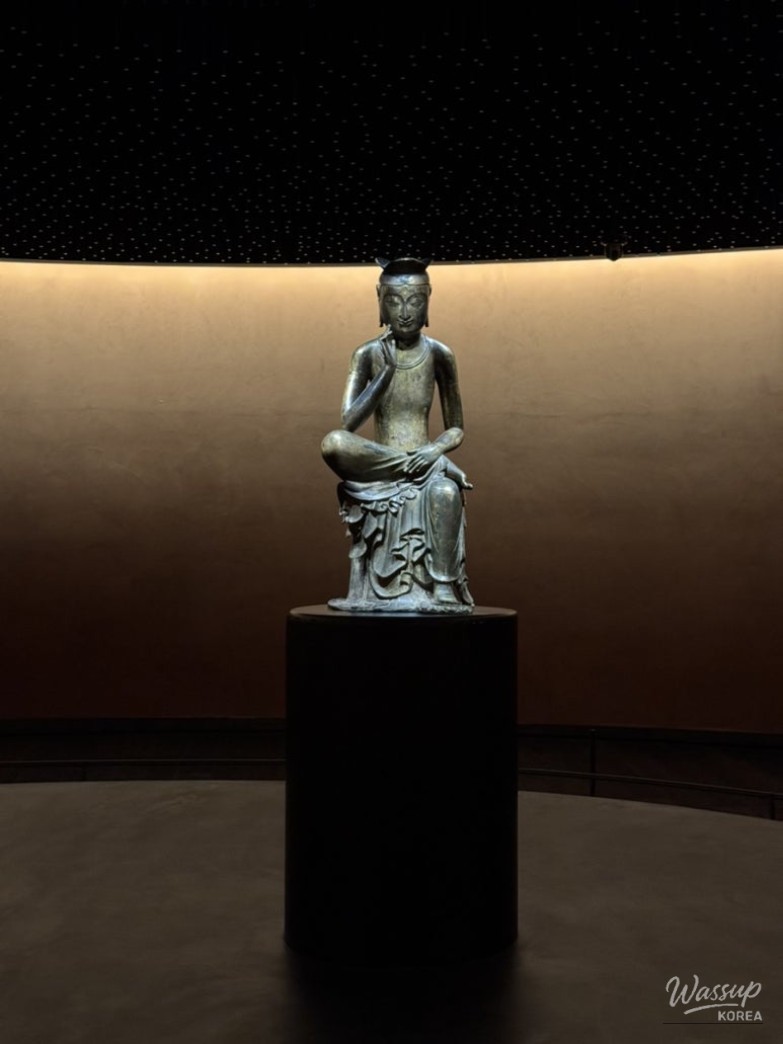
The journey into tranquility peaks at the Room of Quiet Contemplation (사유의 방). Located on the second floor, this circular space is exclusively dedicated to two National Treasure Pensive Bodhisattva statues. The room is a masterpiece of sensory design—overall dark with focused lighting that captures the mysterious, faint smiles of the statues. Walking around these figures, who sit lost in thought with fingers touched to their cheeks, creates an overwhelming feeling of serenity that transcends time.
A Space for Modern Meditation
The museum encourages visitors to simply "space out" here. There is no need for explanations or rushed schedules. Sitting in the silence, watching how the light hits the gilt-bronze surfaces, many find they don't even miss famous international galleries like the Louvre. It is a world-class meditative experience that invites you to lose yourself in thought and find your own inner peace.
The Moon Jar: Gaze and Healing
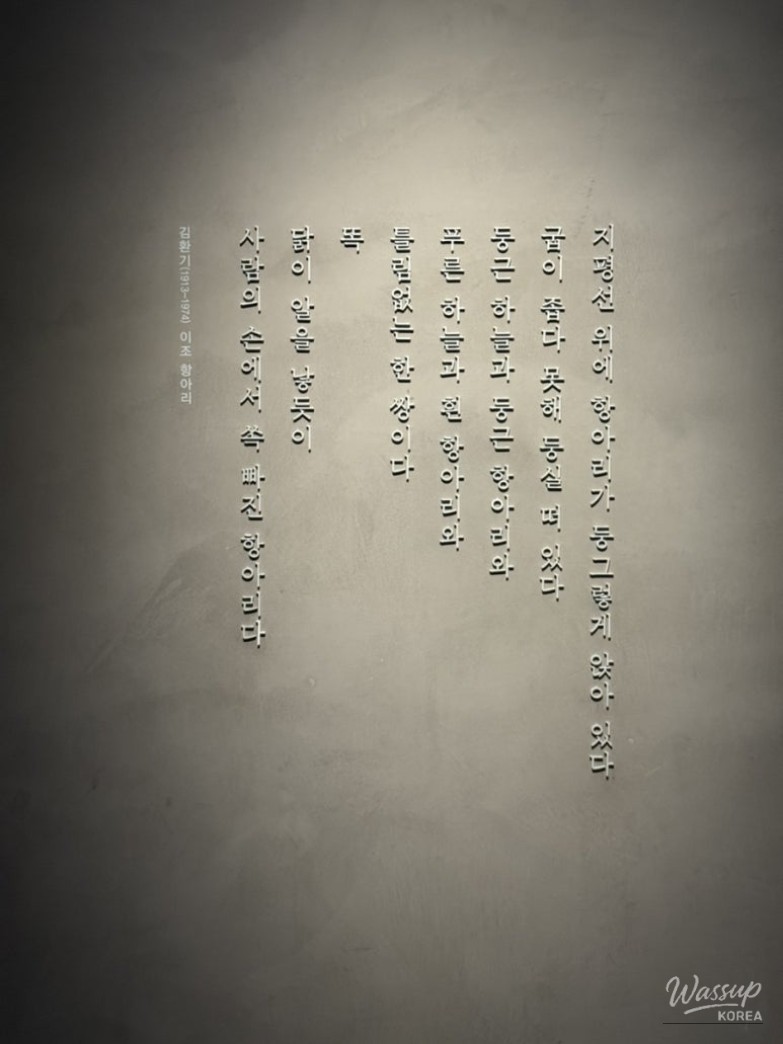
For lovers of white porcelain, the Moon Jar (달항아리) is a must-see. Created in places like Geumsari during the Joseon Dynasty, these jars are celebrated for their "carefree beauty of an irregular circle." The museum has created specialized spaces where you can sit on a chair opposite the jar, allowing for a focused "Moon Jar gazing" session. The rounded, full feeling of the vessel makes the heart feel at ease, embodying a sense of pure whiteness and big-heartedness.
Ceramic Culture and Celadon Wonders
Following the Moon Jar exhibition, the path leads to the Goryeo Celadon section. The space explaining ceramic culture is particularly engaging, showcasing a variety of shapes and intricate patterns. From the iconic jade-green hues to unique forms that have survived centuries, these exhibits highlight the consummate technical skill and modest virtuosity of ancient Korean potters.
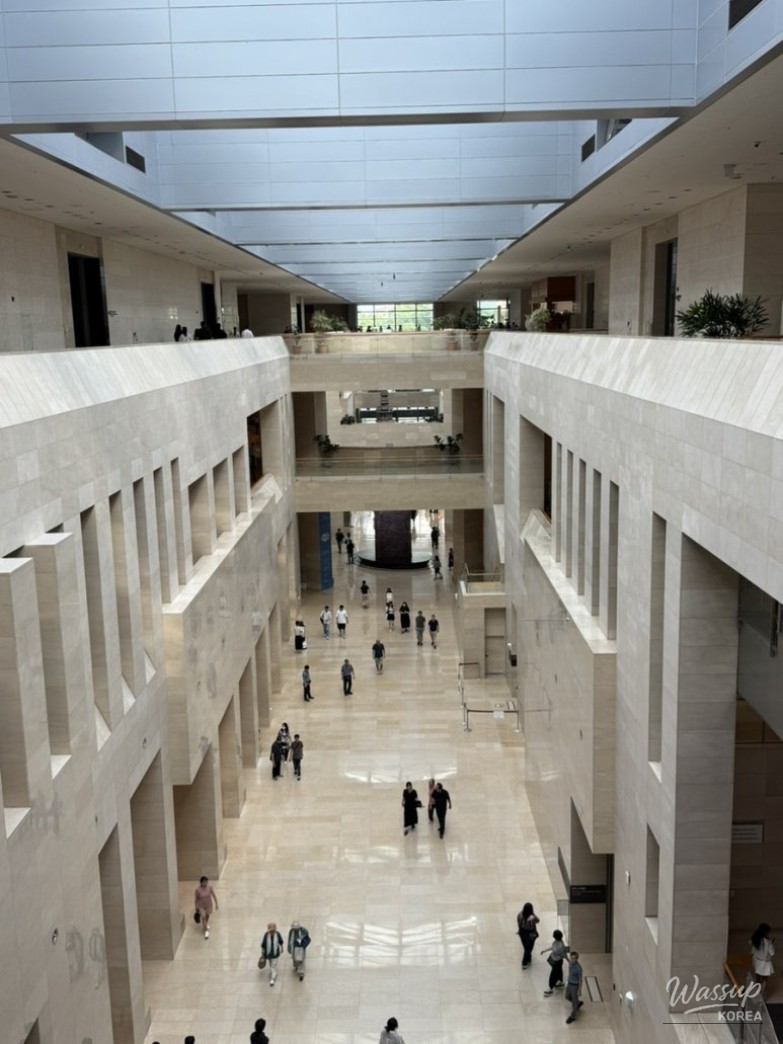
Refreshed Departures and Visitor Tips
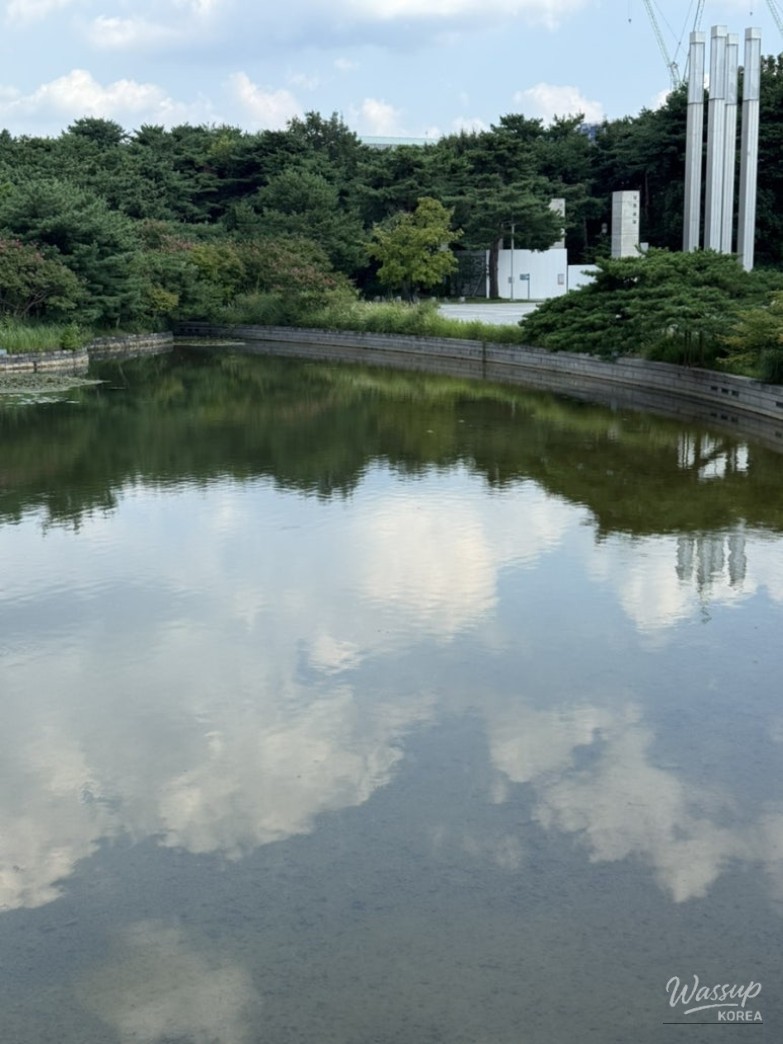
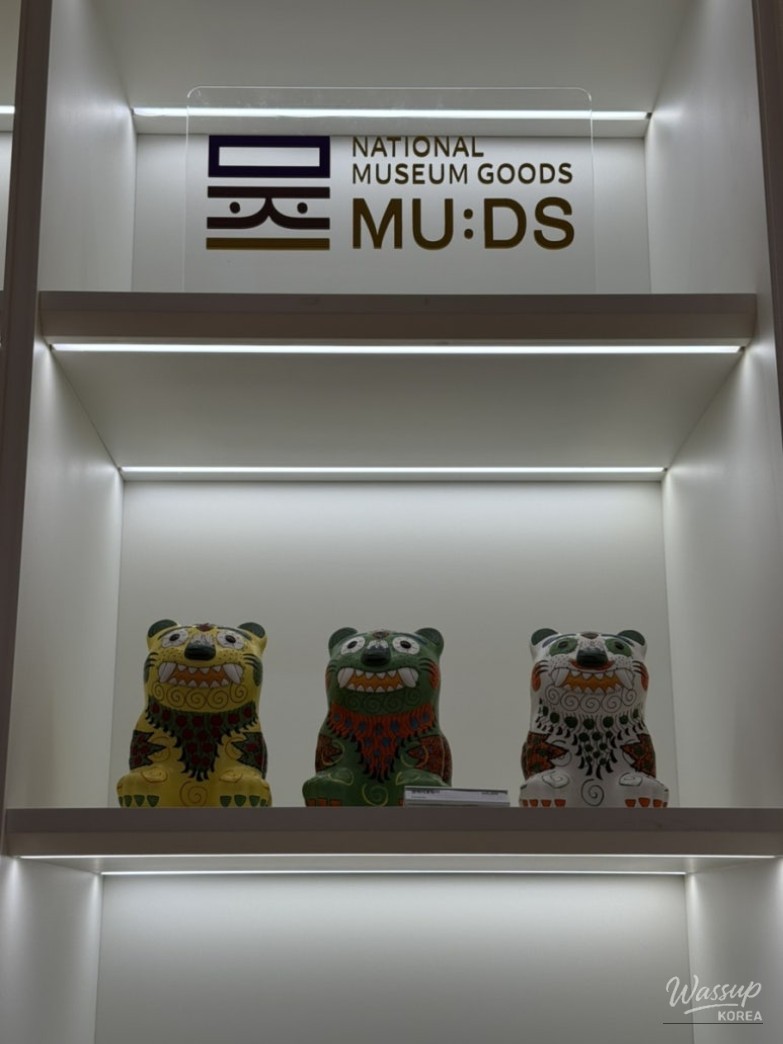
The scale of the National Museum of Korea is immense, spanning three floors of diverse galleries. Even after visiting the highlights, there are always more exhibition spaces on the first floor to discover. Before you leave, a stop at the gift shop is highly recommended, though popular items—especially those related to the Pensive Bodhisattva—often sell out quickly. Leaving the museum grounds and seeing the clouds once again reflected in the pond provides the perfect final moment of refreshing clarity.
Photogallery: A Day of Thought
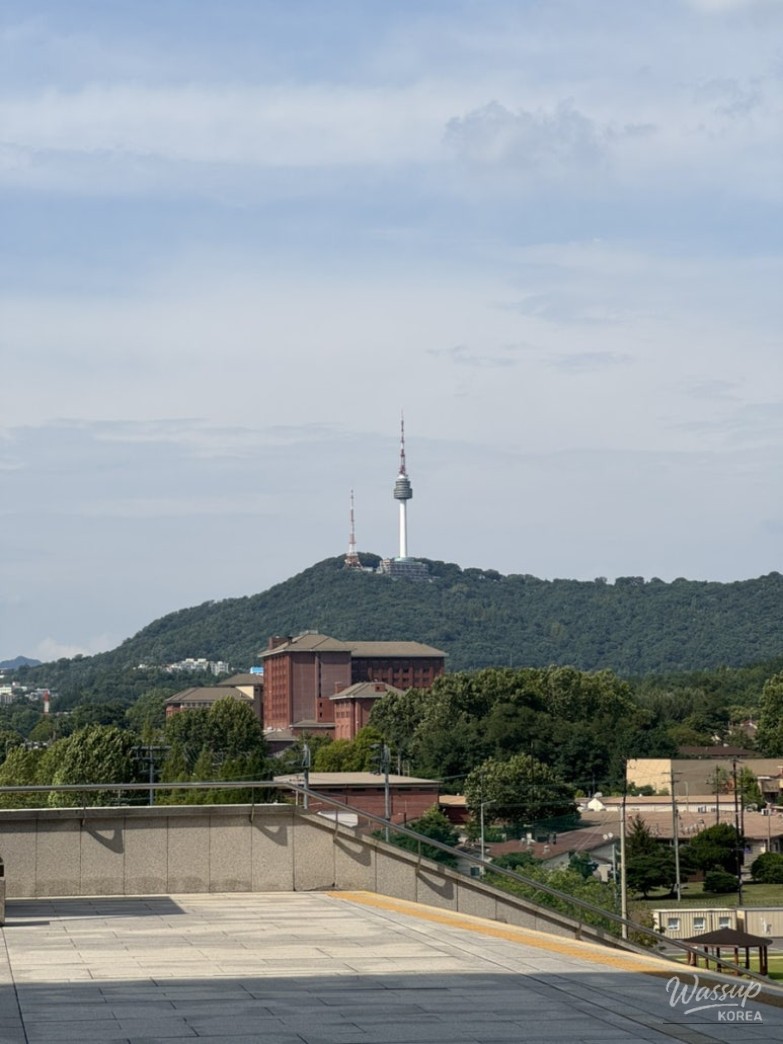
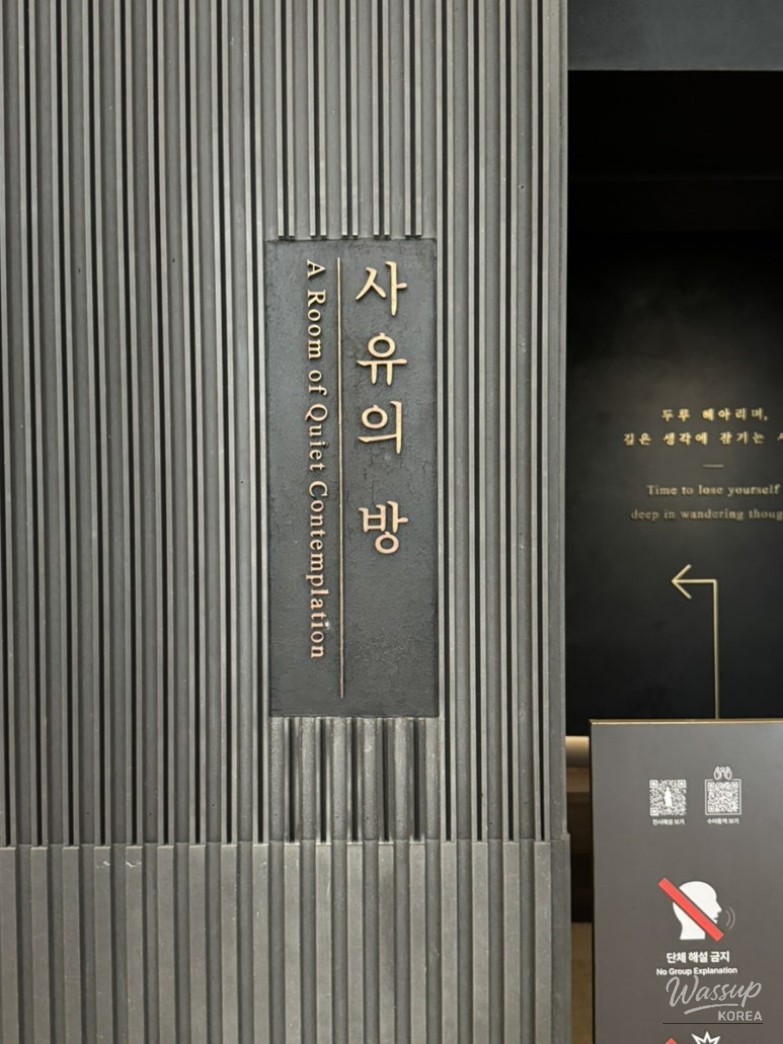
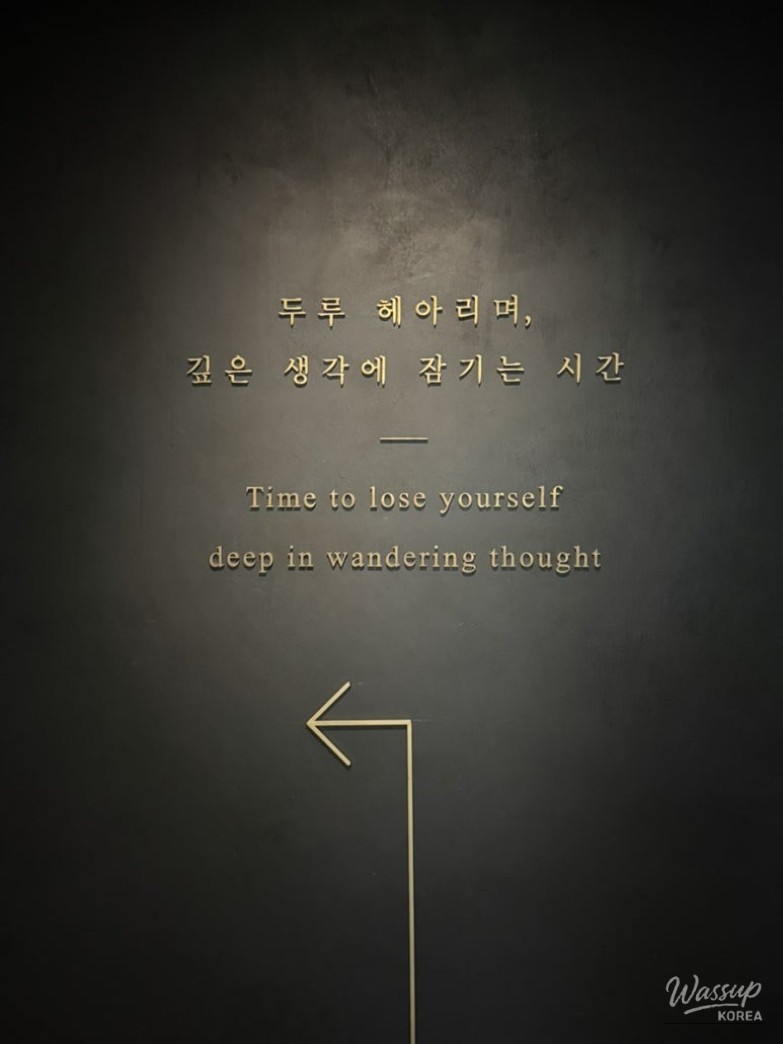

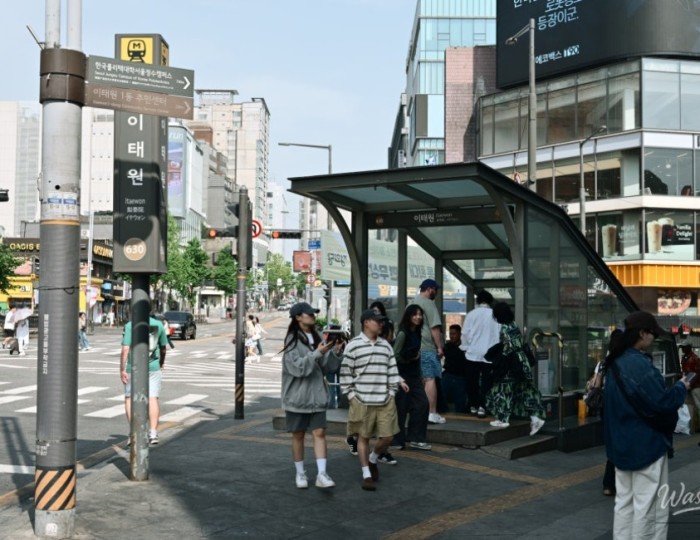
Have you ever spent a few minutes just "spacing out" in front of a Moon Jar? The National Museum of Korea is the perfect place to discover the "carefree beauty" of the past while taking a much-needed break from the modern world. If you're planning a visit, would you like me to check the schedule for special night openings or help you find the best transportation route from Ichon Station?
No comments yet.