Naksansa Temple: A Must-Visit Destination in Yangyang, Gangwon-do
100 Naksansa-ro, Ganghyeon-myeon, Yangyang-gun, Gangwon-do
낙산사



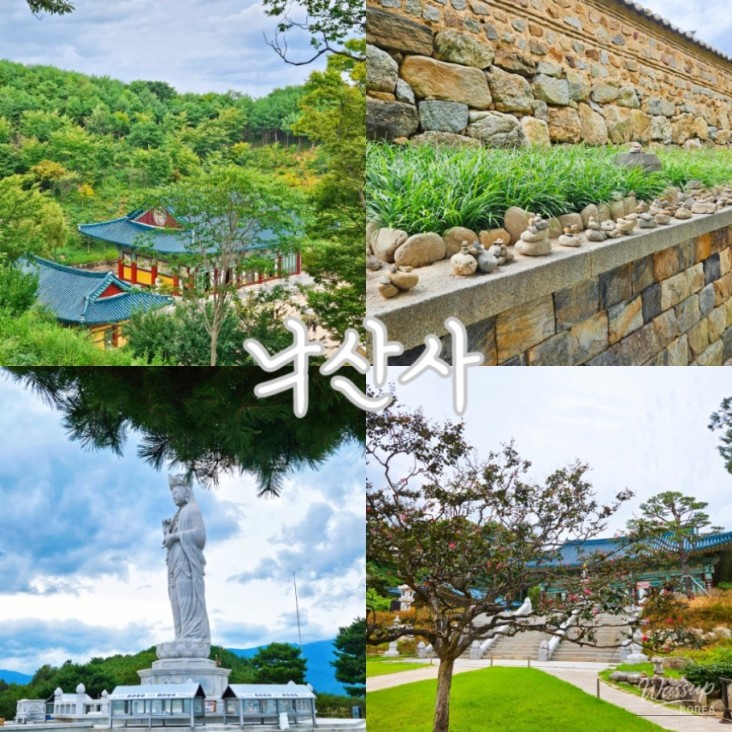
Located on the slopes of Mt. Obong, Naksansa Temple (낙산사) is a premier landmark of Yangyang and a sacred site of Avalokitesvara (the Bodhisattva of Compassion). With over 1,300 years of history, this temple is unique for its breathtaking coastal location, offering panoramic views of the East Sea. It gained further fame as a filming location for the legendary Korean drama 'Taejo Wang Geon.'
Whether you are seeking spiritual solace through a Templestay, exploring historic treasures like the Haesu Gwaneum Statue, or simply enjoying a peaceful walk along the "Path Where Dreams Come True," Naksansa provides a profound sense of tranquility. Since May 2023, admission to this historic gem is free, making it an even more accessible must-visit destination for anyone traveling through Gangwon-do.
Planning Your Visit: Parking and Access
Naksansa Temple is open year-round from 06:00 to 17:30 (with a final exit by 18:30). Visitors have two primary options for parking: the main Naksansa Entrance and the Uisangdae Parking Lot. Paid parking at these locations costs ₩5,000 via an unmanned kiosk. For those looking for a free option, parking is available at nearby Naksan Beach, though it requires a slightly longer uphill walk to reach the temple gates.

Yangyang Templestay at Inwolryo
For those seeking a deeper experience, Naksansa offers a Templestay program at Inwolryo. Participants can choose between "relaxation" and "experience" types, allowing them to immerse themselves in monastic life, meditation, and temple etiquette. The path leading to Inwolryo is surrounded by lush greenery, providing an immediate sense of calm upon entry.
The Path Where Dreams Come True
One of the most charming sections of the temple is the "Path Where Dreams Come True." As you walk toward the sea, you'll see countless stacked stone towers (pagodas) built by visitors making wishes. The path is particularly beautiful in autumn, when the surrounding trees shift into vibrant shades of orange and red, creating a perfect atmosphere for reflection.

Iconic Landmarks: Haesu Gwaneum and Botajeon
The Haesu Gwaneum Statue (Avalokitesvara Bodhisattva of the Sea) is perhaps the temple's most famous icon. Standing tall against the backdrop of the horizon, this massive granite statue took five years to complete. Nearby, visitors can sit on benches to gaze at the sea or even ring the ceremonial bell to offer a prayer for peace.
Another architectural highlight is Botajeon Hall, which enshrines seven different forms of Avalokitesvara, including the Thousand-Armed and Eleven-Faced statues. It serves as a representative sanctuary of the Bodhisattva's compassion in Korea. After exploring the hall, visitors can visit the Gwaneumji Pond to see serene lotus flowers or stop by the souvenir shop for traditional gifts.

Final Tips for Travelers
If it begins to rain during your visit, you can take a shortcut toward the Back Gate (Uisangdae Parking Lot), which is a quick 10-15 minute walk from the main areas. Keep an eye out for the pink signs directing you back to the main entrance! Along the way, you'll find cozy cafes where you can rest and enjoy a warm tea while listening to the rain fall on the traditional tiled roofs.
Photo Gallery: The Soul of Yangyang
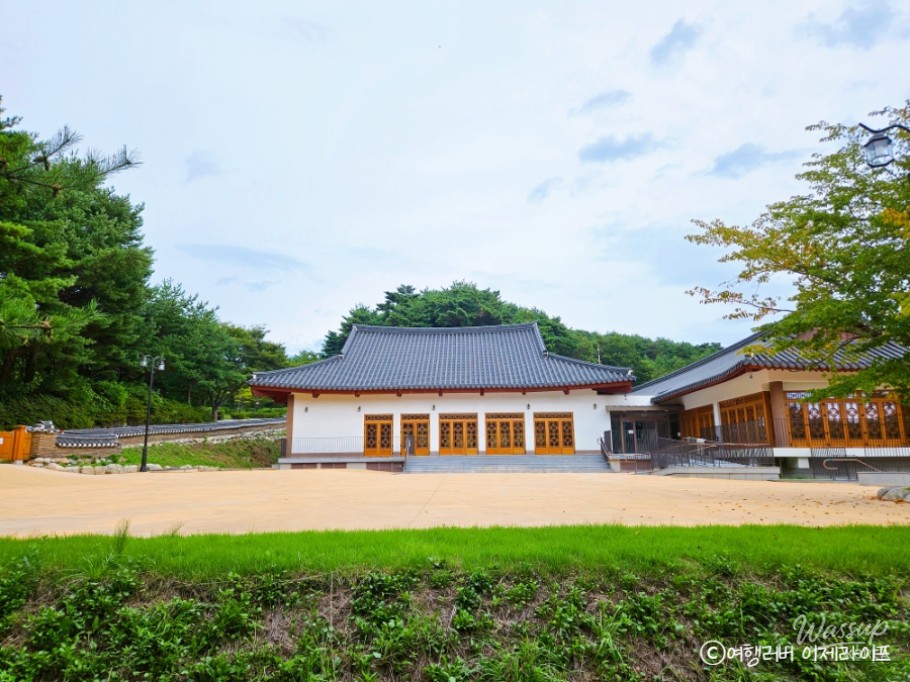
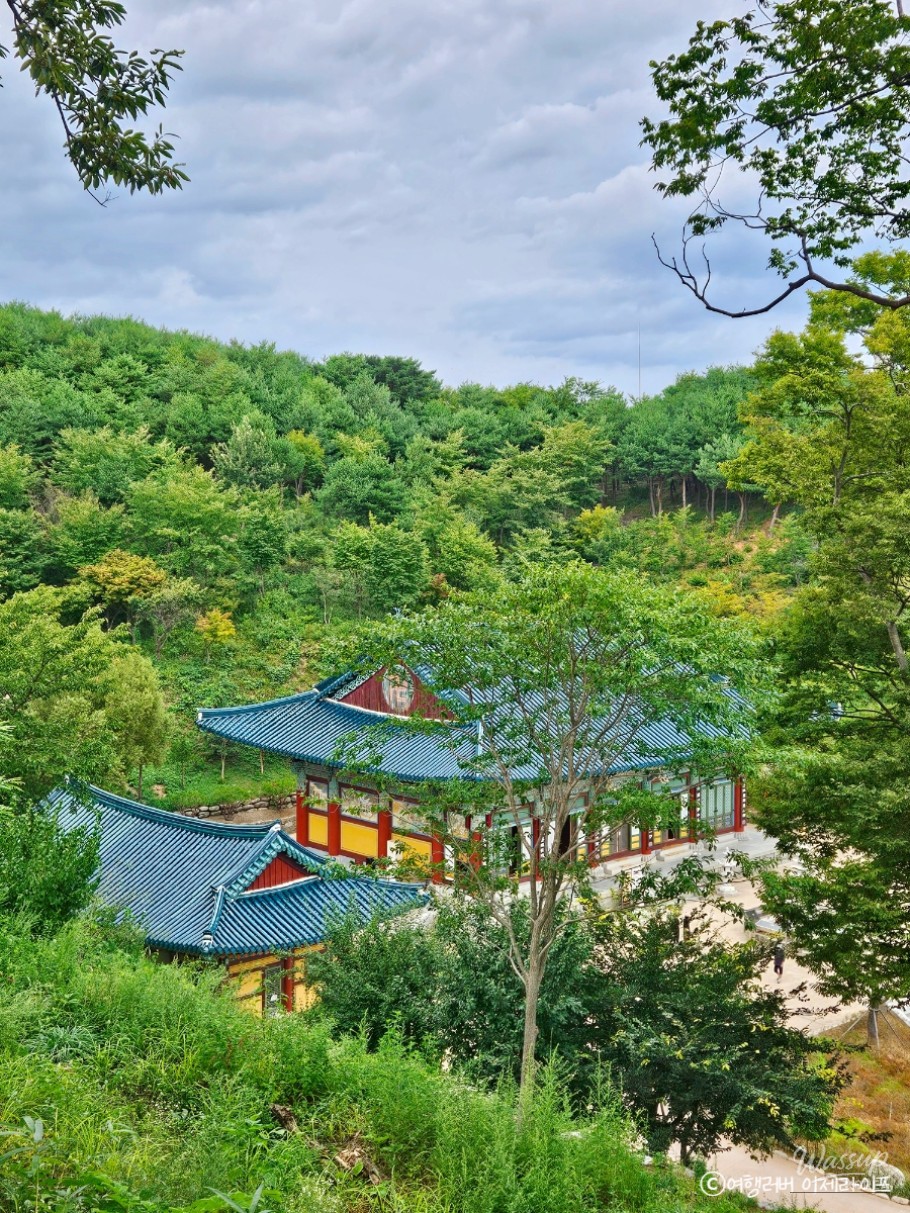


Have you ever experienced the peaceful harmony of an ancient temple meeting the vastness of the sea? Whether you're a fan of history, architecture, or simply looking for the best sunset view in Yangyang, Naksansa Temple is waiting for you. Are you interested in learning more about the specific meditation programs offered at the Templestay, or would you like a list of the best local seafood spots nearby to visit after your walk?
No comments yet.