Hopae: Joseon Dynasty's Identification Tag
137 Seobinggo-ro, Yongsan-gu, Seoul
국립중앙박물관



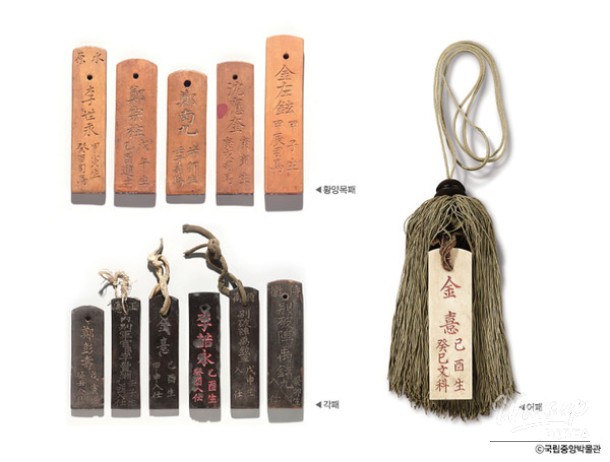
Long before modern smart cards and digital IDs, the men of the Joseon Dynasty carried a Hopae (호패). This small wooden tag was a mandatory identification tool for every male over the age of 16, serving as the backbone of the state's administrative control and social order.
From tax collection to military conscription, the Hopae system allowed the government to track its population with surprising detail. In this post, we explore the origins, strict regulations, and fascinating social hierarchy reflected in these historical identification tags.
The Birth of the Hopae Identification System
The Hopae system was fully implemented in 1416 during the 16th year of King Taejong's reign. Inspired by the Chinese Ming Dynasty's population control methods, the primary goal was to manage military service obligations and prevent the desertion of commoners from their assigned residences.
By making it mandatory for all men to carry their ID at all times, the state could easily identify vagrants and thieves. It became an essential document for daily life, required even when filing legal petitions or initiating lawsuits within the local government offices.
Standardized Structure and Inscribed Information
A standard Hopae was a wooden tag approximately 4.2cm wide and 11.9cm long, featuring a rounded top and an angular bottom. The front of the tag displayed the holder's name, age, title, and social status, while the back featured the year of issue and an official government seal.
Interestingly, for the lower classes and servants, the descriptions were even more specific. Records often included facial features, such as the presence of a beard or the holder's complexion, and their exact height, ensuring that identities could not be easily swapped among the laboring class.
Social Status Reflected in Materials
While the system was nationwide, the materials used for a Hopae were strictly differentiated by rank. High-ranking officials of the 2nd rank or higher received tags made of ivory or cow's horn, provided by the government. Commoners, however, had to provide their own wood and pay artisans to carve their tags.
Yangban aristocracy, commoners (Sangmin), and the lowborn (Cheonmin) all had specific requirements for their Hopae. This system essentially turned a simple ID tag into a visible badge of one's place within the rigid Joseon social hierarchy.
Strict Penalties for Forgery and Loss
The Joseon government enforced the Hopae Law with severe punishments to maintain order. Failing to carry your Hopae could result in 50 strokes of the cane. Lending your tag to someone else was even more serious, leading to 100 strokes and three years of hard labor.
The most extreme penalty was reserved for forgery. According to the Sokdaejeon (Supplement to the National Code), anyone caught falsely making or carrying a forged Hopae could be sentenced to death. Despite these risks, many commoners tried to avoid the system to escape heavy taxes and forced labor.
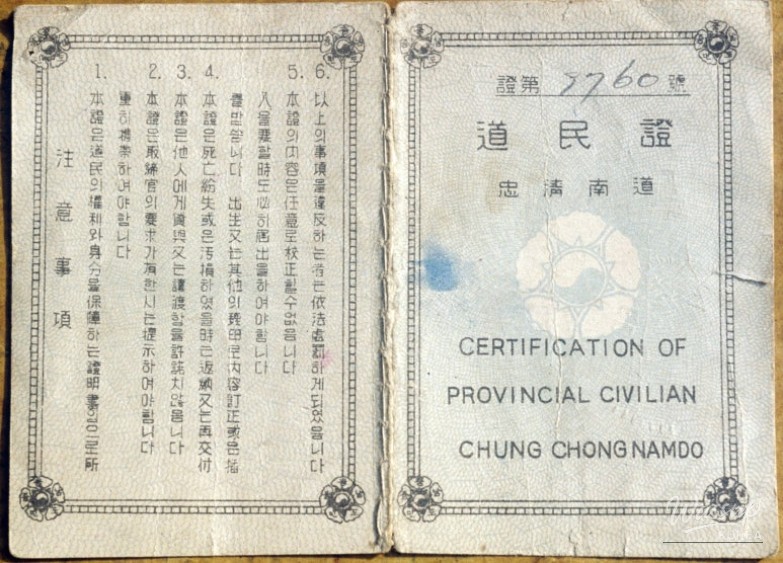
From Hopae to the Modern Resident ID
The Hopae system was officially abolished in 1895 during the Gabo Reforms. However, its legacy lived on. It was later revived in different forms during the Japanese colonial period and eventually evolved into the modern Resident Registration Card system used in South Korea today.

As the predecessor of modern population statistics, the Hopae remains one of the most significant administrative legacies of Korean history. It represents the state's earliest attempts at centralized rule and direct management of its citizens' lives and security.
Do you think carrying a wooden tag with your physical description would be more or less convenient than today's digital ID systems? If you're interested in seeing these artifacts in person, I highly recommend visiting the Joseon Dynasty Gallery at the National Museum of Korea or the National Folk Museum of Korea. What other ancient administrative tools are you curious about?
No comments yet.