Gyeongju Gameunsa Temple Site: A Millennium of Silla History
11 Gaeunsa-gil, Munmu-daewang-myeon, Gyeongju-si, Gyeongsangbuk-do
감은사지



If you are driving along the scenic coast of Gyeongju, the Gameunsa Temple Site (감은사지) is an essential destination that captures the powerful spirit of the Unified Silla period. Established by King Sinmun in 682 AD to honor his father, King Munmu, the temple serves as a monumental symbol of filial piety and national defense. Though the original wooden halls have long since vanished, the site remains a profound space where the legend of the "Dragon King of the East Sea" still resonates.
Known for its majestic twin pagodas and unique architectural secrets hidden beneath the earth, Gameunsa offers visitors a chance to walk through history without the crowds of the city center. With free admission and a serene atmosphere, it is the perfect spot for reflection while exploring Gyeongju's rugged eastern coastline.
The Guardians of the Coast: East and West Twin Pagodas
Masterpieces of Unified Silla Architecture
The most striking features of the site are the Twin Three-story Stone Pagodas. Among the various pagodas remaining from the Silla era, these are the largest and most powerful, exuding a sense of dignity that can be felt from the moment you enter the parking lot. Their perfect proportions and balanced height represent the peak of 7th-century masonry.
These pagodas were built during a time when Silla faced frequent invasions from Japanese pirates. Their imposing presence was intended to showcase the strength of the nation. Standing between these two giants, you can truly appreciate the "twin-pagoda style" arrangement that became a standard for Buddhist temple layouts across the Korean peninsula.

A Path for a Dragon King: The Secret of the Main Hall
Unique Architectural Ingenuity Beneath the Foundation
The heart of Gameunsa is the foundation of the main hall (Geumdang). While the building is gone, the stone base reveals a fascinating structural secret: an empty space of about 60cm created between the stone floors. Legend has it that King Munmu, who requested to be buried in the East Sea to become a dragon protector, could swim up the river and through this "underwater channel" to rest beneath the temple.
From a technical standpoint, this unique grooved stone structure is a vital piece of evidence for the study of Unified Silla Buddhist architecture. It demonstrates the advanced engineering skills of the era, designed to accommodate the symbolic presence of the Dragon King within the sacred space of the Buddha.
Serenity Under the 500-Year-Old Zelkova Tree
Living Nature Protecting Ancient History
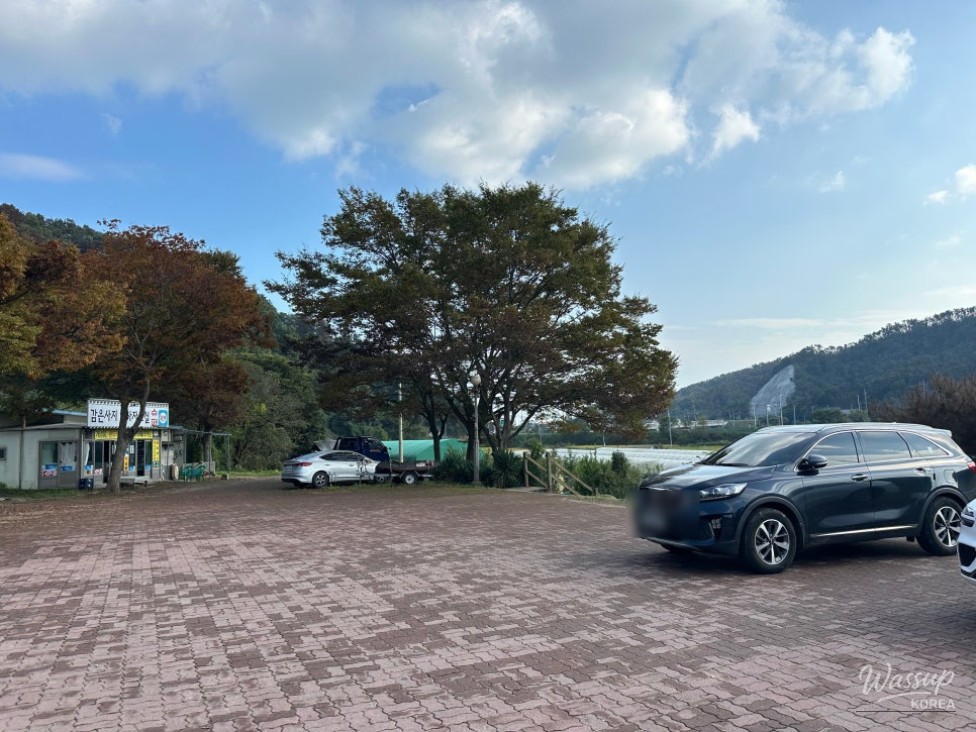
Adding to the site's majestic atmosphere is a massive zelkova tree estimated to be around 500 years old. Though it appears to be a single trunk, it is actually two trees that have grown together over centuries. This ancient guardian provides ample shade and enhances the serene, park-like feel of the temple site.
Resting under the sprawling branches of this tree while looking at the weathered stone pagodas is a highlight of the visit. It is a place where the passage of time is tangible, connecting the ancient kingdom of Silla with the living nature of the present day.
Visitor Tips and Gyeongju East Coast Tours
Practical Info for a Seamless Trip
Gameunsa Temple Site is highly accessible and visitor-friendly. Here are a few tips to help you plan your visit:
- Parking & Admission: Both are completely free. The parking lot is spacious and includes accessible restrooms.
- Guided Tours: Free tours are available every hour from 10:30 AM to 4:00 PM, offering deeper insights into the Silla history.
- Refreshments: A convenience store and a shop selling local chalbori (barley) bread are located right at the entrance.
- East Coast Tour: If you use the Gyeongju City Tour bus, the East Coast course includes Gameunsa along with King Munmu’s Underwater Tomb and the famous columnar joints.


Gameunsa Temple Site is a place where the air feels heavy with history and the devotion of a king. Have you ever visited a historic site where the architecture was built specifically to accommodate a legend? If you're heading to Gyeongju, would you like me to help you find the bus schedule for the Gyeongju East Coast Tour so you can visit King Munmu's underwater tomb nearby?
No comments yet.