

Gyeongcheondae: A Tranquil Morning View
- Place
- 경천대
- Address
- 652 Gyeongcheondae-ro, Sabeol-myeon, Sangju-si, Gyeongsangbuk-do
- Original source
- blog.naver.com



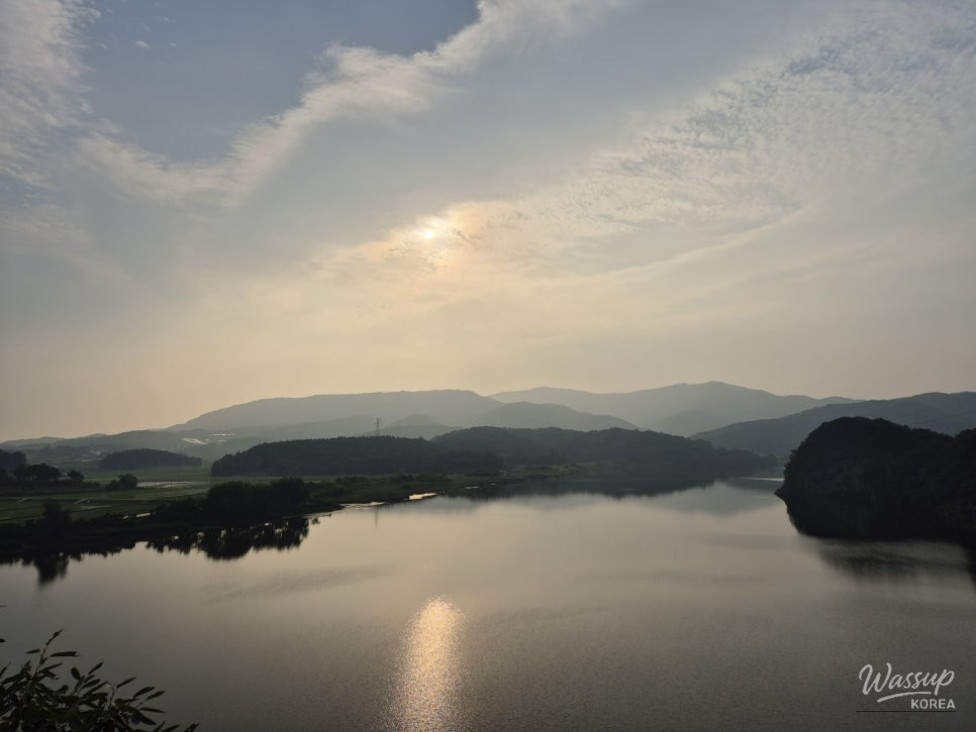
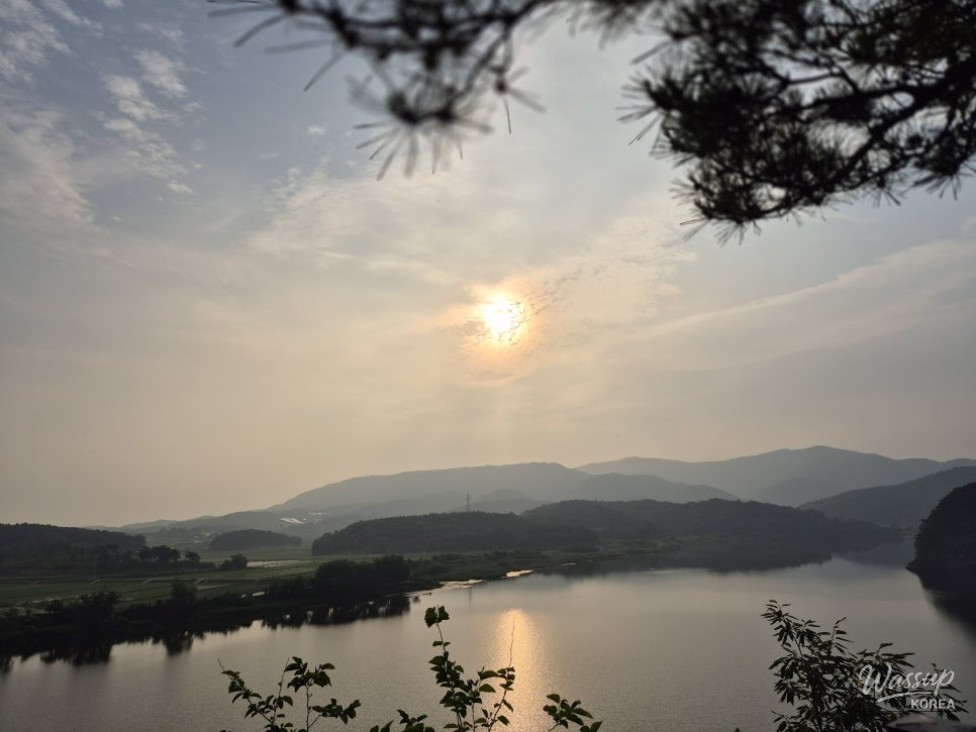
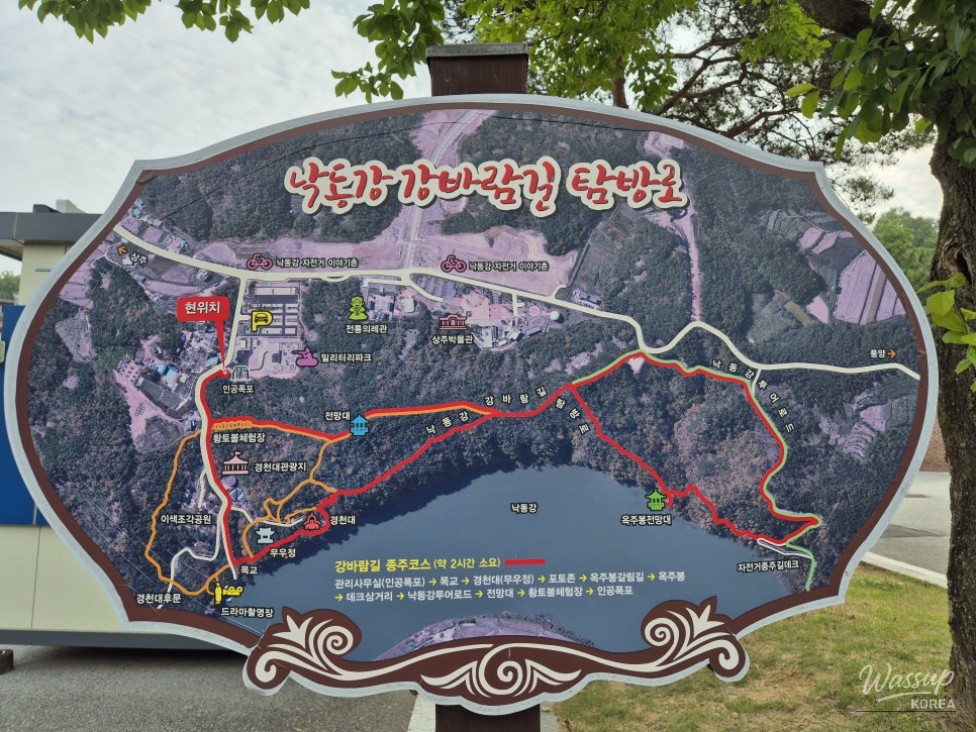
Exiting at Sangju IC early in the morning, I headed to Gyeongcheondae (경천대) to witness the sunrise. Arriving just after 6 AM allowed me to experience the ultimate tranquility of the Nakdong River before the rest of the world woke up.
This trip was a perfect blend of history and nature, featuring stops at the Royal Tomb of Sabeol and the elegant Muujeong Pavilion. The golden morning light reflecting off the river and the sound of cuckoos created a healing atmosphere that is hard to find elsewhere.
A Historical Detour: Royal Tomb of Sabeol and Hwadalli Pagoda
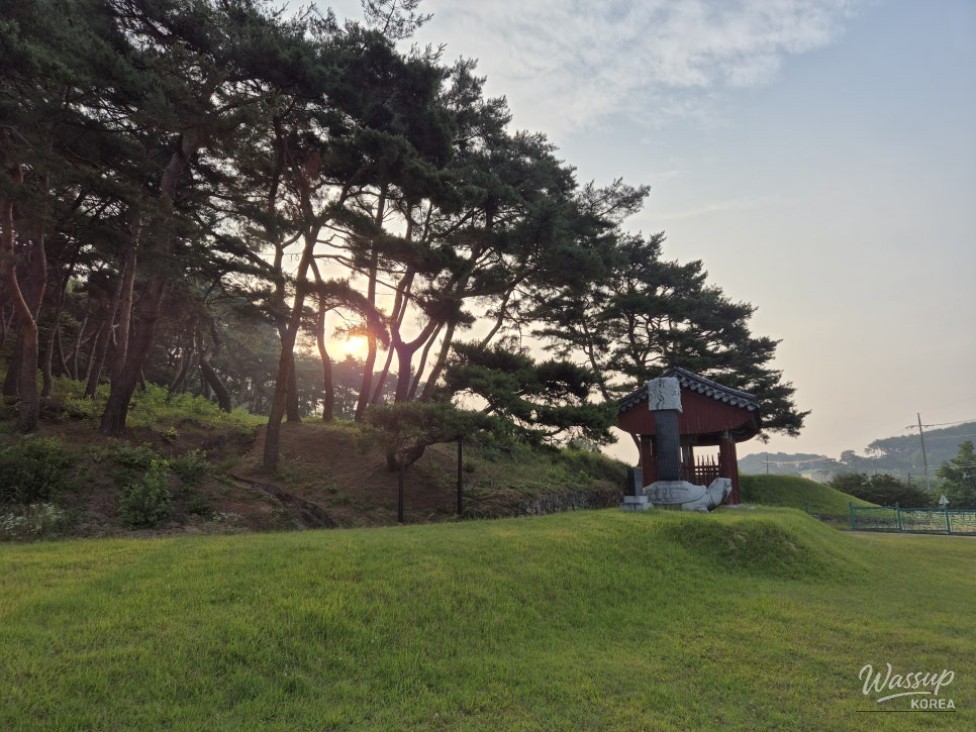
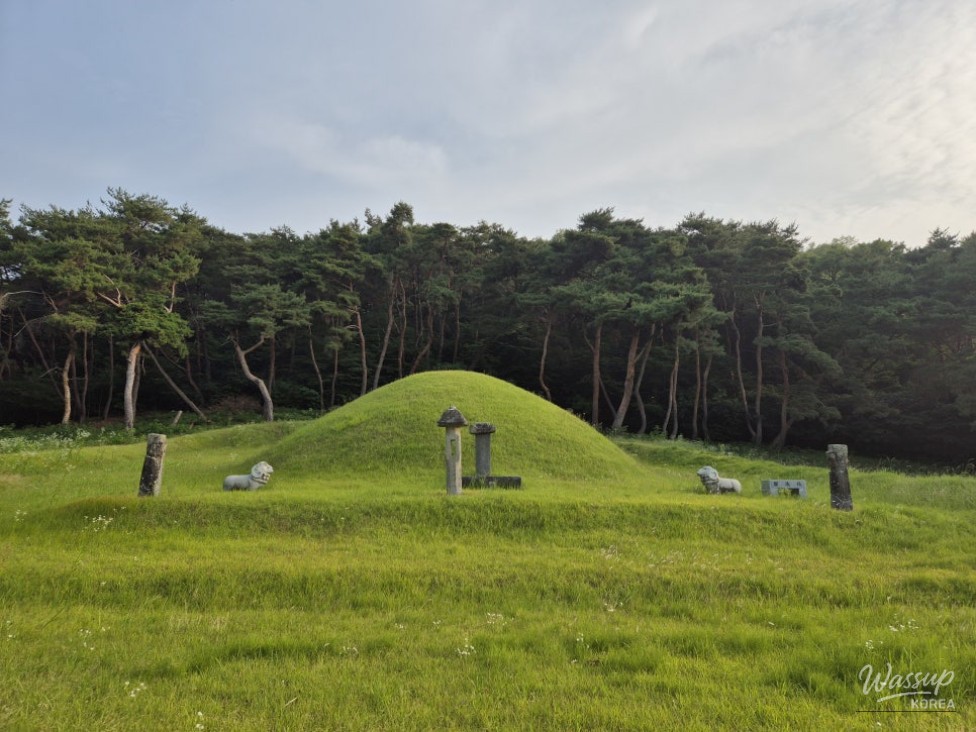
On my way to the main observatory, I made a brief stop at the Royal Tomb of Sabeol. When I first visited over a decade ago, I mistook this site for a simple clan academy, but it is actually the resting place of a Sabeol king. The morning sun hitting the Sabeol Royal Tomb Stele Pavilion offered a serene start to my journey.
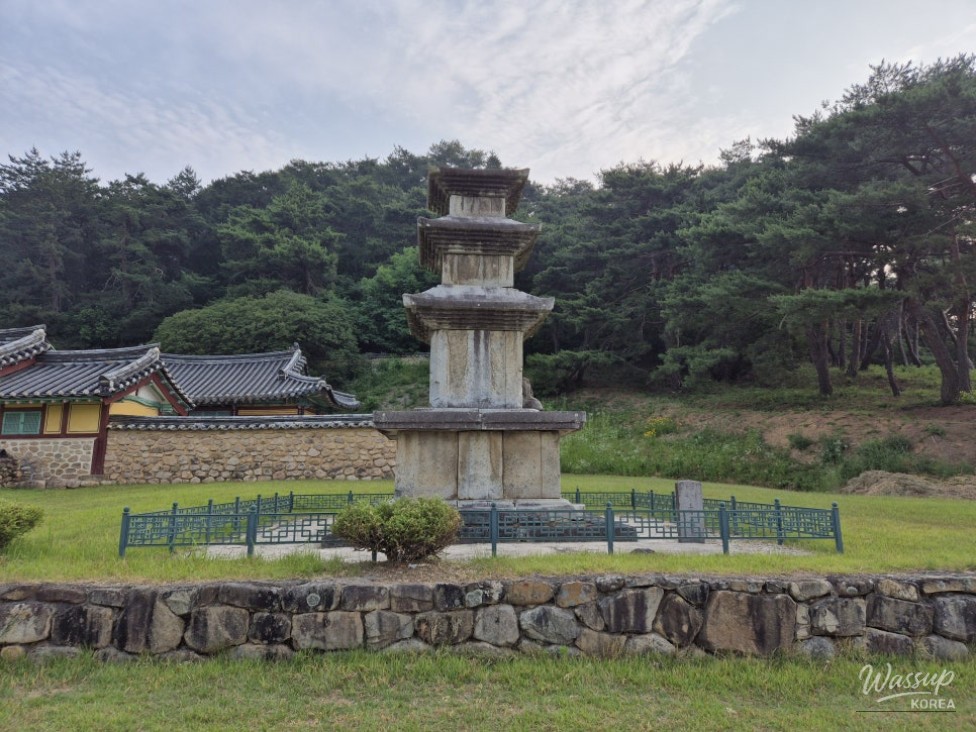
Nearby, the Sangju Hwadalli Three-Story Stone Pagoda stands as a designated Treasure. Seeing these historical remnants bathed in the early light reminded me of the deep roots this region holds. The path toward Gyeongcheondae was exceptionally quiet, with only the occasional bird call breaking the silence.
Muujeong Pavilion: Elegance Amidst Ancient Pines
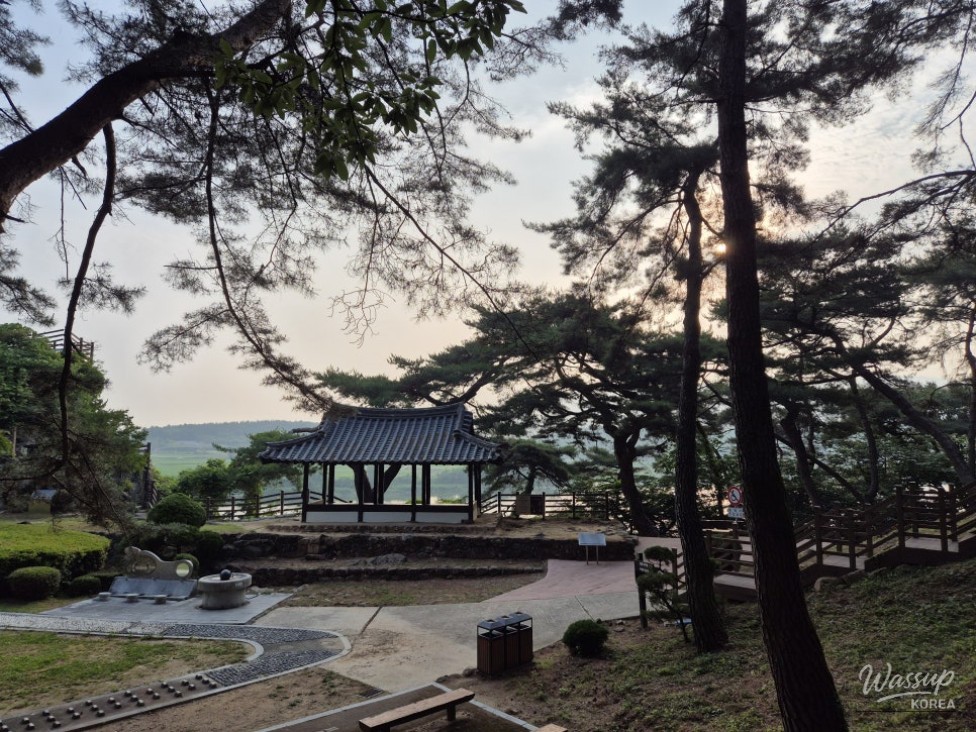
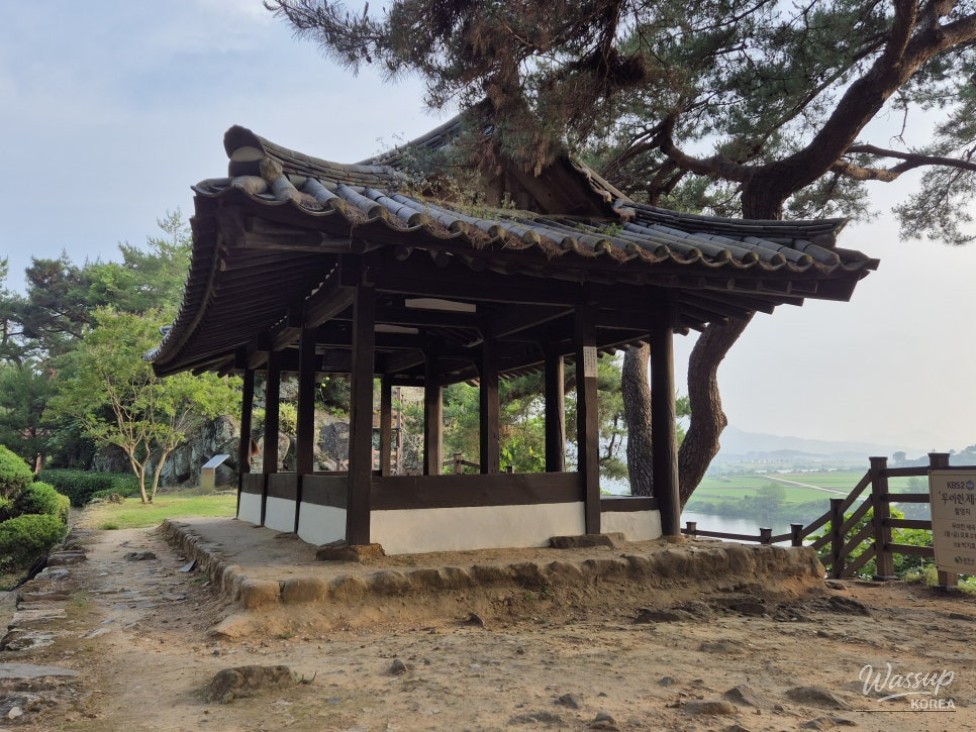
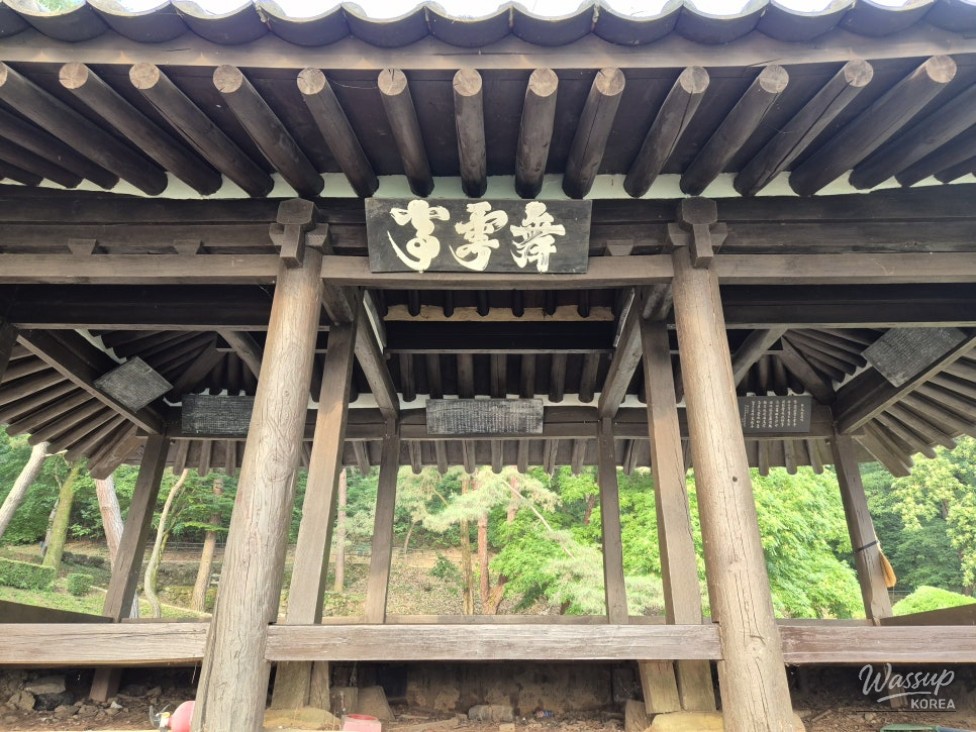
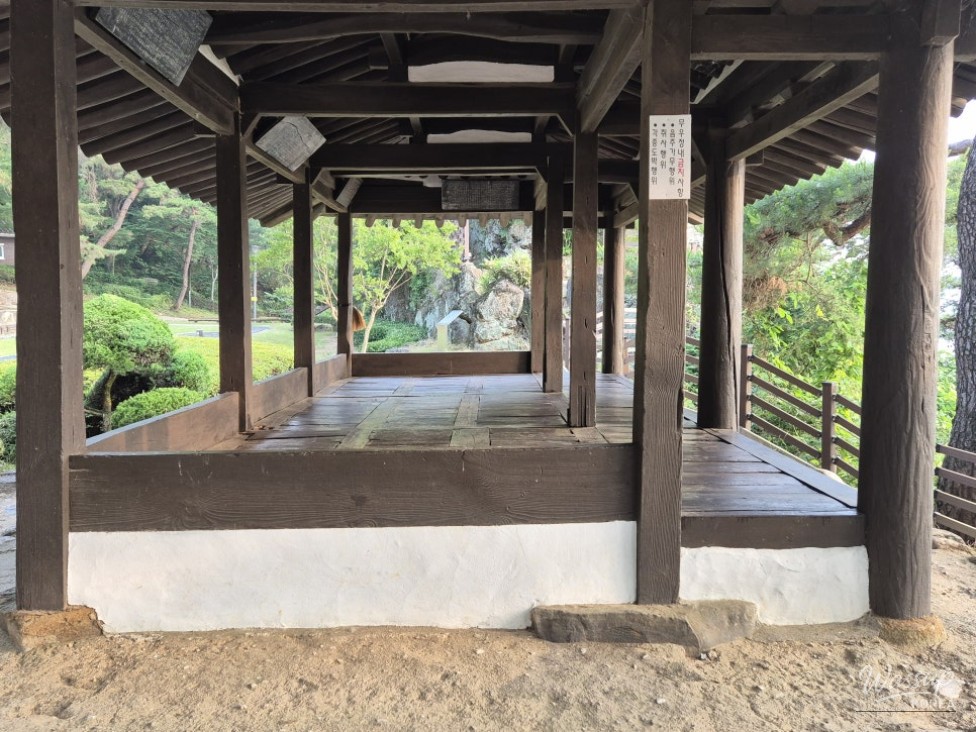
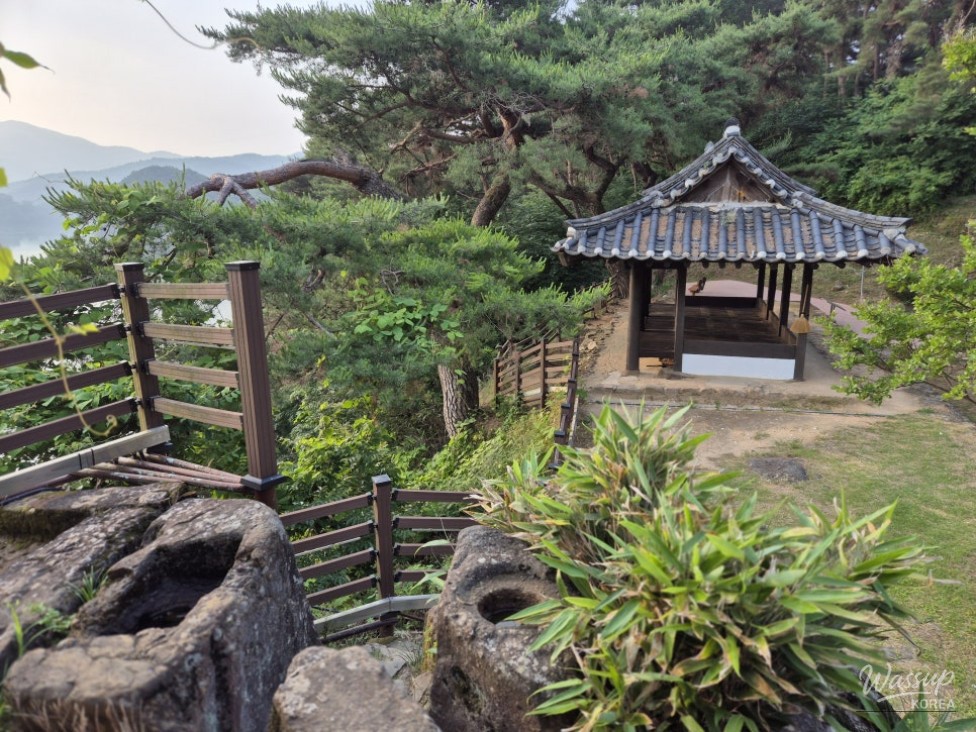
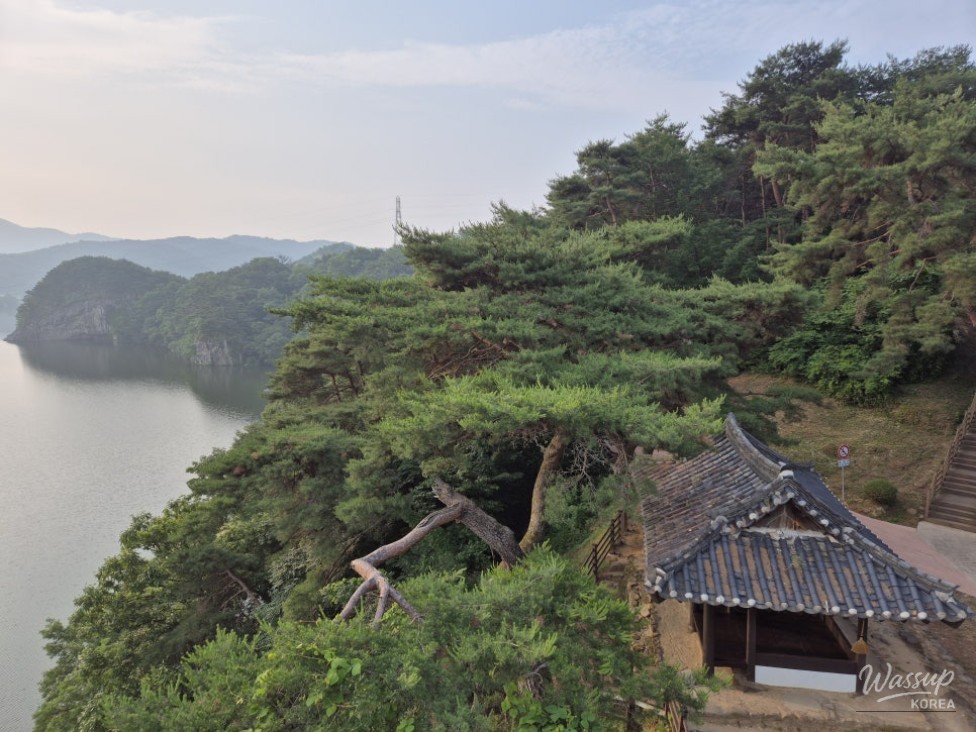
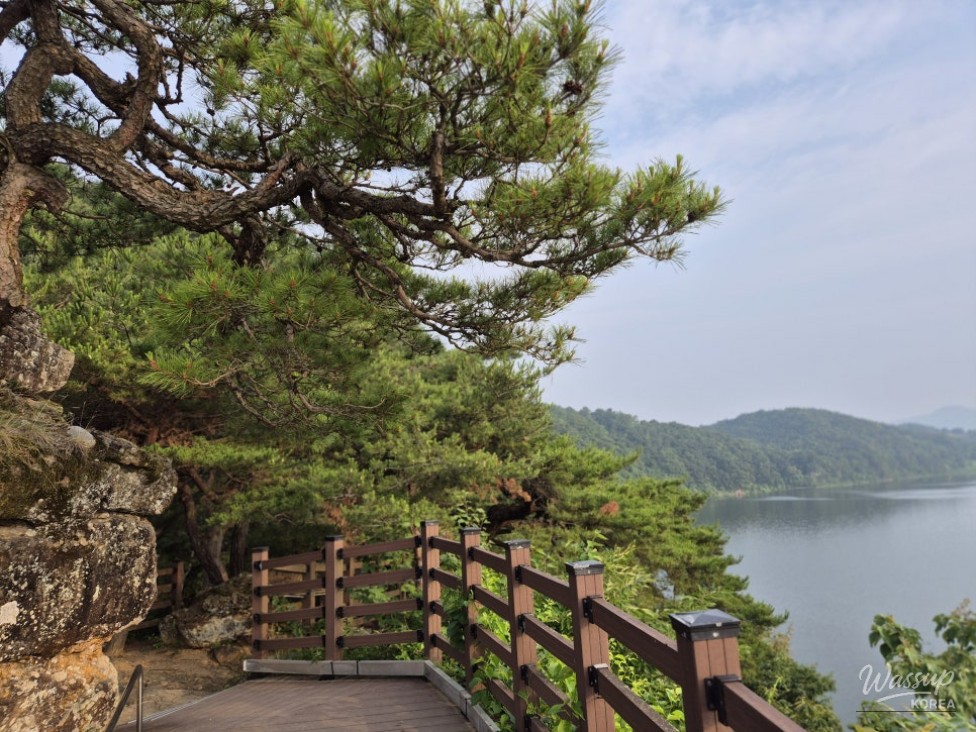
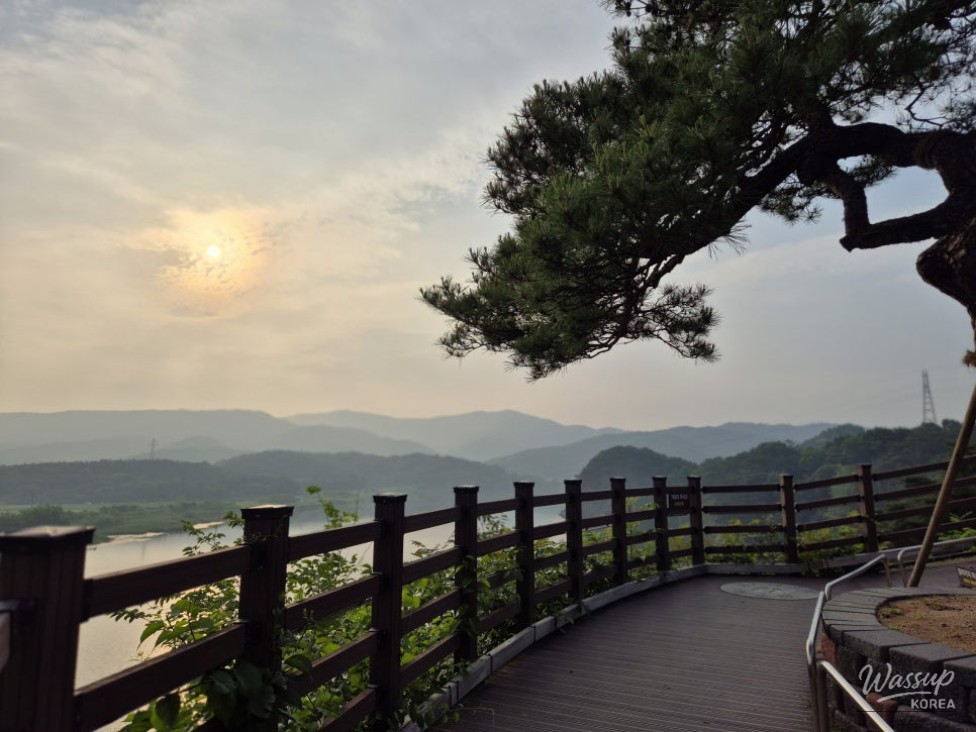
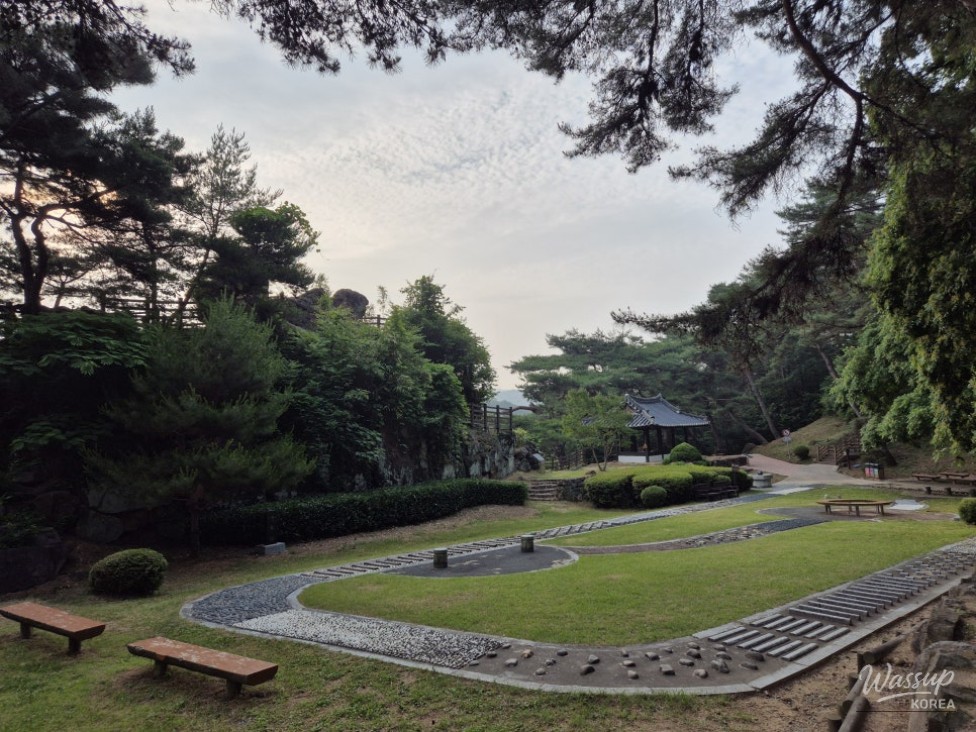
As I reached the ridge, Muujeong (무우정) came into view. This pavilion is a beautiful hip-and-gable structure that feels remarkably open because it lacks walls or rooms. Standing in the center of the pavilion, I looked out at the magnificent Nakdong River unfolding between the branches of old pine trees.
The name 'Muujeong' carries a poetic meaning, likely derived from the 'Altar of Rain' mentioned in the Analects of Confucius. It represents a place of relaxation and spiritual freedom. Seeing the cat footprints on the wooden floor and the sparkling sunlight on the mist-covered river made me feel like I had stepped into a landscape painting.
The Breathtaking Scenery of Gyeongcheondae Observatory
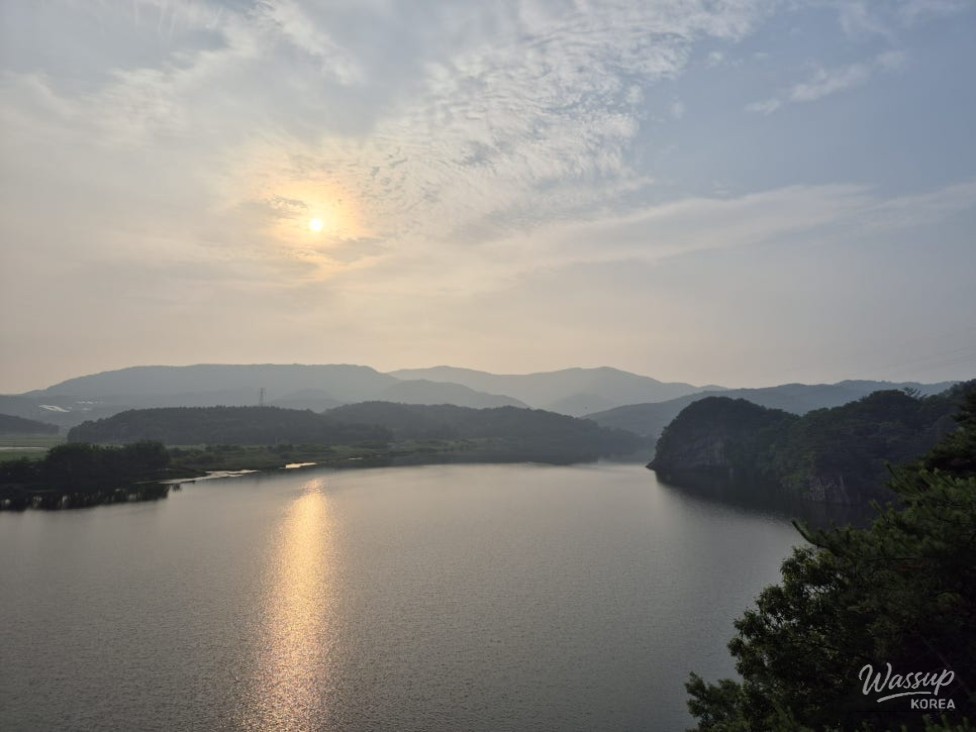
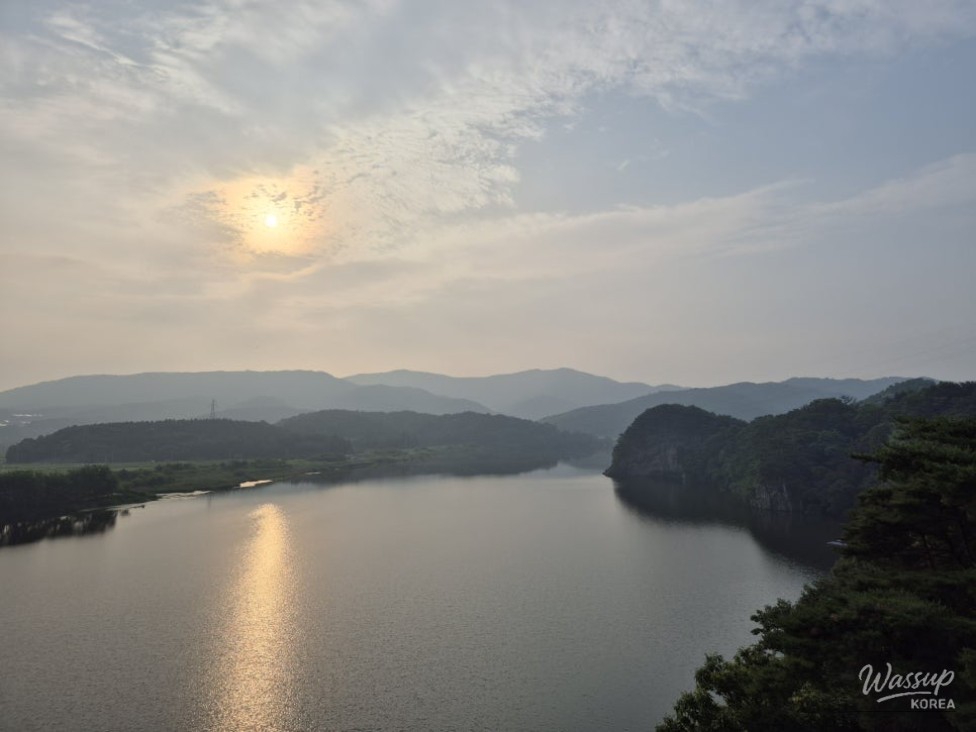
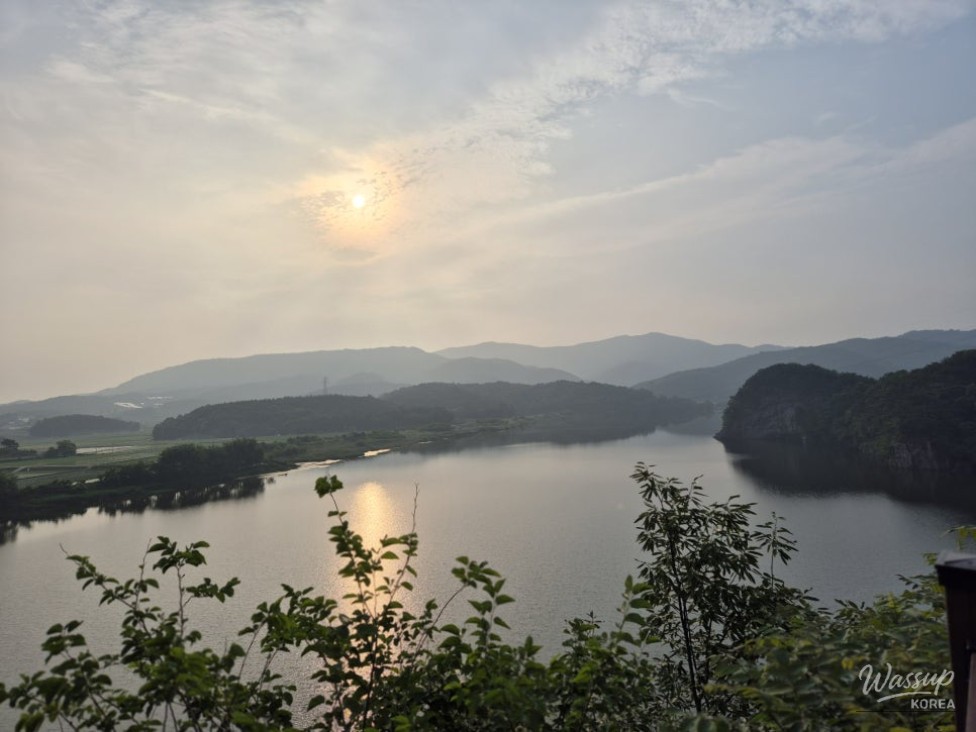
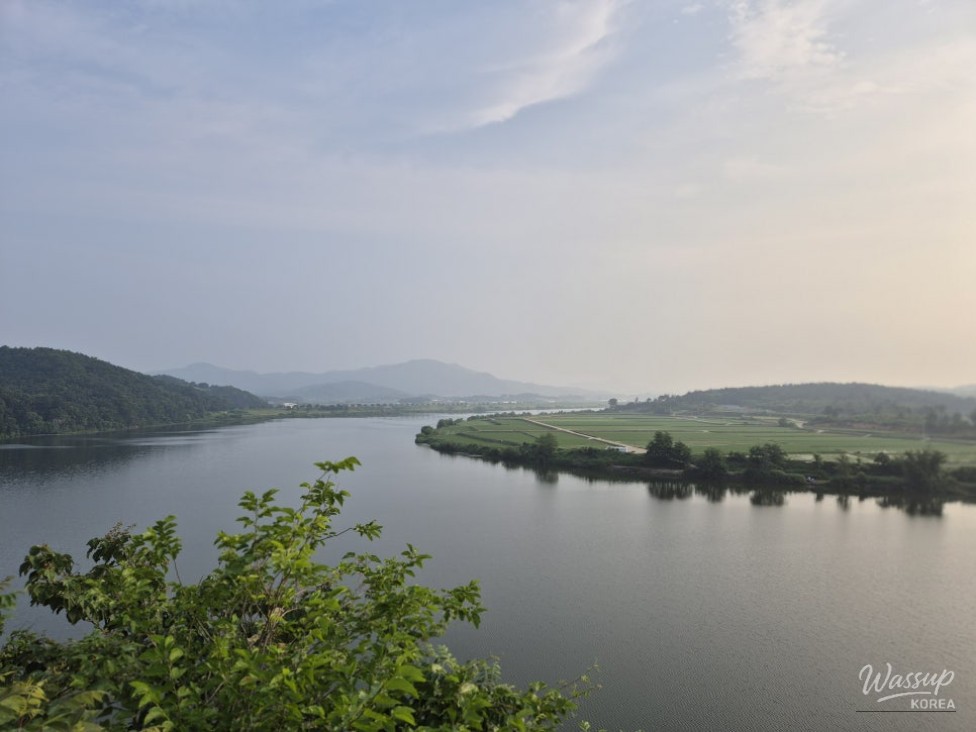
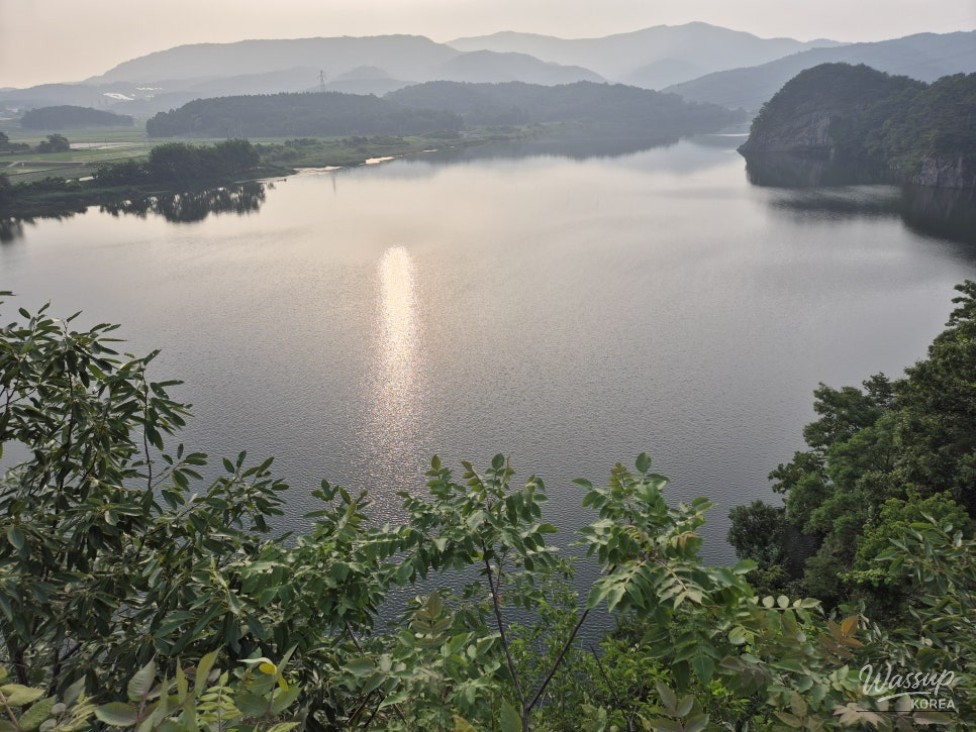
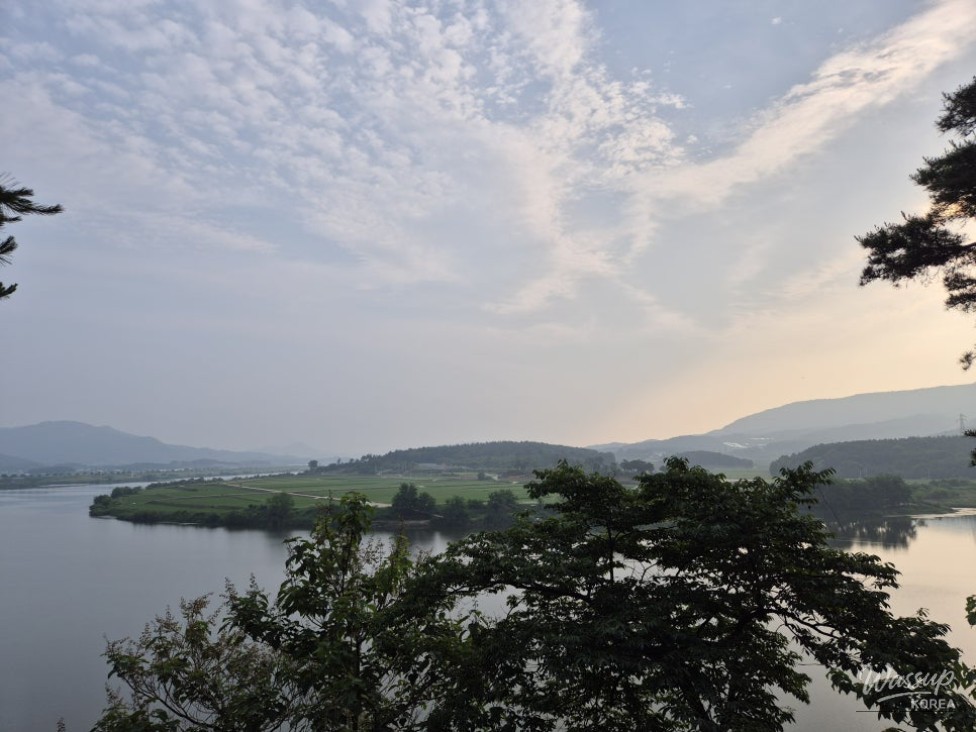
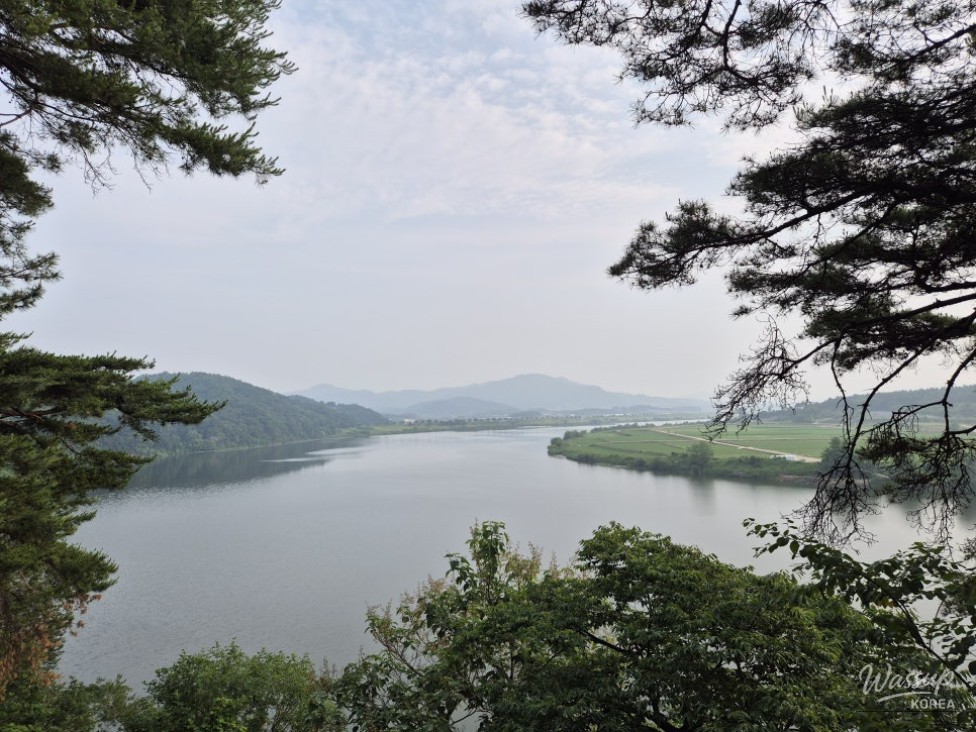
Moving from the pavilion to the rocky peaks, I reached the Gyeongcheondae observatory. The view from here is even more unobstructed and powerful than from the pavilion. Below the steep cliffs, the Nakdong River flows leisurely, carving its way through fertile fields and mountain ranges.
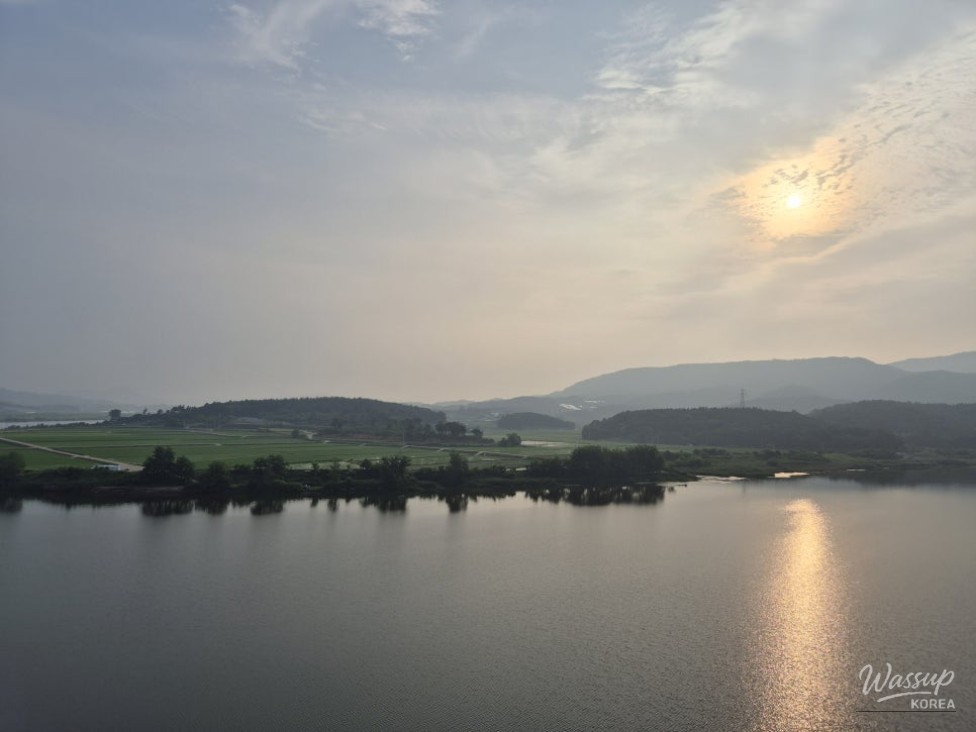
The name 'Gyeongcheondae' literally means 'a place that holds up the sky.' Standing here, you can see Bibongsan Mountain and the wide green fields where rice planting has just finished. The contrast between the golden river and the deep green mountains of May is truly a sight to behold.
Legends of the Winged Horse and the Gyeongcheondae Stele
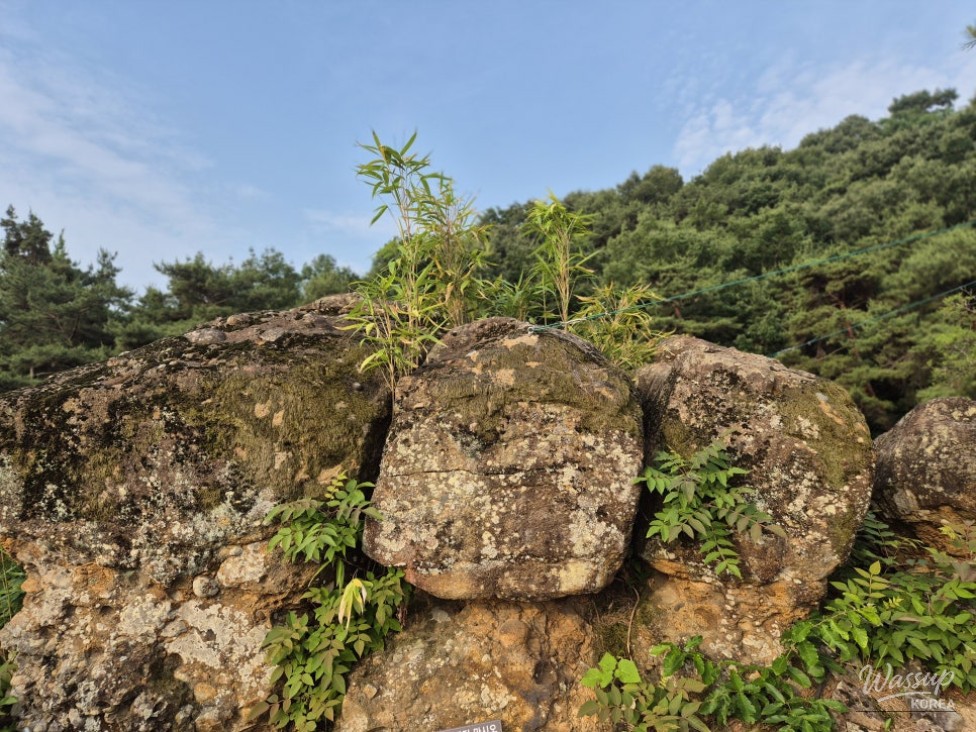
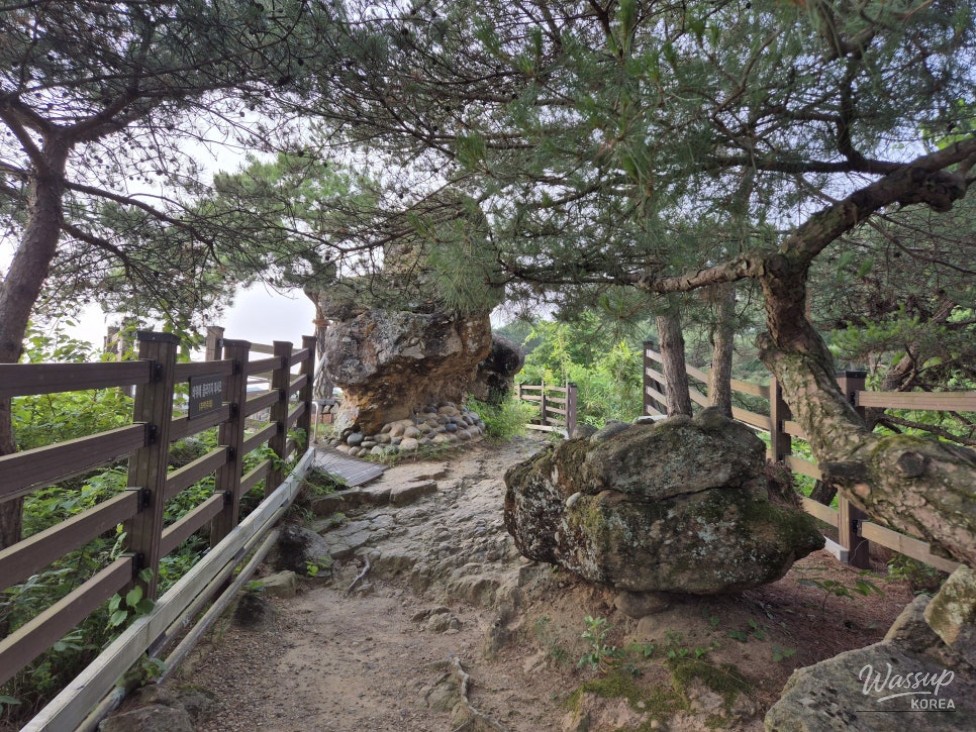
While exploring the rocky areas, I encountered large stones with deep grooves. Legend has it that these were feeding troughs for a winged horse obtained by General Jeong Gi-ryong during the Japanese invasions. These mythical stories add a layer of wonder to the physical beauty of the site.
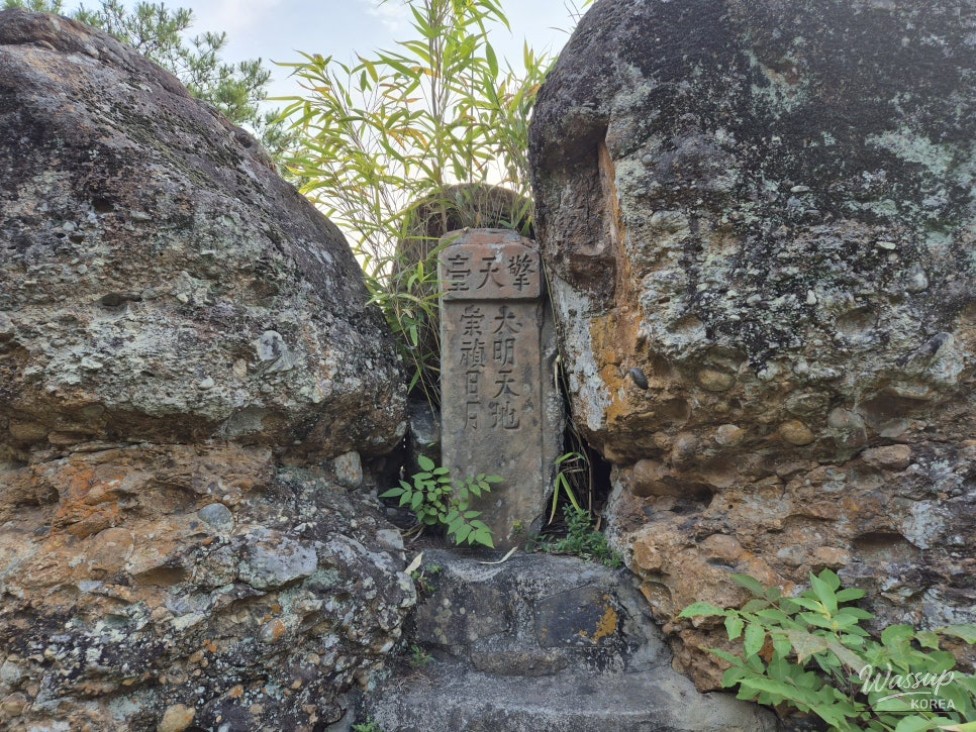
I also found a stele wedged between the rocks with the inscription 'Gyeongcheondae.' While the historical context regarding the Ming Dynasty reign titles on the stone left me with mixed feelings, there was no denying the sheer majesty of the location itself. It is a place where nature's beauty transcends political history.
Healing Moments by the Shimmering Golden Waves
I spent a long time capturing the atmosphere—the sound of the cuckoos, the light morning mist, and the way the river looks like millions of shimmering silverfish under the sun. Walking along the deck path, I felt a deep sense of gratitude for being able to enjoy this magnificent scenery alone.
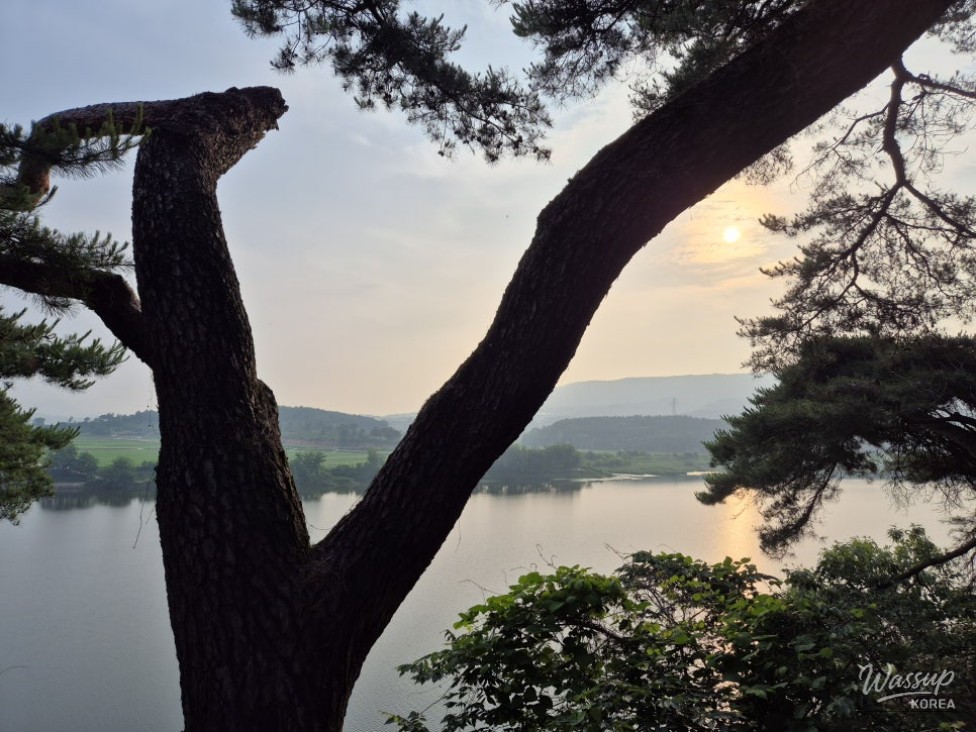
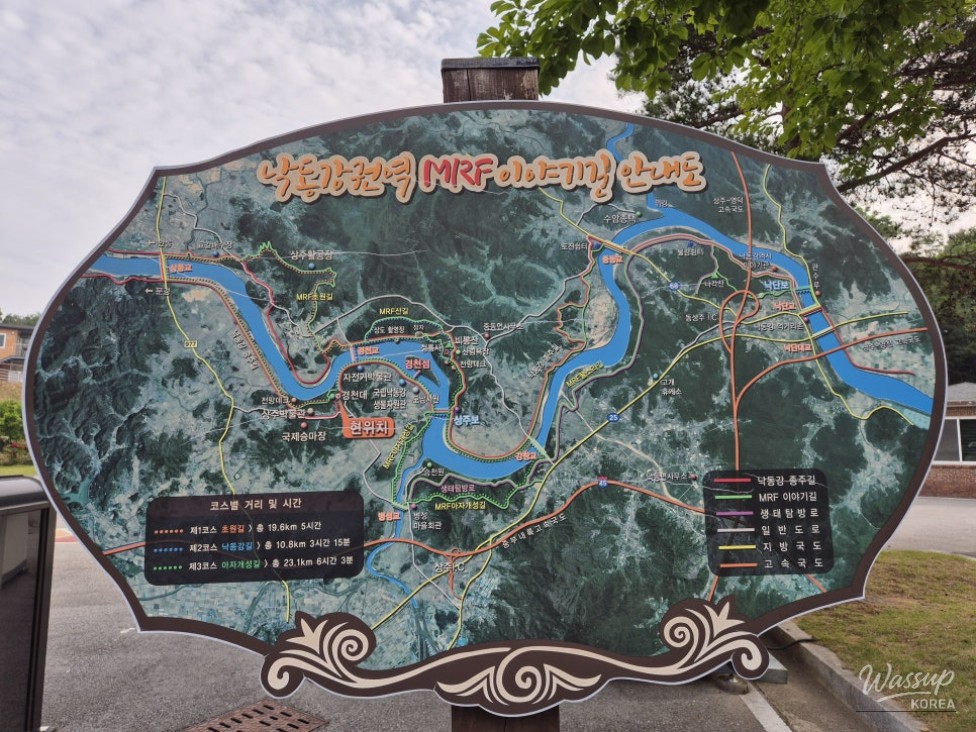
The Nakdong River, originating in Taebaek, moistens the wide plains of Sangju and creates a lifeline for the people. Seeing the sedimentary layers pushed by the river become fertile land reminded me of the eternal cycle of nature. Gyeongcheondae is not just a viewpoint; it is a place that holds the stories of the land and its people.
Have you ever visited a place at dawn to experience its true, quiet beauty before the crowds arrive? If you're exploring Sangju, I also recommend visiting the Sangju Bicycle Museum or trekking the Nagaksan Park trails nearby. What is your favorite spot to watch the sunrise in Korea?
More from Heritage


No comments yet.


