Gwanramjeong Pavilion: A Jewel of Changdeokgung Palace
Changdeokgung Palace, 99 Yulgok-ro, Jongno-gu, Seoul
관람정



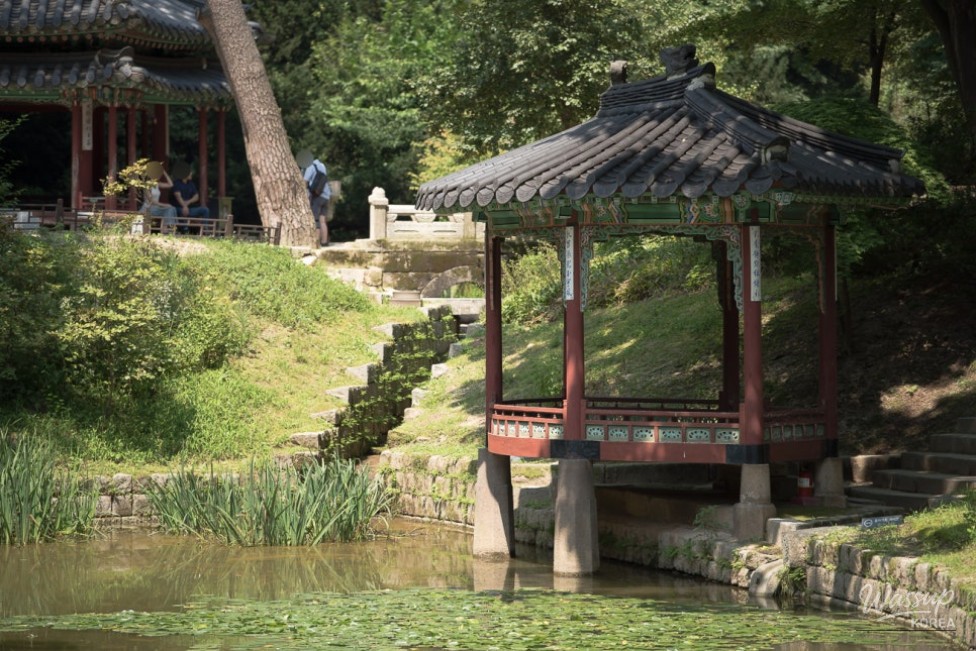
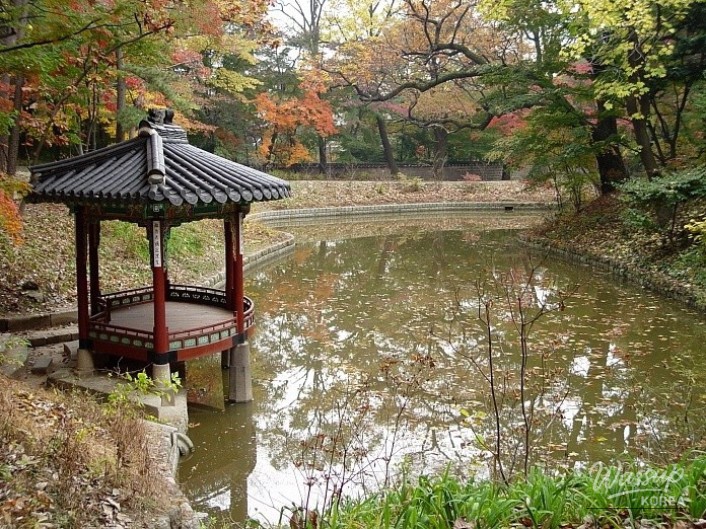
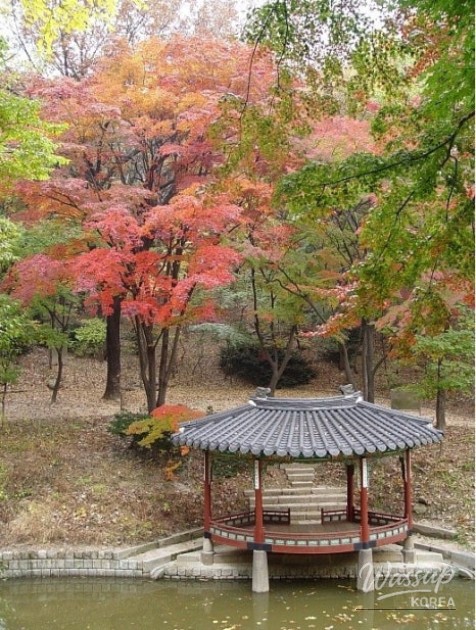
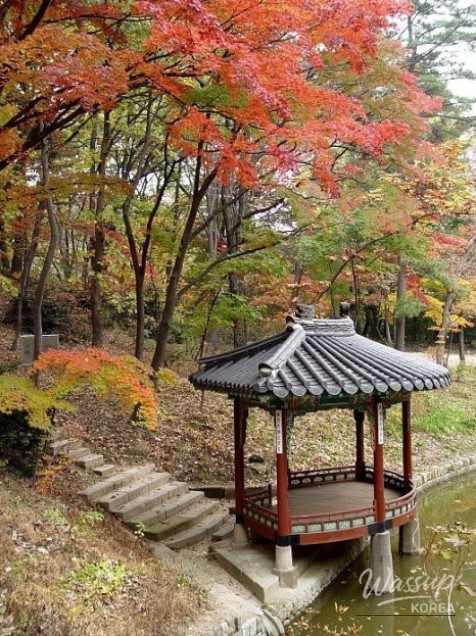
Nestled within the rear garden of Changdeokgung Palace, Gwanramjeong Pavilion (관람정) stands as a unique masterpiece of late Joseon architecture. While other pavilions in the Secret Garden were designed for quiet meditation or scholarly study, Gwanramjeong was built as a place to celebrate the beauty of nature and the pleasure of watching boat rides on the nearby Bandoji Pond. Its name literally translates to "watching the anchor rope," evoking a leisurely atmosphere where royalty could enjoy the sight of boats gliding across the water.
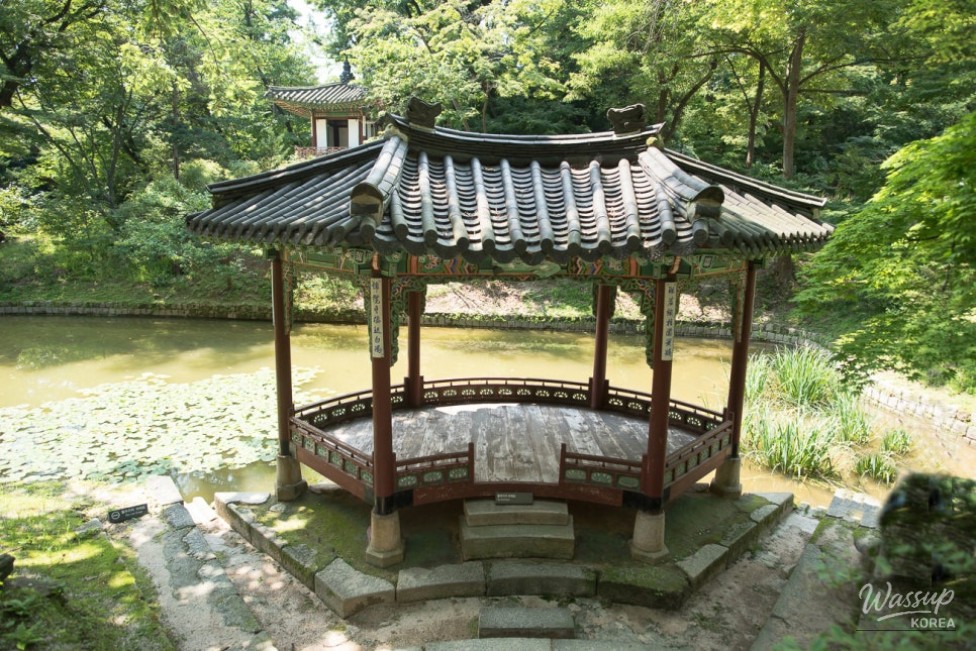
What makes Gwanramjeong truly exceptional is its rare fan-shaped layout—the only one of its kind remaining in Korea. Resembling a spread folding fan (Hapjukseon), the pavilion’s structural aesthetics and its harmonious integration with the surrounding forest and peninsula-shaped pond create a scene that looks like a traditional landscape painting come to life. Whether framed by the lush greens of summer or the fiery maples of autumn, Gwanramjeong remains one of the most picturesque and architecturally significant resting spots within the palace grounds.
Architectural Rarity: The Fan-Shaped Pavilion
Gwanramjeong is renowned for its unconventional plan. Unlike the typical square or hexagonal pavilions of the Joseon Dynasty, it features a plan that mimics a spread folding fan. This unique shape required highly skilled craftsmanship to execute, using six slender round pillars and a specialized framing method known as Guldori. This architectural daring allowed the pavilion to jut out slightly over the pond, maximizing the view of the water and the activities upon it.
Bandoji Pond: A Shape Reflecting the Land
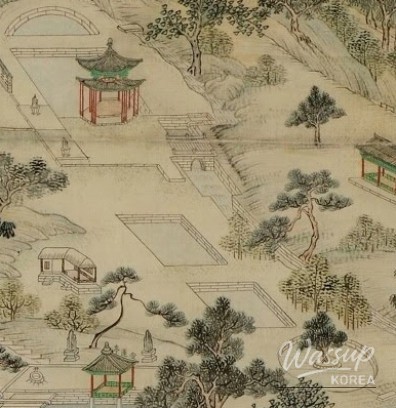
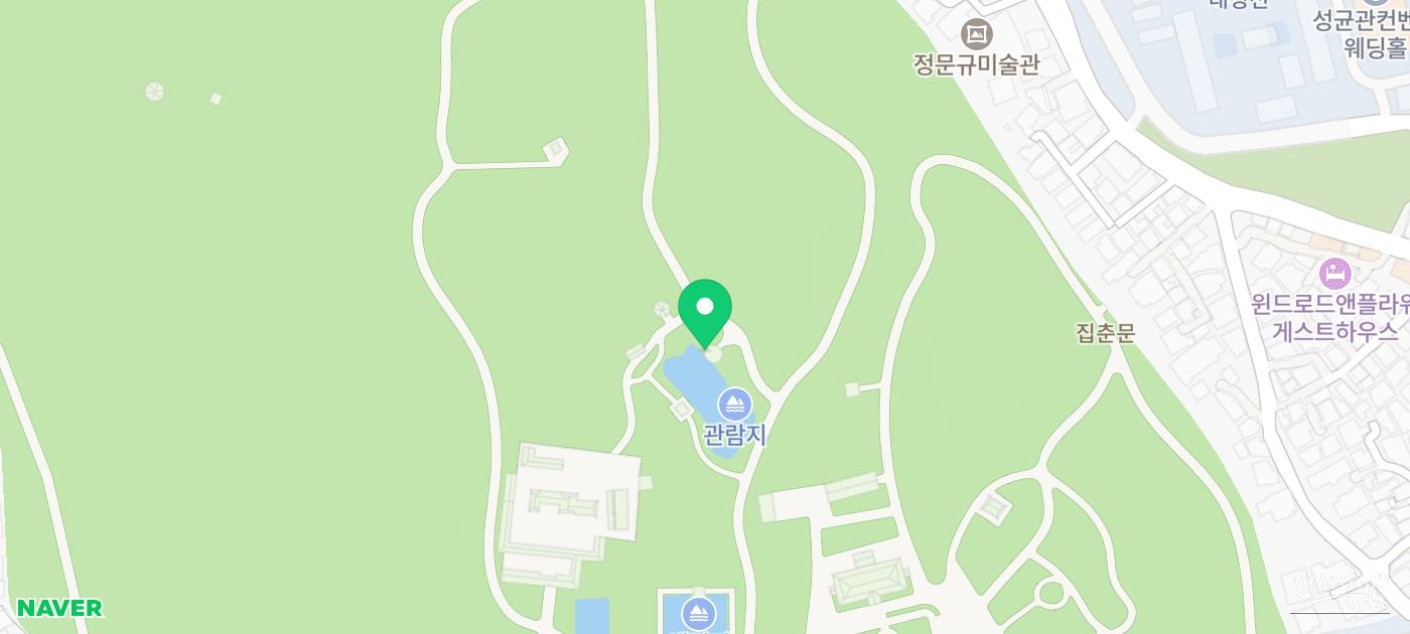
The pond in front of the pavilion is called Bandoji (Peninsula Pond) because its outline resembles the shape of the Korean peninsula. Interestingly, historical maps like the Donggwoldo show that this area originally consisted of multiple smaller, geometric ponds. It is believed that the pond was reshaped into its current peninsula form during the Japanese colonial period. Despite these changes, the area remains a tranquil sanctuary where the reflection of the surrounding maple trees creates a sense of profound peace.
Historical Mystery and Legacy
The exact year Gwanramjeong was built remains a mystery, as it does not appear in early 19th-century palace paintings. However, records from the early 20th century confirm its presence, leading historians to speculate it was constructed between the late 19th century and 1901. During the reign of Emperor Sunjong, the pond was used for boating, a practice that the pavilion was perfectly positioned to oversee.
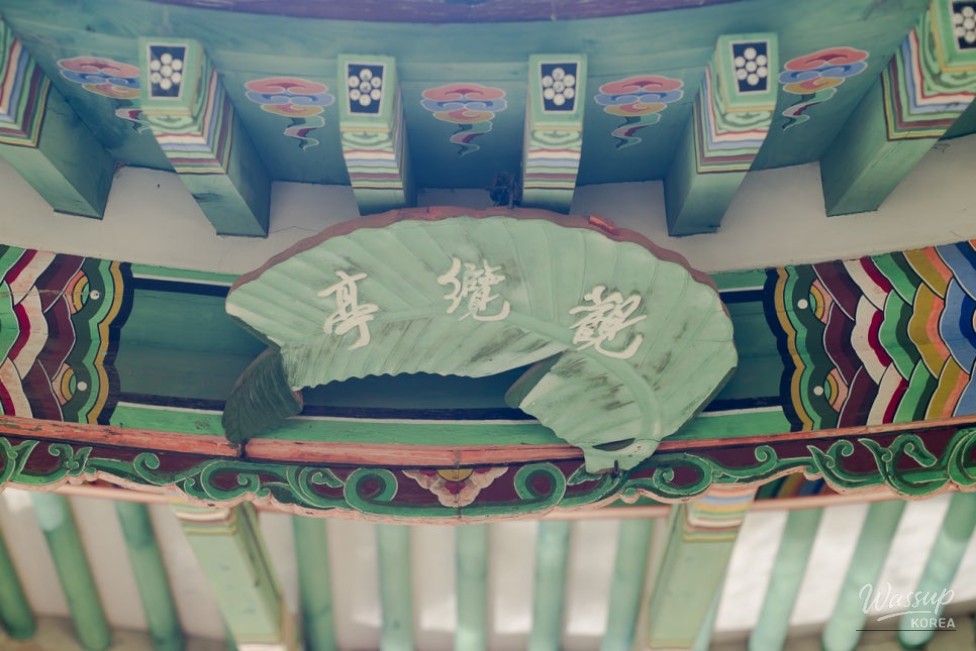
Photogallery: A Painting of Nature
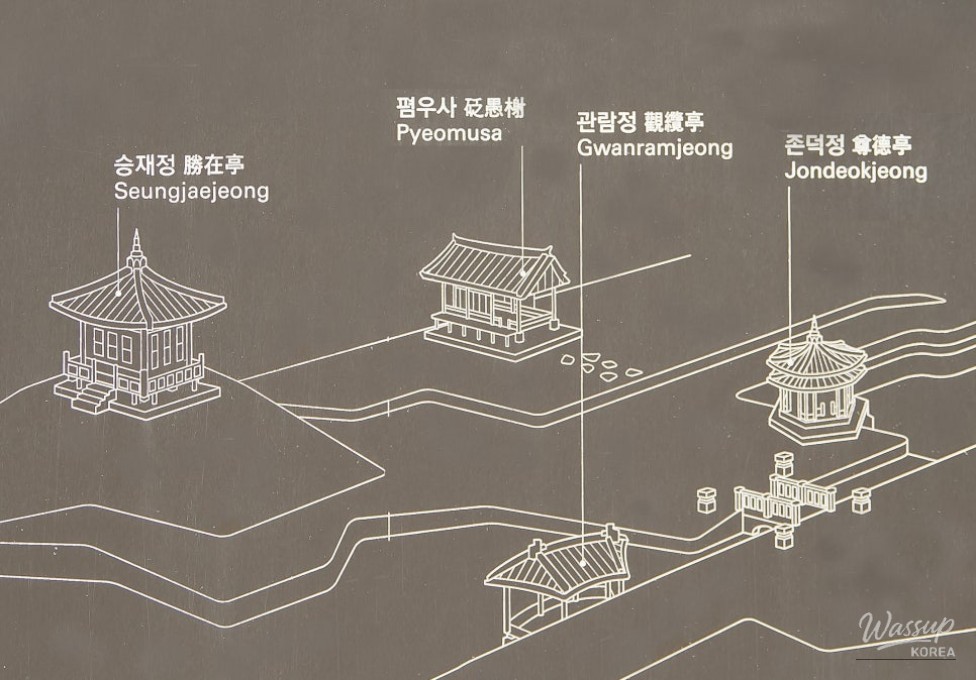
Gwanramjeong Pavilion serves as a poignant reminder that the palace was not just a place of politics, but also a place for the soul to find respite in the beauty of the world. Have you ever stood in a space that made you feel like you were part of a living painting? If you are planning a visit to the Secret Garden, would you like me to help you find the best time for photography or provide information on other hidden pavilions like Jondeokjeong?
No comments yet.