Exploring Seoul: Traces of Independence Activists
7 Sajik-ro 2-gil, Jongno-gu, Seoul
딜쿠샤



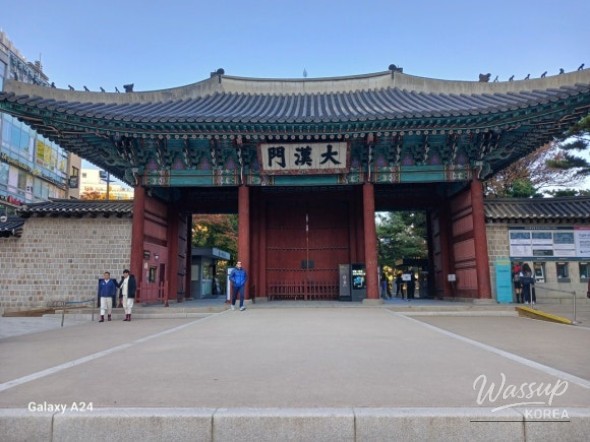
Tracing the paths of independence activists in Seoul reveals a narrative of resilience that spans from the majestic stone walls of Deoksugung Palace to the unique Western-style architecture of Dilkusha in Haengchon-dong. This historical journey highlights the vital roles played by both Korean patriots and foreign missionaries, such as Henry Appenzeller, who provided the intellectual and spiritual foundations for freedom. These sites serve as living reminders that the fight for Korean independence was a collective effort of diverse individuals united by a singular dream of liberty.
In this fourth installment of our exploration, we delve into the tragic history of the Eulsa Treaty at Jungmyeongjeon, the poetic aspirations of Kim Gu at Gyeonggyojang, and the dramatic journalistic spirit of Albert W. Taylor at Dilkusha. Each location offers a profound opportunity to reflect on the "power of culture" and the "joyful hearts" that sustained the nation through its darkest times. Whether you are a student of history or a traveler seeking a deeper connection to Seoul, these landmarks provide an essential perspective on the birth of the modern Republic of Korea.
Jeongdong: The Cradle of Modern Education and Resistance
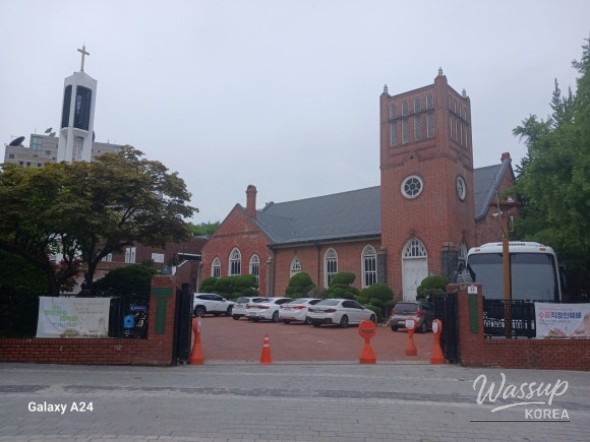
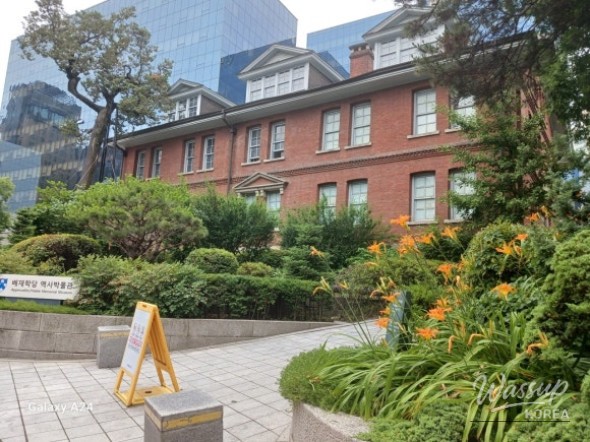
The area surrounding Deoksugung Palace is steeped in the history of the early independence movement. The Jeongdong First Methodist Church, founded by missionary Henry Appenzeller, was a secret stronghold for activists. It was here that Korea's first pipe organ served as a hiding place for the secret printing of the Declaration of Independence during the March 1st Movement. Nearby, the Baejae Hakdang History Museum stands as a testament to the school that produced legendary figures like Syngman Rhee and Ju Si-gyeong.

Patriot Yun Hui-sun: The First Female Righteous Army Commander
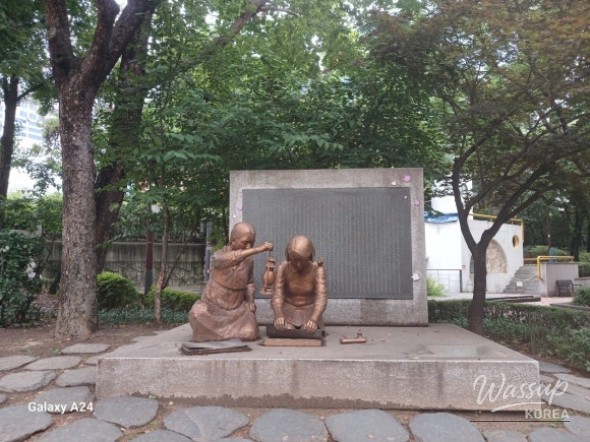
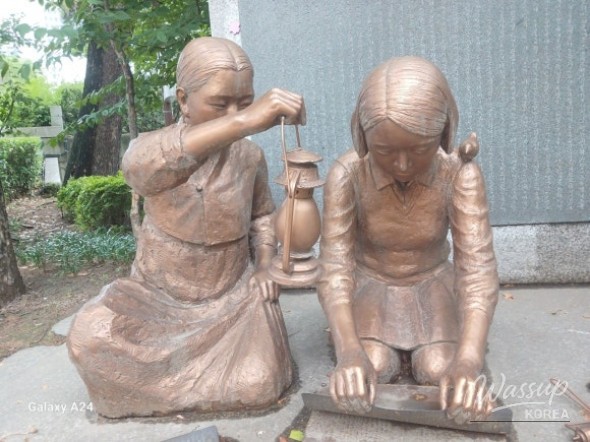
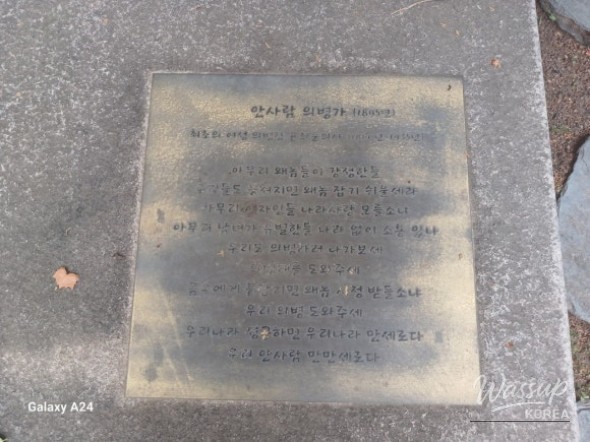
Just a short walk from the museum, statues honor women who broke social barriers to fight for their country. Among them is Yun Hui-sun, Korea's first female commander of the righteous army. She not only recruited female soldiers and manufactured ammunition but also composed powerful anti-Japanese songs like "Ansarami Uibyeongga" to boost the morale of the resistance. Her legacy is a powerful reminder of the determination found among all Koreans, regardless of gender.
Jungmyeongjeon and Gyeonggyojang: Traces of a Divided Sovereignty
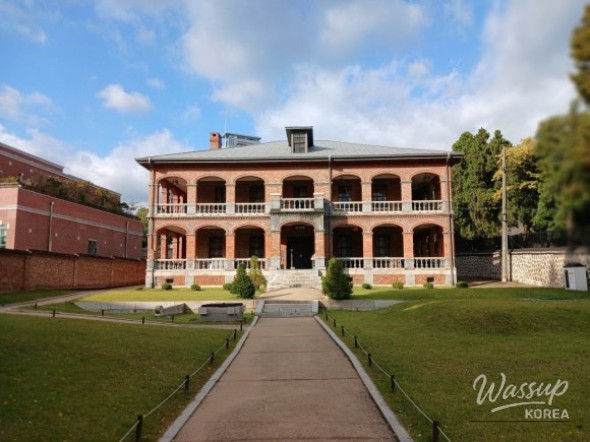
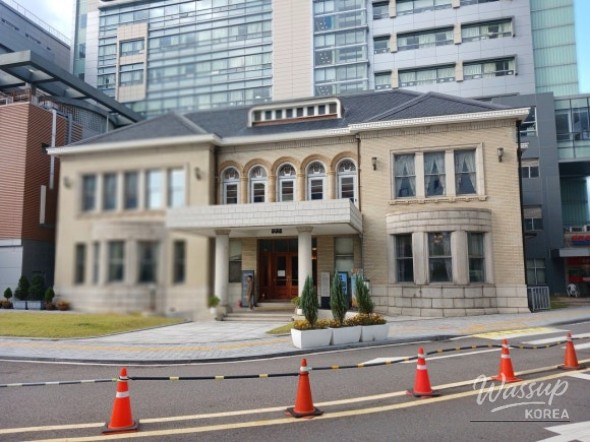
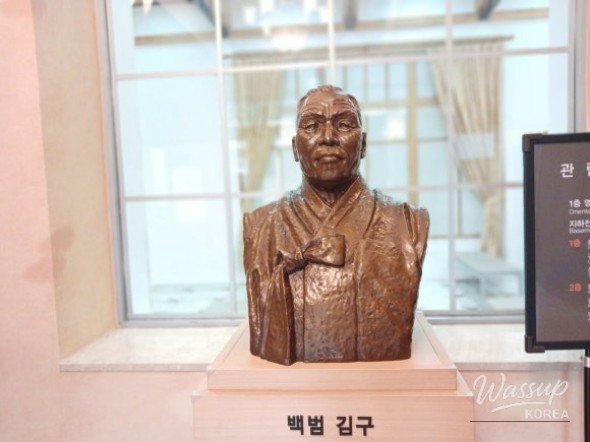
The red brick walls of Jungmyeongjeon Hall hold the heartbreaking memory of 1905, when the Eulsa Treaty was forcibly concluded, stripping Korea of its diplomatic rights. Moving from this site of tragedy toward Kangbuk Samsung Hospital, one finds Gyeonggyojang. This was the headquarters of the Provisional Government and the final residence of Kim Gu, who famously dreamed of a nation defined by the "power of high culture" rather than military might.
Kim Gu's Vision in the Basement of Gyeonggyojang
A tour of Gyeonggyojang’s basement offers a deep dive into Kim Gu’s autobiography, <Baekbeom Ilji>. His desire for a "complete and independent independence" and his emphasis on happiness through cultural exchange resonate even more strongly today as Korean culture gains global recognition. Visitors can see the exact spot where his life was tragically ended by an assassin, a moment that remains one of the most somber chapters in Korean modern history.
Dilkusha: The House of the Joyful Heart
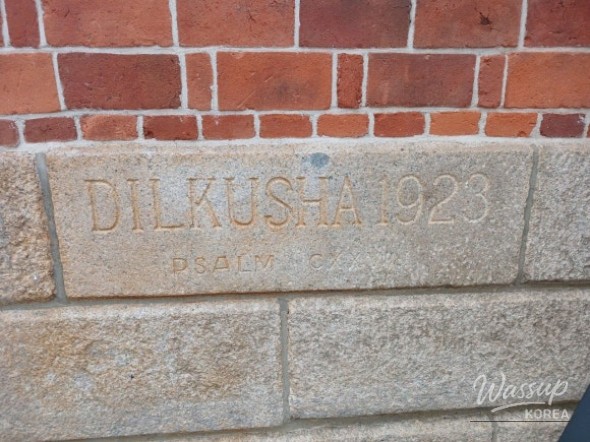
Located on the slopes of Inwang Mountain, Dilkusha is the former residence of American AP correspondent Albert W. Taylor. This "house of the joyful heart" played a dramatic role in the March 1st Movement. Taylor’s brother famously hid the Declaration of Independence in the heel of his shoe to smuggle it to Tokyo and alert the world's media. After decades of neglect, the house has been meticulously restored by the Seoul Metropolitan Government.
Journalism that Informed the World
Inside Dilkusha, visitors can explore the Taylor family's life in Korea and see the newspaper articles that first informed the global community about the Japanese atrocities, including the Jeam-ri Massacre. The house stands right across from a massive 400-year-old ginkgo tree, marking the site of General Kwon Yul’s former home, bridging the gap between the Imjin War and the modern independence struggle.
Photogallery: Remnants of the Resistance
Exploring these sites in Seoul offers a profound lesson on how the past shapes our future. Have you ever stood in a place where history felt so tangible that it changed your perspective on the present? If you're planning a visit to Dilkusha or Gyeonggyojang, would you like me to find the current exhibition hours or nearby recommended cafes to complete your walking tour?
No comments yet.