Exploring Seochon: A Glimpse into the Past and Present
47-133 Okin-dong, Jongno-gu, Seoul
옥인동 윤씨 가옥



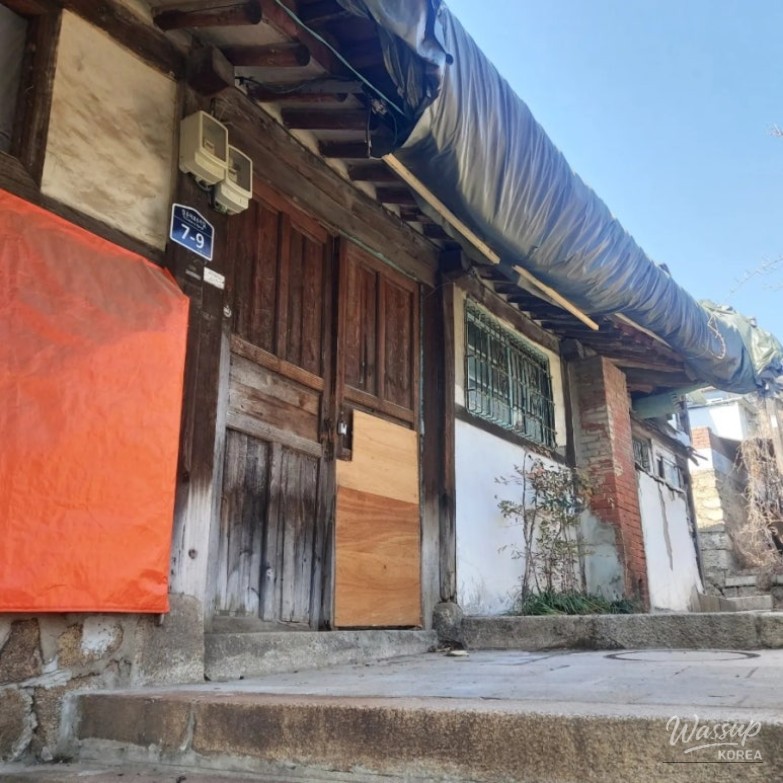
Deep within the winding alleys of Seochon Hanok Village lies the Yun Family House of Okin-dong (옥인동 윤씨 가옥), a site that tells a complex and somewhat controversial story of Korea's modern history. Originally built in 1919 by Yun Deok-yeong—a notorious pro-Japanese figure—for his concubine, the house was long mistakenly revered as the birthplace of Empress Sunjeonghyo. This historical error led to its designation as a cultural heritage site in the 1970s, only to be stripped of that status once the truth was revealed.
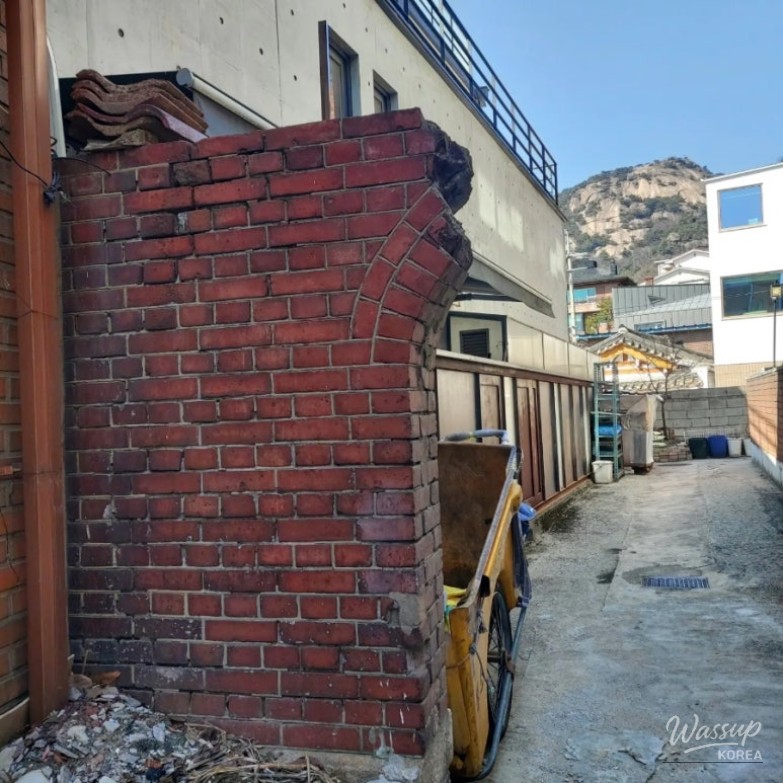
Today, the house stands as a significant piece of "negative heritage." Though it was left in a dilapidated state for decades, it is currently undergoing a major renovation project aimed at transforming it into an open public space. Exploring this quiet corner of Okin-dong offers a rare glimpse into the remnants of the Japanese colonial era, from the grand stone pillars of the lost Byeoksusan Villa to the crumbling walls that once belonged to one of the largest private estates in Seoul. It is a place where history is unraveled with every step, revealing a riddle of memory, legacy, and urban transformation.
The Mystery of Okin-dong: From Royal Myth to Negative Heritage
The Yun Family House was built during a period of dramatic change in Korea. For many years, it was famously associated with Empress Sunjeonghyo, but research eventually proved the house was actually commissioned by her uncle, Yun Deok-yeong. Because of its tainted origins, the house became a target of debate: should it be destroyed or preserved? The Seoul Metropolitan Government recently decided on the latter, treating it as a "negative heritage" site that serves as a lesson for future generations.
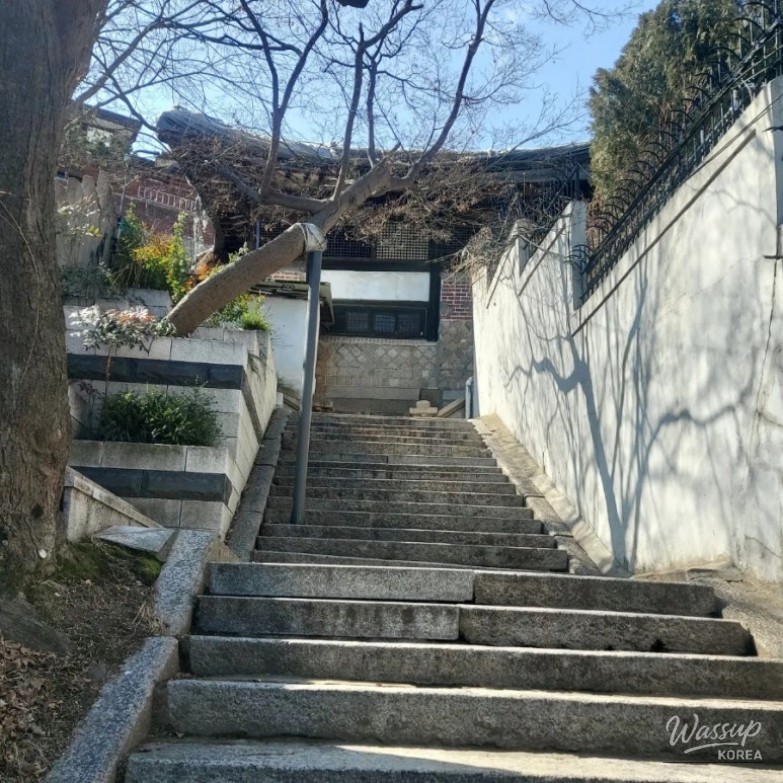
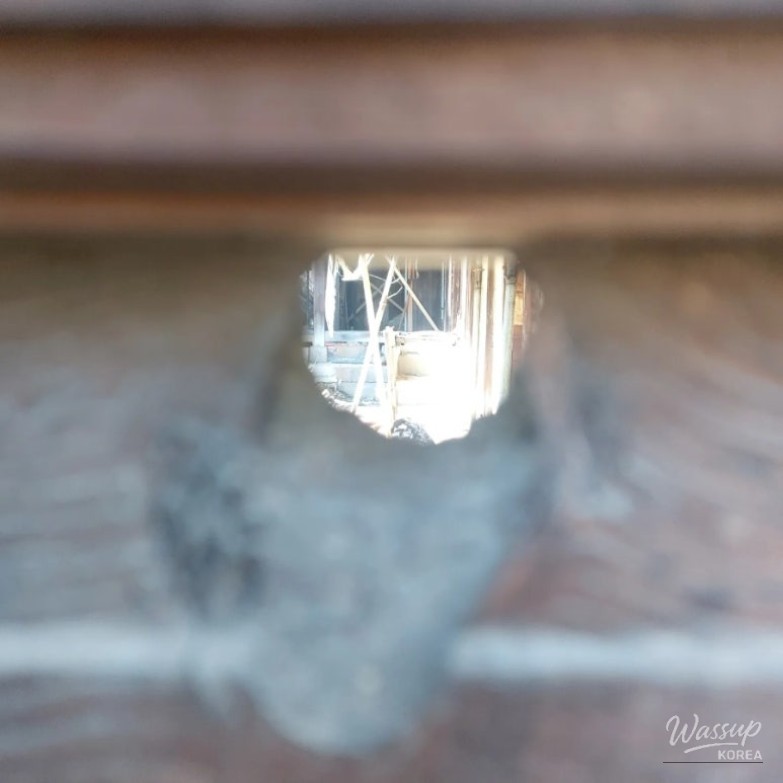
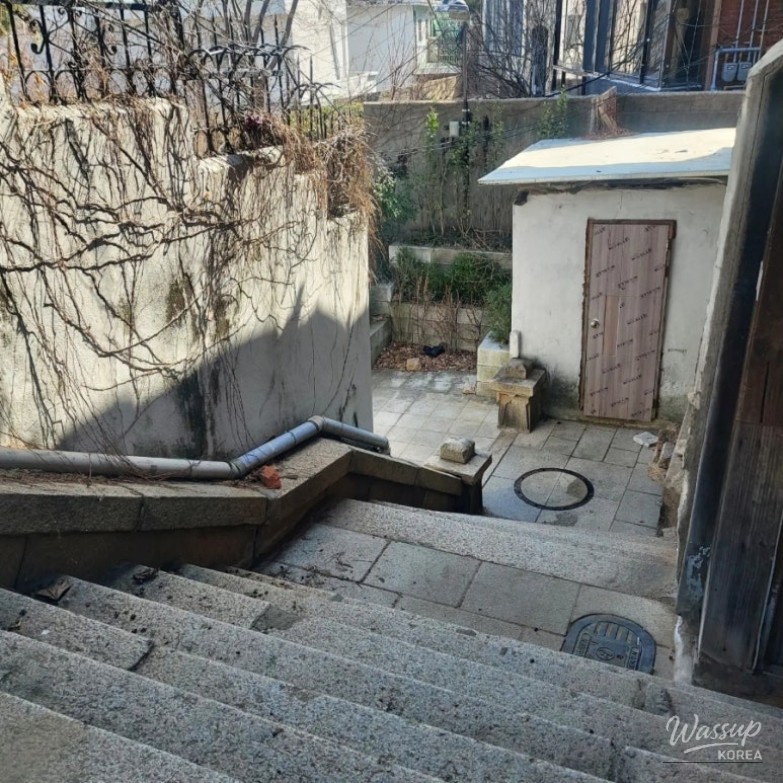
During my visit, the house was still under renovation, yet its significance was visible even through the cracks in the gate. The stone stairs and intricate railings hint at the luxury that once defined this estate. Interestingly, because the original structure was too fragile to move, a high-fidelity replica was built in the Namsangol Hanok Village for those who want to see what the interior looked like in its prime.
Discovering the Ghost of Byeoksusan Villa
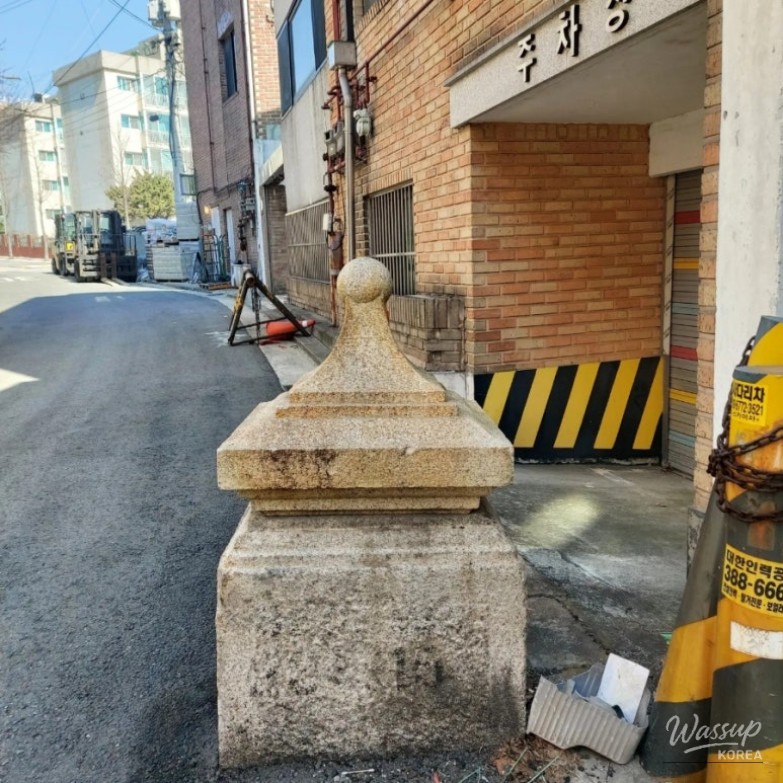
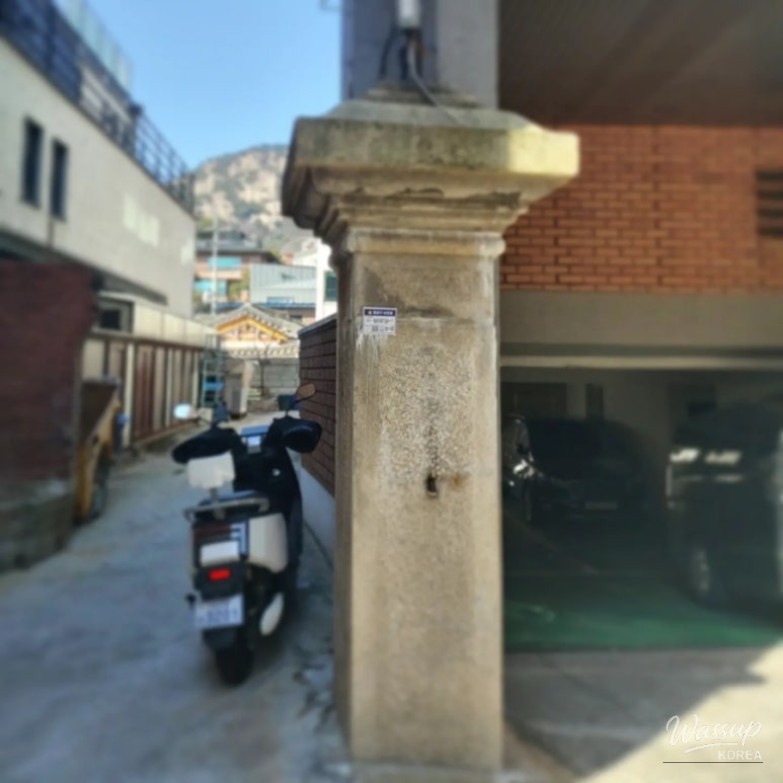
Yun Deok-yeong's influence extended far beyond this single house; at one point, he owned over 50% of the land in Seochon. His most extravagant project was Byeoksusan Villa, a massive French-style stone building that once dominated the hillside. Although most of it was destroyed by fire in the mid-20th century, sharp-eyed walkers can still find traces of its former glory hidden between modern homes and apartment buildings.
A Walk Through Time: Stone Pillars and Red Walls
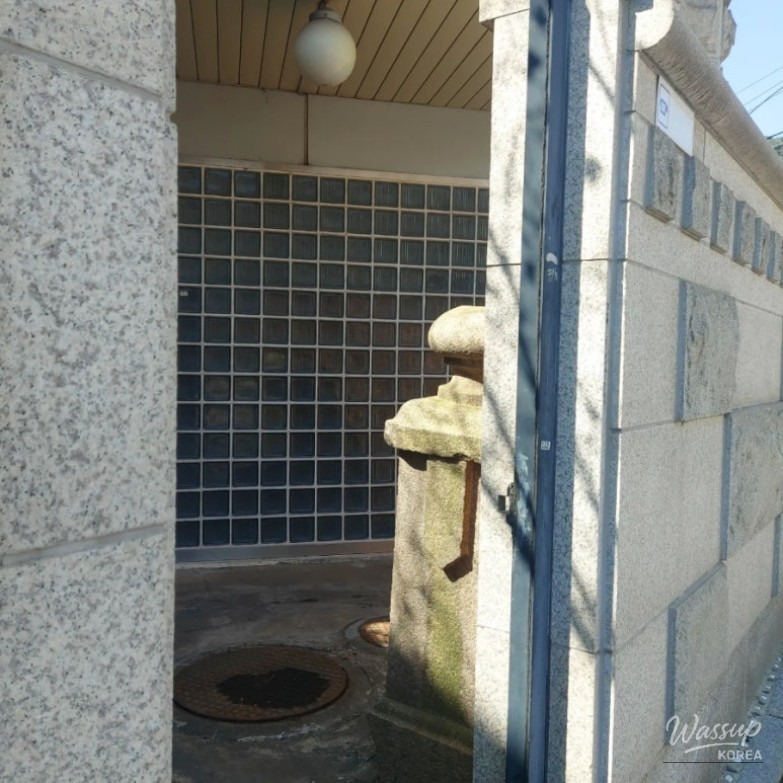
The true charm of Seochon lies in these accidental discoveries. On my way back, I noticed a large stone pillar standing inside an open residential gate—a literal ghost of Byeoksusan. Similar stone pillars and boundary markers can be found in front of local apartment complexes, serving as sturdy reminders of an era that many would rather forget, yet which remains etched into the neighborhood's geography.
Seochon: A Neighborhood of Riddles
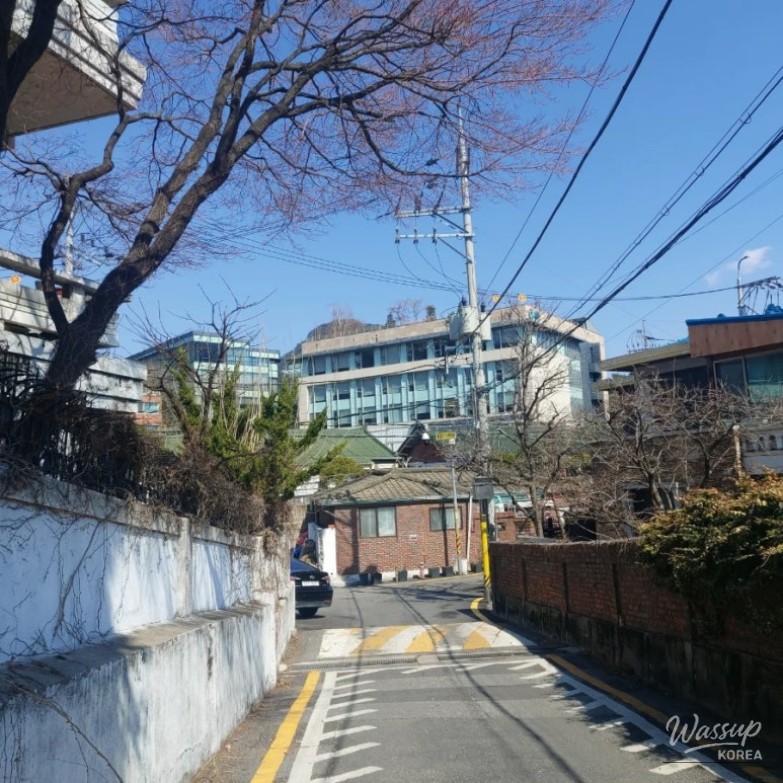
Unlike the more commercialized Bukchon, Seochon remains quiet and introspective. The area near the Yun Family House is particularly serene, with few tourists passing by. As the renovation nears completion, this space will soon become a public open area, inviting visitors to contemplate the layers of history beneath their feet. It is a neighborhood that reveals its secrets slowly, like a riddle that becomes more fascinating the more you know about its past.
Photogallery: Remnants of Okin-dong
The Yun Family House serves as a powerful reminder that history isn't always beautiful, but it is always vital to remember. Have you ever visited a "negative heritage" site that changed your perspective on a city's past? If you're planning a trip to Seochon, would you like to know more about the nearby Suseongdong Valley or other hidden Hanok spots that reveal the neighborhood's artistic soul?
No comments yet.