Explore the Silla Dynasty at the Gyeongju National Museum's Wolji Hall
186 Iljeong-ro, Gyeongju-si, Gyeongsangbuk-do
월지관



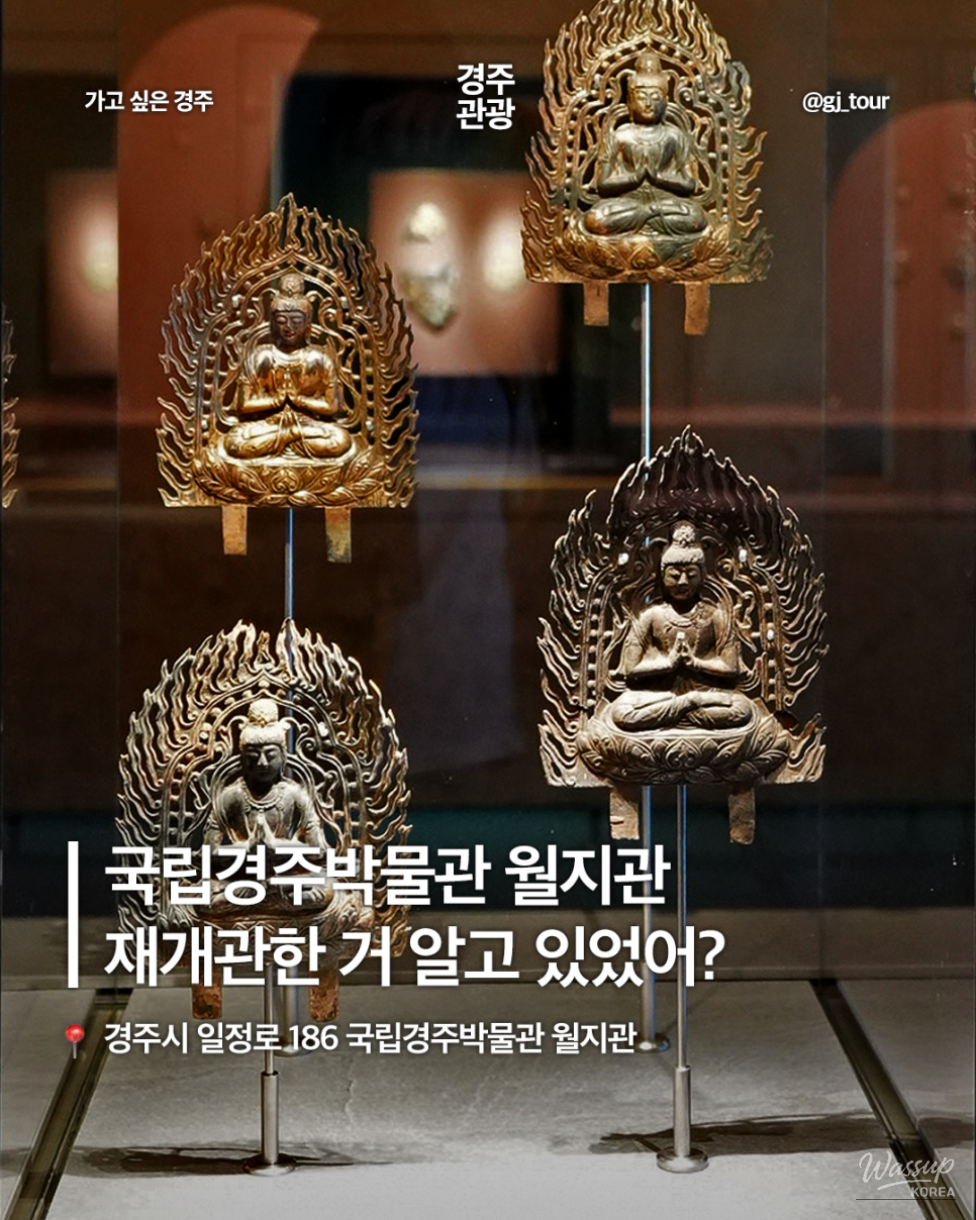
Step back a thousand years into the golden age of the Silla Dynasty at the newly reopened Wolji Hall (월지관). Located within the Gyeongju National Museum, this specialized exhibition hall has recently undergone renovations in preparation for the 2025 APEC summit, offering a more immersive and refined viewing experience. It serves as a dedicated space for preserving and showcasing the incredible heritage found at Donggung Palace and Wolji Pond, formerly known as Anapji Pond.
The hall features a meticulously curated collection of approximately 1,000 national treasures that provide a vivid window into the daily lives, aesthetic tastes, and architectural prowess of the Unified Silla royal court. From exquisite Buddhist statues to mysterious wooden tablets and delicate pottery, Wolji Hall is a must-visit destination for anyone traveling to Gyeongju this autumn who wishes to feel the true spirit of ancient Korean royalty.
Discover the Royal Artifacts of Donggung Palace and Wolji Pond
Donggung Palace and Wolji Pond were once the secondary residence of the Silla Crown Prince and a grand venue for royal banquets. During excavations of the pond, over 30,000 artifacts were recovered, providing unparalleled insight into the period. Wolji Hall at the Gyeongju National Museum systematically organizes these finds, allowing visitors to appreciate the delicate artistry and sophisticated culture that flourished during the Unified Silla period.

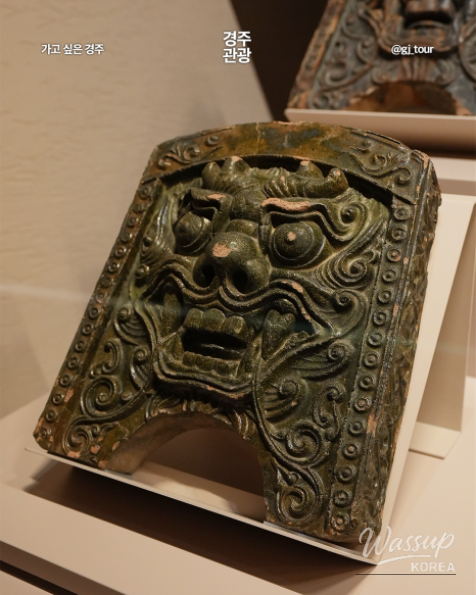
The exhibition is not merely a display of items but a "thematic journey" through Silla’s aesthetic consciousness. Visitors can view various architectural ornaments, such as roof tiles with ornate patterns, and everyday items including pottery and weapons. Each piece highlights the exquisite craftsmanship that has earned Silla its reputation for having a "splendid and brilliant" culture.
A Vivid Glimpse into Royal Silla Life
In addition to decorative arts, the hall showcases unique wooden tablets known as 'Mokgan,' which were used for writing before paper became common. These tablets offer a fascinating look at the administrative and personal lives of the people who inhabited the palace. Combined with golden Buddhist statues and ceremonial vessels, the collection creates a comprehensive narrative of life within the royal walls.

Planning Your Visit: Reopening and APEC Schedule
Wolji Hall has reopened with enhanced facilities to welcome international guests and local history enthusiasts. However, travelers should be aware of a temporary closure linked to the 2025 APEC Summit. The Gyeongju National Museum will be closed from Tuesday, October 28th to Saturday, November 1st, 2025. If you are planning an autumn trip, please ensure you check these dates to avoid disappointment.

This is the perfect season to explore the Gyeongju National Museum as the surrounding grounds turn golden with autumn leaves. After touring Wolji Hall, you can walk through the museum park to see other iconic treasures like the Divine Bell of King Seongdeok. The museum provides a serene environment where the weight of history and the beauty of nature coexist harmoniously.
Photo Gallery: Silla's Thousand-Year Legacy
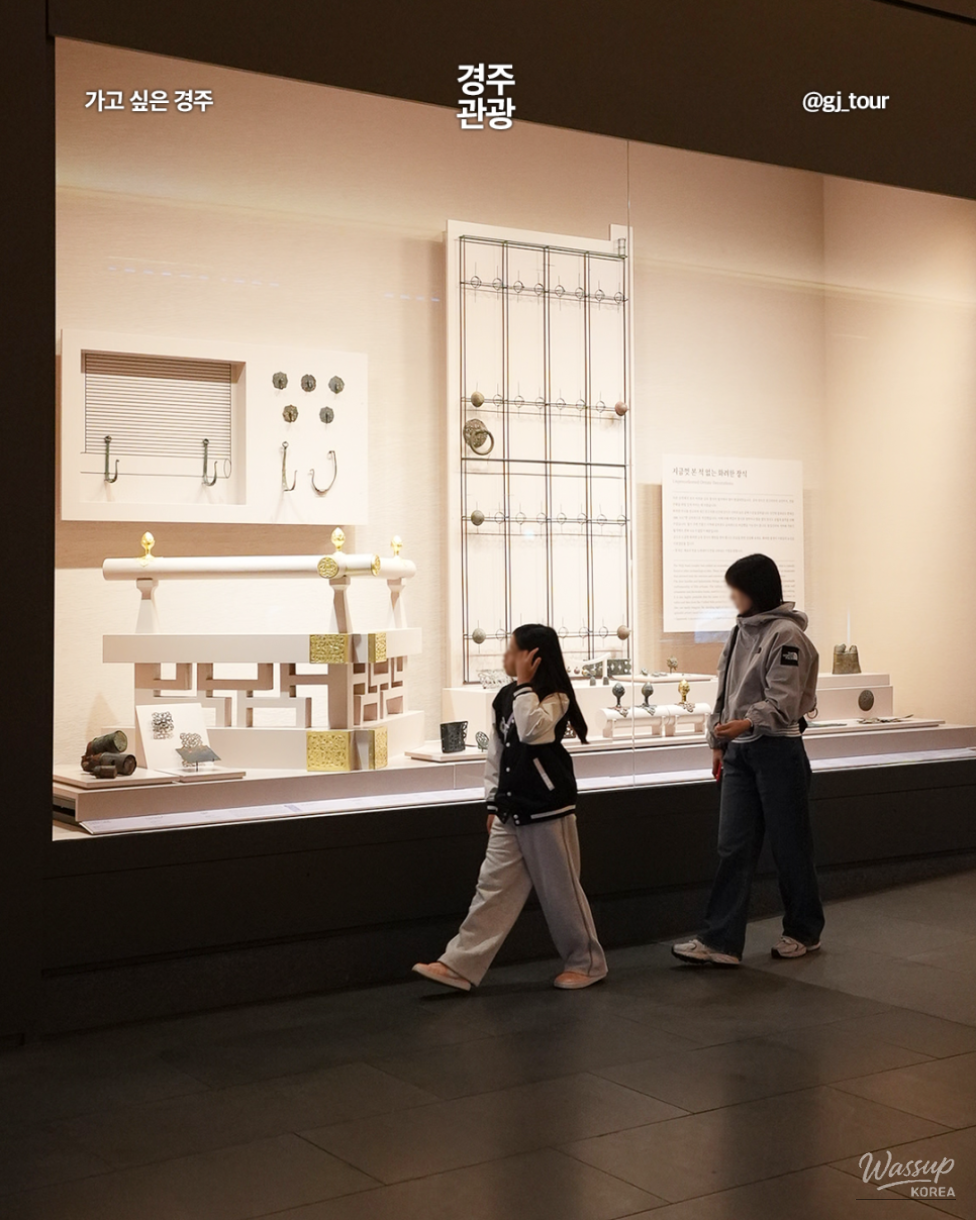
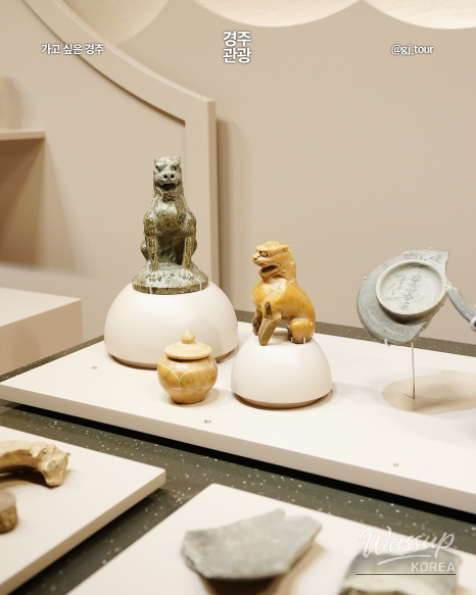


Exploring the traces of Silla at Wolji Hall is a profound way to connect with Korea's royal past. Have you had a chance to visit the original Donggung Palace at night, or are you looking forward to seeing the actual artifacts first at the museum? If you'd like to know more about the best walking courses around the museum or need tips on nearby Gyeongju "view restaurants" for a post-tour meal, feel free to ask!
No comments yet.