Escape the Heat: A Cultural Museum Tour in Gimhae
경상남도 김해시 가야의길 190
국립김해박물관



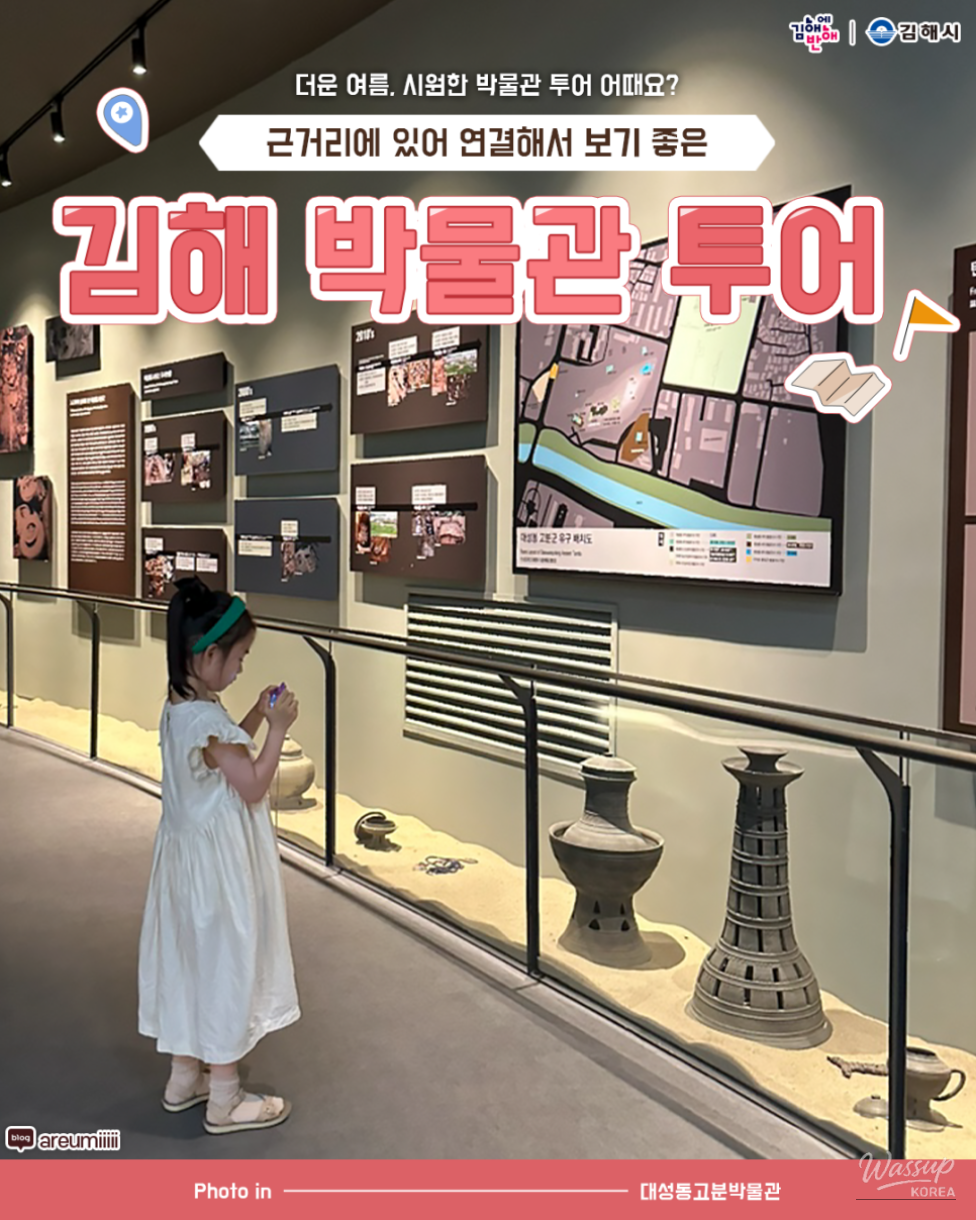
When the summer heat becomes overwhelming, escaping to the cool, air-conditioned halls of a museum is the perfect way to enjoy a cultural healing experience. Gimhae offers a unique opportunity to explore four distinct museums—the National Gimhae Museum, Daeseong-dong Tomb Museum, Gimhae Folk Museum, and Gimhae Hangeul Museum—all located within a 5-minute drive of each other. This high-density cultural zone allows travelers to dive deep into the ancient Gaya Kingdom, traditional Korean lifestyles, and the beauty of the Korean alphabet without the burden of long travel times.
Each museum presents a different theme and atmosphere, from the world-class archaeological displays of the National Museum to the interactive, family-friendly exhibits at the Hangeul Museum. Because they are so close together, you can easily connect them into a single-day walking or driving course. This guide will walk you through the highlights of each spot, helping you plan a fulfilling journey through the history and soul of Gimhae.
1. National Gimhae Museum: The Gateway to Gaya Culture
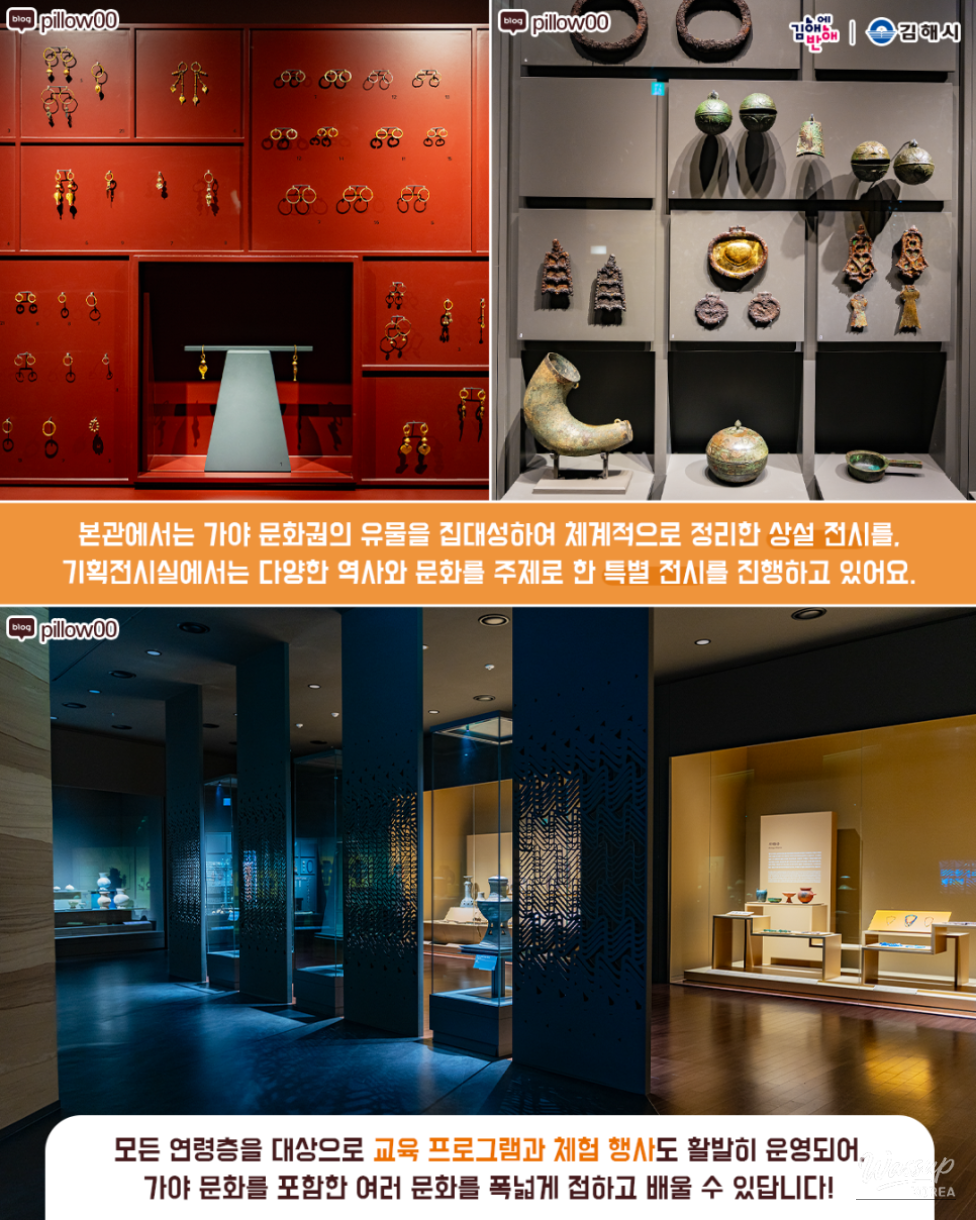
The National Gimhae Museum (국립김해박물관) is the premier archaeological museum dedicated to the history and culture of the Gaya Confederacy. Since its opening in 1998, it has served as a central research hub, utilizing advanced video facilities and restoration models to make ancient history accessible to everyone. The museum's signature black brick exterior symbolizes the iron and charcoal that were the backbone of Gaya's iron-working civilization.

Visitors can explore the permanent exhibition, "Gaya, a World Heritage Site," which displays artifacts in chronological order to provide a clear understanding of the kingdom's development. From delicate jewelry to sturdy iron armor, the collection tells a vivid story of a sophisticated ancient state. The museum also hosts diverse special exhibitions and educational programs for all ages, making it a cornerstone of Gimhae’s cultural landscape.
2. Daeseong-dong Tomb Museum: A UNESCO World Heritage Experience
Located just an 8-minute walk from the National Museum, the Daeseong-dong Tomb Museum (대성동고분박물관) sits right next to the UNESCO World Heritage Site of the same name. This museum is specifically focused on the funeral and iron cultures of the ruling class of Geumgwan Gaya. It is a rare place where you can see historical artifacts right next to the actual site where they were unearthed.
Walking Through History: Restored Royal Tombs
The museum features an indoor hall with models of the tomb complex and an outdoor museum where Tomb No. 29 and Tomb No. 39 are restored to their original excavation state. Standing beside these large-scale burial sites allows you to feel the actual size and prestige of the ancient kings. It is highly recommended to walk through the adjacent grassy tomb complex after viewing the museum to fully grasp the spiritual and historical value of Gaya culture.

3. Gimhae Folk Museum: A Glimpse into Ancestral Lifestyles
The Gimhae Folk Museum (김해민속박물관) offers a nostalgic journey into the daily lives of Korean people from the late Joseon Dynasty to the modern era. While the other museums focus on ancient kingdoms, this museum re-examines the folk traditions that have shaped recent history. It is located near Suro Royal Tomb, allowing for a peaceful walk through a forest path that connects the two sites.
The first floor focuses on the basics of clothing, food, and housing, while the second floor features a Life Reproduction Hall where traditional housing styles are recreated. This museum provides a fun educational opportunity for children to learn about customs they rarely see today, while adults can enjoy a moment of nostalgia as they view items from Korea's past.
4. Gimhae Hangeul Museum: Celebrating the Beauty of Korean Script
The final stop on the tour is the Gimhae Hangeul Museum (김해한글박물관), the first public Hangeul museum in Korea. It commemorates the legendary Hangeul scholars from Gimhae, Lee Yun-jae and Heo Woong. This museum is particularly popular with families due to its interactive "Hangeul Ability Test" and the "Classroom of Memories," which recreates an old-school learning environment.
Hangeul Culture Park and Interactive Learning
The museum is surrounded by the Hangeul Culture Park, which features artistic sculptures related to the Korean script and well-decorated walking trails. Children can burn off energy at the outdoor playground while adults take in the beauty of the museum's contemporary architecture, which captures the graceful curves of traditional Korean eaves. It is a space where linguistic pride meets modern leisure.

Photo Gallery: A Day of Cultural Exploration
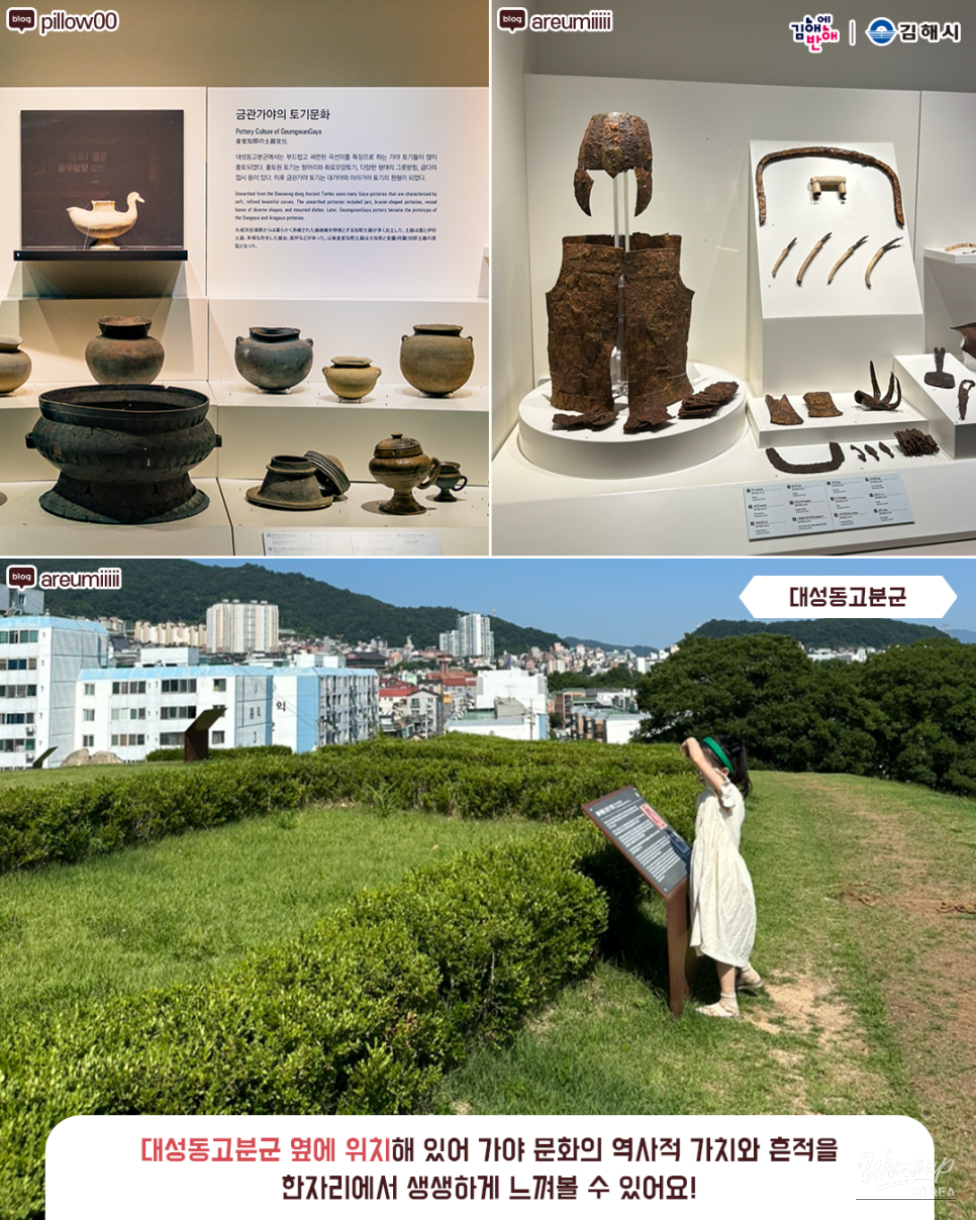


Connecting these four museums into a single-day trip is the best way to see the past and present of Gimhae at a glance. Which of these museums would you visit first—the ancient iron kingdom of the National Museum or the nostalgic folk displays of the Folk Museum? If you're looking for a great spot for lunch or a nearby cafe to rest your feet between museum visits, let us know and we'll share our top local recommendations!
No comments yet.