Celebrating the Kasabulsa Robe Offering and Pre-Mortem Merit Ceremony at Tongdosa Temple
108 Tongdosa-ro, Habuk-myeon, Yangsan-si, Gyeongsangnam-do
통도사



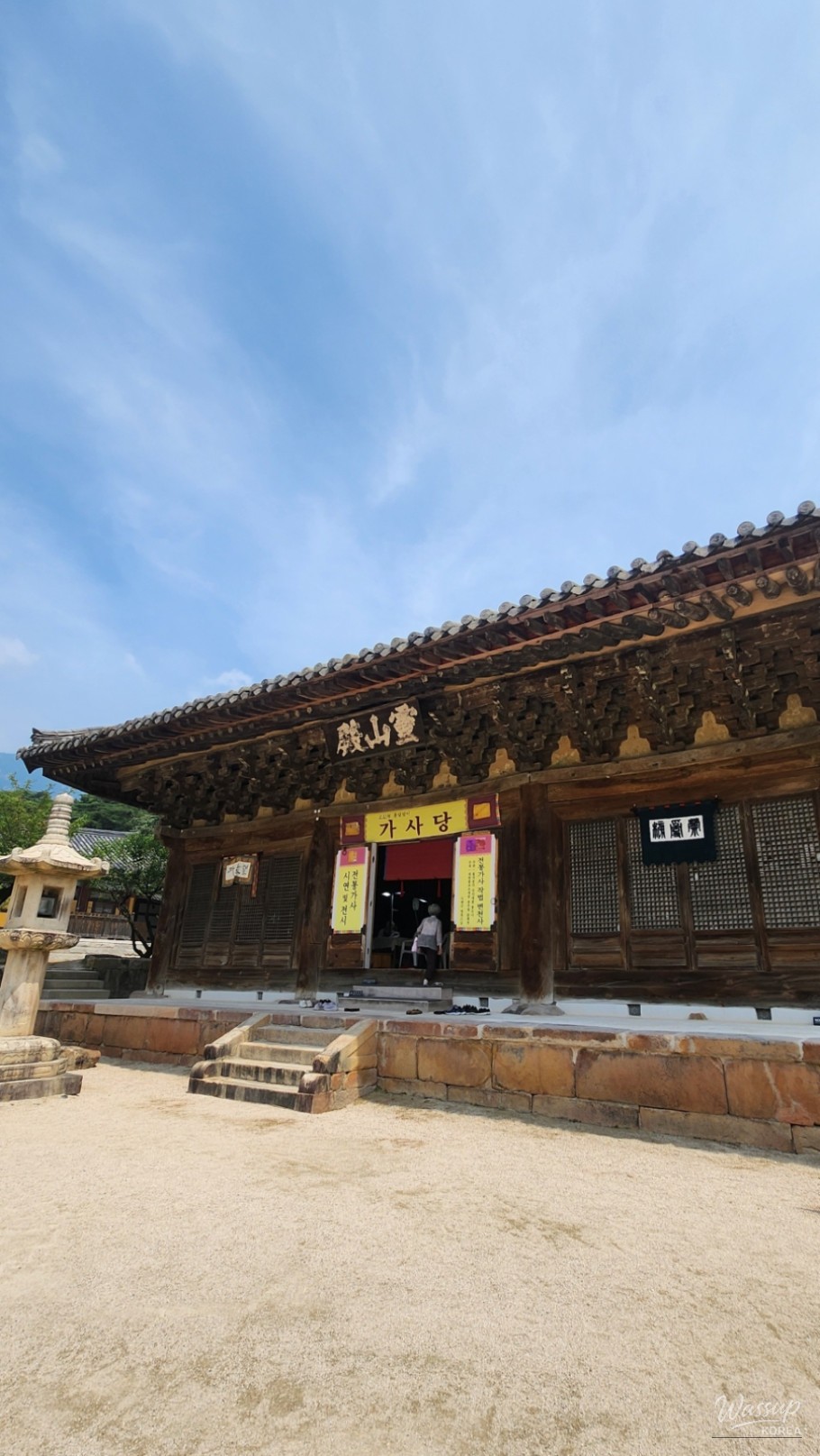
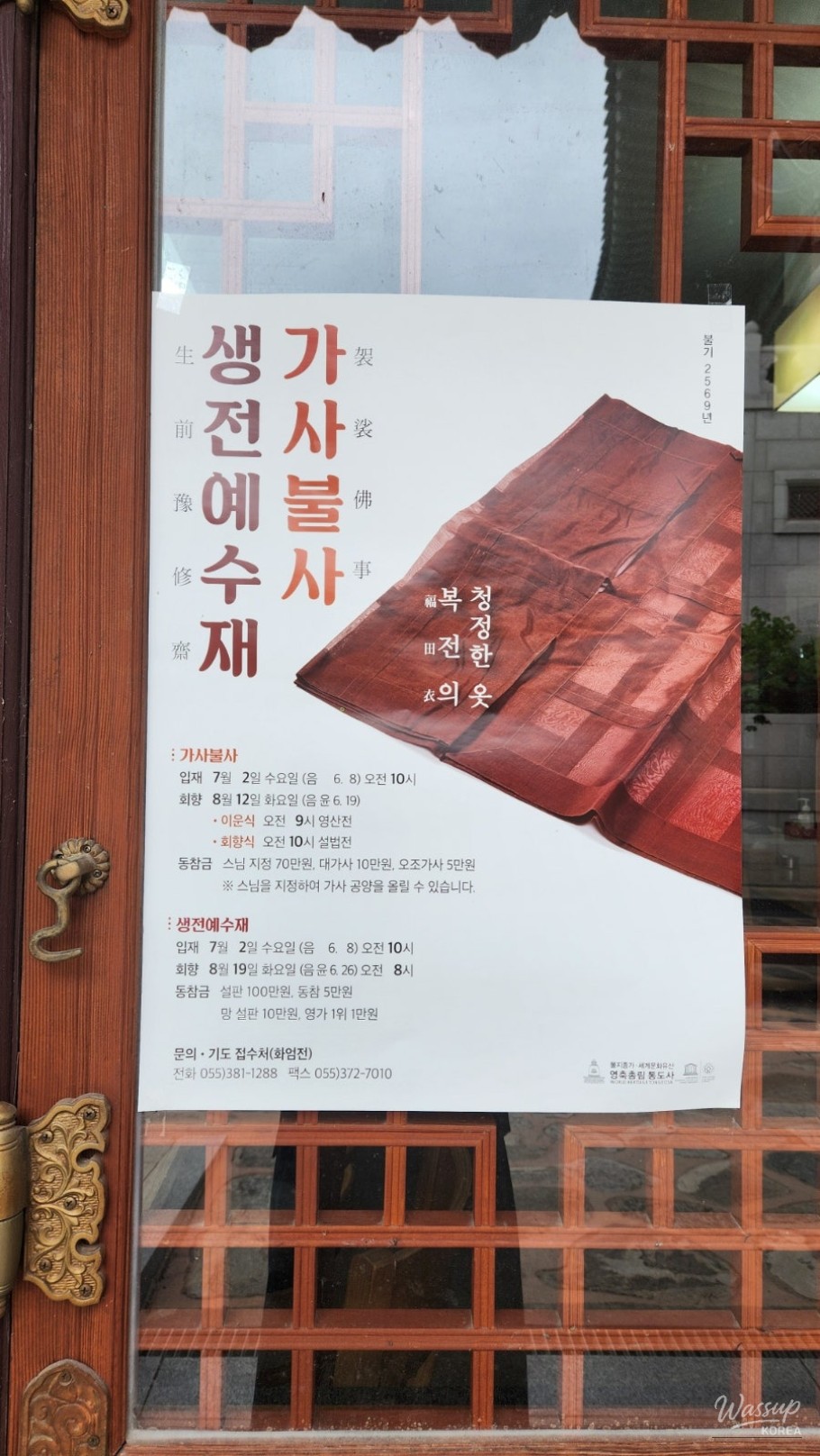
In the Buddhist Era 2569, Tongdosa (통도사) holds a deeply spiritual event, celebrating the Kasabulsa Robe Offering and the Pre-Mortem Merit Ceremony. These ancient traditions reflect the core values of Buddhist practice, offering a rare glimpse into the meticulous dedication of the monastic community.
The Kasa is more than just a robe; it is considered a field of blessings that connects practitioners to the Buddha's lineage. This post explores the significance of these rituals and the unique atmosphere within the temple during this sacred period of offering and prayer.
The Sacred Tradition of Kasabulsa Robe Offering
The Kasa has been passed down for thousands of years as the formal robe of practitioners. It represents a supreme offering to monks and a source of fulfillment for the wishes of the faithful. At Tongdosa, the ancestral home of the Vinaya school, this tradition holds special weight as it enshrines the very robe worn by Master Jajang.
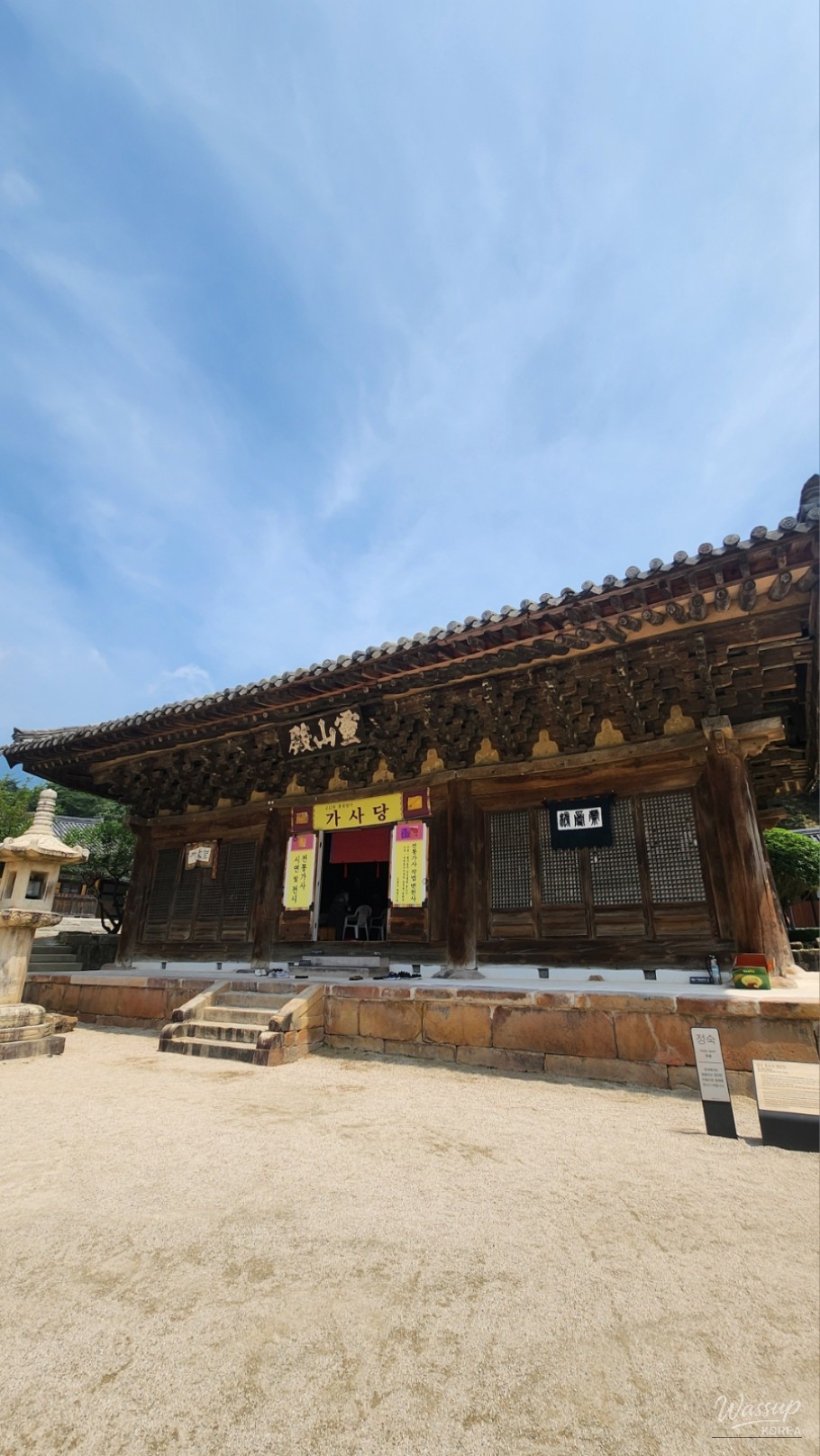
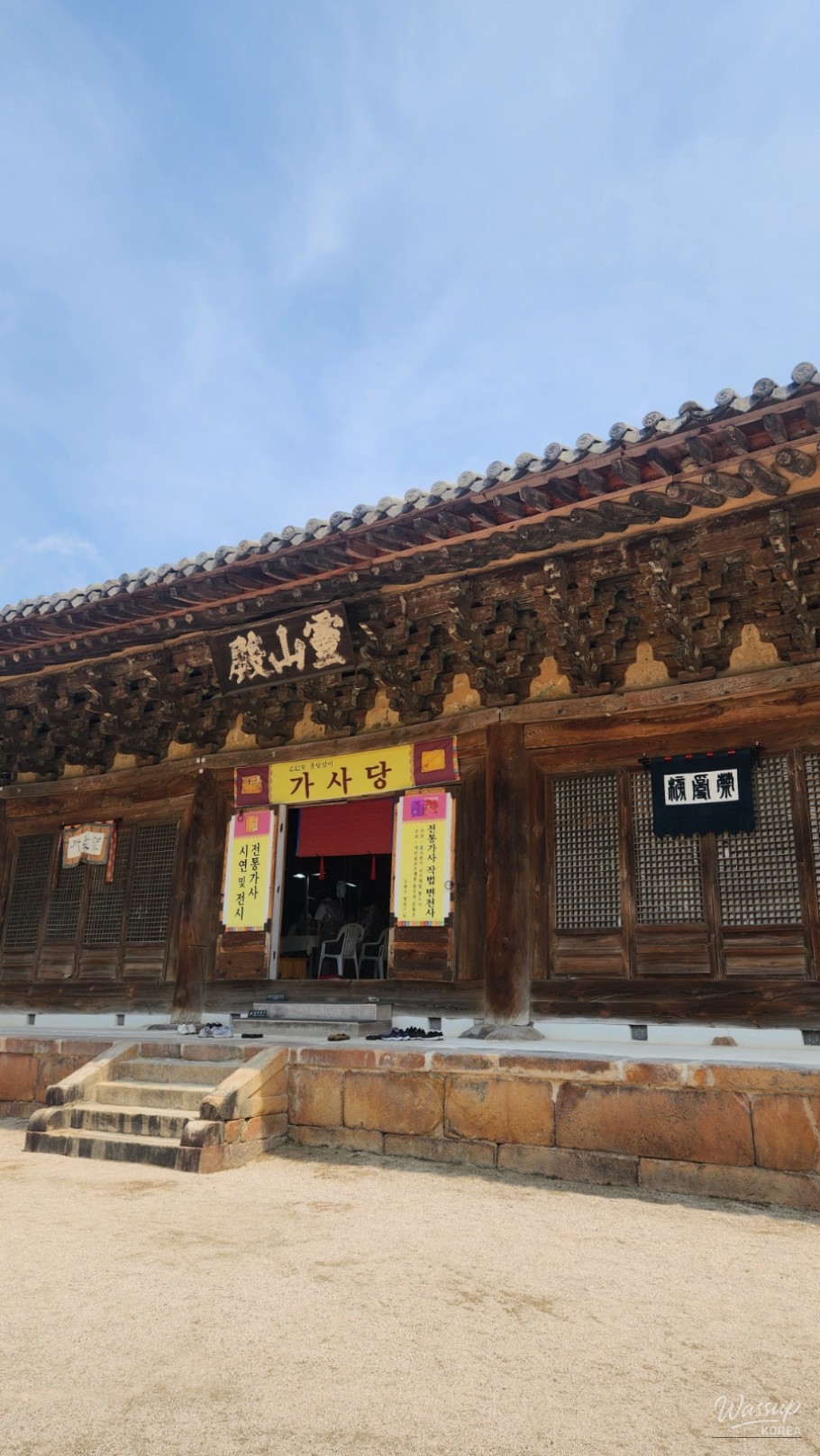
Inheriting the precepts and practice spirit of the temple, the Kasabulsa is a dedicated period of robe-making. During this time, Yeongsan Hall is transformed into a Kasadang, a specialized space where the robes are carefully crafted by hand with focused devotion.
Accumulating Virtue through the Pre-Mortem Merit Ceremony
Alongside the robe offering, the Pre-Mortem Merit Ceremony is a vital tradition held during leap months. Based on the Ksitigarbha Sutra, specifically the chapter on benefits for the living and the deceased, this ceremony allows Buddhists to accumulate merit in advance for their journey in the afterlife.
It is a profound prayer for one’s spiritual future, emphasizing the proactive nature of Buddhist faith. Participants engage in these rituals to cleanse their karma and ensure a path of wisdom and peace, reflecting a beautiful harmony between the present life and the spiritual world beyond.
The Peaceful Atmosphere of Yeongsan Hall
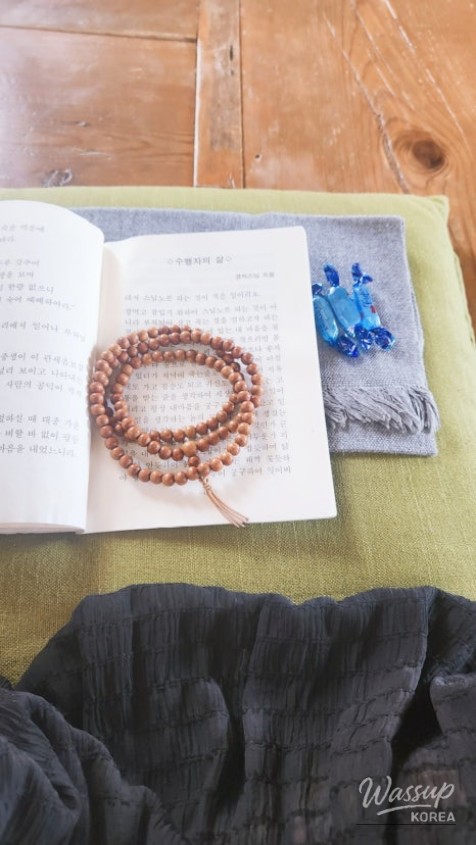
Walking through the temple grounds during this period, one can feel a heightened sense of serenity. The rhythmic sound of chanting and the focused energy of those sewing the Kasa robes create a meditative environment. It is a rare opportunity to witness a practice that has remained unchanged for centuries.
The dedication required to create a single Kasa robe is immense, with every stitch serving as a prayer. This process transforms a simple piece of cloth into a sacred vessel of dharma, symbolizing the monk's commitment to the precepts and the community's support for their spiritual path.
Have you ever experienced the profound stillness of a Buddhist ritual like the Kasabulsa, or are you interested in the unique concept of accumulating merit for the afterlife while still living? If you are visiting Yangsan, I also recommend exploring the nearby Naewonsa Temple for its beautiful valley scenery. What aspect of Korean Buddhist tradition fascinates you the most?


No comments yet.