A Visit to the National Museum of Korea: Remembering Sohn Kee-chung's Triumph and the Meaning of Liberation
137 Seobinggo-ro, Yongsan-gu, Seoul
국립중앙박물관



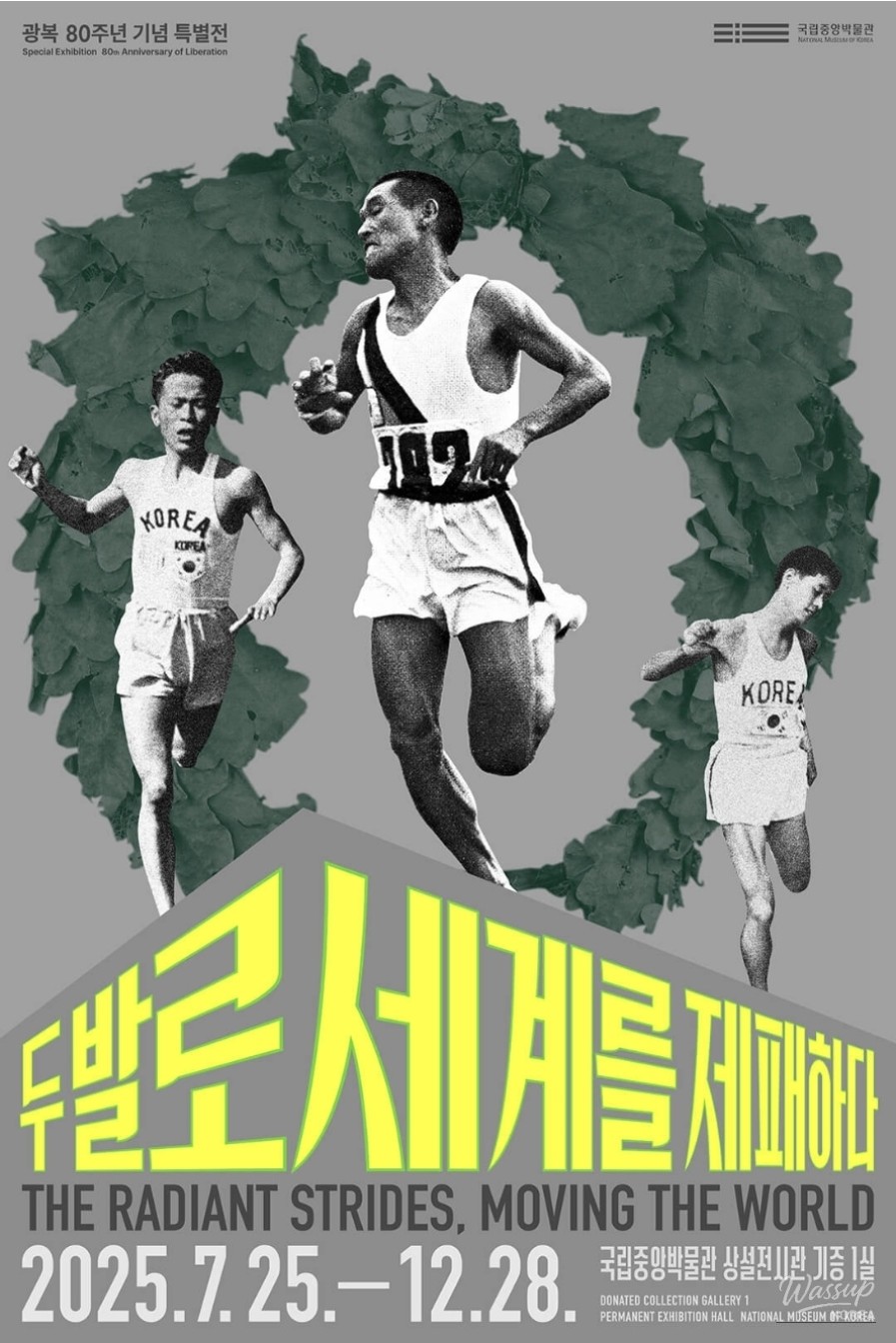
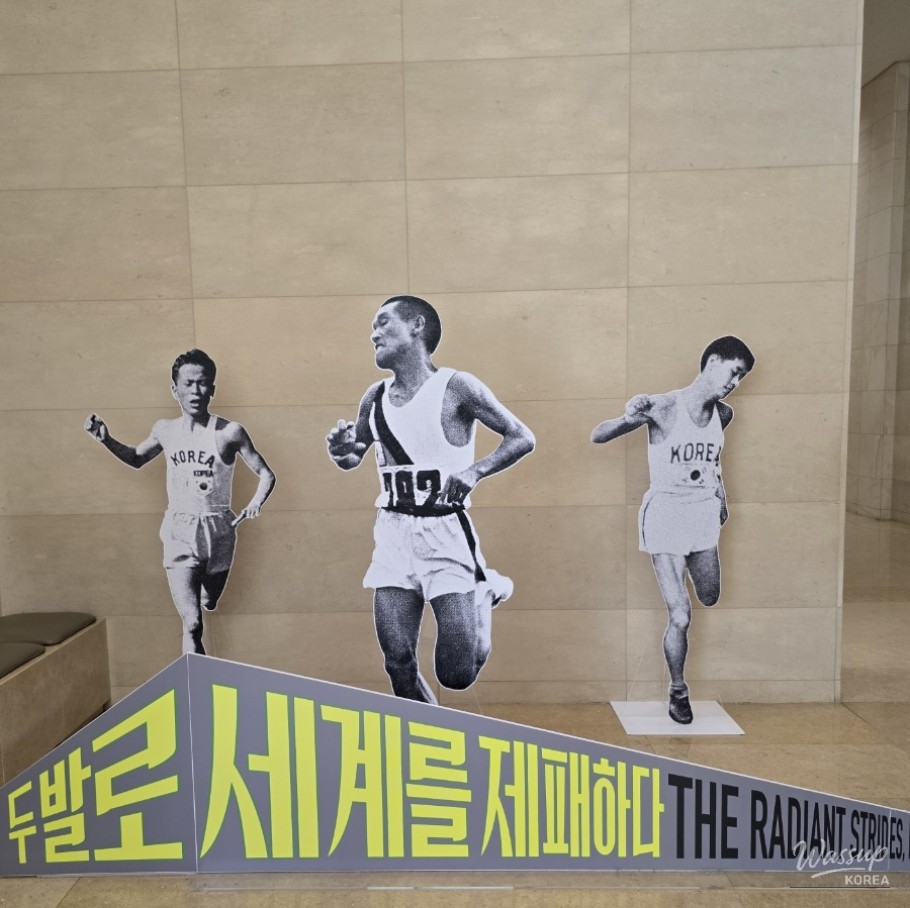
In commemoration of the 80th anniversary of Korea's liberation, the National Museum of Korea is hosting a deeply moving special exhibition titled ‘Conquering the World on Two Feet.’ This exhibition tells the poignant story of Sohn Kee-chung, the legendary marathoner who won gold at the 1936 Berlin Olympics. Because Korea was under Japanese colonial rule at the time, Sohn was forced to compete under a Japanese name and flag, a historical weight that is palpably felt through the artifacts and photographs on display.
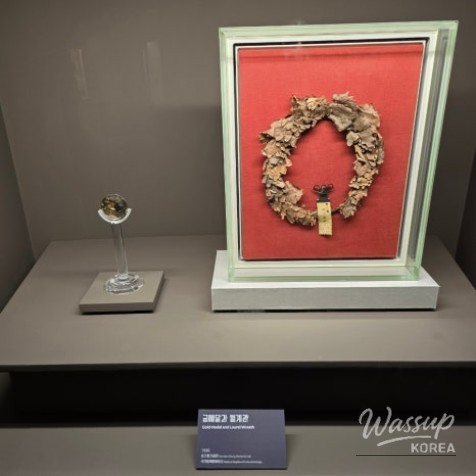
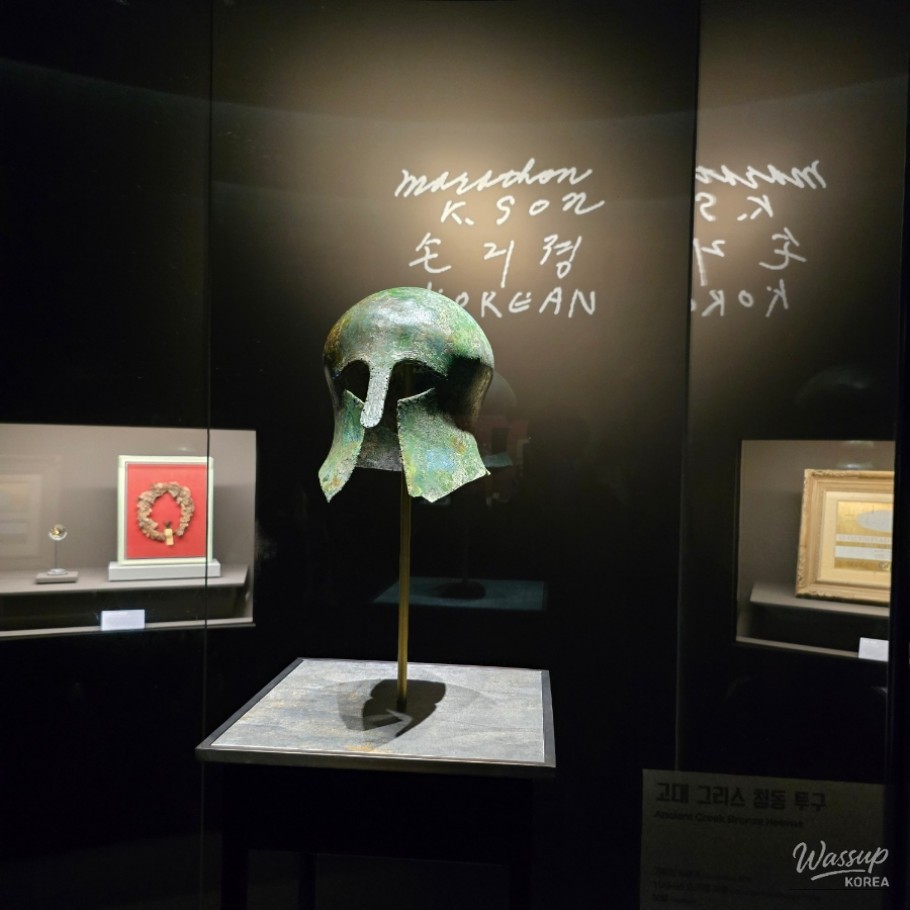
The exhibition traces the journey of Korean marathons from the sorrow of the colonial era to the triumphant joy of independence. Visitors can witness Sohn Kee-chung's original Olympic gold medal, his laurel wreath, and the famous ancient Greek bronze helmet designated as National Treasure No. 904. It also highlights the success of his protégé, Seo Yun-bok, who won the 1947 Boston Marathon wearing the Taegeukgi, symbolizing a new beginning for a liberated nation.
The 1936 Berlin Olympics: A Victory Cloaked in Sadness
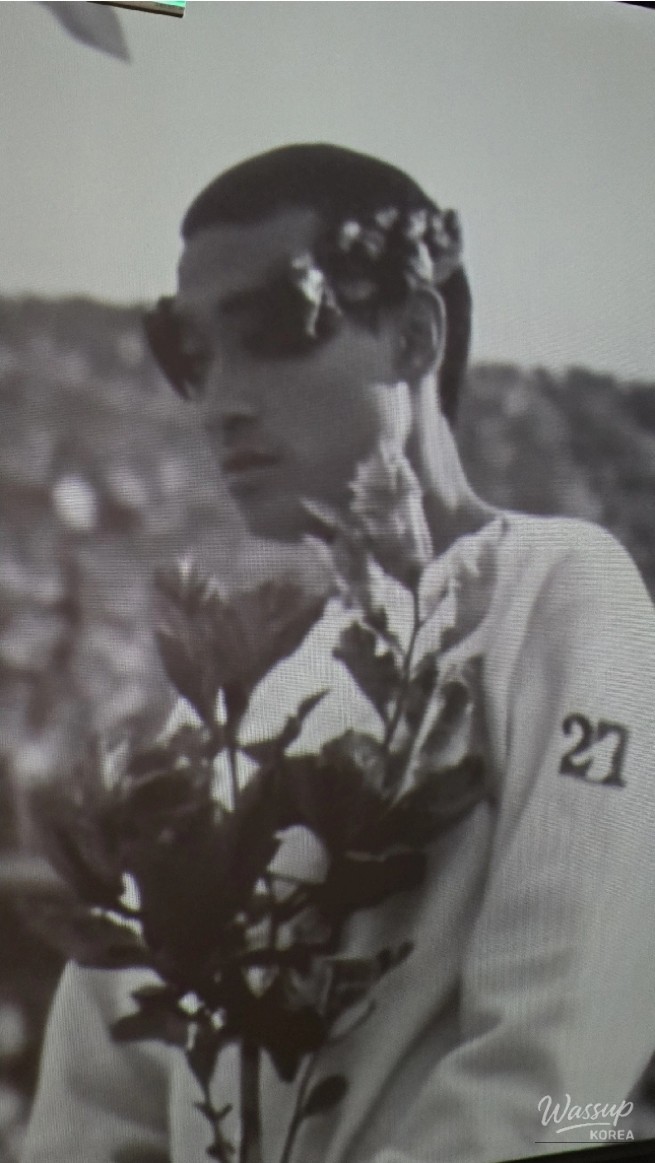
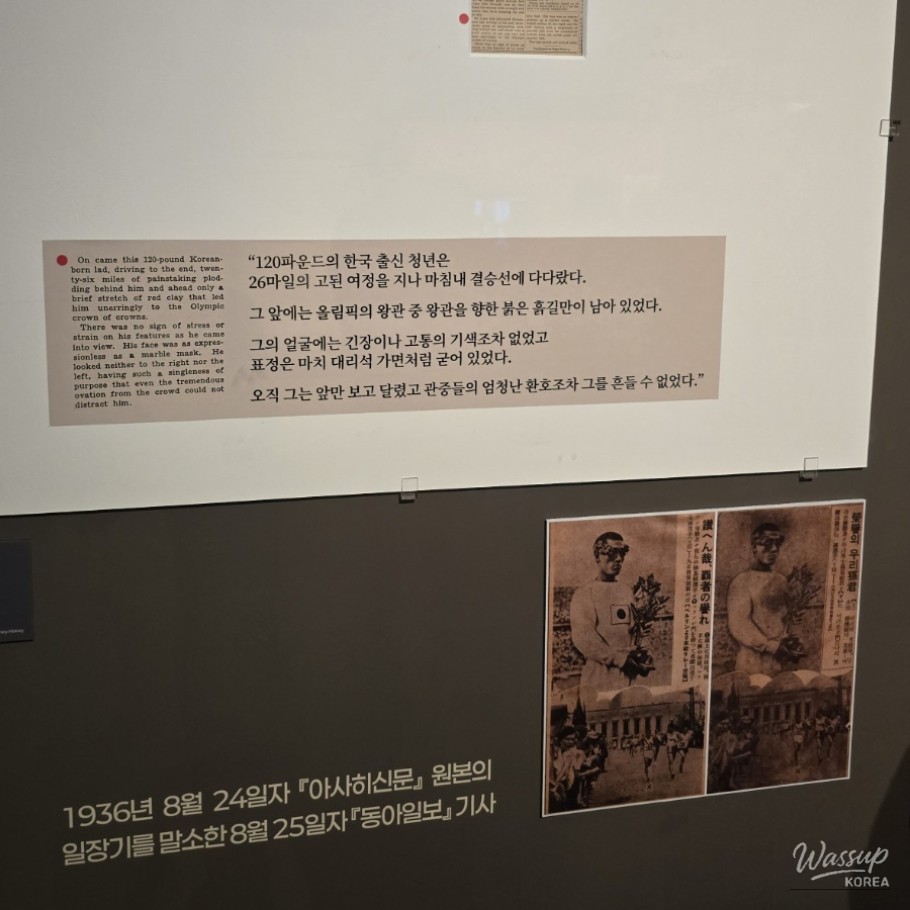
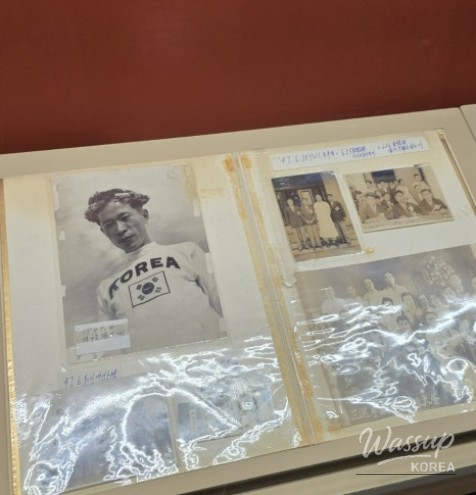
The centerpiece of the exhibition explores Sohn Kee-chung's experience in Berlin. Although he set an Olympic record and reached the pinnacle of athletic success, the photos from the time show a man looking downward in sorrow rather than celebration. Competing as "Son Kitei" under the Japanese flag was a source of great personal and national pain. A particularly powerful section compares the original Japanese newspaper photos with those from the Dong-A Ilbo, where the Japanese flag was famously airbrushed out in an act of journalistic resistance.
National Treasures and Olympic Artifacts
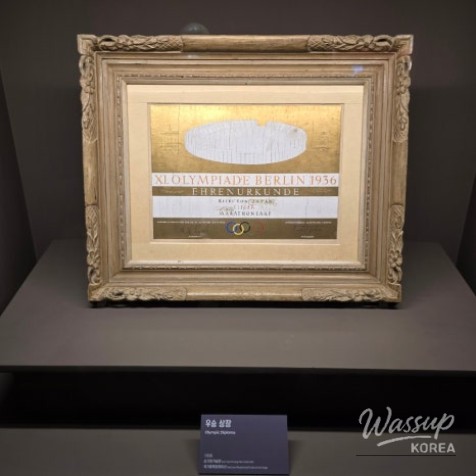
Thanks to generous donations, the museum displays the actual gold medal, laurel wreath, and certificate Sohn Kee-chung received in 1936. Also featured is the Ancient Greek Bronze Helmet, estimated to be from the 6th century BC. This helmet was intended for the marathon winner but was not given to Sohn until 1986, exactly 50 years after his victory. It now stands as National Treasure No. 904, representing both Olympic excellence and historical restitution.
From Athlete to Coach: Marathons in a Liberated Land
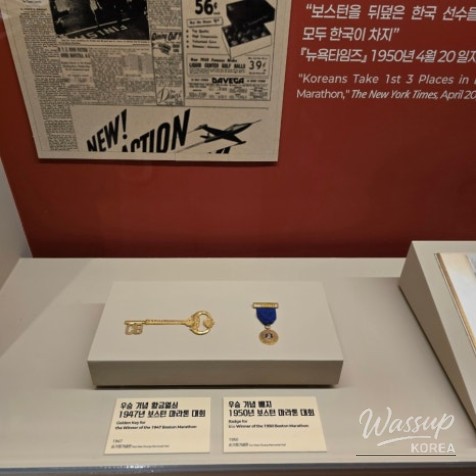
Following his Olympic victory, Sohn was closely monitored by the Governor-General of Korea and prevented from competing in further track events. He worked as a banker until liberation in 1945. The exhibition vividly portrays his transition to coaching, where he poured his spirit into the next generation. His most famous protégé, Seo Yun-bok, achieved a historic victory at the 1947 Boston Marathon, finally allowing Sohn to see the Korean flag—the Taegeukgi—on the chest of a champion.
1988 Seoul Olympics: The Full Circle
The narrative of the exhibition concludes with Sohn Kee-chung carrying the torch at the 1988 Seoul Olympics. In his own words, holding the torch in a free Seoul was a greater honor than winning in Berlin. It was a moment of complete emotional and national liberation, showing the world that Korea had truly conquered its hardships on its own two feet.
Exhibition Information and Visiting Tips
This special exhibition is located in Donation Room 1 on the 2nd Floor of the National Museum of Korea. It is a free exhibition and does not require a reservation, making it an easy addition to your museum visit. However, the museum can be very crowded, especially on weekends and holidays. Using public transportation (Ichon Station, Line 4 or Gyeongui-Jungang Line) is highly recommended over driving.
| Feature | Details |
|---|---|
| Period | July 25, 2025 – December 28, 2025 |
| Admission | Free |
| Late Opening | Wednesdays & Saturdays (Until 21:00) |
Photogallery: Traces of a Legend
Have you ever felt a sense of pride and sadness overlap when looking at our history? Sohn Kee-chung's story is a powerful reminder of how much has been overcome to see the Taegeukgi fly high today. If you're visiting Seoul before December, do you plan to stop by this exhibition to pay tribute to our "flying" legend? Or perhaps you're curious about other National Treasures housed within the National Museum of Korea?
No comments yet.