A Visit to Jeondeungsa Temple in Ganghwa Island: History, Beauty, and a Little Parking Advice
34 Jeondeungsa-ro, Gilsang-myeon, Ganghwa-gun, Incheon
전등사



Located on the historic Ganghwa Island, Jeondeungsa Temple (전등사) holds the prestigious title of the oldest existing temple in Korea, with roots tracing back to the Goguryeo Dynasty. What makes this destination truly unique is its location inside Samnangseong Fortress (Jeongjoksanseong), a mountain fortress that served as a defensive stronghold throughout Korean history. It is a place where ancient spiritual tradition meets the heroic stories of national defense.
From the intricately assembled wooden beams of the Daeungbojeon Hall to the modern art gallery tucked away in its grounds, Jeondeungsa is a temple that bridges the past and the present. Whether you are enjoying a quiet cup of tea at the Jukrimdawon cafe or exploring the many "Little Prince" sculptures scattered around the complex, Jeondeungsa offers a sophisticated yet peaceful retreat for travelers of all ages.
Planning Your Arrival: East Gate vs. South Gate
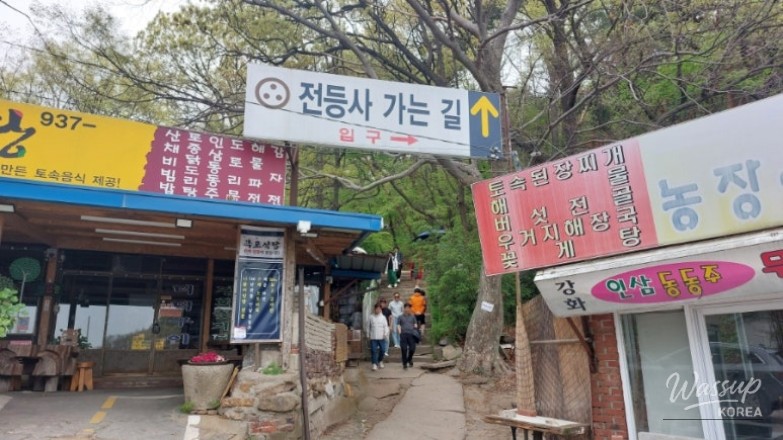
Jeondeungsa has two main entrances: the East Gate and the South Gate. Both have parking lots, but many visitors choose the East Gate for its proximity to popular local restaurants like "Sigol Bapsang." If you want to minimize walking, try to park in the upper lot near the East Gate entrance (Point D on most maps). Parking fees are generally 3,000 won for small cars and 8,000 won for larger vehicles.
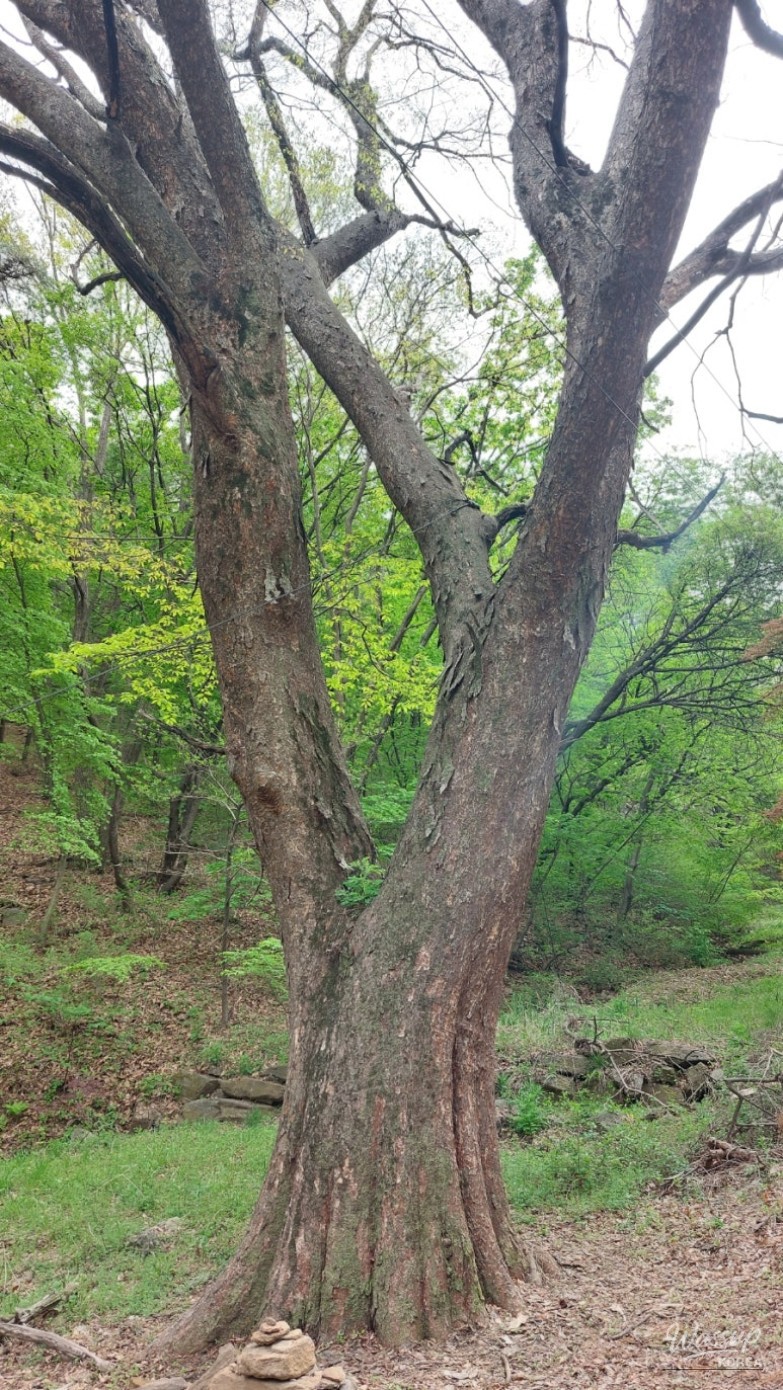
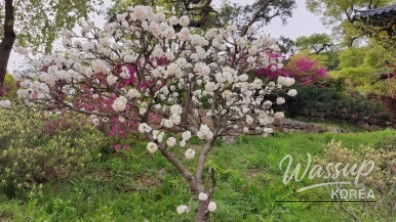
The walk up from the lower lot is a paved cement road. While it can be a bit of a climb, you'll be treated to views of unique trees with bumpy trunks and lush greenery. Once you pass through the fortress gate, the scenery transforms into a serene forest path leading directly to the temple heart.
Historical Significance: Samnangseong Fortress
Jeondeungsa is uniquely situated inside Samnangseong Fortress, also known as Jeongjoksanseong. Legend says it was built by the three sons of Dangun, the mythical founder of Korea. In 1866, this very gate was the site of a fierce battle where General Yang Heon-su’s troops defeated French soldiers during the Byeonginyangyo invasion. The view of the fortress gate blending with ancient trees is a perfect photo spot that captures this mixture of spiritual peace and military history.
Treasures of Jeondeungsa: From Ancient Iron Bells to Little Princes
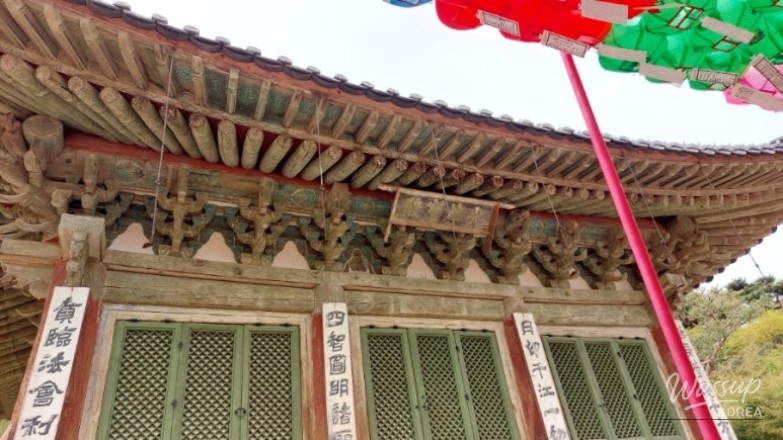
The main hall, Daeungbojeon, is a masterpiece of Joseon Dynasty architecture. Its intricately carved ceiling patterns and wooden bracket sets are a testament to the skilled craftsmanship of the past. Nearby, you'll find the Myeongbujeon Hall, home to the Ksitigarbha Bodhisattva Triad and the Ten Kings who judge the souls in the underworld.
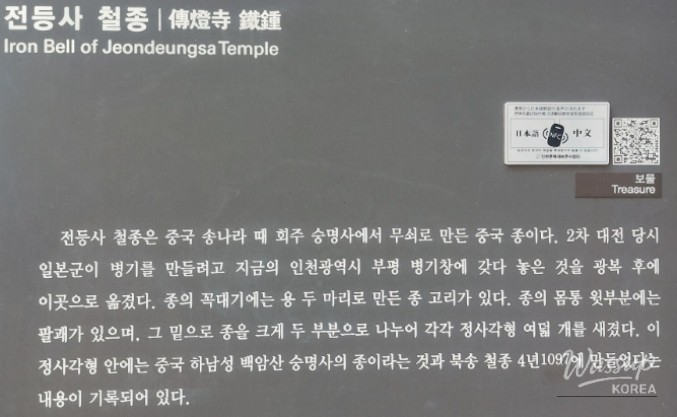
One of the most moving artifacts is the Jeondeungsa Iron Bell. This Song Dynasty bell from China was nearly melted down by the Japanese army for weapons during WWII but was fortunately saved and returned here after liberation. In a surprising twist, the temple grounds also feature several "Little Prince" sculptures by a modern artist, adding a whimsical, contemporary feel to the ancient site.
Art and Tea: Seoun Gallery & Jukrimdawon
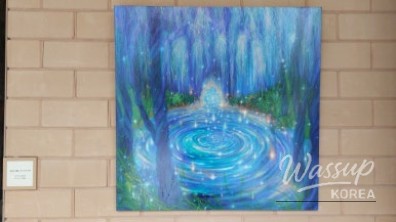
Unexpectedly, Jeondeungsa houses the Seoun Gallery, where traditional temple life meets modern fine art. Visitors can explore various exhibitions, such as Lee Yu-ji’s thread-based works, within the serene temple halls. After your tour, head down to Jukrimdawon, a sophisticated tea house. It’s a popular spot for both young locals and foreigners to relax with a traditional Korean tea while taking in the temple atmosphere.
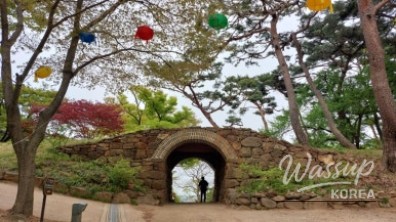
Photo Gallery: The Oldest Spirit in Korea
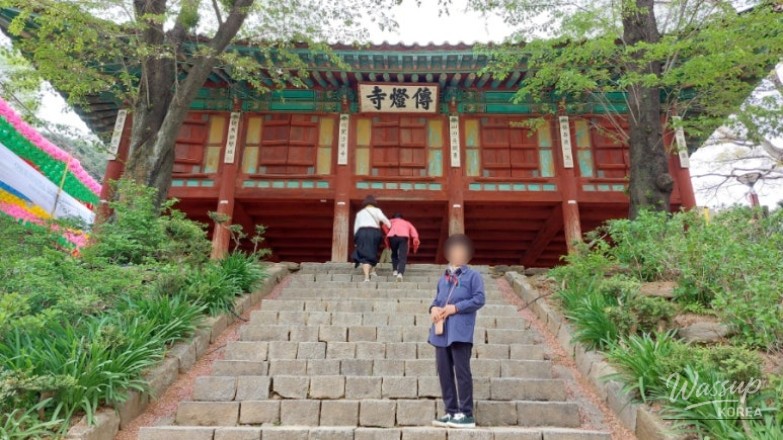
Jeondeungsa Temple manages to be both ancient and incredibly current. Have you ever visited a place where you could feel the weight of 1,600 years of history while looking at modern art? If you're planning a trip to Ganghwa Island and want to know more about the temple stay programs or the best time to see the lotus lanterns, feel free to ask!
No comments yet.