A Visit to Golgulsa Temple: History, Nature, and a Glimpse of Vanishing Wildlife
101-5 Golgul-gil, Munmudaewang-myeon, Gyeongju-si, Gyeongsangbuk-do
골굴사



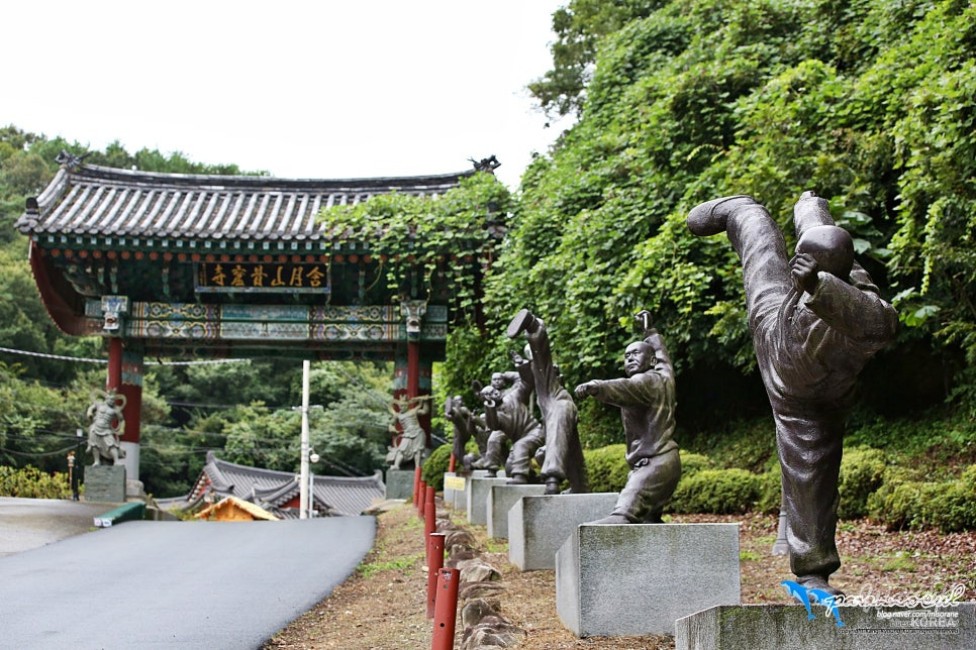
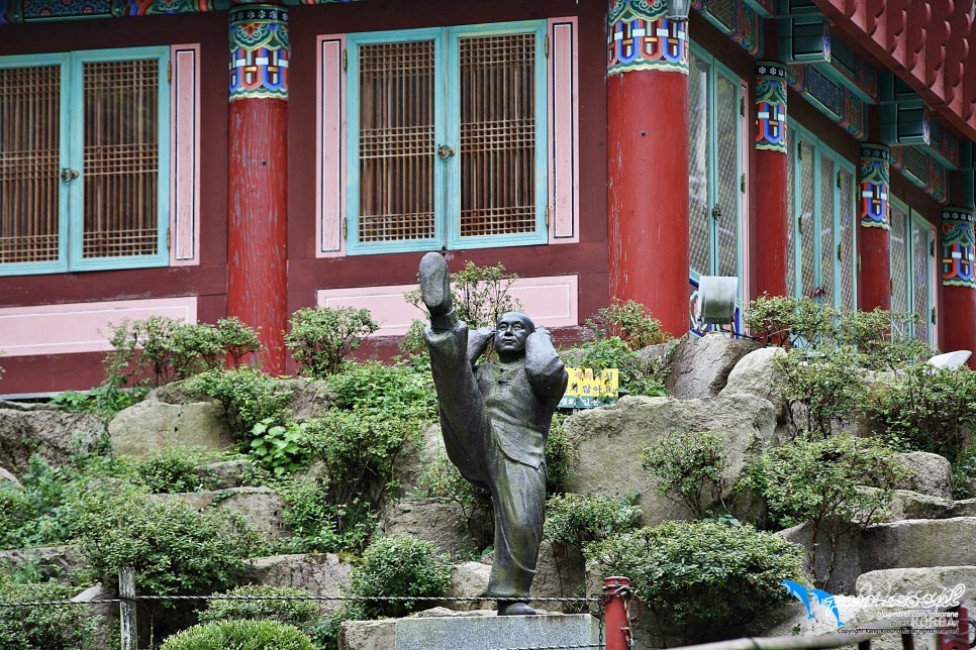
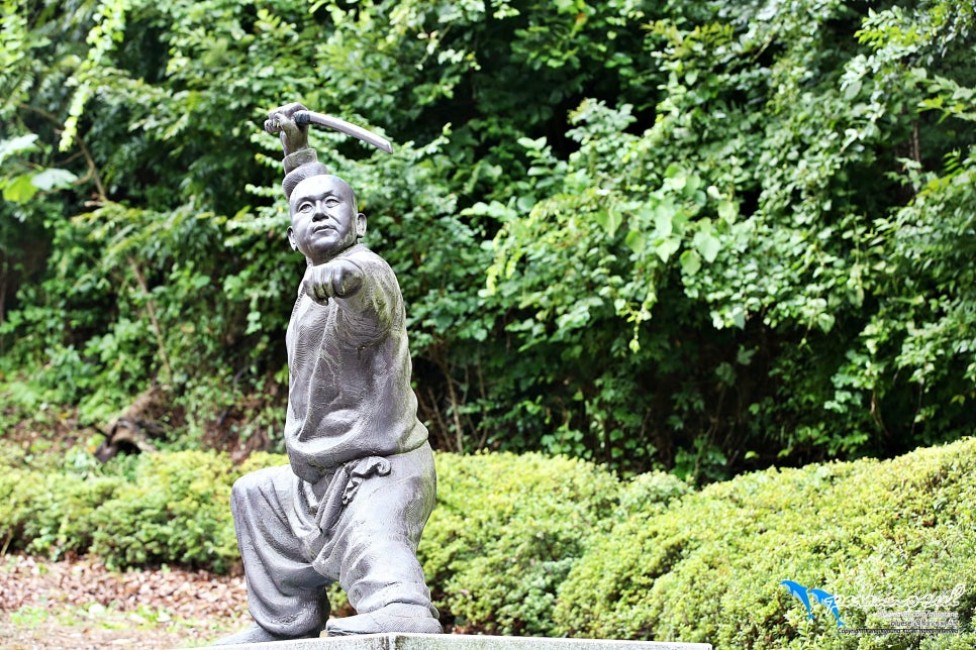
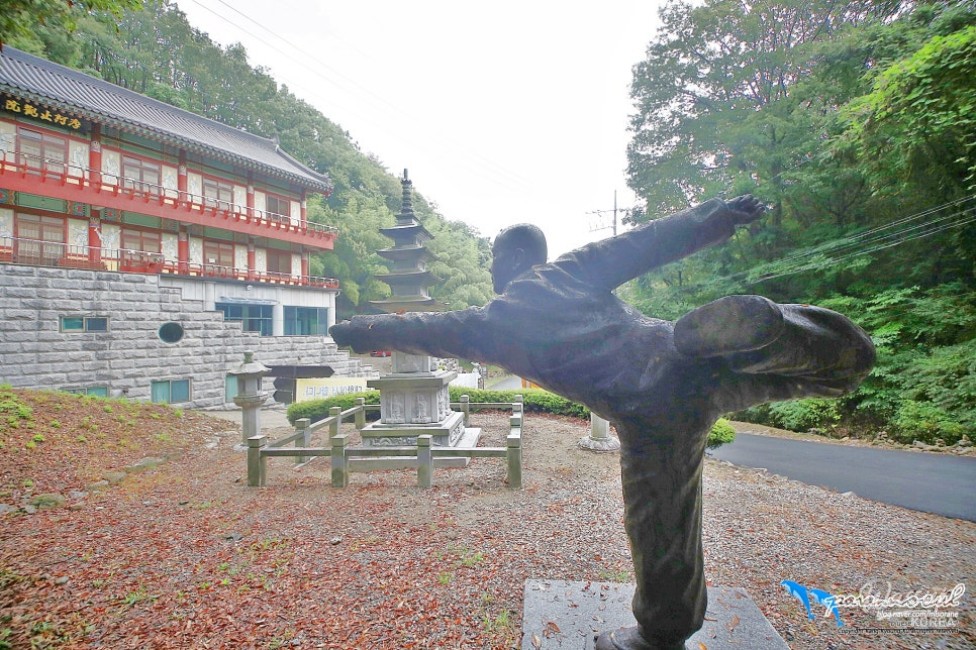
Nestled on the outskirts of Gyeongju near the historic Munmudaewang-myeon, Golgulsa Temple (골굴사) stands as a unique spiritual and geological marvel. Known as the "Shaolin of Korea," it is the world headquarters for Sunmudo, a traditional Buddhist martial art. The temple is famous for its twelve grottoes carved into a sheer limestone cliff, topped by a magnificent Maya Tathagata Buddha relief that has watched over the valley for over a thousand years.
As part of the Gyeongju National Park and the UNESCO Global Geopark, Golgulsa offers more than just religious significance; it is a fascinating site of geological weathering and ancient Shamanistic roots. Visitors can explore the cliffside hermitages, witness the rhythmic power of Sunmudo training, and discover rare local flora like the Orostachys japonica succulents. Whether you are arriving for a healing Templestay or a day of hiking along the Haeparang Trail, Golgulsa provides a dreamlike encounter with Silla-era artistry and natural mystery.
The Maya Tathagata Buddha: A Masterpiece on Tuff
The centerpiece of Golgulsa is the Seated Rock-cut Buddha (Treasure No. 581). Carved into the highest point of the tuff cliff, this 4-meter-high image features an impressive flame-patterned aureola that radiates artistic energy. Despite centuries of weathering, the Buddha's serene expression remains a testament to the skill of the Silla craftsmen, whether they were monks, government workers, or laborers of the time.
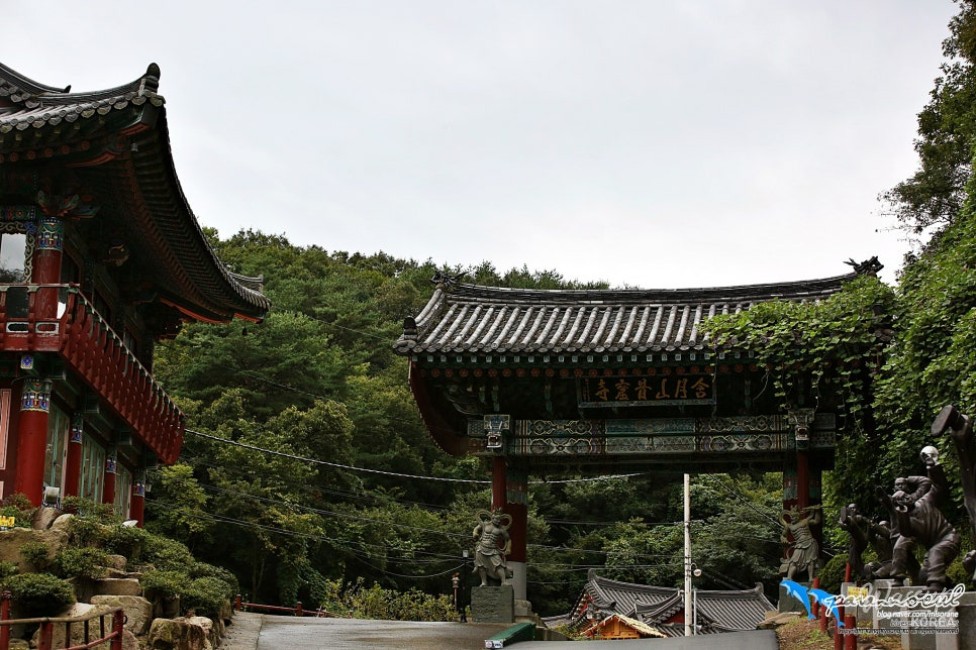
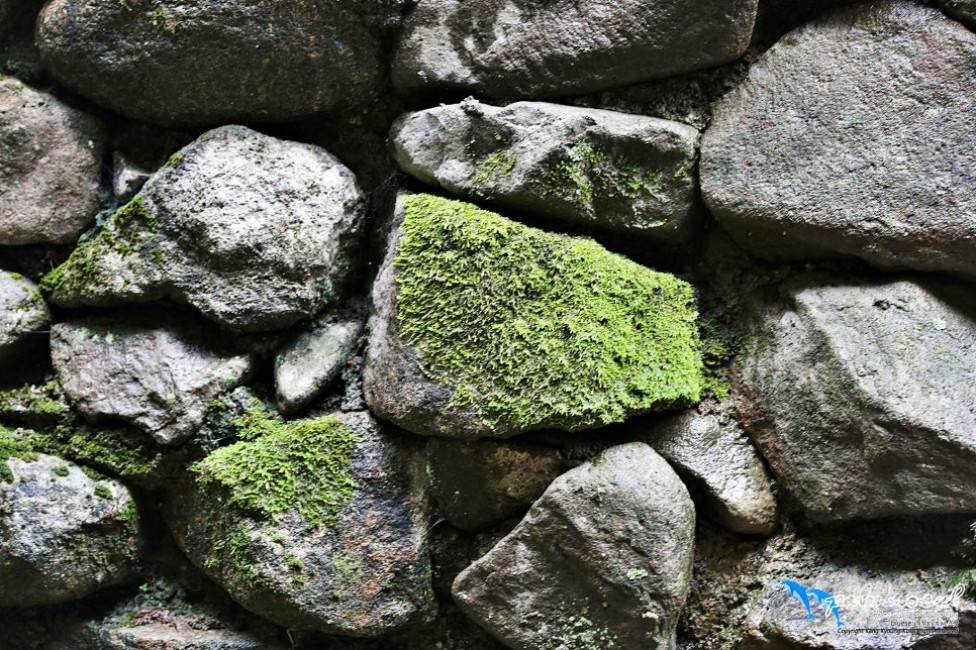
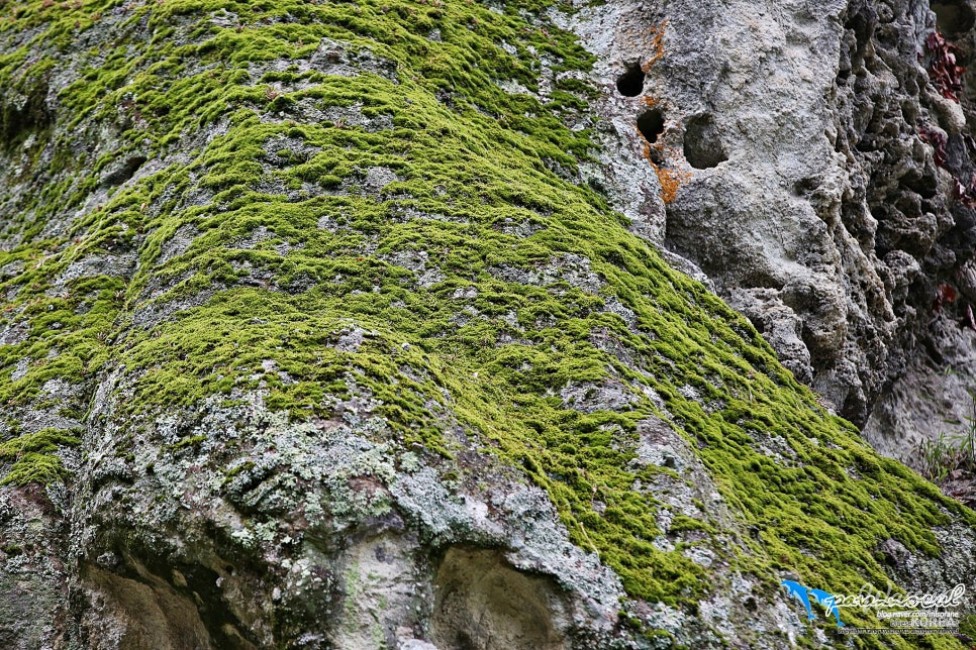
The surrounding rock faces are pockmarked with tafoni (small cave-like features), which were expanded by ancient practitioners to create grotto temples. This architectural style, rare in Korea, mirrors the grotto traditions of India and China. Climbing the steep steps to reach these hermitages allows visitors to look inward while overlooking the vast Gyeongju mountain range.
A Convergence of Buddhism and Shamanism
Golgulsa is also home to fascinating sites that predate the temple's Buddhist history. The Yeogung (Female Palace) rock formation and the Lingam Stone (Male Organ) represent ancient fertility beliefs. These shamanistic traces, possibly connected to legends of conceiving historical figures like Seol Chong, have been harmoniously integrated into the temple grounds, showing how Buddhism adapted to local folk traditions over the centuries.
Nature and Wildlife: A Living Geopark
Designated as a UNESCO Global Geopark, the area around Golgulsa is a sanctuary for unique wildlife and plants. On a quiet walk down from the cliffs, lucky visitors might spot a rare chipmunk—a species increasingly threatened by habitat loss and predators. The rock faces themselves are covered in Orostachys japonica (Wa Song), a medicinal succulent that thrives in the cracks of the tuff rock.
Sunmudo Performances and Training
Sunmudo is the core of the Golgulsa experience. This "Zen Martial Art" combines breathwork and movement as a form of active meditation. Daily performances are held at 3 PM (except Mondays), where practitioners demonstrate incredible balance and discipline. For those seeking deeper immersion, the temple stay programs offer a chance to train in Sunmudo alongside international practitioners.
Visitor Information: Accessibility and Logistics
Golgulsa is located about 20km east of Gyeongju's city center. While it is accessible by bus (No. 100 or 150), service is infrequent, so checking the schedule at Gyeongju Station or the bus terminal is vital. The temple provides accessible facilities for the disabled, and the 2km walk from the bus stop to the entrance is a pleasant preamble through a valley filled with morning glories and Pinellia ternata.
| Performance Time | Sunmudo (Mon-Sat) | Sunmudo (Sunday) |
|---|---|---|
| Afternoon Session | 3:00 PM | 3:30 PM |
Photo Gallery: The Cliffside Sanctuary
Golgulsa Temple is a place where every rock tells a story of both geological time and human faith. Are you more interested in the physical challenge of Sunmudo training or the artistic beauty of the cliffside carvings? If you're planning a journey along the Haeparang Trail or want to know the best time to see the morning glories in bloom, let me know and I'll help you plan your healing adventure!
No comments yet.