A Trip to Naksansa Temple in Yangyang
100 Naksansa-ro, Ganghyeon-myeon, Yangyang-gun, Gangwon-do
낙산사



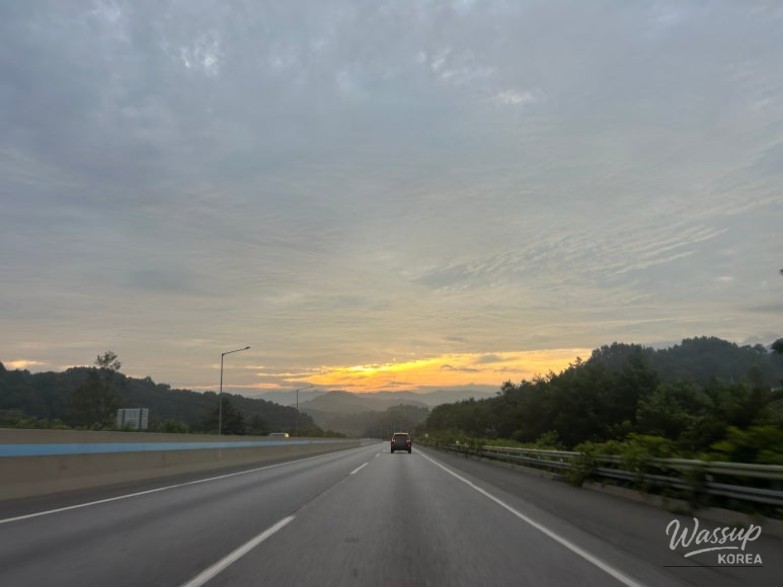
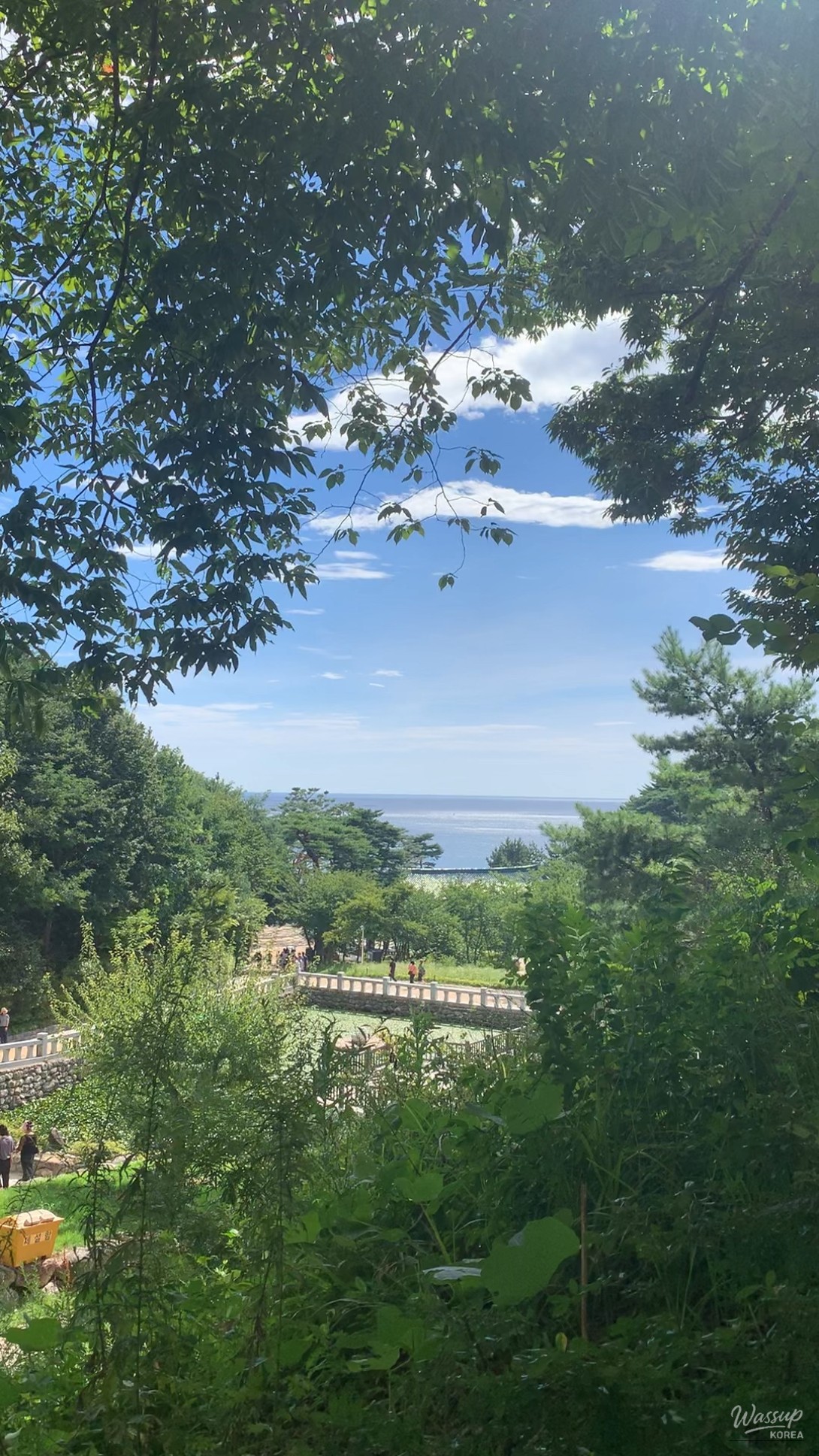
Starting a journey at 4:50 AM has its own special reward: witnessing the sun climb over the East Sea horizon. My recent trip to Naksansa Temple (낙산사) in Yangyang began with this magnificent sunrise, setting a serene tone for a day of cultural exploration. As one of the few temples in Korea overlooking the ocean, Naksansa offers a unique blend of coastal beauty and profound Buddhist heritage that is best experienced in the quiet, early hours of the morning.
From the iconic rainbow-shaped Hongyemun Gate to the resilient Seven-Story Stone Pagoda, the temple grounds are filled with treasures that have survived through centuries and even modern fires. Whether you are enjoying a free cup of chilled Solomon's seal tea at Botarak while gazing at the sea or walking along the refreshing Namdaecheon Stream nearby, Naksansa provides a peaceful sanctuary for the soul. It is a place where history, nature, and sunlight harmonize to create a truly valuable travel experience.
Morning at the Rear Entrance and Uisangdae
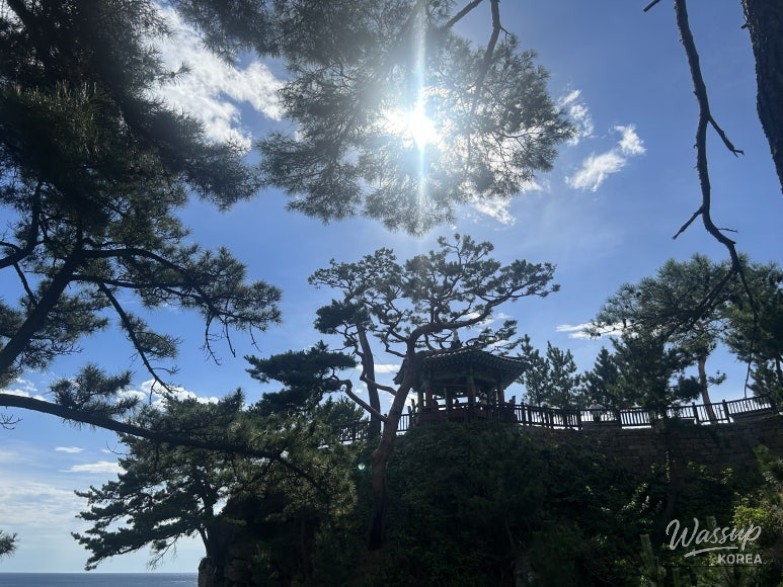
Arriving early allows you to beat the crowds, though it is important to note that entry to the main grounds typically opens at 9 AM. Near the rear entrance, you can find a charming teahouse to rest in while waiting. One of the most picturesque sights is Uisangdae Pavilion, perfectly framed by twisted pine trees and the shimmering morning light. It is a quintessential Yangyang view that captures the essence of the East Sea coastline.
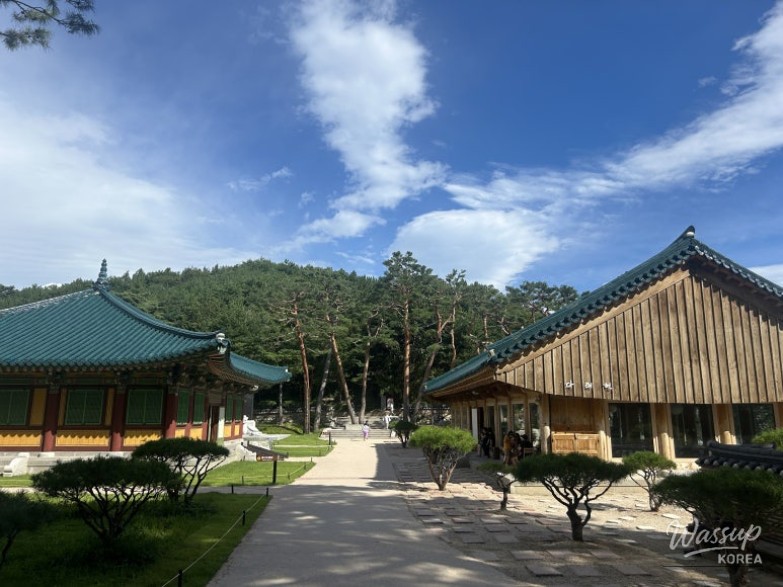
Hongyemun: The Rainbow Gate to the Sacred
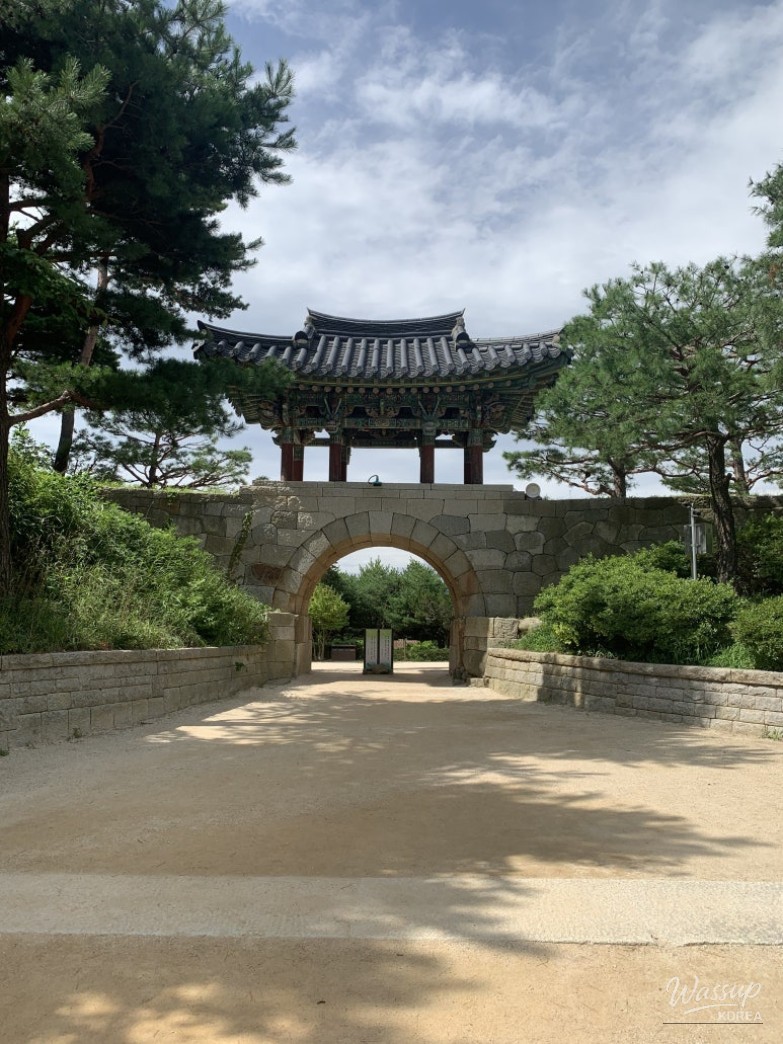
Entering the main temple area, you encounter the Hongyemun Gate. Designated as Tangible Cultural Property No. 33, its name literally translates to "Rainbow Gate" due to its beautiful semi-circular upper structure. Walking through this archway feels like passing into a different world, transitioning from the natural coastal scenery into the spiritual heart of the temple complex.
Resilience in Stone: The Seven-Story Pagoda
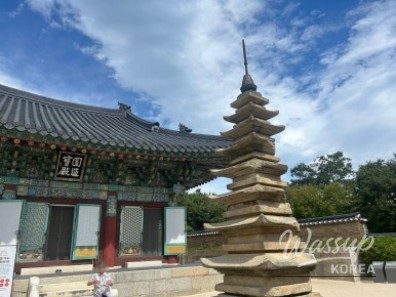
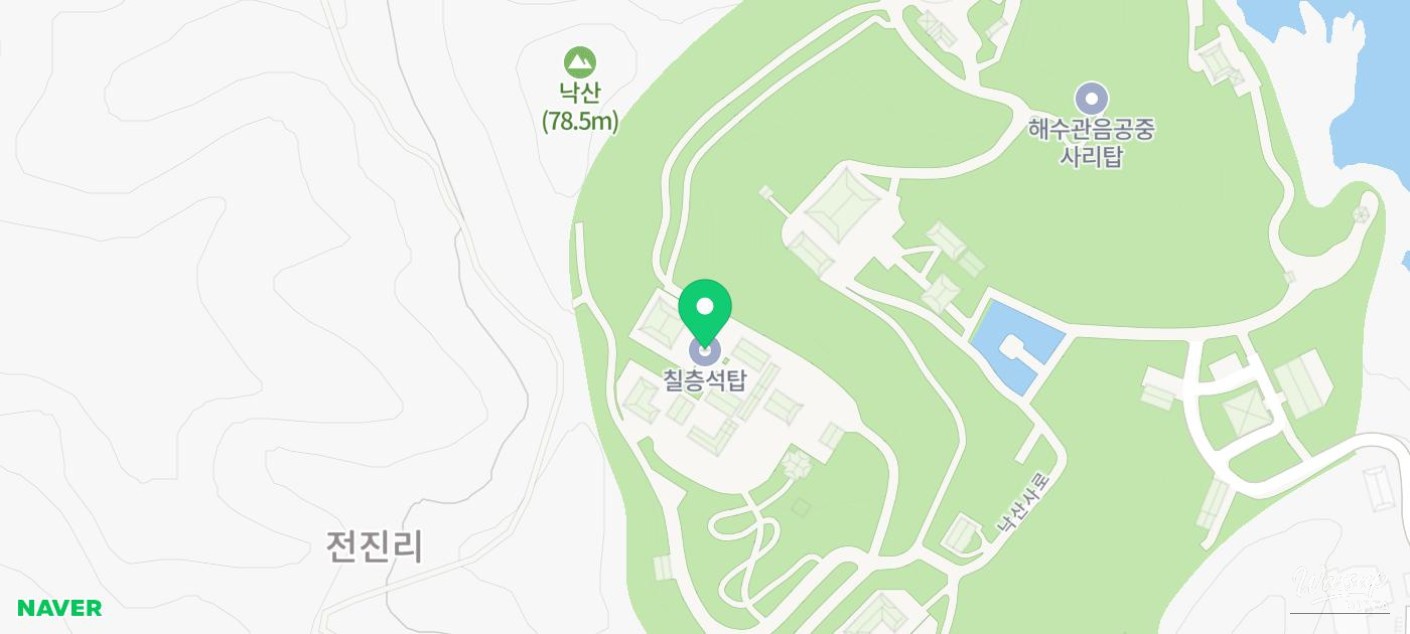
Near the Heavenly Kings Gate (Sachunwangmun) stands the Seven-Story Stone Pagoda (National Treasure No. 499). This pagoda is a symbol of resilience, having miraculously survived the devastating forest fire of 2005. Although some parts show the wear of time and history, its weathered beauty remains intact, standing as a silent witness to the temple's long and storied past.
Botarak: Chilled Tea and Ocean Views
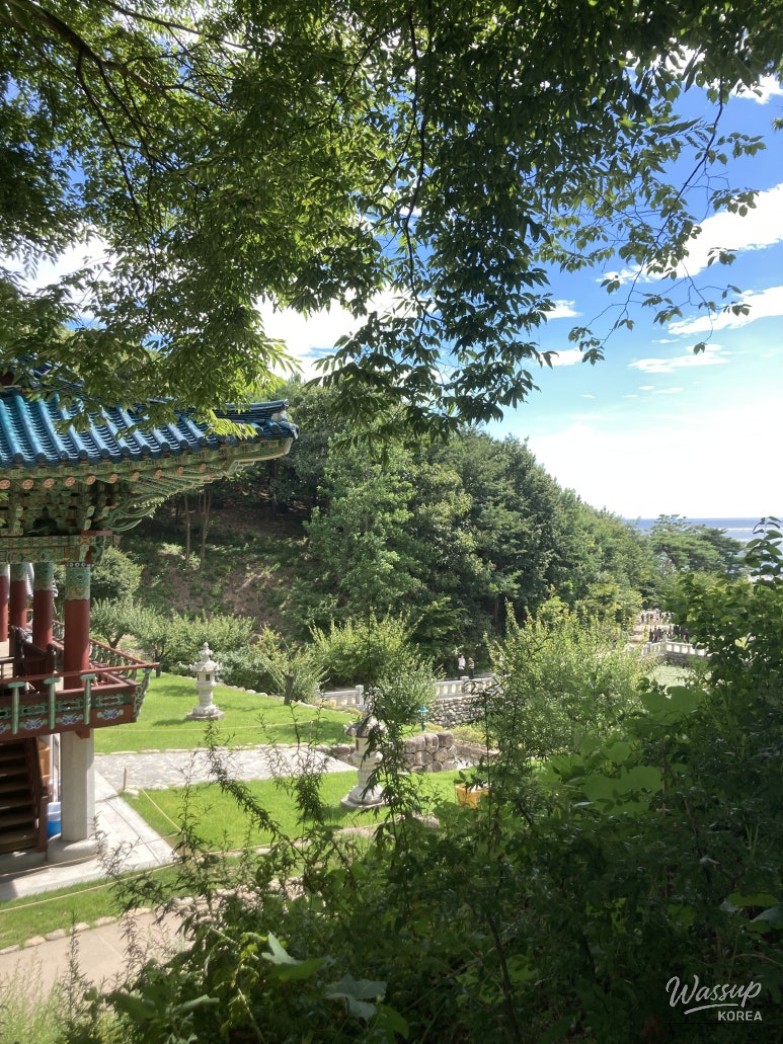
A unique experience at Naksansa is visiting Botarak. After climbing the stairs, visitors are often treated to a free cup of chilled Solomon's seal tea or coffee. Sipping a cold drink while looking out over the temple rooftops and the vast blue ocean is a moment of pure "healing" that makes the early wake-up call completely worthwhile.
Refreshing Namdaecheon Stream
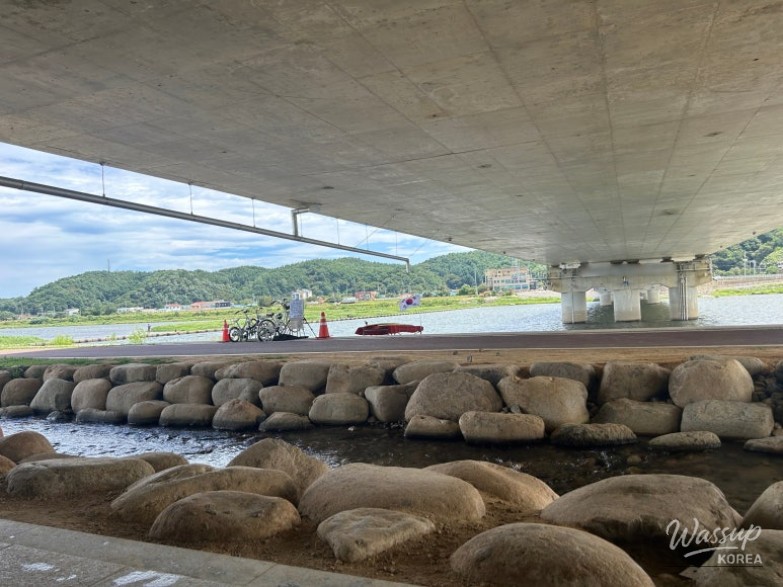
After descending from the temple, a stop at the nearby Namdaecheon Stream is the perfect way to conclude the trip. The flowing water and open air provide a different kind of refreshment, completing a journey that began with fire (the sunrise) and ends with water. It is a wonderful spot for a quiet walk to reflect on the historical treasures seen earlier in the day.
Photogallery: Traces of the East Sea Sunrise
Witnessing the sunrise at Naksansa is an experience that stays with you long after the trip ends. Have you ever visited a temple where the ocean was your constant companion? Which part of Naksansa—the rainbow gate or the resilient stone pagoda—are you most excited to see? If you are planning your visit, would you like me to find the best local seafood spots in Yangyang or check the current sunset times for your trip?
No comments yet.