A Special History Trip to Haeinsa Temple in Hapcheon with My 12-Year-Old Daughter
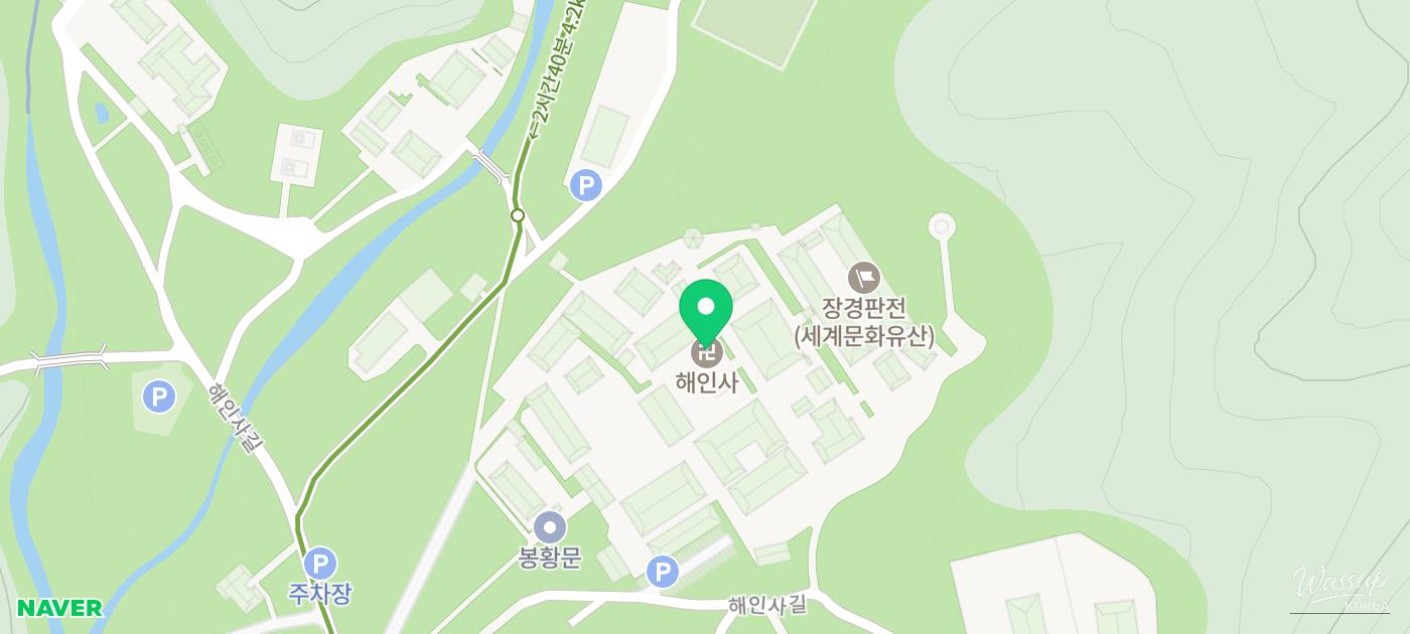
122 Haeinsa-gil, Gaya-myeon, Hapcheon-gun, Gyeongsangnam-do
합천 해인사



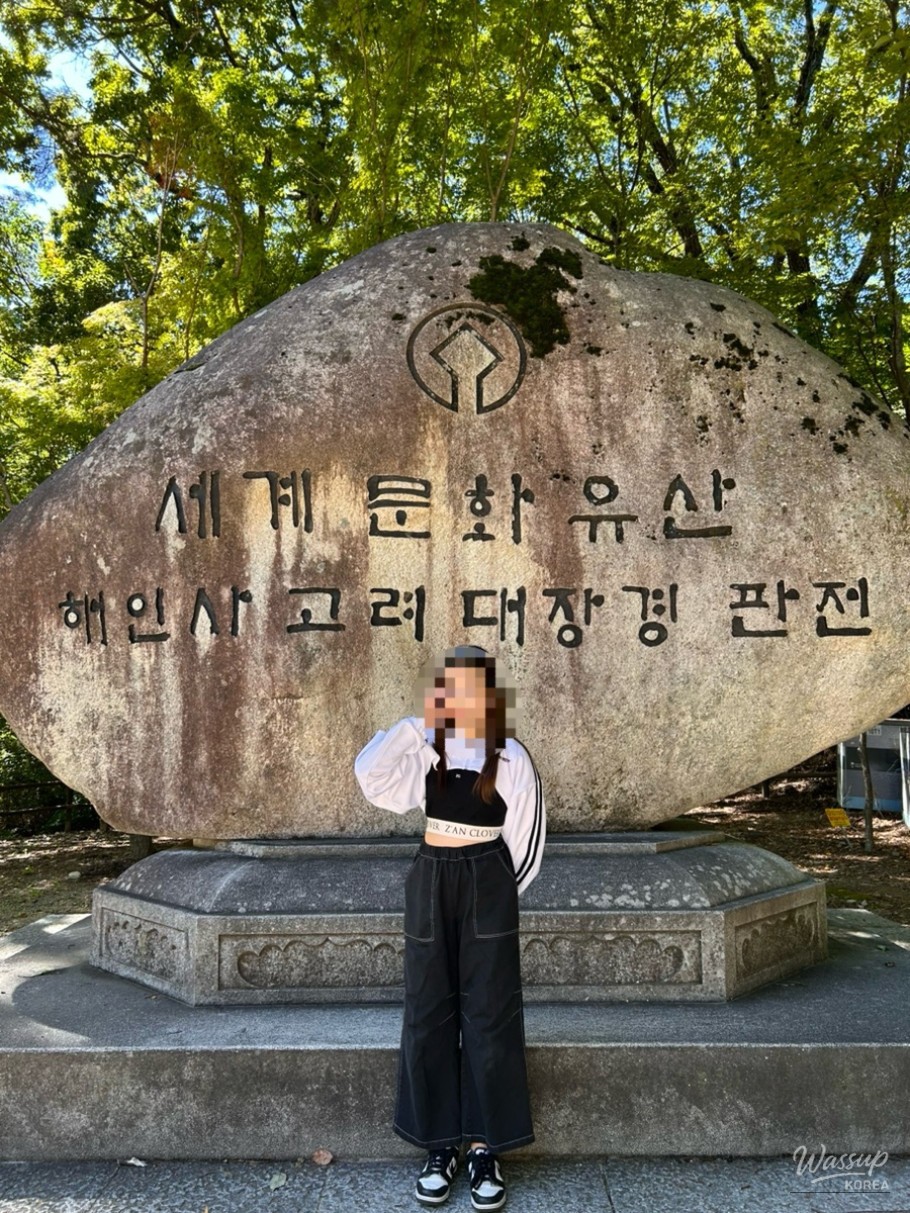
Haeinsa Temple (해인사), nestled in the majestic Gaya Mountain range, is one of Korea's Three Jewel Temples, representing the "Dharma" (the teachings of Buddha). Founded in 802 AD during the Silla Dynasty, it serves as a profound historical classroom where the stories of Silla and Goryeo come to life. Its most significant treasure is the Tripitaka Koreana, a collection of over 80,000 wooden printing blocks that are a testament to Goryeo's resilience during the Mongol invasions.
For parents traveling with children, Haeinsa offers a perfect blend of natural beauty and experiential learning. Walking through its ancient gates and standing before the scientifically advanced Janggyeong Panjeon (storage halls) allows children to see history not as a set of dates to memorize, but as a living story of national determination. In late October, the temple transforms into a masterpiece of autumn colors, providing a peaceful sanctuary for families to reflect and recharge away from the urban noise.
The Gates of Enlightenment: Iljumun to Haetalmun
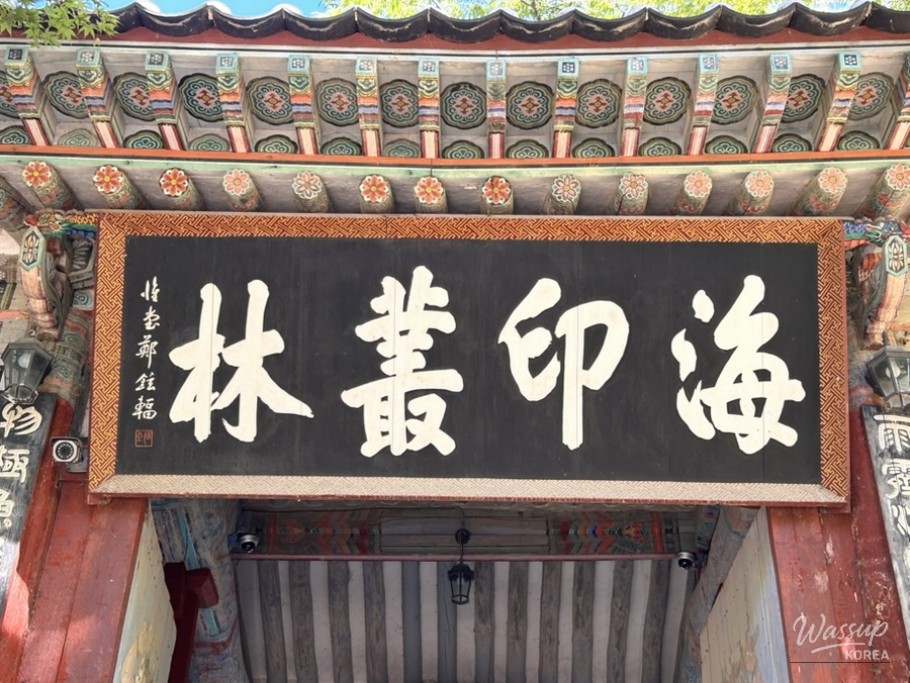
The journey into the heart of Haeinsa begins with a walk through its symbolic gates. The path from the Iljumun Gate (One Pillar Gate) to the Haetalmun Gate (Gate of Deliverance) serves as a great introduction to Buddhist architecture. For children, especially those around age 12, this walk is an opportunity to discuss the transition from the secular world to a sacred space. Each gate has a specific meaning and historical weight, making the 15-minute walk from the parking lot feel like a trip back through time.
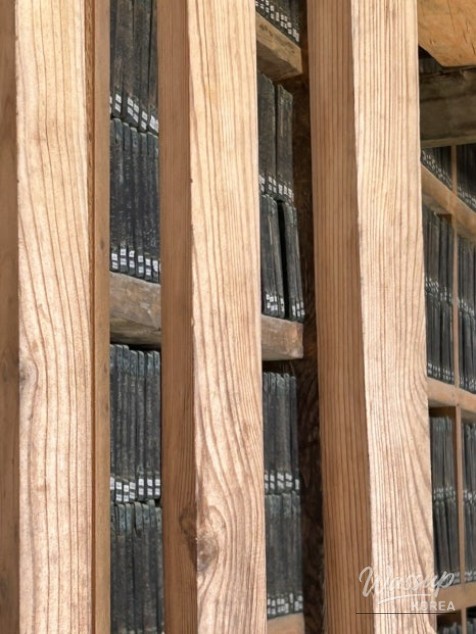
A Goryeo Masterpiece: Janggyeong Panjeon and the Tripitaka
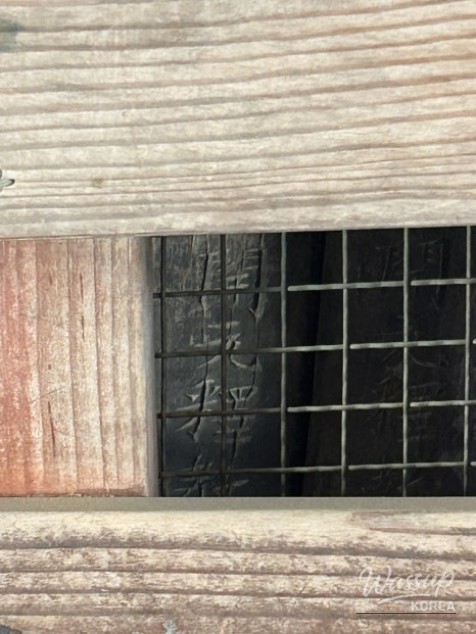
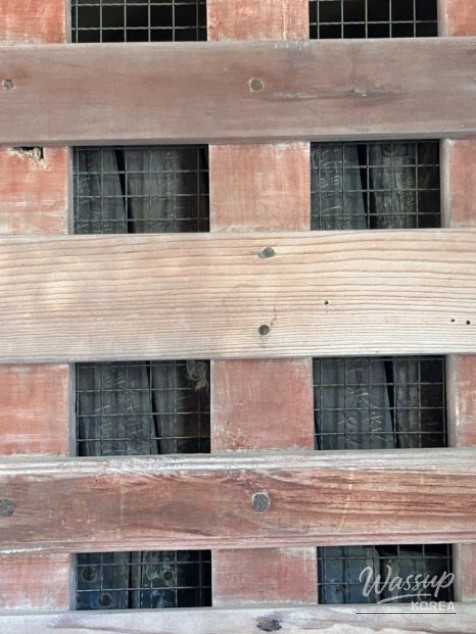
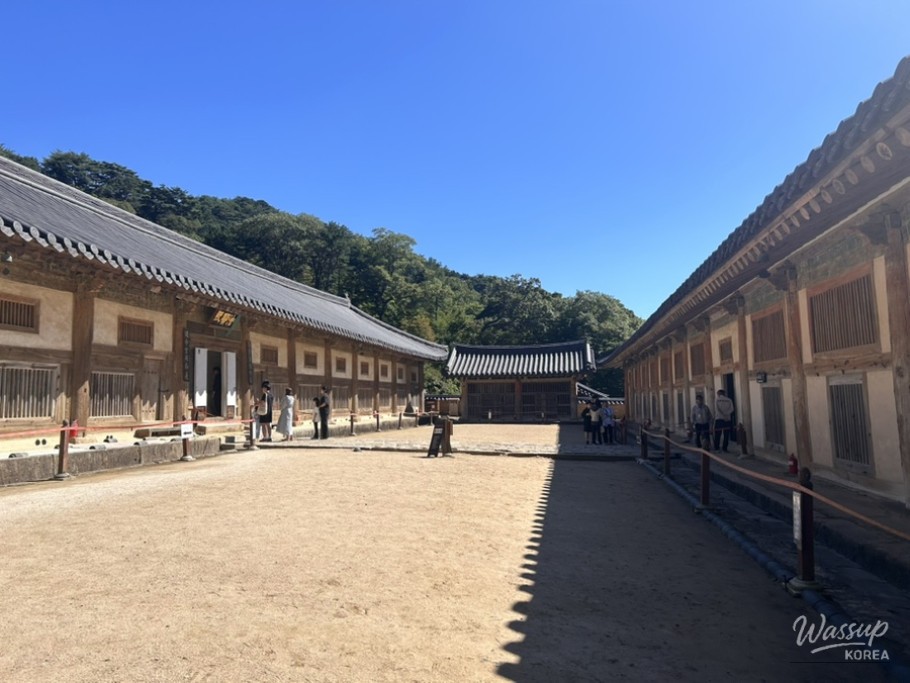
The spiritual and historical center of Haeinsa is the Janggyeong Panjeon. These halls house the Tripitaka Koreana, which was created between 1236 and 1251 as a prayer to protect the nation from Mongol attacks. This is where history becomes vivid; students can learn about the "will of the people" to overcome a national crisis through spiritual unity.
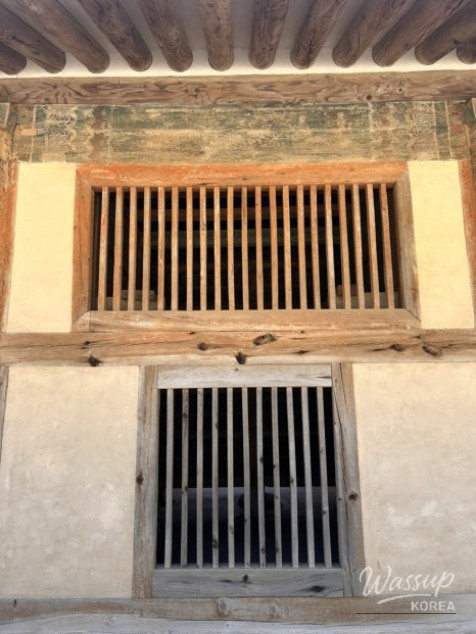
The buildings themselves are a marvel of ancient engineering. The ancestors utilized natural ventilation and humidity control through window placement and soil floor composition—techniques that modern science still struggles to replicate perfectly. Seeing these wooden blocks preserved flawlessly for over 700 years inspires a deep sense of pride in Korean scientific heritage.
Autumn Harmony at 700m Altitude
Situated at an altitude of 700 meters, Haeinsa is particularly enchanting at the end of October. The deep red and orange maples of Gaya Mountain provide a striking contrast to the muted tones of the ancient temple walls. It is a time when the air is crisp, and the atmosphere resembles a traditional Seodang (village school), encouraging a quiet focus and intellectual curiosity. It is the ideal season to escape daily stress and find true rest in the silence of the mountain peaks.
Visitor Tips and 2026 Festival Information
When visiting Haeinsa with family, consider utilizing the services of a Cultural Commentator for a more in-depth experience. The walk from the parking lot is gentle but takes about 15 minutes. Also, keep an eye out for the Daejanggyeong Record Culture Festival, typically held in late October (e.g., Oct 23-25, 2026), which features special exhibitions and interactive events focused on the history of printing and recording.
| Category | Admission Fee | Notes |
|---|---|---|
| Adults | 3,000 KRW | Group discounts available |
| Children | 1,500 KRW | Under 12 years old |
Photo Gallery: The Soul of Gaya Mountain
Haeinsa is a place where you truly realize that "the more you know, the more you see." Have you ever wondered how our ancestors could keep wood from rotting for 700 years without modern technology? If you're interested in booking a Templestay to experience monk life firsthand, or if you want the specific dates for the 2026 autumn festival, would you like me to find those details for you?
No comments yet.