A Soul-Soothing Temple Stay at Yongmunsa, Yangpyeong
782 Yongmunsan-ro, Yongmun-myeon, Yangpyeong-gun, Gyeonggi-do
용문사



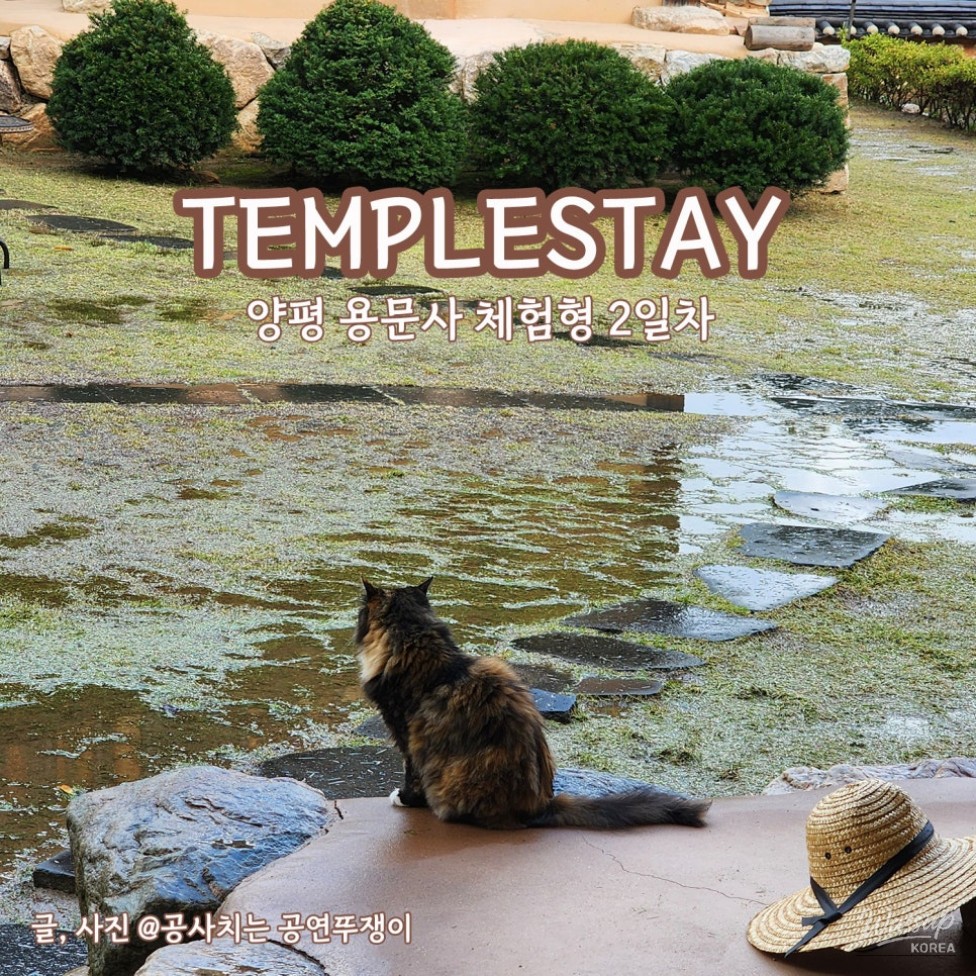
Returning to Yongmunsa Temple (용문사) after just one month proved that the depth of a temple stay only grows with familiarity. While the first day's rain moved our campfire indoors for a lingering tea time with the monk, the second day greeted us with the crisp, clear air of the mountains. Greasy city thoughts were washed away by the sound of streams that had suddenly appeared after the night's heavy downpour, creating a symphony of water that awakened the soul.
This revisit allowed for a deeper immersion into traditional practices—from the discipline of 4:00 AM dawn worship and 108 bows to the meditative act of Tapdori (pagoda circumambulation). Beyond the spiritual exercises, the stay was filled with heartwarming moments like making Buddhist prayer beads (Danju) and hanging heartfelt wishes on the legendary thousand-year-old ginkgo tree. It was a journey of accumulation—both of merit and of precious, quiet memories.
Dawn Awakening: 108 Bows and the Sound of Water
The second day of the temple stay began at 4:00 AM. In the deep silence of the mountain temple, the wooden percussion (moktak) signaled the start of dawn worship. Participating in 108 bows at this hour is not merely a physical challenge; it is a powerful process of emptying the mind. As each bow is completed, the worries of the secular world seem to dissipate into the cool morning air.
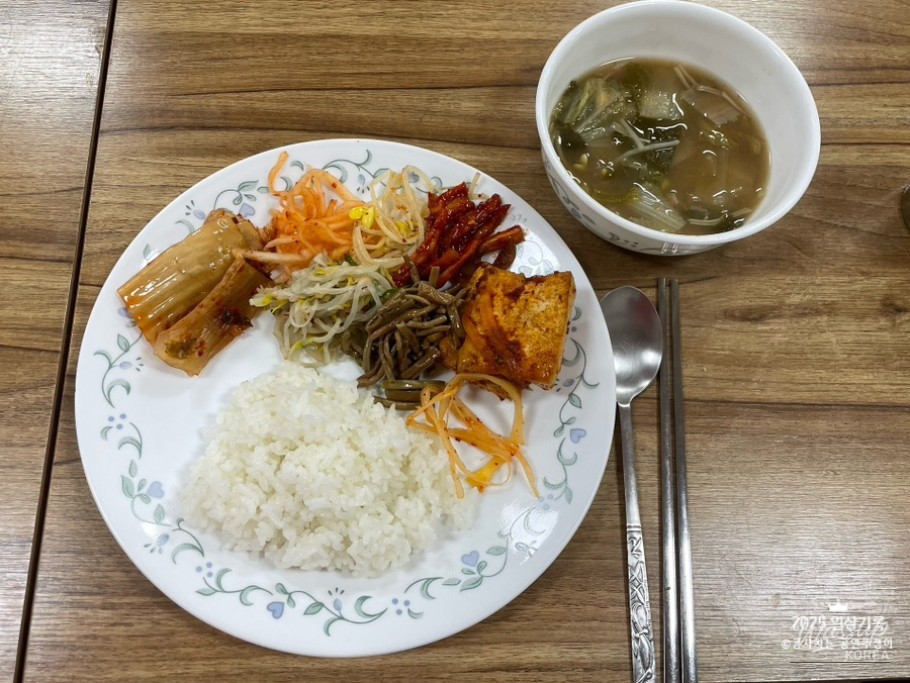
Walking through the grounds afterward, the landscape had transformed. Streams of water, absent just a month ago, were now cascading down the steep slopes, their sound echoing through the stone steps. This auditory awakening made the morning meal—featuring a simple but delicious cabbage soybean paste soup and spicy braised tofu—taste even more precious and grounding.
Tapdori: Accumulating Merit and Practice
After breakfast, we practiced Tapdori, the ritual of walking clockwise around the three-story stone pagoda. This practice, rooted in the ancient Indian 'Yojap,' is a way to pay homage to the Buddha’s relics enshrined within. Walking three times with hands clasped in prayer, one prays for the fulfillment of wishes while accumulating spiritual merit. In the early morning light, this simple act felt like a profound connection to a thousand years of tradition.
Crafting Danju and Ginkgo Leaf Wishes
The final program took place at Hyuwoldang, where we crafted our own Danju (short Buddhist prayer beads). Stringing exactly 21 beads—symbolizing the 21 stages of a Bodhisattva's practice—became a lesson in concentration. Unlike the 108-bead Juzu used for reciting sutras, the Danju is worn on the wrist as a daily reminder to stay calm and mindful.
Wishes Beneath the Thousand-Year Legend
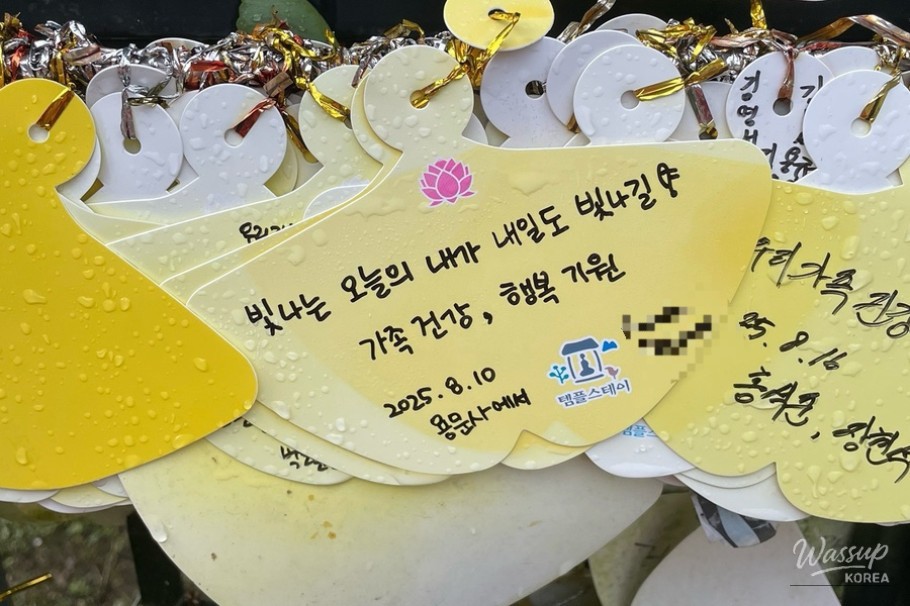
We also wrote our deepest wishes on ginkgo-leaf-shaped cards to hang near the legendary Yongmunsa Ginkgo Tree. This 1,100-year-old tree is said to have been planted by Prince Maeui of Silla. It is a living monument that has survived fires and wars, reportedly making "strange noises" during national crises. Hanging my second wish beside the one from a month ago felt like a meaningful bookmark in my personal growth.

Departing with Peace: Offerings and Symbols
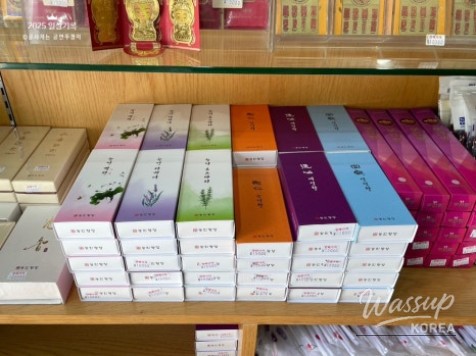
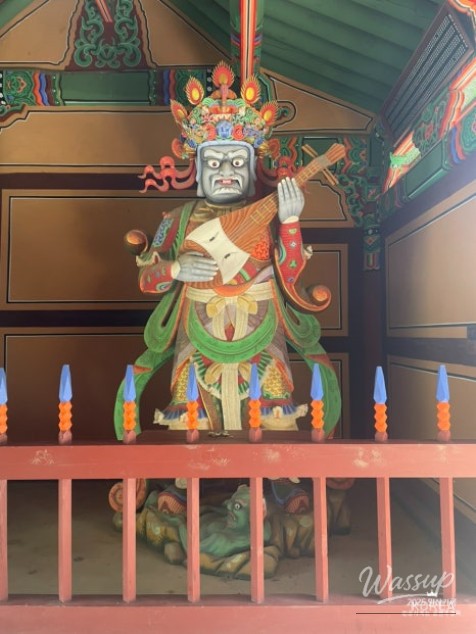
Before checking out, we explored the Four Heavenly Kings Gate. These fierce-looking guardians protect the four directions and ward off evil spirits. We offered snacks and caramels to the statues, a small gesture of gratitude for the protection felt during our stay. We also purchased rice for donation and 'Nunginhyang' sandalwood incense as a souvenir to bring the scent of the temple back into our daily lives.
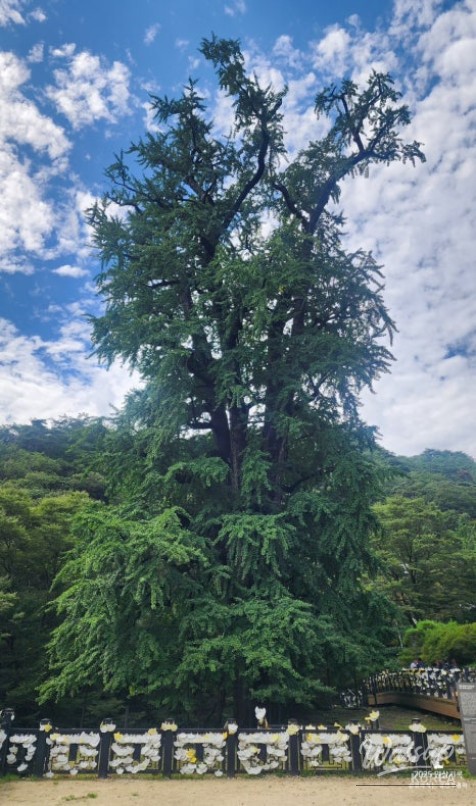
Photo Gallery: A Comma in the Mountains
My time at Yongmunsa was a "comma" that allowed me to breathe again. Have you ever felt that a second visit to a place was more revealing than the first? Are you more drawn to the discipline of the dawn bows or the creative calm of making prayer beads? If you're looking for more details on booking a stay or the best time to see the ginkgo tree turn golden, feel free to ask!
No comments yet.