A Review of the "New Nation, New Art: Early Joseon Dynasty Art" Exhibition at the National Museum of Korea
137 Seobinggo-ro, Yongsan-gu, Seoul
국립중앙박물관



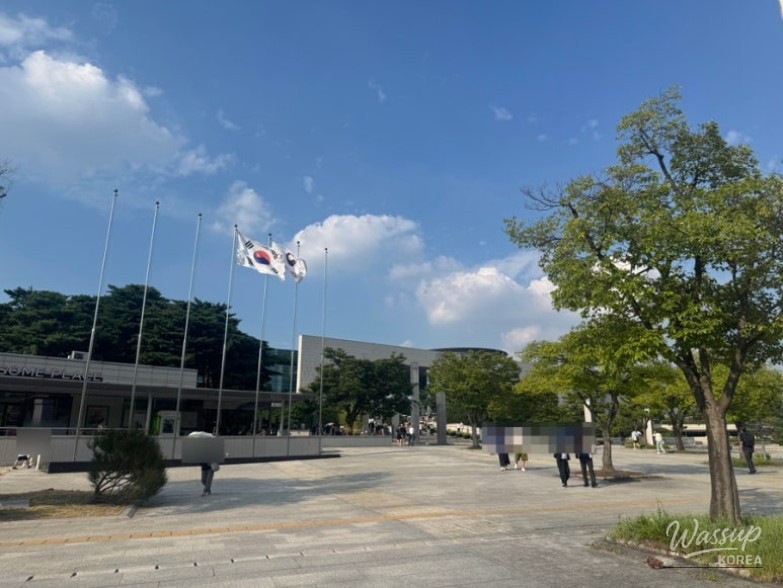
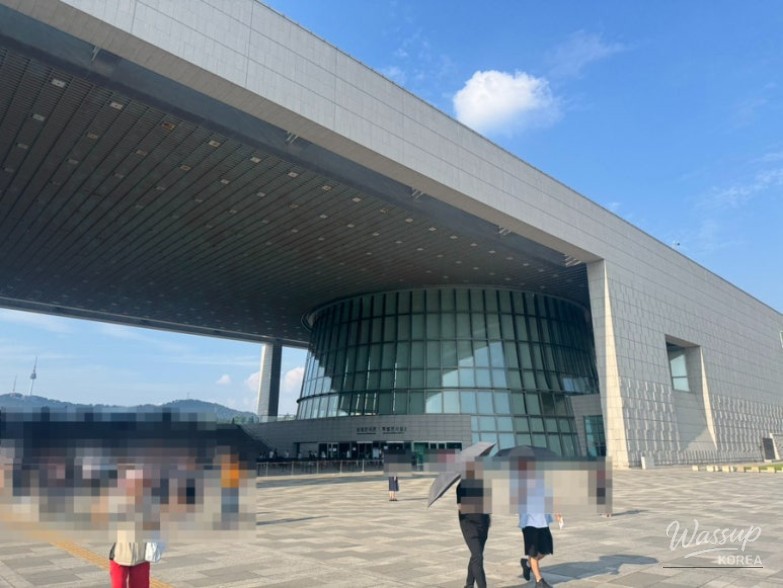
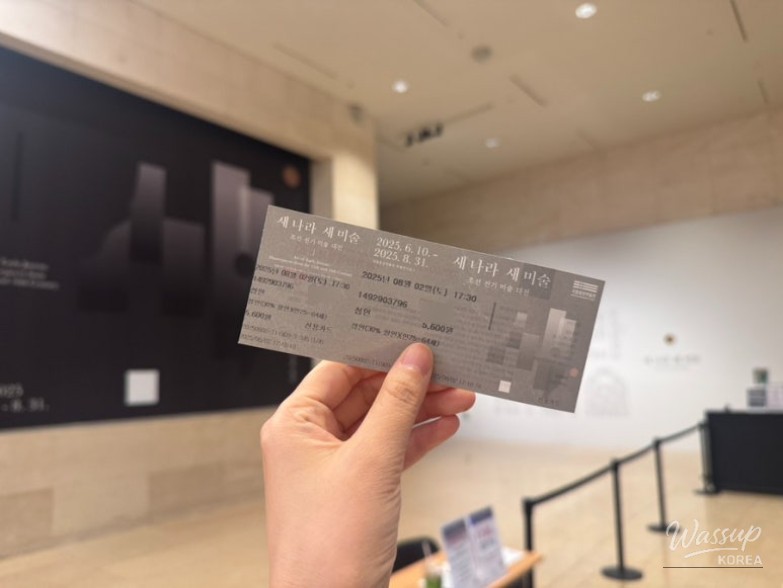
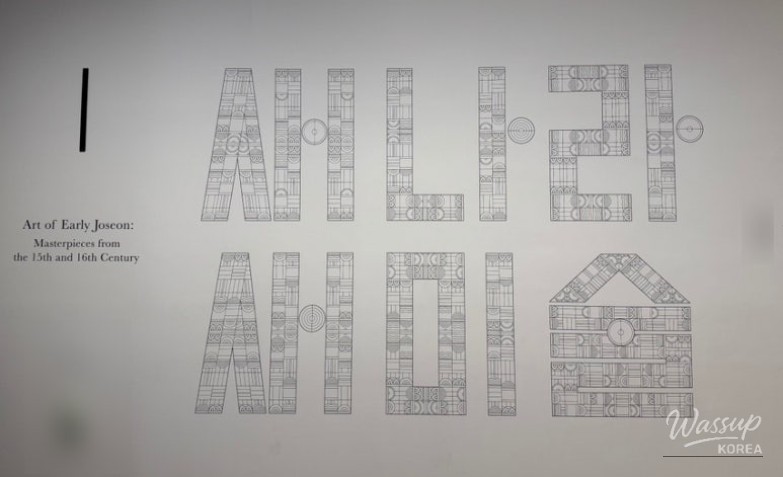
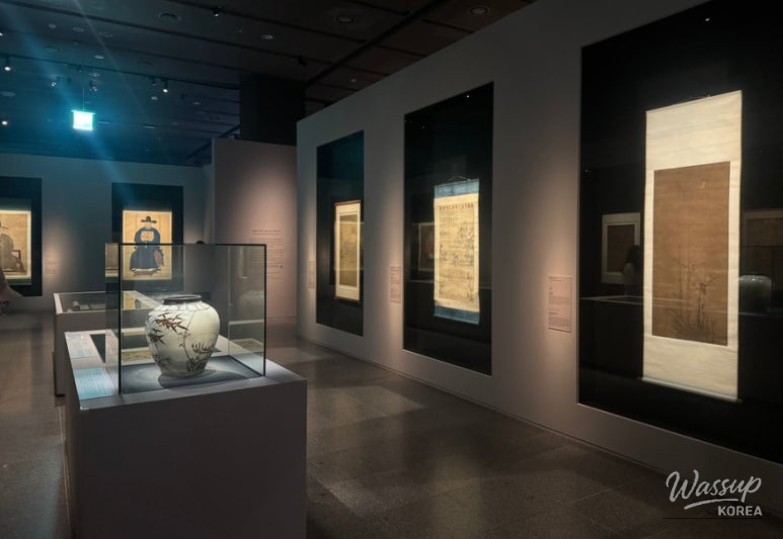
The National Museum of Korea (국립중앙박물관) has recently reached new heights of popularity, and my latest visit to the special exhibition <New Nation, New Art> proved exactly why. This exhibition, running until August 31st, 2025, showcases the artistic transformation that occurred following the founding of the Joseon Dynasty in 1392.
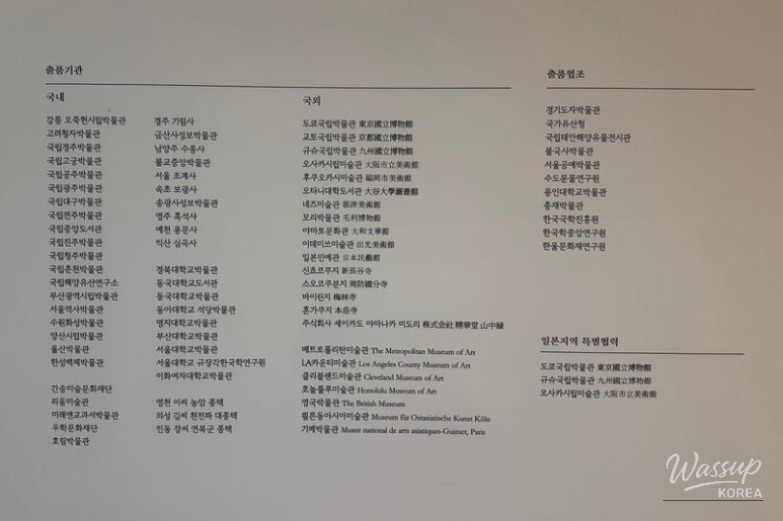
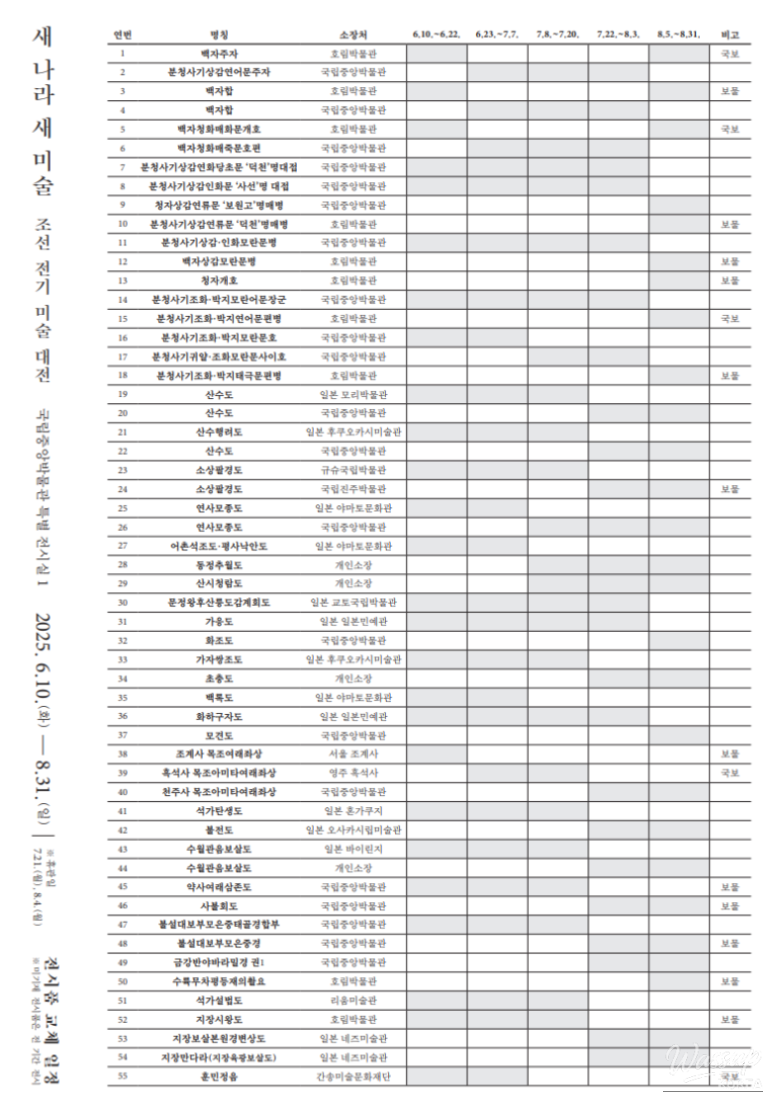
Featuring around 400 pieces, including ceramics, landscape paintings, and Buddhist art, the collection brings together treasures from all over the world, with some items returning to Korea for the first time. From the purity of white porcelain to the deep philosophy of ink landscape paintings, this exhibition offers a profound look at the birth of a new cultural era.
Ideology and Aesthetics: The Foundation of Early Joseon Art
The transition from Goryeo to Joseon was not just a political shift but a cultural revolution. This exhibition explores how changes in thought and ideology were incorporated into art. The galleries are meticulously organized into three main themes—White, Ink, and Gold—representing ceramics, scholar-official arts, and Buddhist faith, respectively.
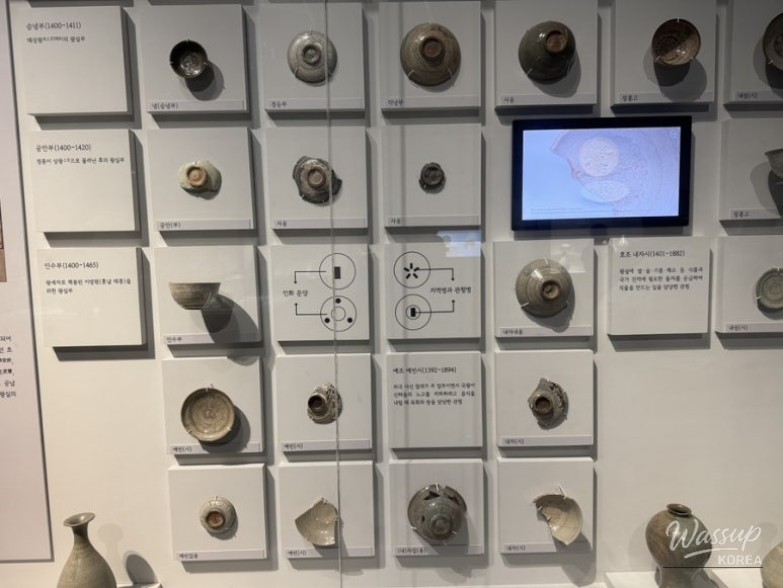
One of the most exciting aspects is the inclusion of 23 pieces being introduced to the Korean public for the first time. The museum has integrated high-tech touchpads that allow visitors to zoom in on the intricate details of the artifacts, making it a very interactive and educational experience for all ages.
Ceramic Excellence: The Transition to White Porcelain
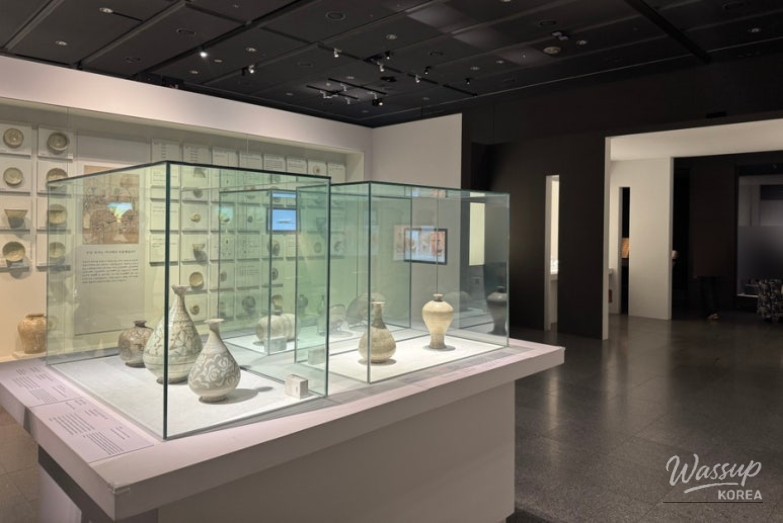
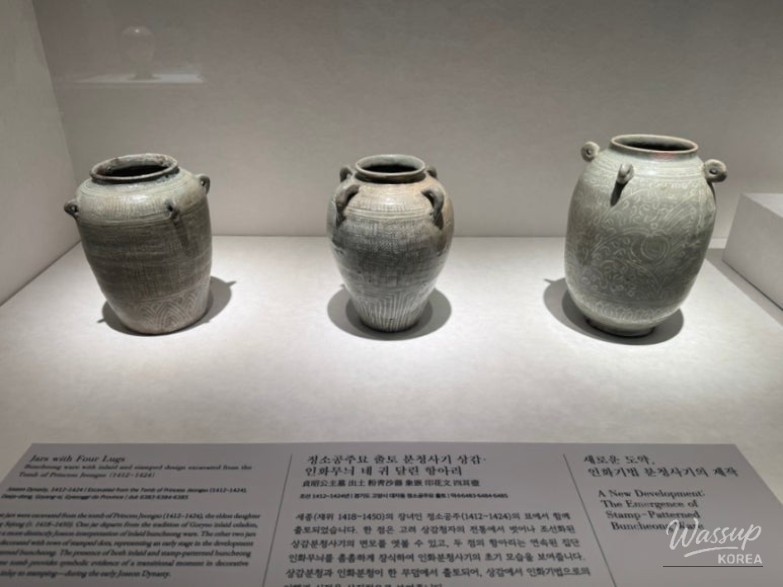
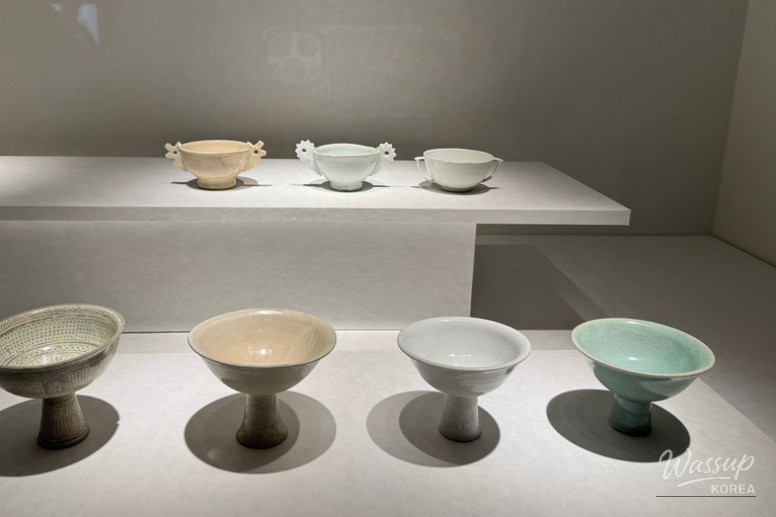
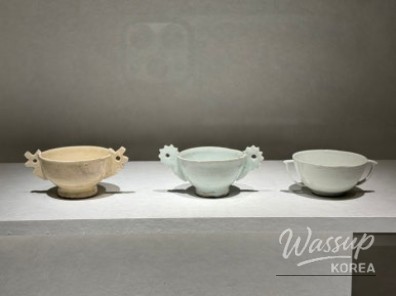
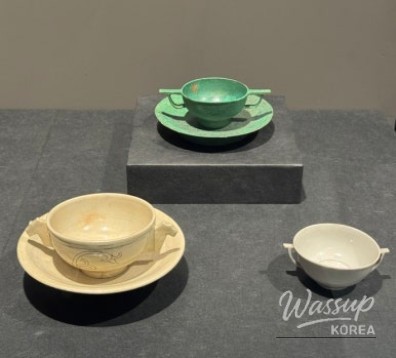
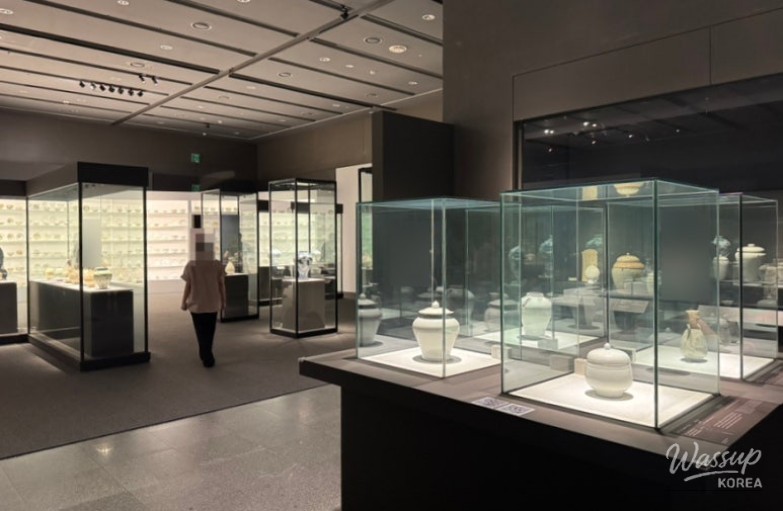
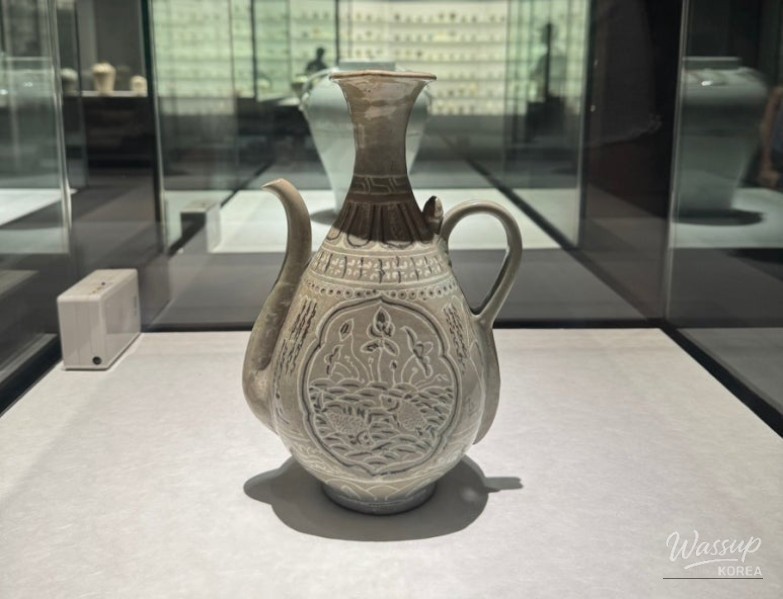
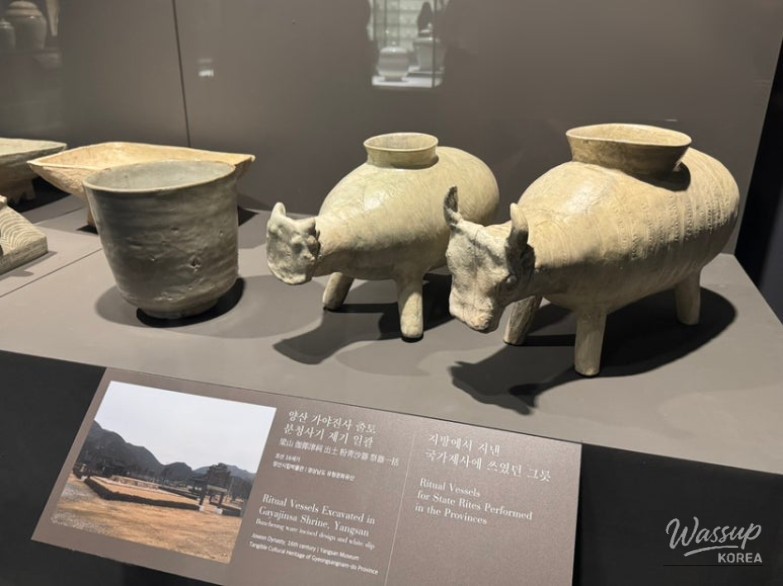
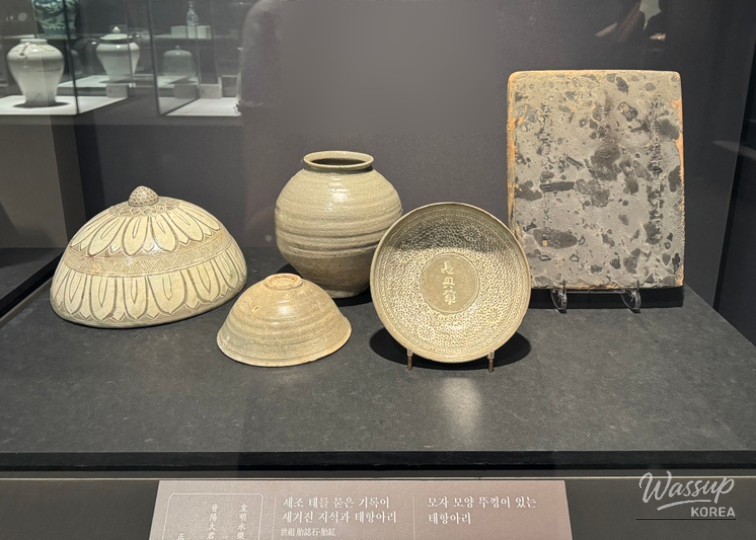
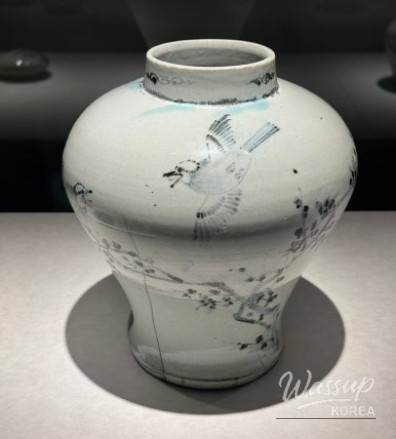
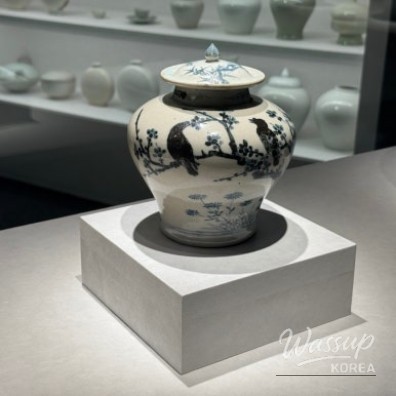
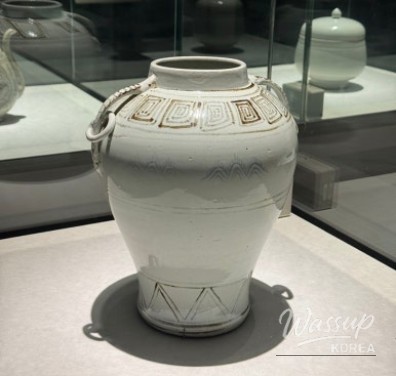
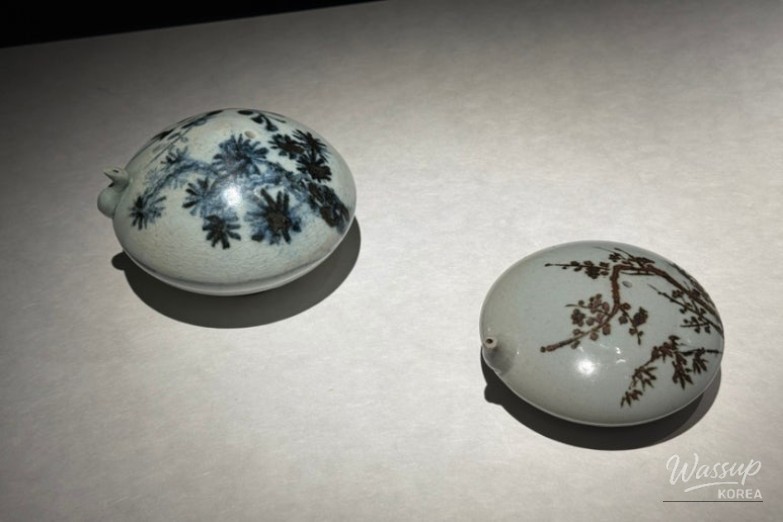
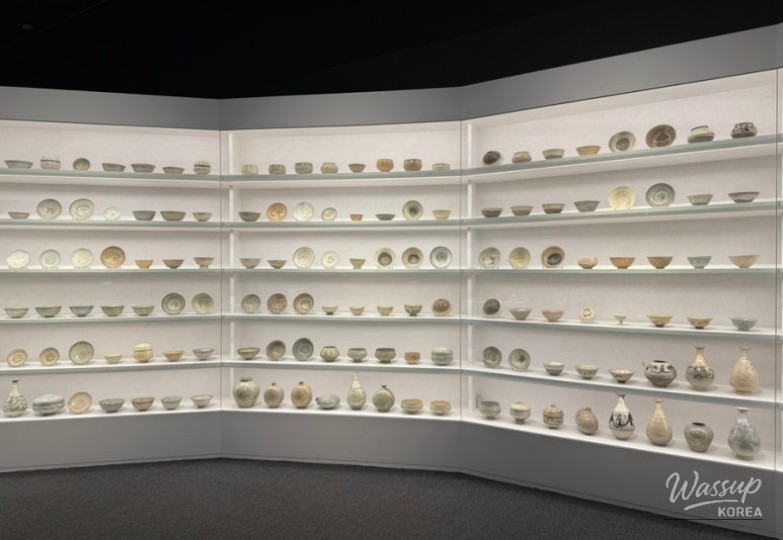
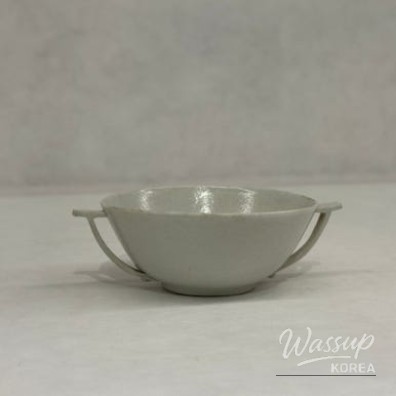
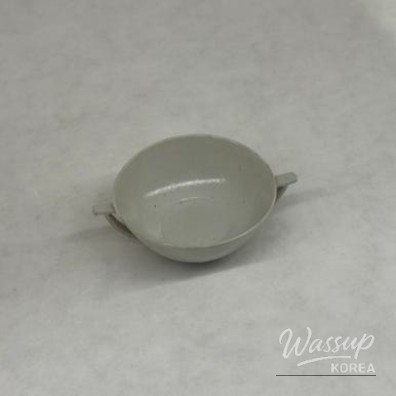
The 'White' section highlights the rebuilding of the ceramic production system. Buncheong ware and early white porcelain dominate this space. I was particularly charmed by the small teacups and sake cups, which featured surprisingly modern-looking handles. The section also includes unique items like a placenta jar and ceremonial vessels that showcase the exquisite craftsmanship of the time.
Scholar-Official Art: The World of Ink and Calligraphy
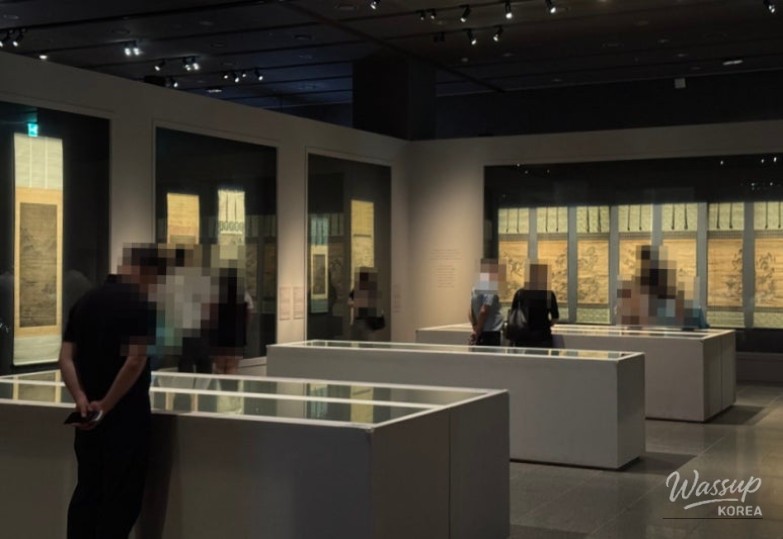
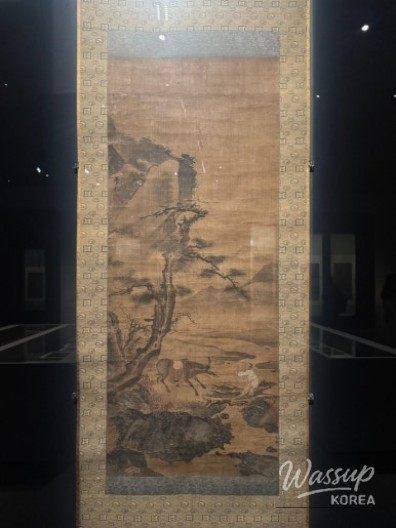
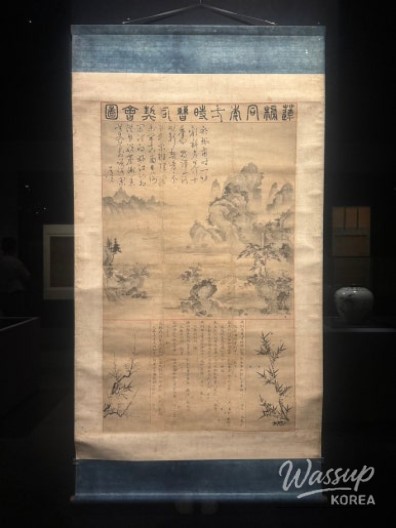
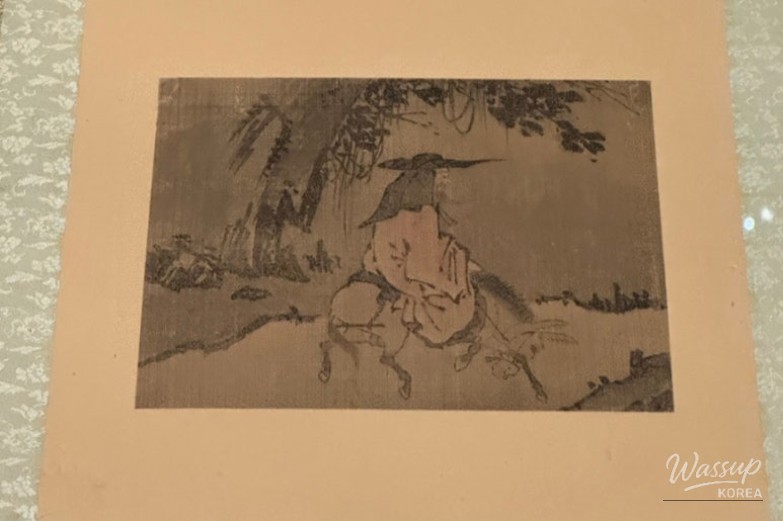
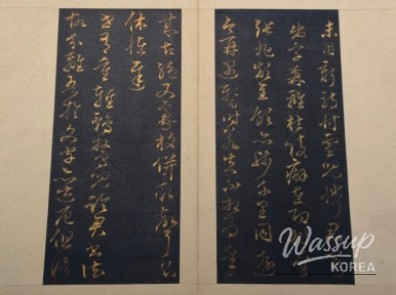
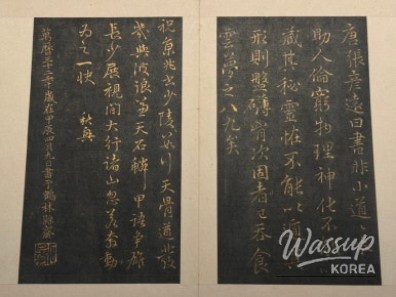
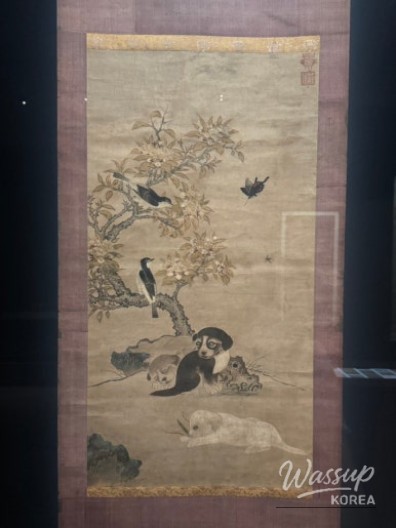
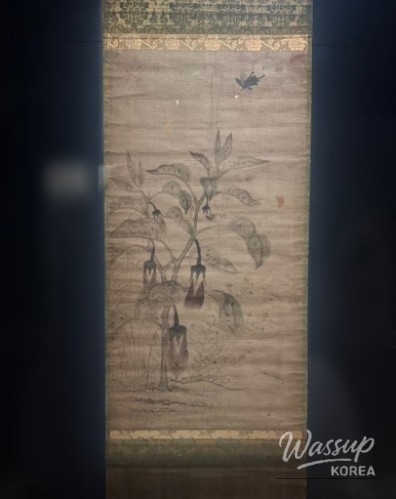
In the 'Ink Color' gallery, visitors can glimpse the inner world of Joseon's elite scholar-officials. Landscape paintings here focus on rich shades of black ink, symbolizing the deep ideals and philosophy of the era. Among the serious works, I found several charming and humorous pieces, like a painting of a man pulling a stubborn donkey, proving that even centuries ago, people appreciated a bit of wit in art.
Spiritual Comfort: Buddhist Art and Golden Scriptures
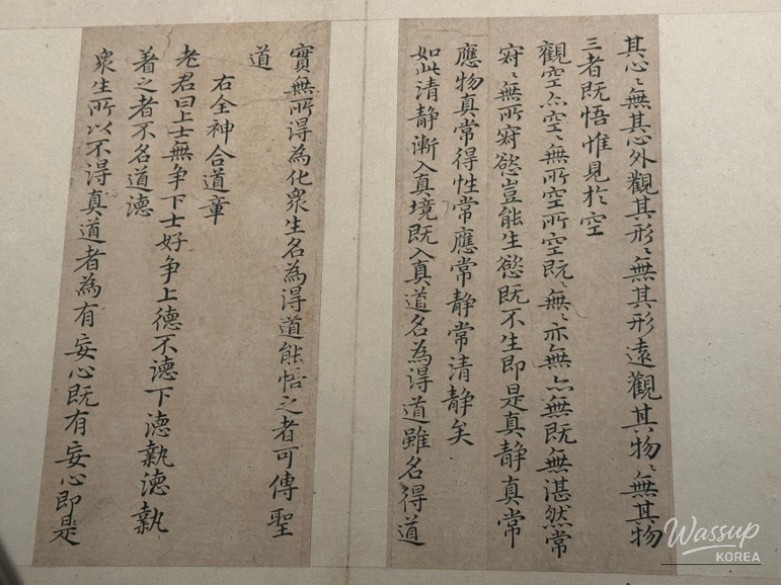
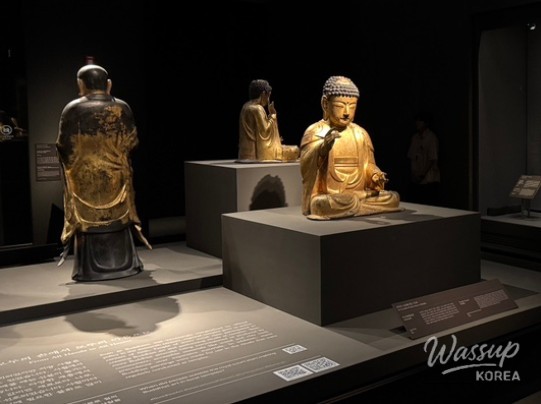
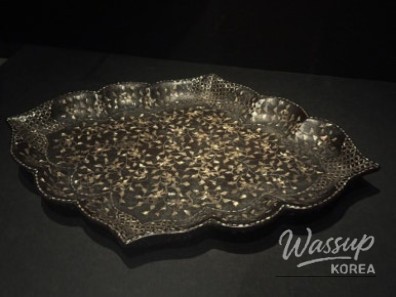
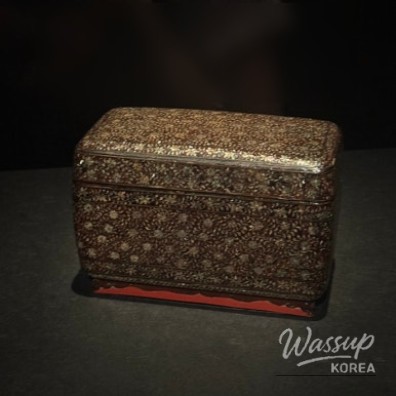
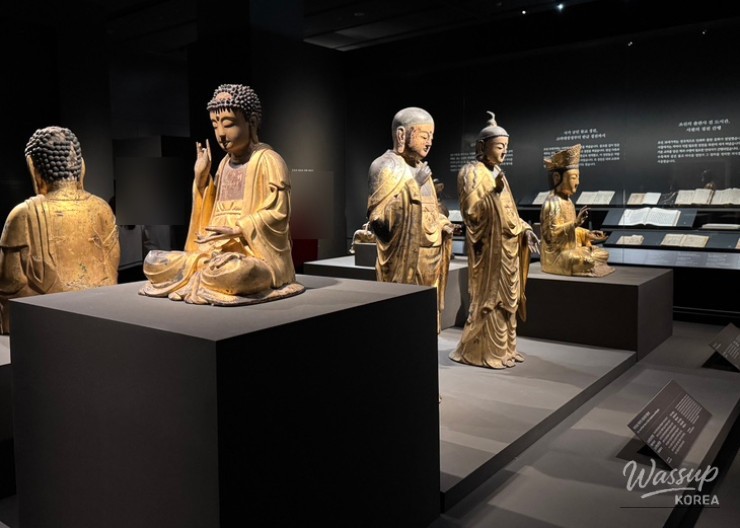
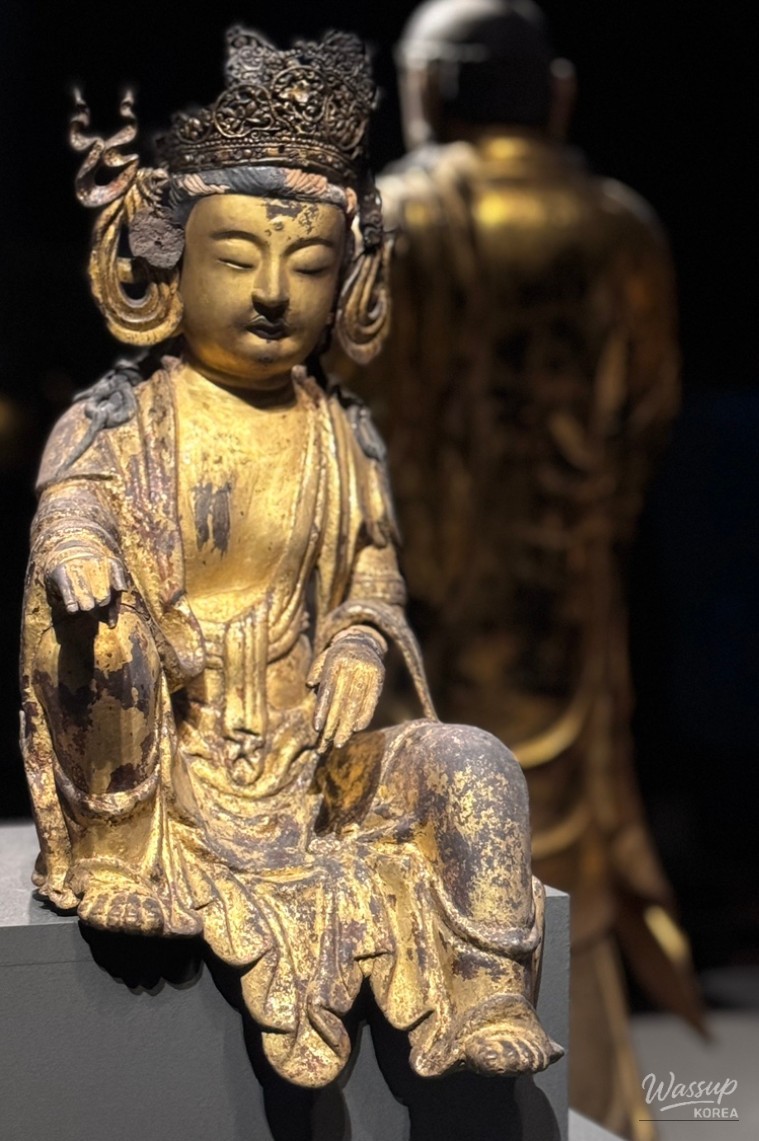
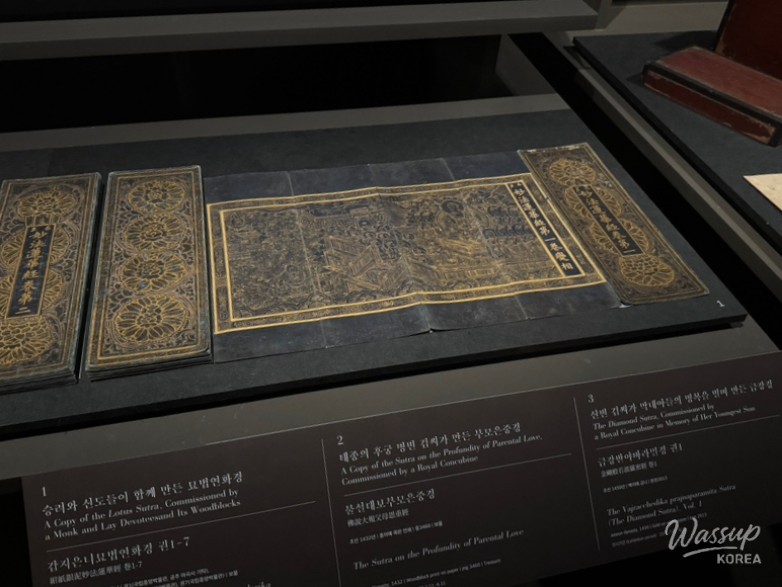
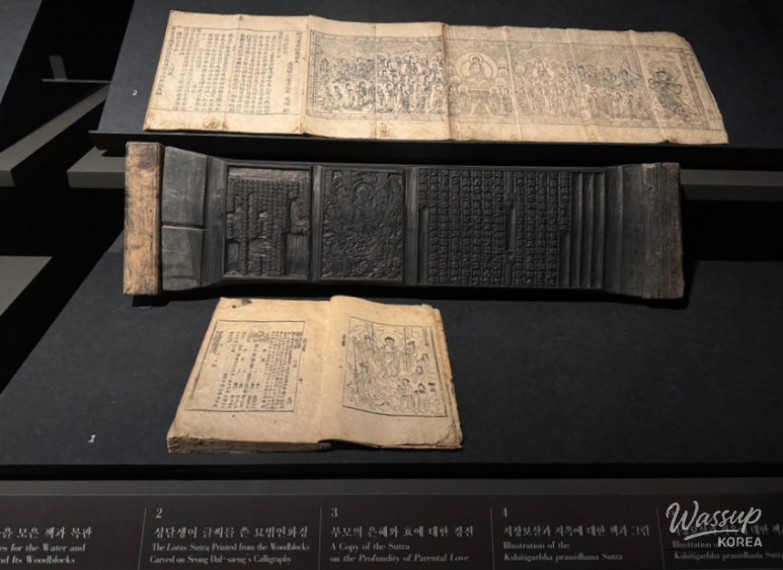
Despite the rise of Confucianism, Buddhism remained a central pillar of spiritual life. The 'Gold Color' section displays radiant Buddhist art, including mother-of-pearl lacquerware and Buddha statues with striking poses. The delicate scriptures drawn in gold are a testament to the luxury and devotion of the era's religious practitioners.
The Enduring Legacy of Hangeul and Museum Goods
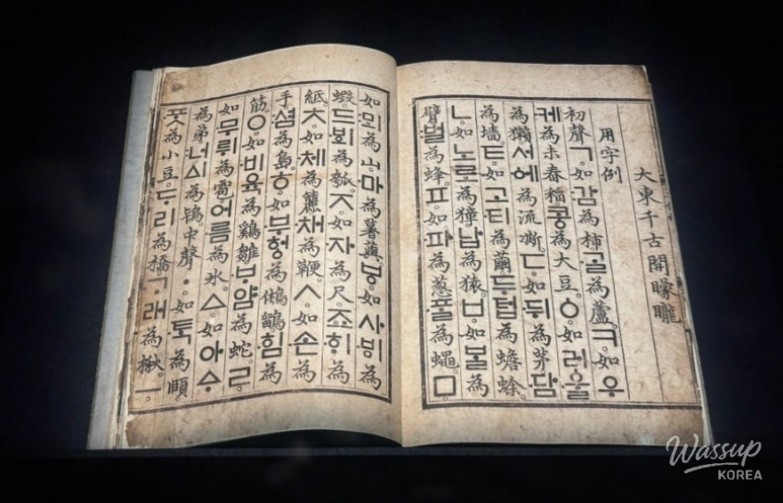
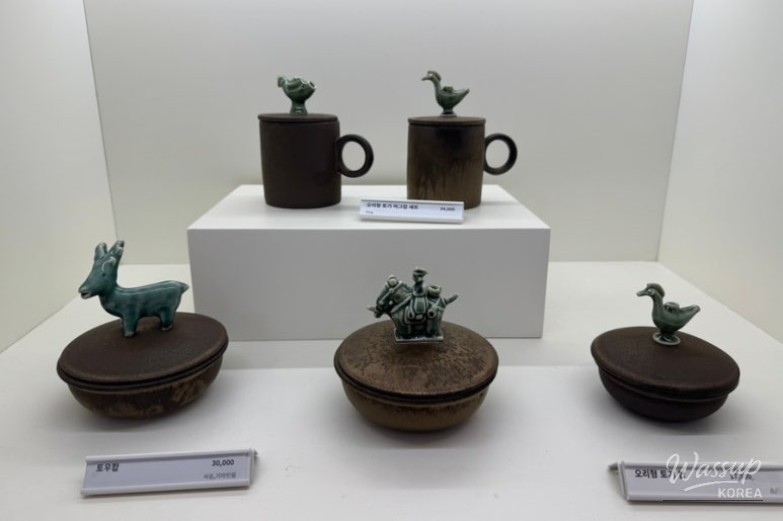
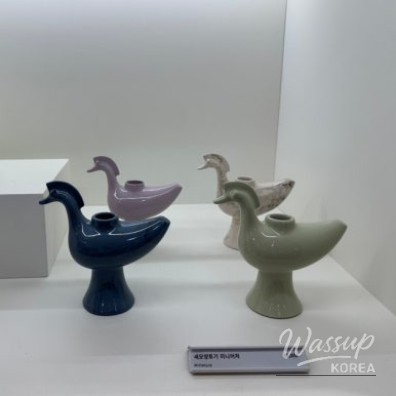
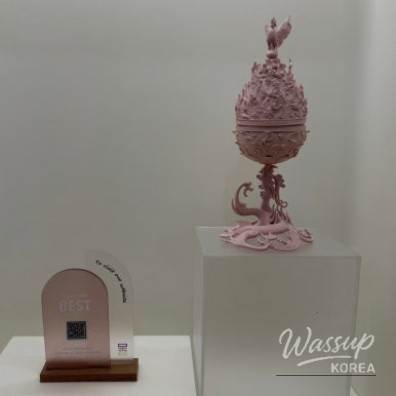
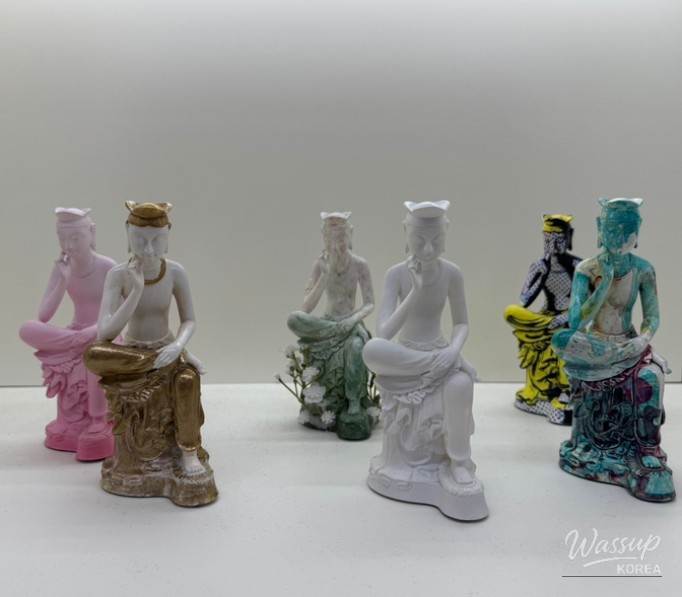
The exhibition concludes with a copy of the Hunminjeongeum Haeryebon, the foundational text of the Korean writing system. It serves as a powerful reminder of the period's intellectual achievements. After the exhibition, no trip is complete without visiting the gift shop to see the trending museum 'goods' (MU:DS).
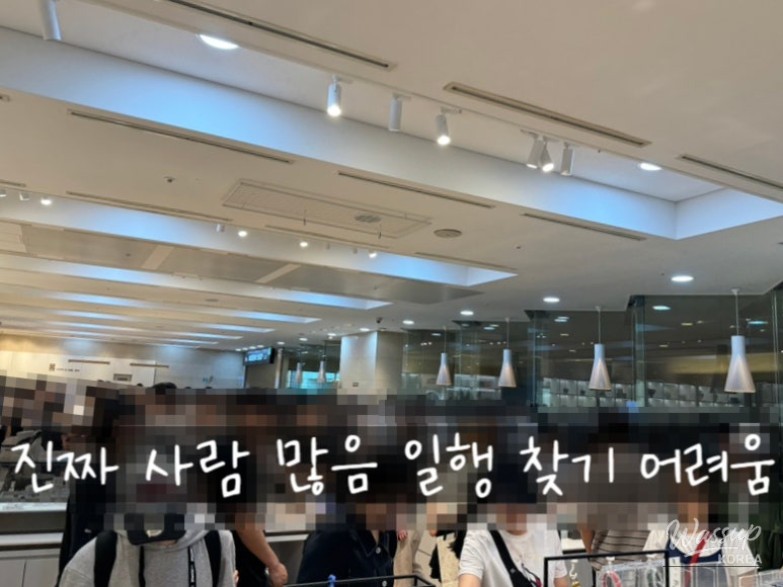
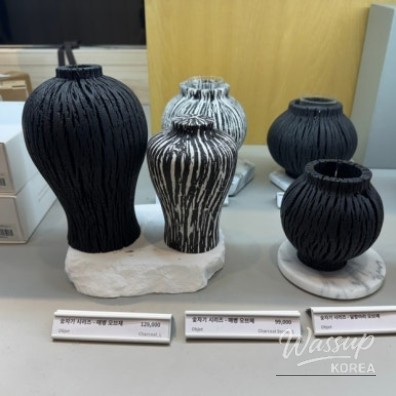
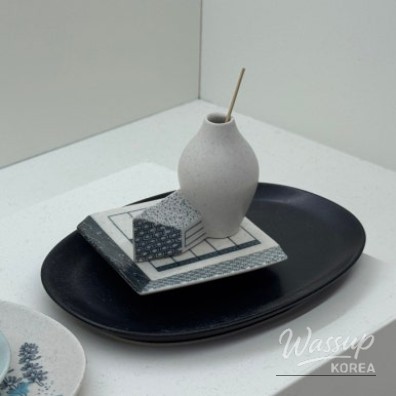
The museum merchandise has become a phenomenon in itself, with items like the Pensive Bodhisattva miniature and bird-shaped incense burners being highly sought after. Even though the lines can be long, the creative reinterpretation of ancient artifacts into modern lifestyle items is worth seeing. It’s a perfect way to take a small piece of Korean history home with you.
Have you had the chance to visit the National Museum of Korea for its special exhibitions, or are you more interested in finding the perfect Pensive Bodhisattva statue for your desk? If you're visiting Seoul, I also recommend taking a relaxing walk through the nearby Ichon Hangang Park after your tour. What is your favorite era of Korean history to explore through art?

No comments yet.