

A Journey Along the Han River: History, Scenery, and Reflection
- Place
- 용양봉저정
- Address
- 55 Noryangjin-ro 32-gil, Dongjak-gu, Seoul
- Original source
- blog.naver.com



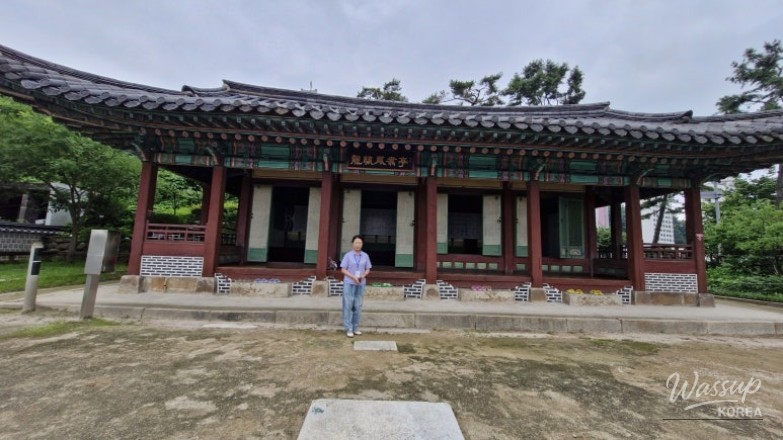
Yongyangbongjeong Pavilion (용양봉저정) is a hidden historical gem perched on a scenic hill near the Hangang Bridge. Its name poetically describes a landscape where the river winds like a dragon raising its head and the mountains soar like a phoenix flapping its wings. This elegant structure served as a temporary resting place for King Jeongjo during his royal processions to his father's tomb, offering a rare glimpse into the reformist monarch's journeys across the Han River.
Today, the pavilion stands as a central point along the Dongjak Loyalty and Filial Piety Trail, where visitors can enjoy cool river breezes and immersive historical exhibits. From the fascinating stories of Joseon-era pontoon bridges to the nearby monument of novelist Sim Hun, a walk through this area perfectly blends the deep resonance of Korean history with the refreshing modern scenery of Seoul's riverside. It is a peaceful sanctuary for those looking to connect with the past while enjoying the open views of the Han River.
The Royal Rest Stop: Noryanghaenggung and King Jeongjo
Yongyangbongjeong was more than just a beautiful pavilion; it was the heart of Noryanghaenggung, a temporary palace for King Jeongjo. After departing Changdeokgung Palace and crossing the Han River on an innovative pontoon bridge, the King would stop here to rest and have lunch. Completed in 1791, the site originally housed multiple subsidiary buildings, though only this main pavilion remains today to tell the story of royal filial piety and reform.
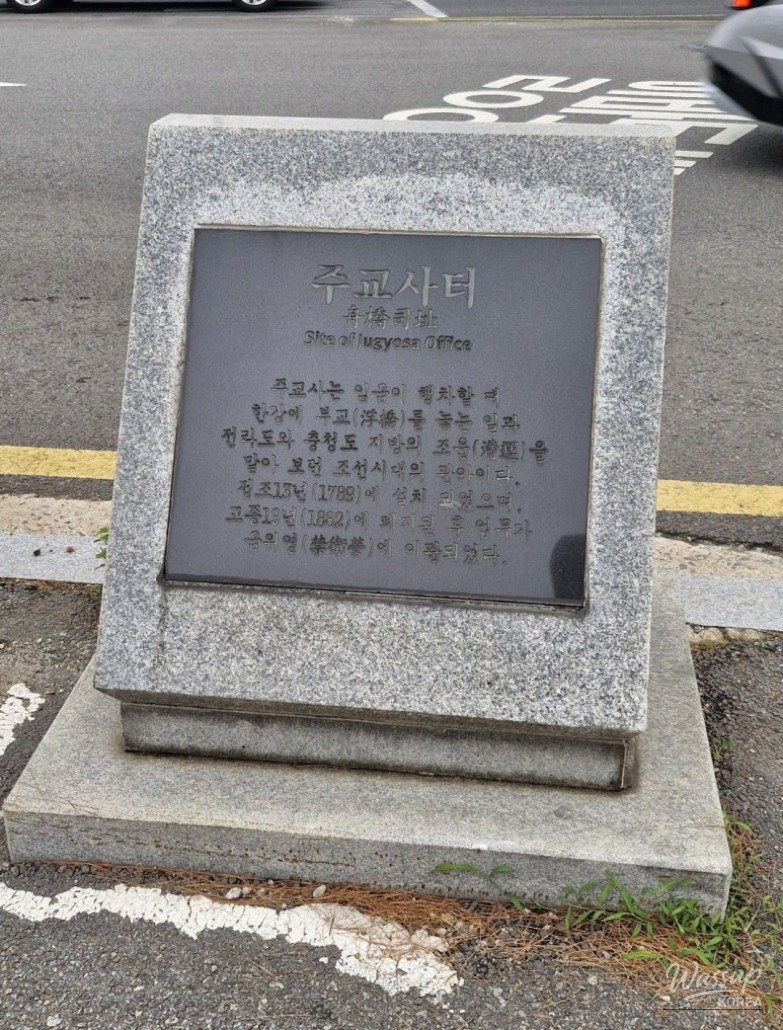
Near the entrance, a signpost marks the Jukyosa Site, referring to the government office established in 1789. This office was responsible for the monumental task of constructing the annual pontoon bridge. One of the most famous events occurred in 1795, during the 60th birthday celebration of Lady Hyegyeonggung Hong, when an unprecedentedly large-scale bridge was built to accommodate a massive royal procession extending all the way to Hwaseonghaenggung Palace.
Living History through Expert Guidance
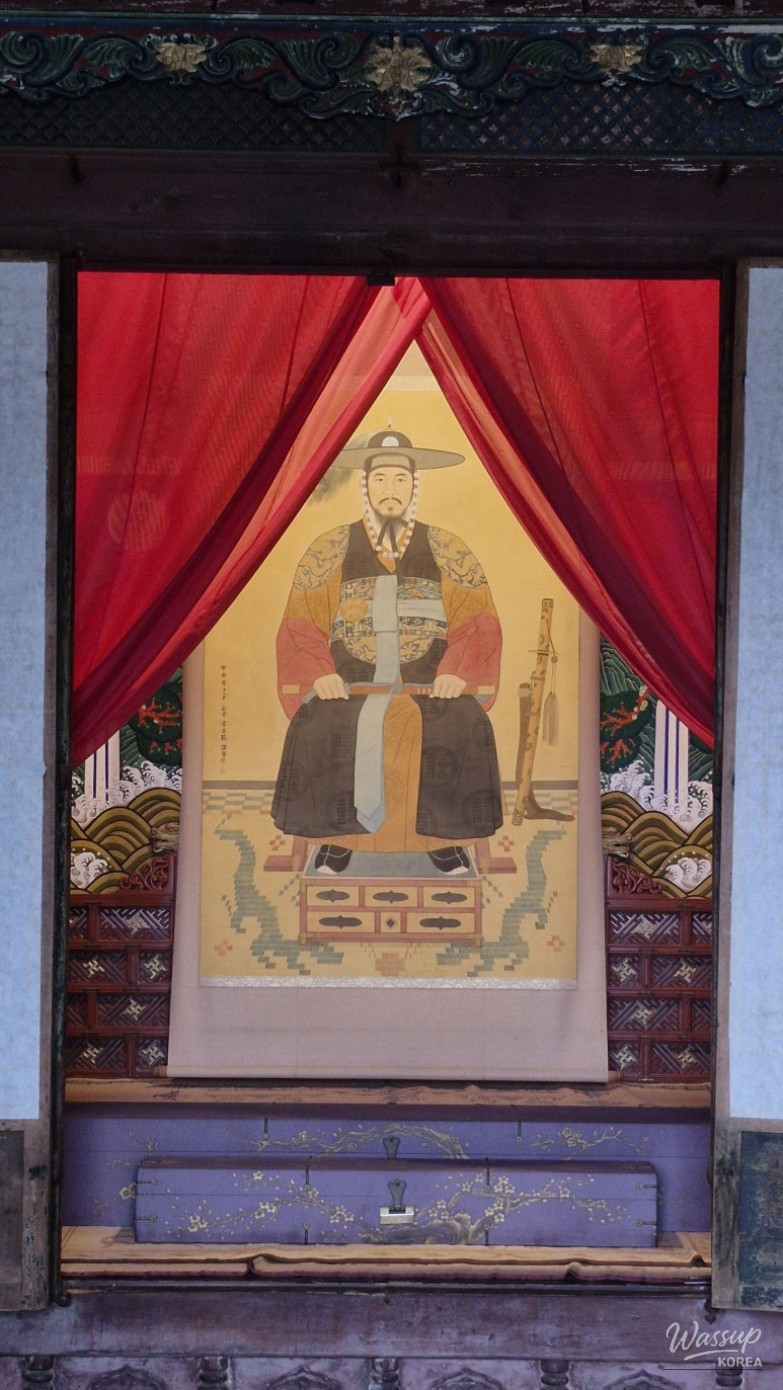
As you climb the wooden deck path to the pavilion, you are met with an elegant building featuring six sections in the front. Inside, detailed paintings and records of King Jeongjo's eight-day royal visit are on display. The experience is made even more vivid by the local guides. One guide, a former Korean dancer, shares her deep knowledge of the court dances performed during the annual royal parade festival, bringing the historical narratives to life with graceful gestures and passion.
Strolling the Dongjak Loyalty and Filial Piety Trail
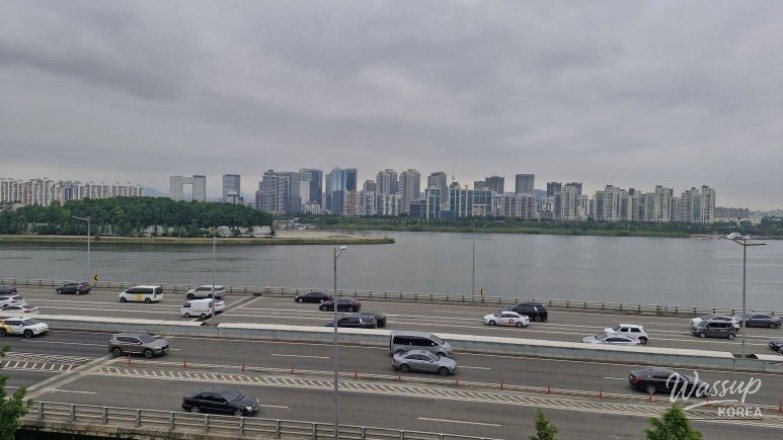
Leaving the pavilion, the journey continues along a well-maintained deck road towards Hyosajeong. The contrast between history and modernity is striking here: the gentle waves of the Han River sit in the foreground of the bustling Olympic Expressway and the "apartment forest" of Ichon-dong. The open view and the constant river breeze provide a sense of "healing" that is hard to find in the city center.
A Moment with Novelist Sim Hun
Along the trail, you will encounter a statue of Sim Hun, the celebrated author of 'Sangnoksu' (Evergreen Tree). Beside him stands a monument inscribed with his powerful resistance poem, 'The Day Will Come.' Sitting on a bench next to the statue provides a moment for quiet reflection. Reciting his verses while looking out at the water allows for a deep emotional connection with the writers and thinkers who shaped Korea's modern identity.
Photogallery: Traces of Royalty and Literature
The area surrounding Yongyangbongjeong Pavilion is a beautiful blend of nature and historical resonance. Every step along the deck road offers a new perspective on Seoul's most iconic river and the legacy of its past monarchs and poets.
Have you ever imagined what it would have been like to see King Jeongjo's grand royal procession crossing the Han River on hundreds of boats? If you are planning a visit, would you like to know the best time to catch the sunset over the bridge or more details about the annual royal parade festival held every autumn?
More from Heritage


No comments yet.


