A Glimpse into Joseon Dynasty Art: Murals from Changdeokgung Palace at the National Palace Museum of Korea
12 Hyoja-ro, Jongno-gu, Seoul
국립고궁박물관



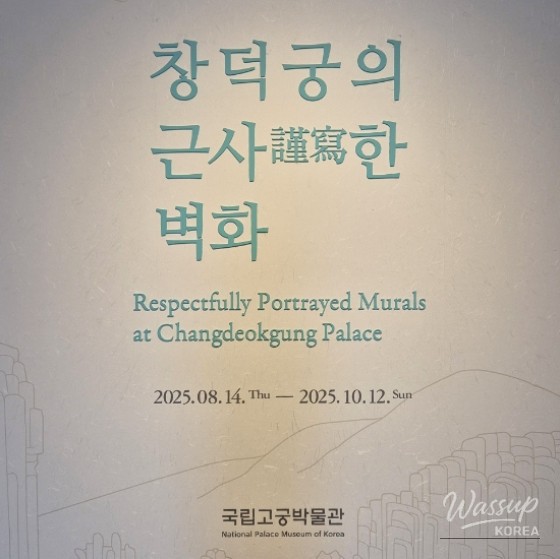
The National Palace Museum of Korea is currently hosting a special 20th-anniversary exhibition titled "Magnificent Murals of Changdeokgung Palace." This rare showcase brings together the last court paintings that once decorated the interior halls of Changdeokgung, including Heejungdang, Daejojeon, and Gyeonghunggak. Running from August 14 to October 12, 2025, it offers a cool and pleasant sanctuary for art lovers in Seoul to witness the grandeur of Joseon’s final artistic flourishes.
From the sweeping twelve thousand peaks of Mt. Geumgang to symbolic depictions of phoenixes and white cranes, these murals represent more than just decoration; they embody the royal family's wishes for peace, health, and longevity. This exhibition not only displays the completed masterpieces but also provides fascinating preliminary sketches, giving visitors a deep look into the meticulous process behind court artistry. It is a perfect destination for those looking to immerse themselves in Korea’s genuine and excessive aesthetic genes.
Wandering Through Mt. Geumgang: The Majestic Energy of Heejungdang
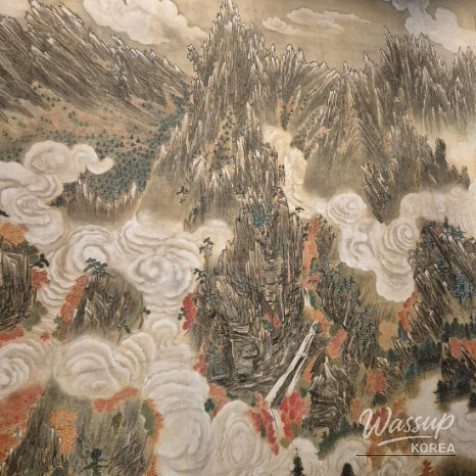
One of the most breathtaking pieces in the exhibition is the Geumgangsan Manmulchoseunggyeongdo (Panoramic View of Mt. Geumgang). Originally housed in Heejungdang, this mural captures the majestic energy of the mountain's twelve thousand peaks. The sheer scale and meticulous detail of the work create a different feeling when viewed up close, making you feel as though you are wandering through a mountainous utopia that blends Eastern and Western influences.
Samseongwanpado: Three Immortals and Eternal Life
Another highlight is Samseongwanpado, which depicts three immortals viewing the waves. While the waves themselves are hypnotic, the true fun lies in reading the accompanying explanations of the immortals' conversation. They boast about their immense age in a way that feels surprisingly childish, comparing their lifespan to mayflies. It’s a humorous reminder of the human—or immortal—desire for longevity that permeated royal court culture.
Hidden Meanings in Sunrise and Sacred Birds
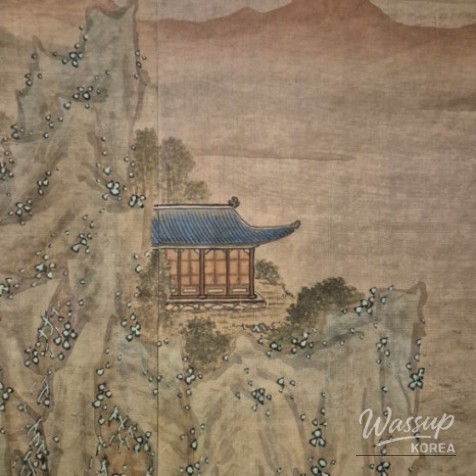
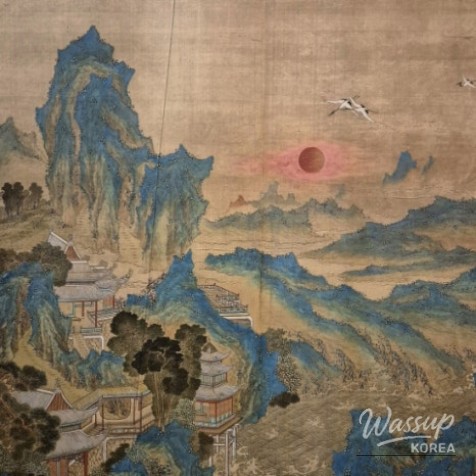
The east side of Gyeonghunggak was once decorated with Joilseongwando (Sunrise Over the Eastern Sea). While the rising sun dominates the vast landscape, looking closely reveals hidden symbols of good fortune, such as turtles, peaches, and pavilions of immortals. Finding these small details adds an interactive layer to the viewing experience, rewarding those who take the time to linger.

Phoenixes, Cranes, and the Artist's Process
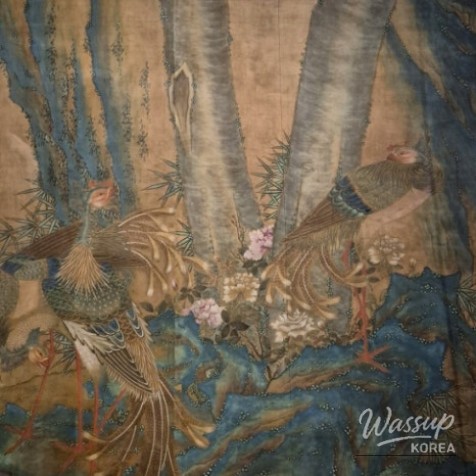
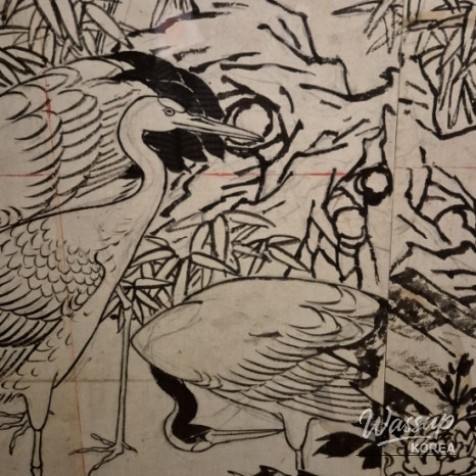
The exhibition also features Bonghwangdo (Phoenix Painting) and Baekhakdo (White Crane Painting). These works, symbolizing peace and longevity respectively, are incredibly gorgeous. However, the preliminary sketches (Chobon) for Baekhakdo are perhaps even more interesting. They reveal how the artists added elements like the moon and clouds during the final stages to make the composition richer, showing the creative evolution of the court painters.
Royal Furniture: The Art of Genuine Embellishment
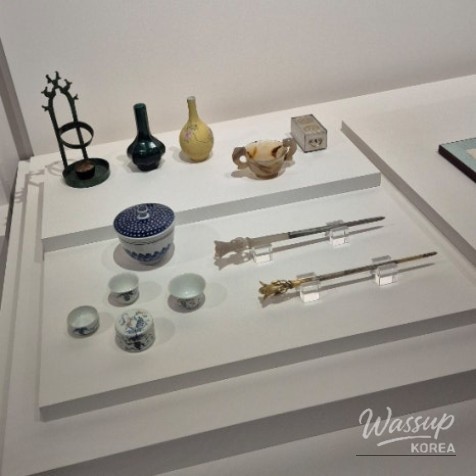
Part 2 of the exhibition shifts focus to royal furniture and accessories. Despite being described as "elegant and neat," the intricate mother-of-pearl inlays and delicate drawings suggest a nation with a genetic predisposition for excessive embellishment. Accessories made of pearl, coral, and jade remain stunningly beautiful even centuries later. These items were handled with such care that they were stored in silk cloths and boxes just to prevent a single scratch.
Irworobongdo: A Permanent Royal Icon
While visiting the special mural exhibition, don't miss the permanent halls featuring Irworobongdo (Sun, Moon, and Five Peaks). This iconic screen, which always stood behind the King’s throne, remains a favorite for many. It serves as a perfect conclusion to a tour of the National Palace Museum, highlighting the consistent themes of balance and cosmic order in Korean royal art.
Photogallery: Treasures of the National Palace Museum
Which mural do you think best captures the spirit of a royal utopia—the grand peaks of Mt. Geumgang or the hidden peaches and turtles in the sunrise painting? If you're planning a visit to the National Palace Museum of Korea, would you like to know the best route to take through nearby Gwanghwamun or Seochon Village to complete your day of Seoul healing?
No comments yet.