A Day Trip to Yongmunsa Temple in Yangpyeong: Nature, History, and Healing Near Seoul
782 Yongmunsan-ro, Yongmun-myeon, Yangpyeong-gun, Gyeongsangdo
용문사



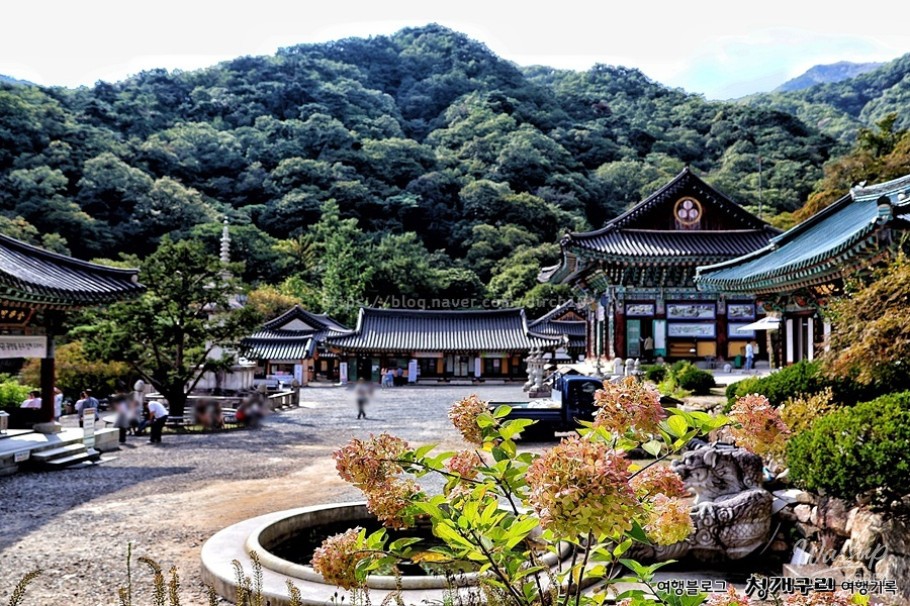
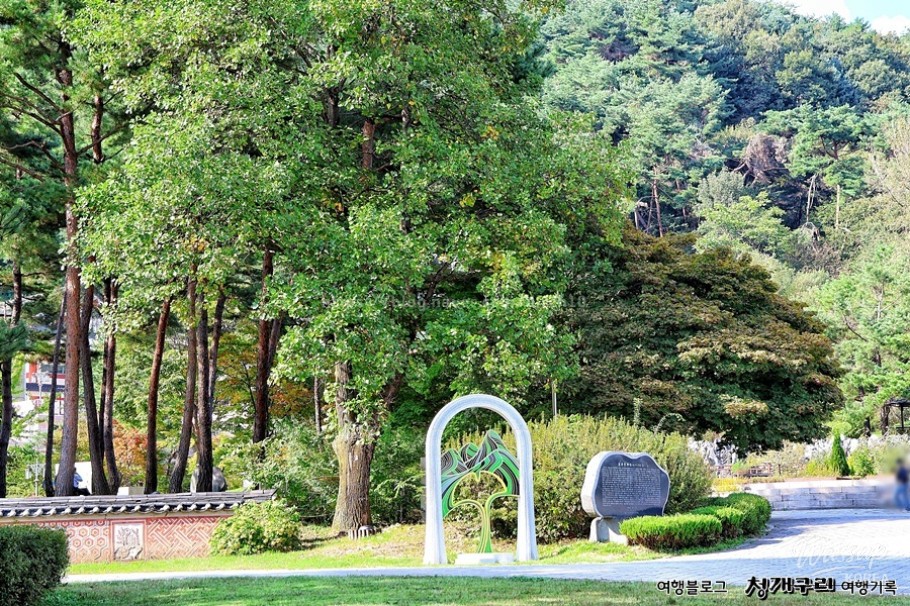
Escape the hustle of Seoul for a refreshing getaway at Yangpyeong Yongmunsa Temple (용문사). Known for housing a legendary 1,000-year-old ginkgo tree, this destination offers a perfect blend of nature and spiritual tranquility. The well-paved trails and the soothing sounds of the nearby stream make it an ideal date course or a light family outing, especially during the vibrant autumn foliage season.
Whether you're visiting for the golden yellow leaves in late October or the lush green canopy of summer, the journey to the temple is a healing experience in itself. From the scenic "water sound path" to the majestic presence of the ancient ginkgo tree, every step provides an opportunity to recharge. Explore the historic Daeungjeon Hall and the charming hillside shrines while enjoying the fresh mountain air of Gyeonggi-do.
Healing Stroll Along the Water Sound Path
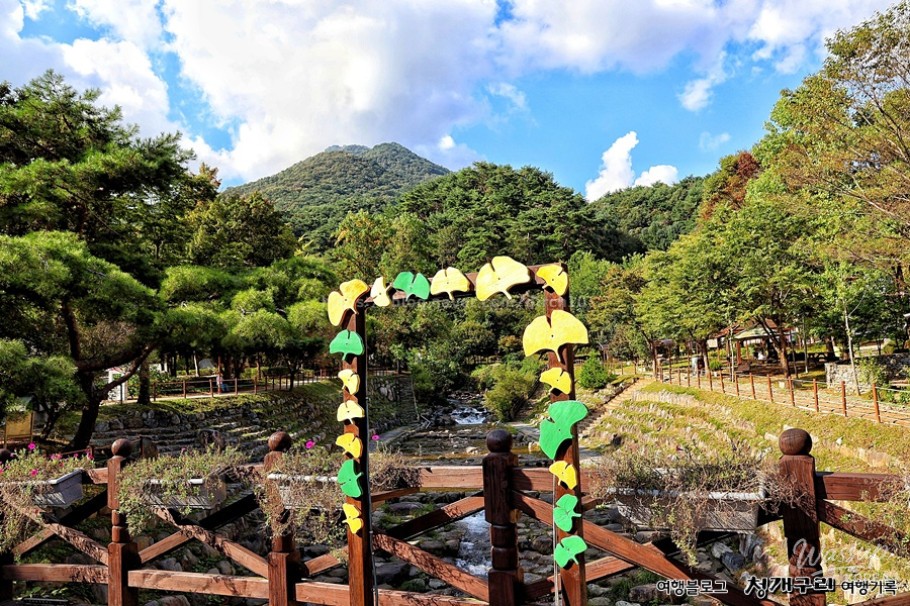
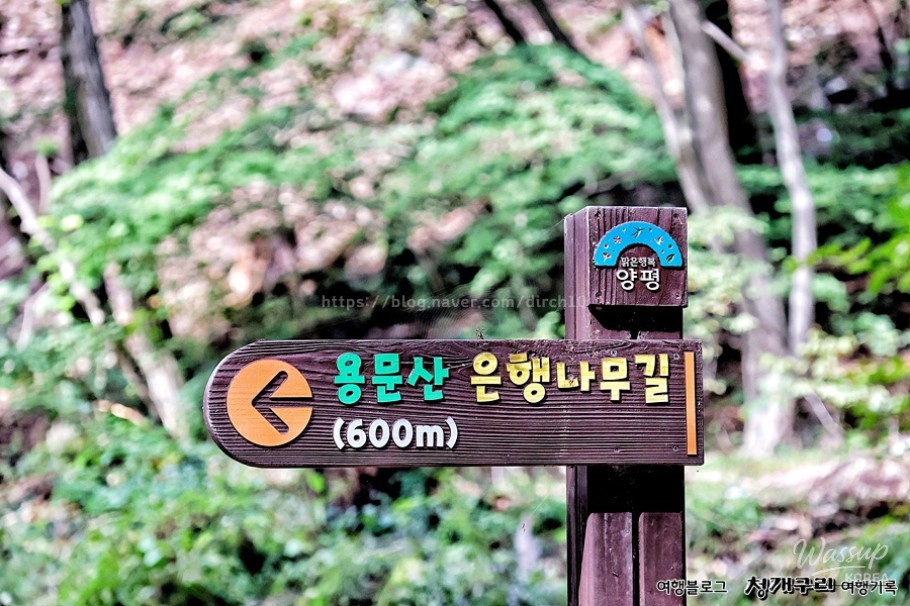
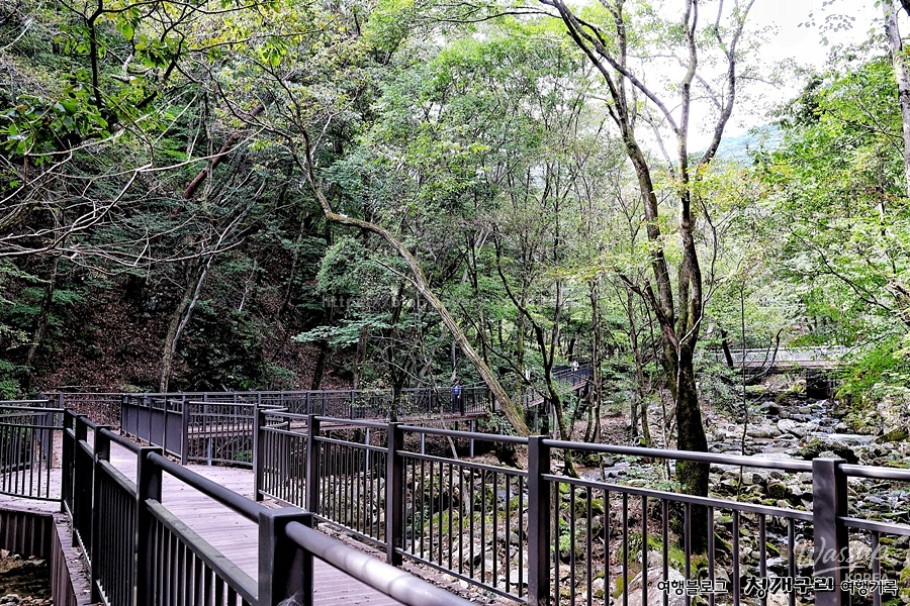
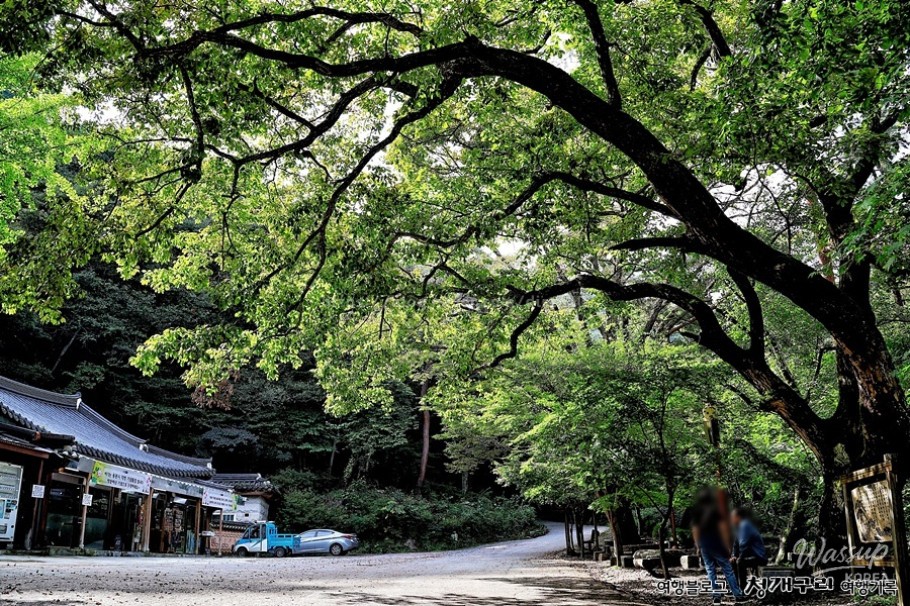
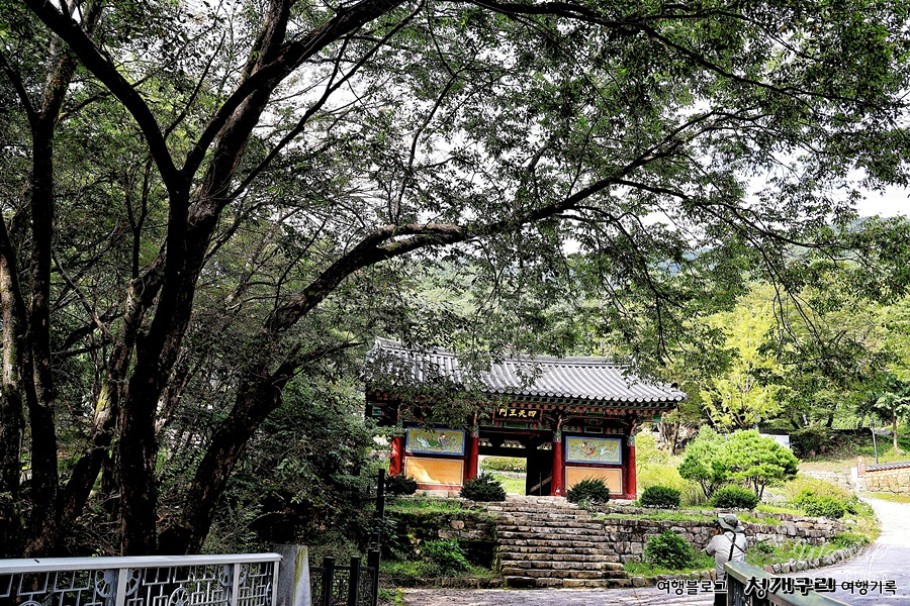
The journey to Yongmunsa Temple begins with an 800-meter walk from the parking lot to the Iljumun Gate. For a more nature-friendly experience, follow the newly created 'water sound path' along the valley stream. The refreshing sound of flowing water, particularly after a rainy day, serves as a natural soundtrack that instantly melts away daily stress. This gentle incline is manageable for everyone, including elderly visitors and families with young children.
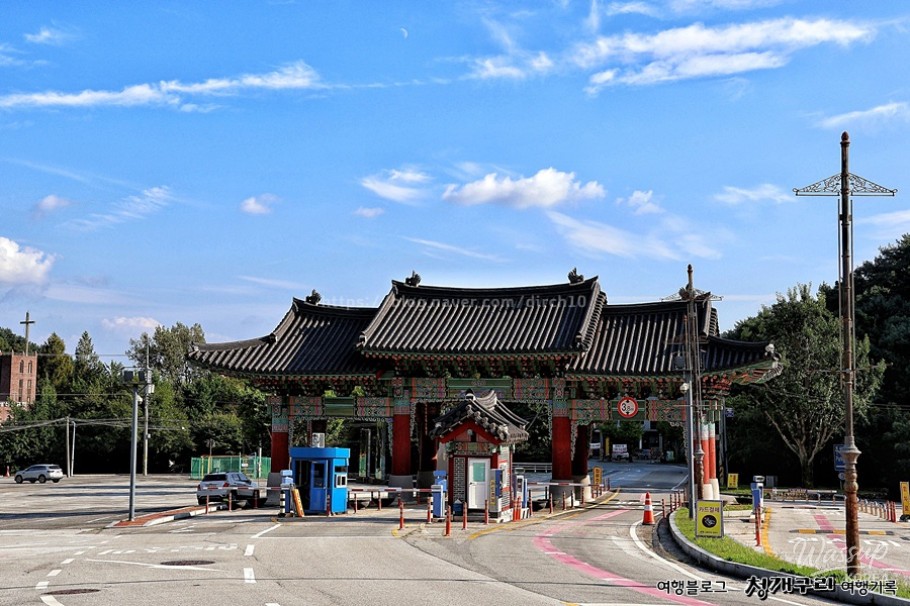
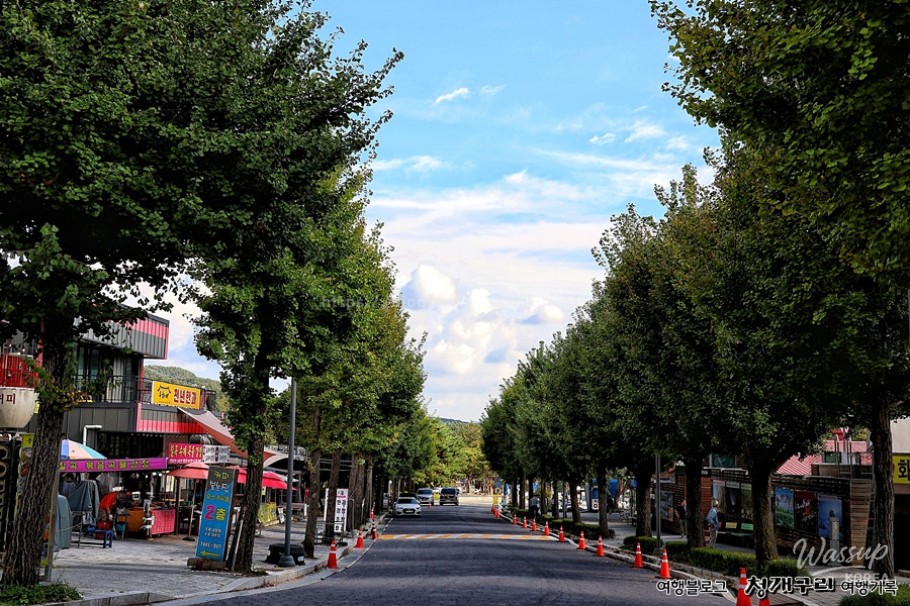
During the warmer months, the surrounding tourist complex becomes a popular spot for valley water activities. The shallow, clear streams are perfect for kids to splash around. As you walk slowly uphill, you'll pass through the Four Guardian Kings Gate, signaling your entrance into the sacred temple grounds where the air feels noticeably crisper and cooler.
Meeting the 1,100-Year-Old Living Legend
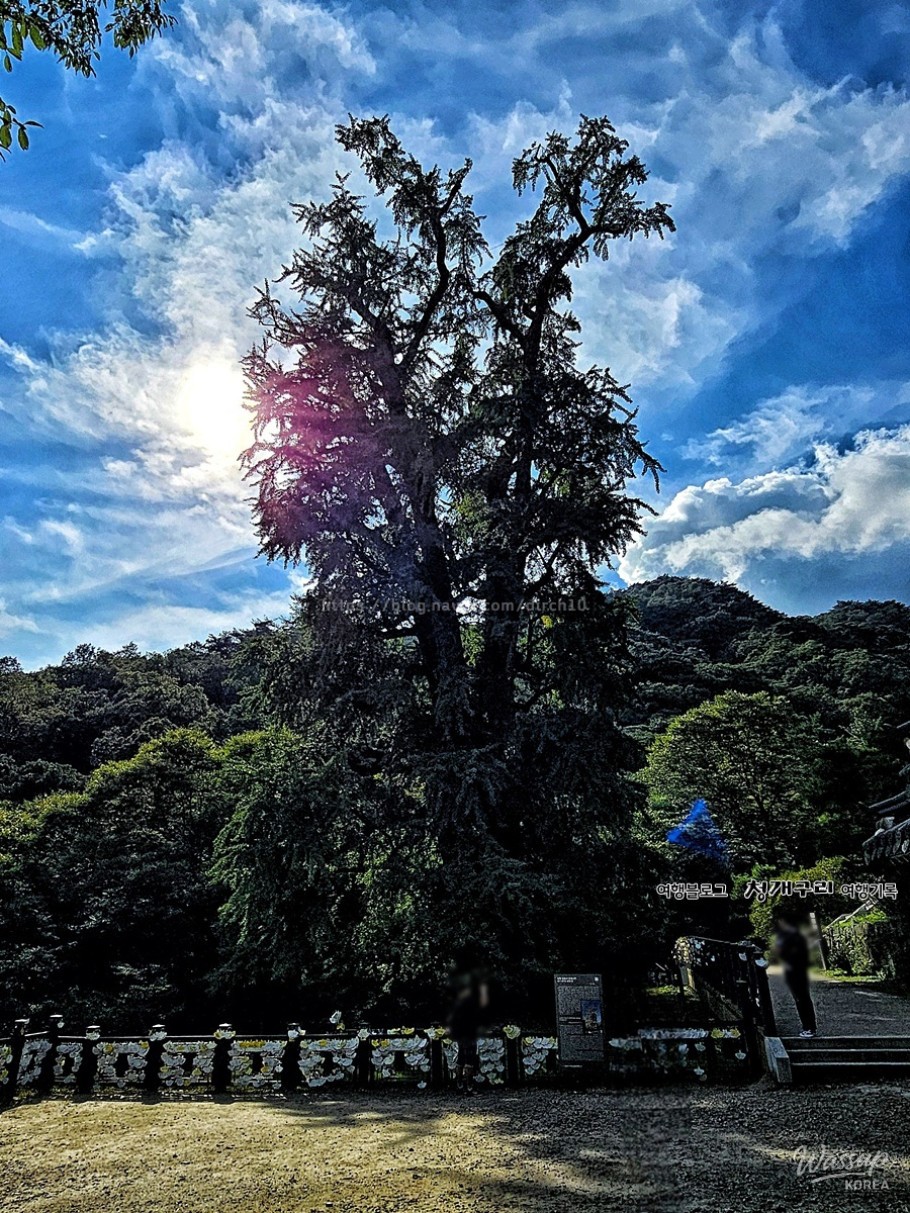
The star of the temple is undoubtedly the ancient ginkgo tree. Recent surveys estimate its age to be over 1,019 years, making it a living monument of Korean history. Unlike many wide-spreading ginkgo trees, this one grows tall and slender toward the sky. To capture its full grandeur in a photo, you'll need to step back quite a distance. In late October, it transforms into a massive pillar of gold, drawing thousands of visitors from across the country.
Exploring the Temple Grounds and Shrines
Climbing the stone stairs leads you to the Daeungjeon Hall (Main Buddha Hall), the spiritual heart of Yongmunsa. Inside, you can find the Golden Seated Avalokitesvara Bodhisattva, a statue known for its radiant brilliance even when viewed from afar. The temple courtyard, with its orderly pagodas and historical steles, offers a serene space for prayer and quiet reflection.
Hidden Gems: Chilseonggak and Sanryeonggak
Don't miss the smaller shrines located up the stairs next to the main hall, such as the Misojeon and Chilseonggak. The path is lined with adorable tiny dolls and figurines that add a touch of whimsy to the traditional setting. From these elevated spots, you can get a unique bird's-eye view of the giant ginkgo tree and the surrounding Yongmunsan mountain peaks.
Visitor Information and Practical Tips
Yongmunsa is highly recommended for dog owners, as many visitors enjoy walking the well-paved trails with their pets. Parking is spacious and costs ₩3,000 for standard cars. If you're looking for a deeper immersion, the temple also operates a popular temple stay program, allowing you to wake up to the sound of the stream and the morning bell.
On your way down, look out for hidden waterfalls that often appear after a heavy rain. The sound and sight of the cascading water add a magnificent touch to the descent. Whether you're visiting to pray for your family's health or simply to enjoy a walk in nature, Yongmunsa Temple stands as a beautiful showcase of Korea's mountain temple culture.
Photo Gallery: The Soul of Yongmunsa
Are you ready to witness the golden transformation of the 1,000-year-old ginkgo tree this autumn? Would you prefer a quiet morning walk along the "water sound path" or an overnight stay to truly experience the temple's tranquility? If you're planning a visit, would you like me to find the best local restaurants in Yangpyeong for a post-hike meal, or check the current foliage forecast for Gyeonggi-do?
No comments yet.