A Day Trip to Ganghwa Island: Temples, History, and a Change of Plans
37-41 Jeondeungsa-ro, Gilsang-myeon, Ganghwa-gun, Incheon
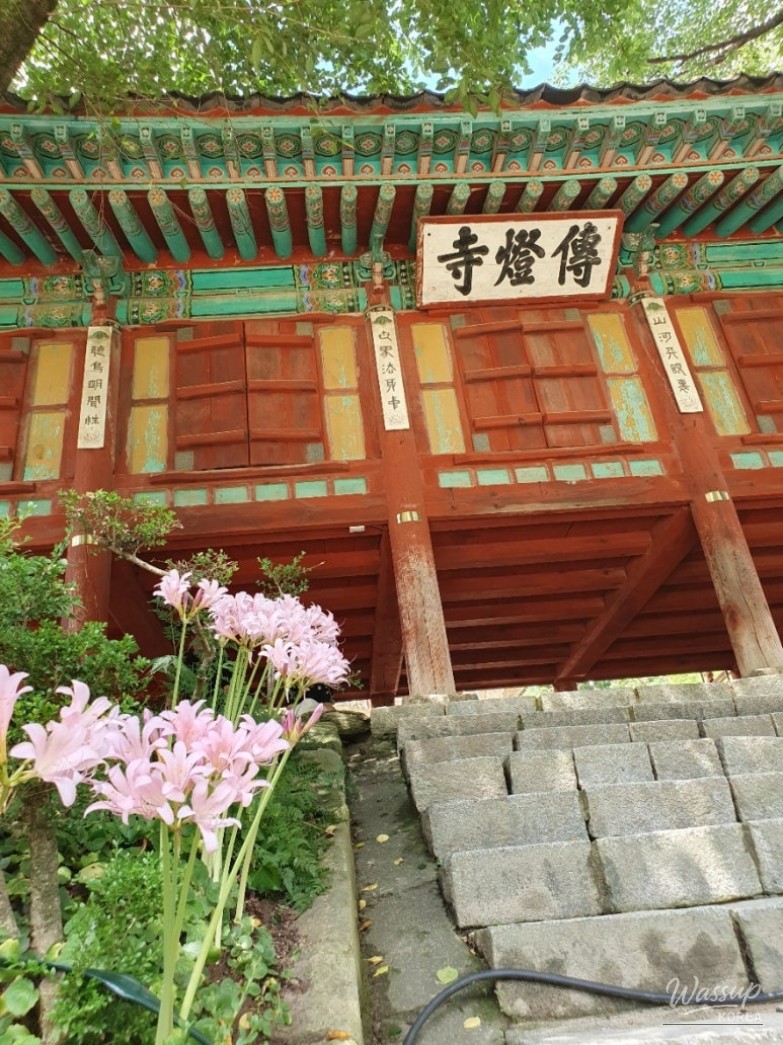
전등사



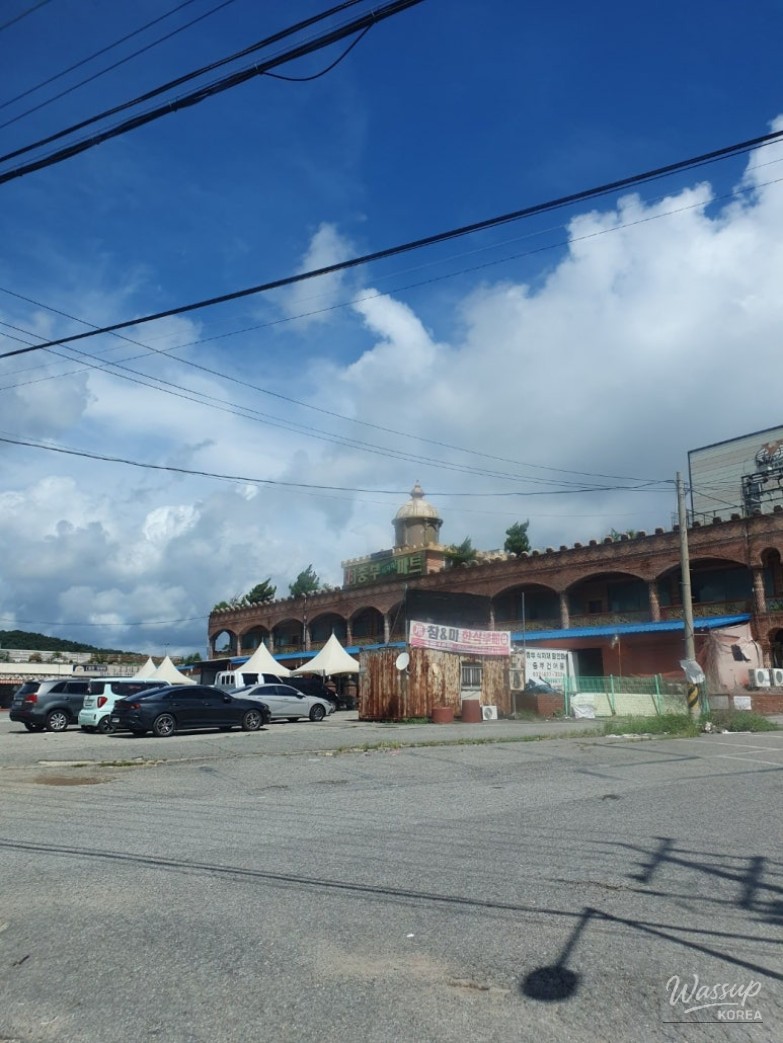
To escape the weekend blues and the summer heat, I embarked on a spontaneous journey to Jeondeungsa (전등사) on Ganghwa Island. Inspired by reading Park Ji-won’s 'The Jehol Diary,' I decided to record this trip, proving that even a car-free traveler can enjoy the refreshing landscapes of Incheon’s most famous island.
From riding the unique Gimpo Goldline subway to hiking along the ancient stone walls of Jeongjoksanseong Fortress, this trip was filled with historical reflections and scenic beauty. Join me as I explore the Goryeo-era temple grounds, visit the former palace sites, and enjoy a quiet moment at a traditional tea house.
Getting to Ganghwa Island Without a Car
Traveling to Ganghwa has become much easier with the Gimpo Goldline. Starting from Gimpo Airport, this small four-car train offers a unique open feel, though the underground scenery is mostly dark. After reaching Gurae Station, I hopped on bus number 70, which headed straight toward Jeondeungsa Temple.
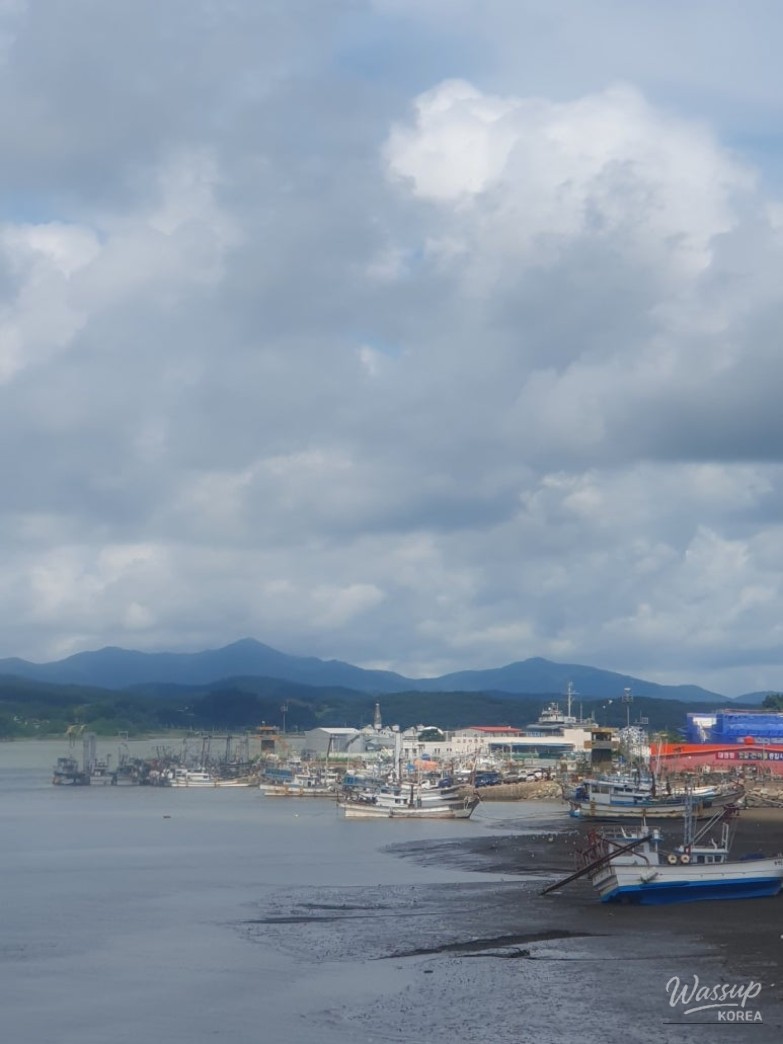
The view from the bus window was surprisingly exotic, reminiscent of Eastern Europe or Georgia. Despite being connected by bridges now, seeing the fishing boats scattered along the coast gave me a genuine sense of island travel. Before entering the temple, I enjoyed a classic bowl of sanchae bibimbap at a nearby restaurant to fuel my exploration.
Exploring the Goryeo-era Heritage of Jeondeungsa
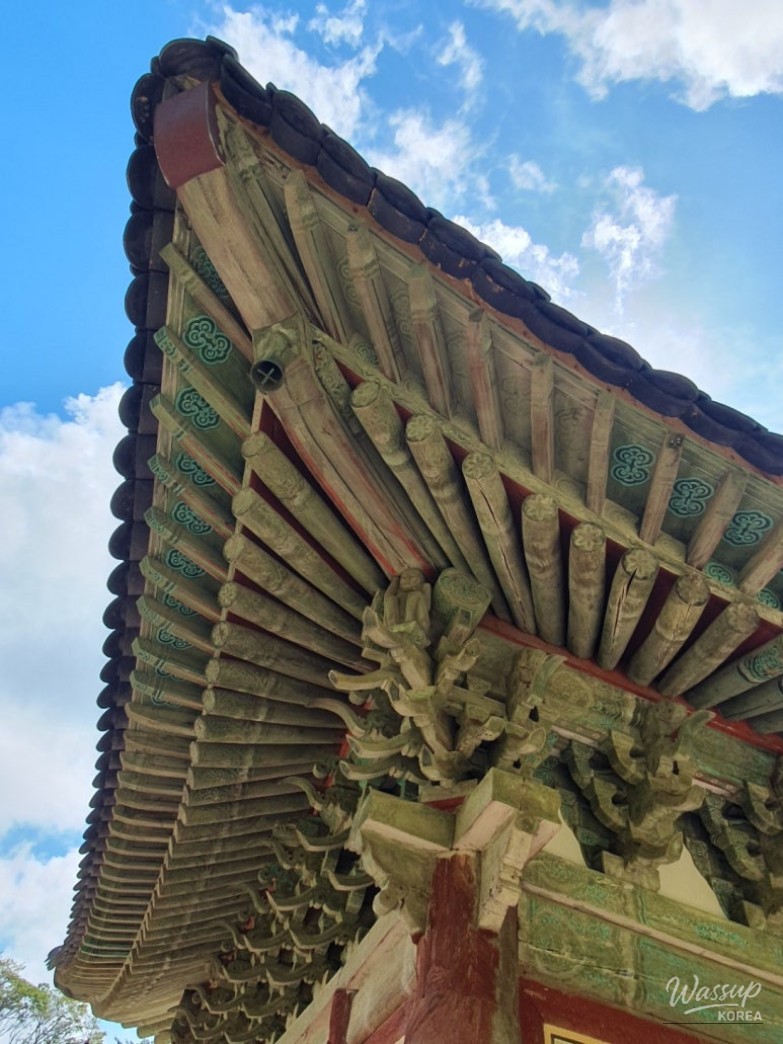
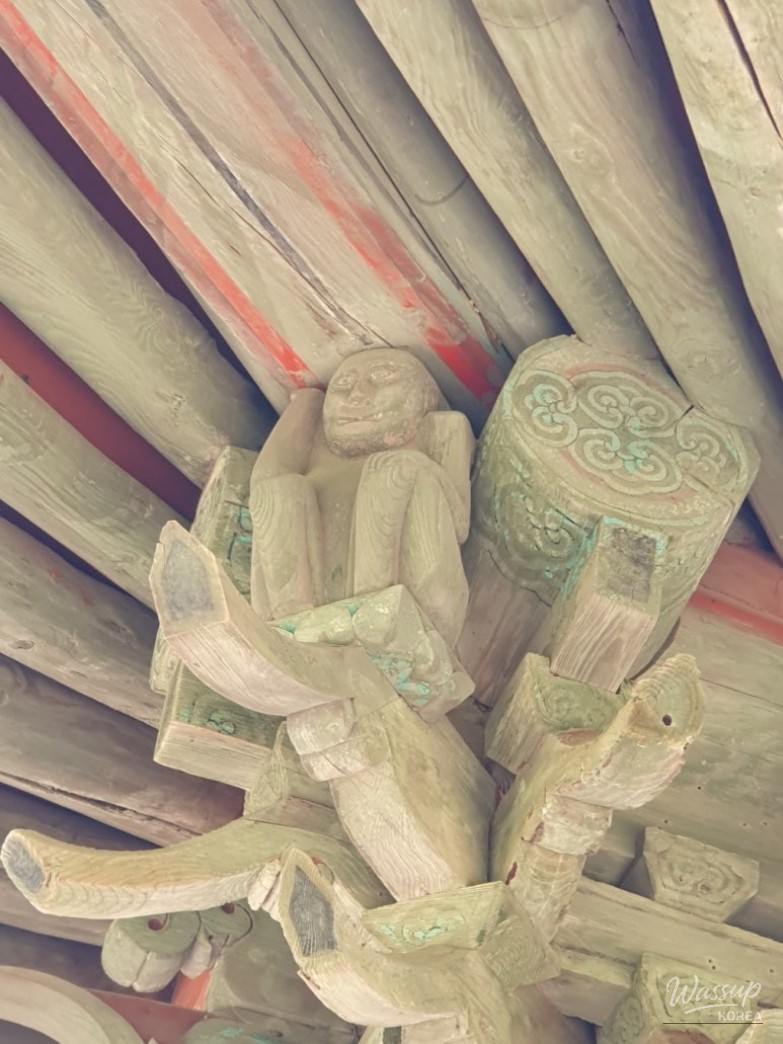
Jeondeungsa Temple is a site rich with history, dating back to the Goryeo Dynasty. Entering through the Daejoru gate, I was greeted by ancient trees and the poetic atmosphere of the temple grounds. Although it was crowded with tourists, the architectural details, like the eaves-supporting figures of Daeungjeon Hall, were captivating.
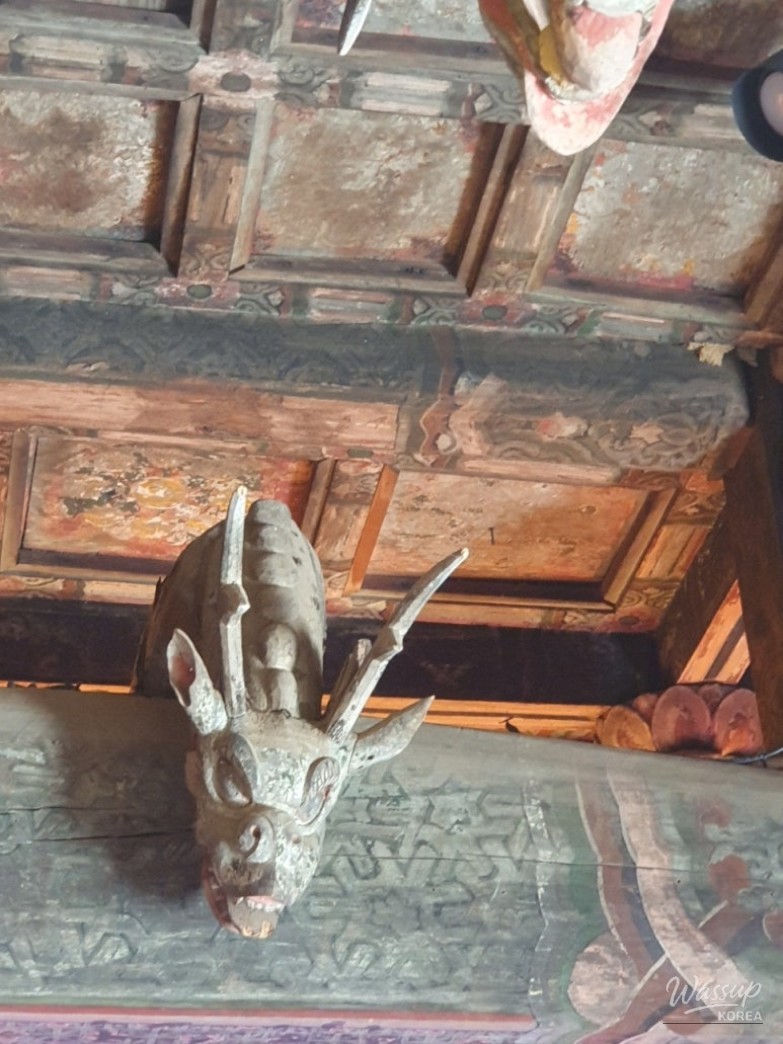
One of my favorite details was a small, adorable dragon carving on the temple structure—a perfect candidate for a future souvenir! For those seeking a quieter experience, the temple’s internal tea house offers a beautiful view, though visiting on a weekday is recommended to fully appreciate the serene ambiance.
Hiking the Jeongjoksanseong Fortress Wall
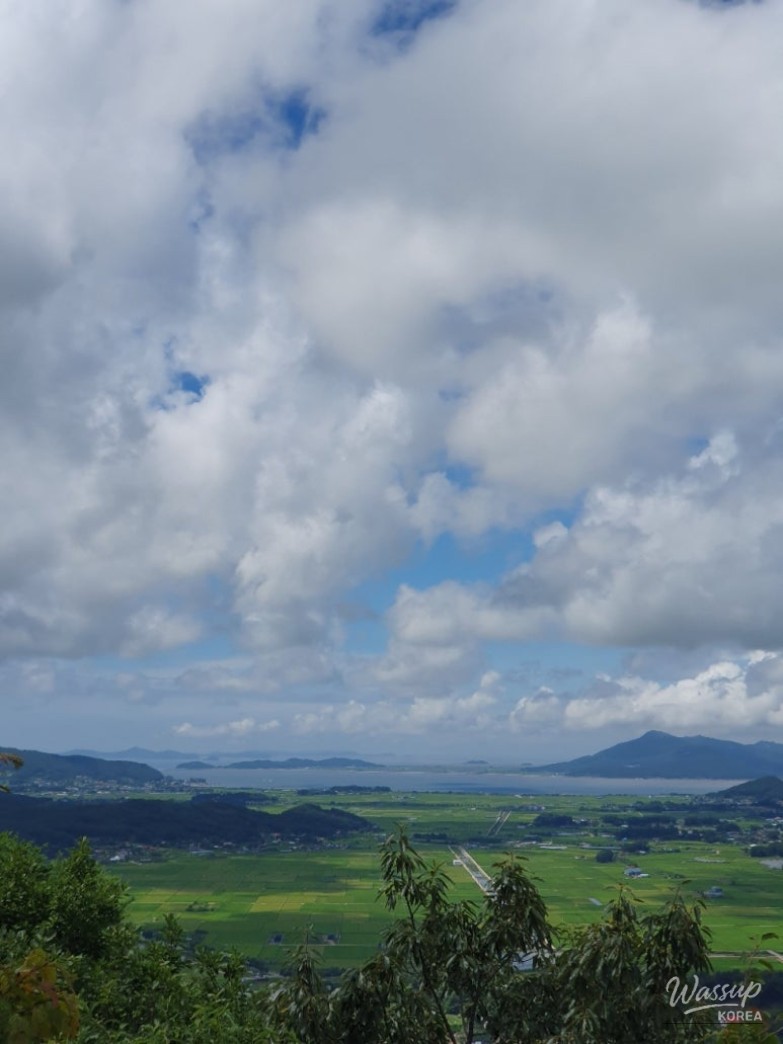
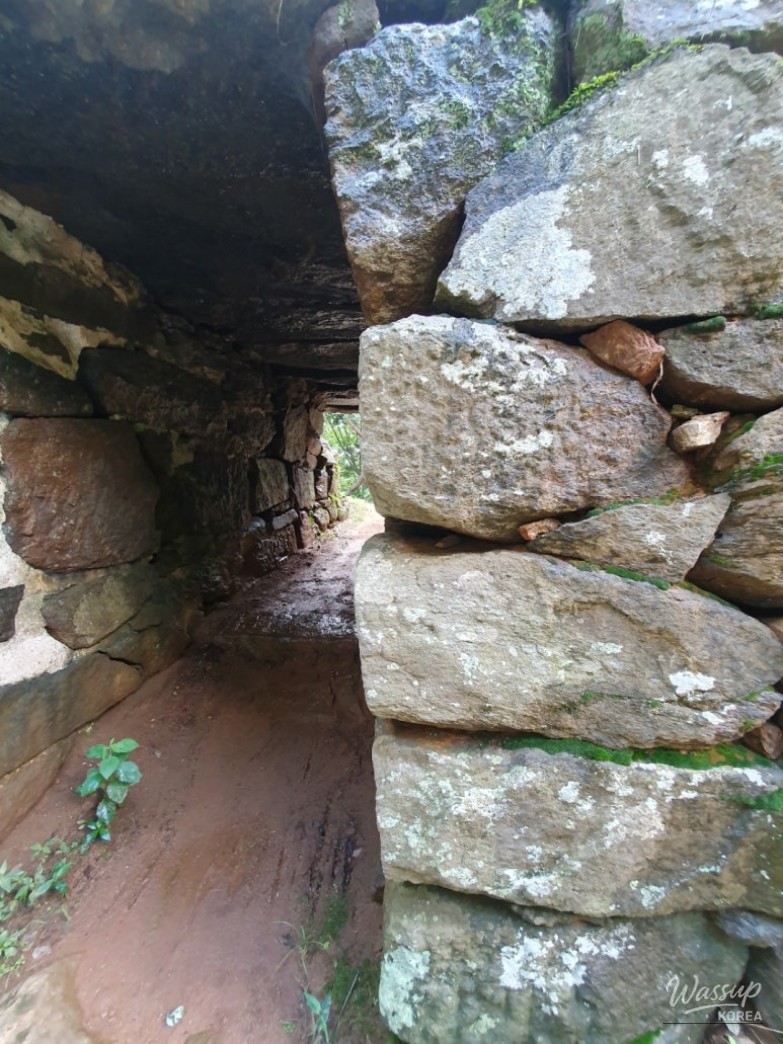
Beyond the temple buildings lies the Jeongjoksanseong Fortress. Hiking along these stone walls offers a panoramic view of the island that we had all to ourselves. Reflecting on 'The Jehol Diary,' I couldn't help but think of the laborious effort it took to build these stone structures compared to the standardized brickwork used in later eras like Hwaseong Fortress.
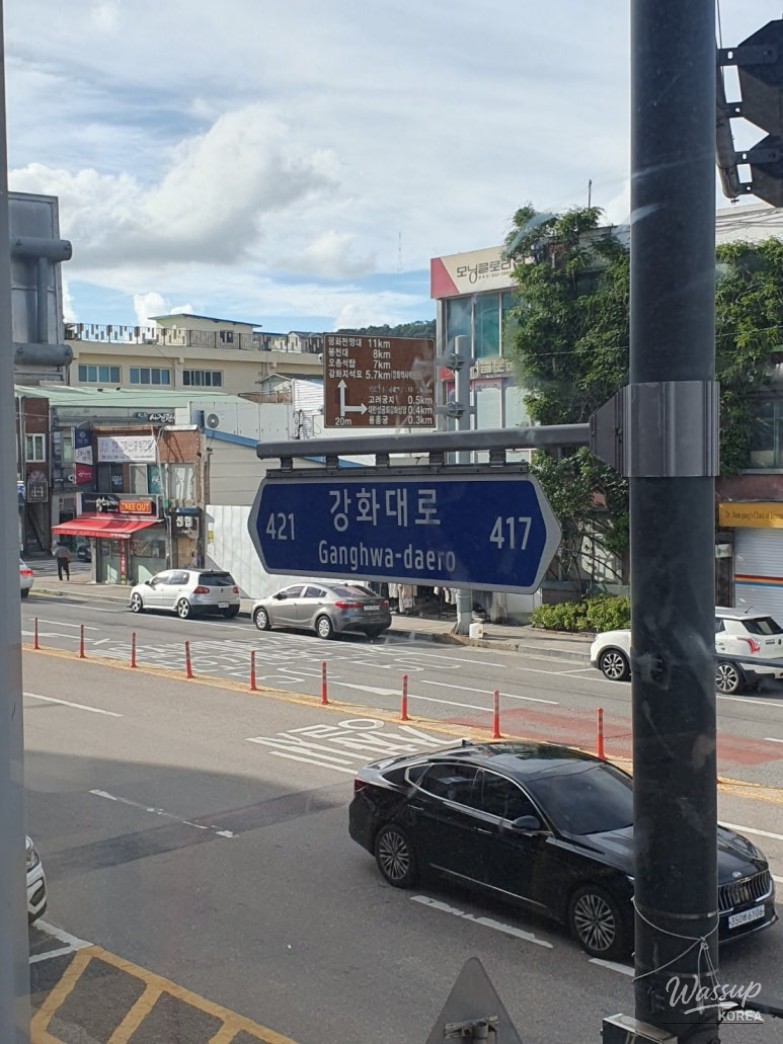
Historical Landmarks Around Ganghwa Terminal
My journey continued toward Ganghwa Terminal, where I visited several significant historical sites. Yongheunggung Palace, the former residence of King Cheoljong, offered a humble glimpse into royal life. Nearby, the Goryeo Palace Site featured beautifully maintained lawns and a peaceful atmosphere perfect for a slow walk.
I also stopped by a unique Anglican Church, built in a blend of traditional Hanok and Western styles. After battling the intense afternoon sun, a visit to a local literature museum provided a cool refuge. Ending the day with a simple burger at Lotteria near the terminal, I realized that while Ganghwa is a fantastic day-trip destination, it remains a place of historical gravity rather than just a quiet provincial home.
Have you ever tried a car-free day trip to a historical site like Ganghwa Island, or do you prefer the convenience of driving? If you're visiting Jeondeungsa, I also recommend checking out the nearby Ganghwa Luge for some thrill after your historical tour. What is your favorite 'healing' spot to visit when the summer heat becomes too much?
No comments yet.