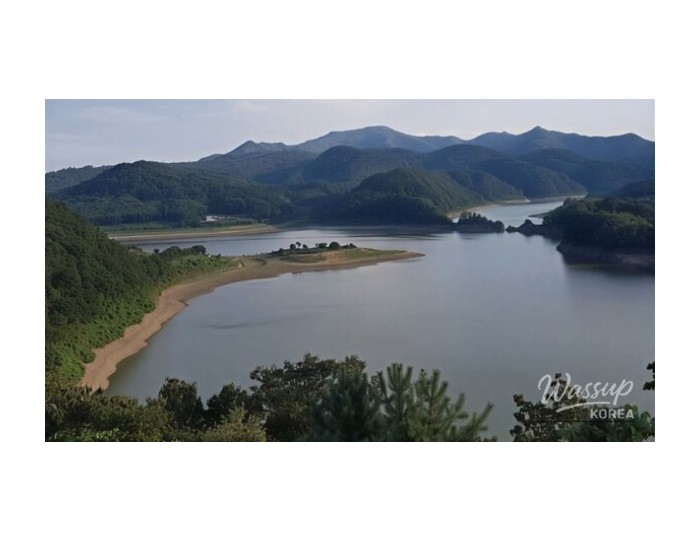
The Hidden Forest of Salt Marsh Plants at the Boundary of Land and Sea



At the boundary of land and sea, there exists a hidden forest that we may not have known about!
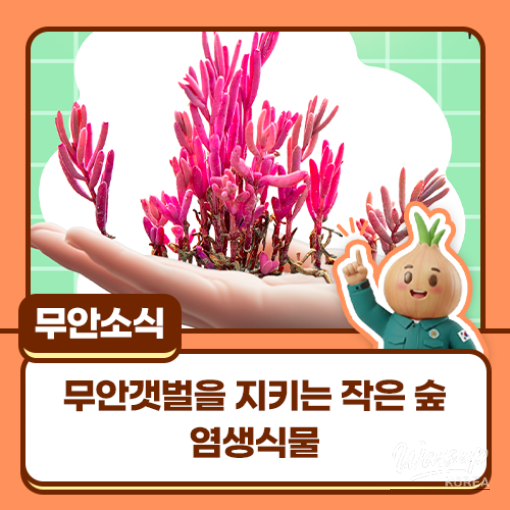
This forest is made up of 'halophytes.'
What are halophytes?
Halophytes are plants that possess unique adaptations allowing them to thrive in environments with high salinity, such as coastal mudflats and salt marshes.
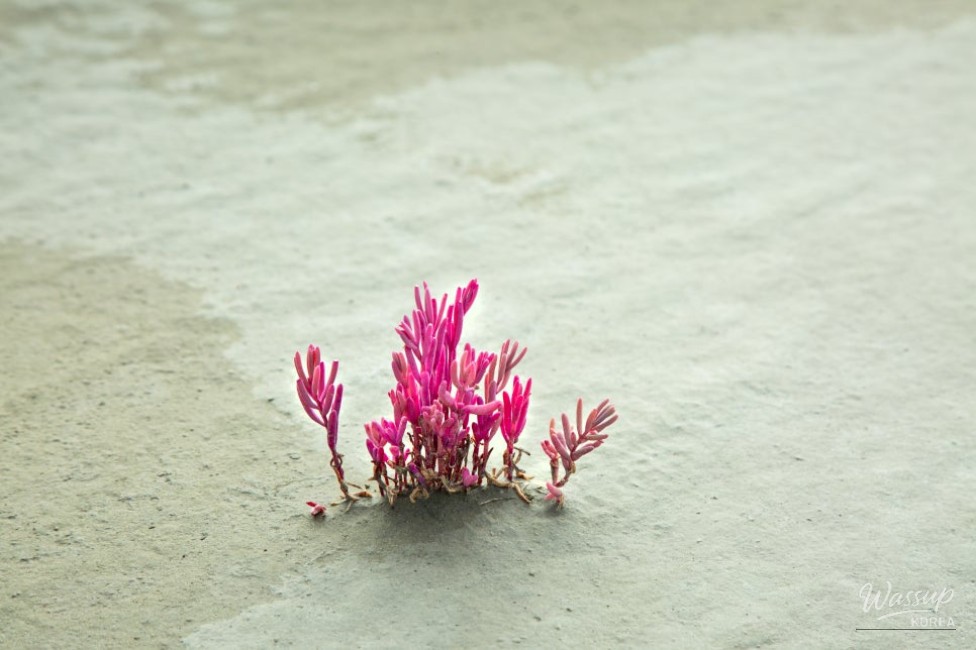
They take root in areas where regular plants struggle to grow, regulating their salt levels to survive.
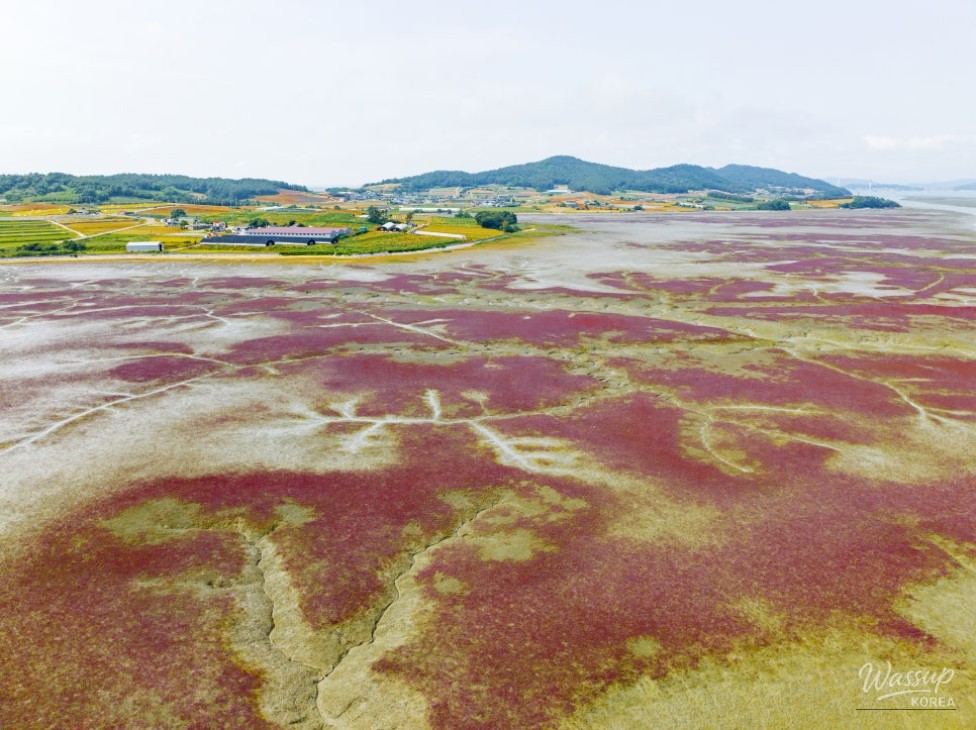
In the mudflats of Muan, Jeollanam-do, a variety of halophytes flourish.
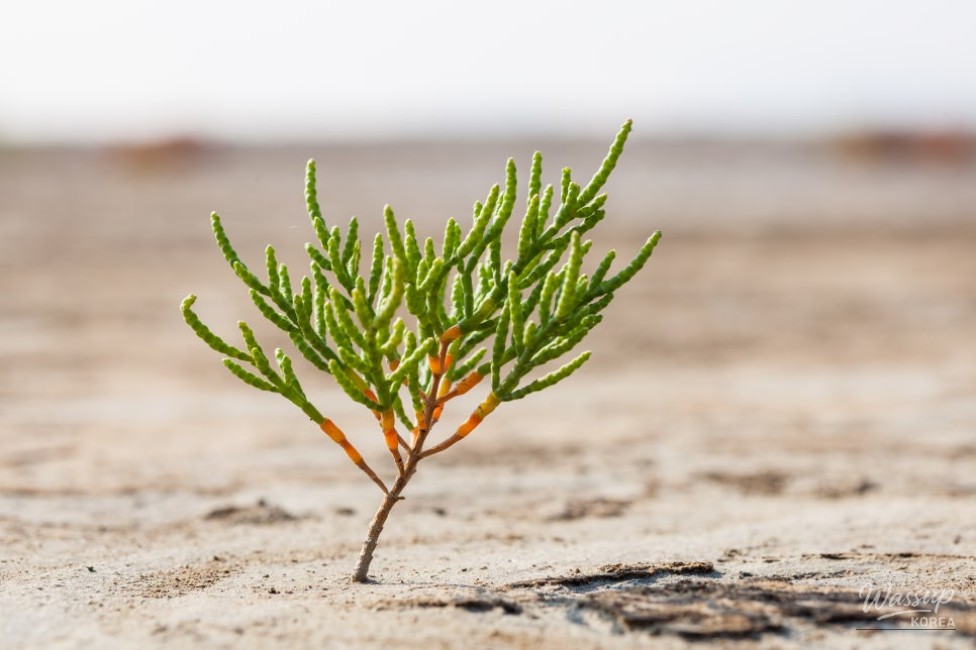
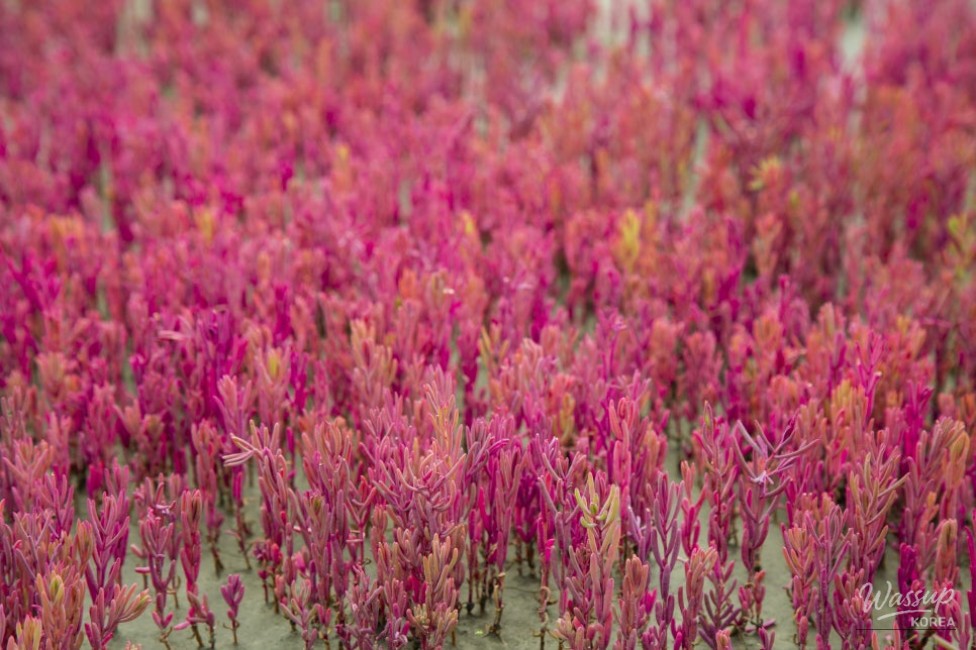
From the stunning red fields of Suaeda maritima to the uniquely shaped Salicornia, and even to the sea aster and bulrush.
These plants change in color and appearance with the seasons, transforming the mudflats into a living landscape.
Halophytes play a crucial role in climate change mitigation as they absorb and store carbon dioxide from the atmosphere, acting as a significant component of 'blue carbon.'
They also provide habitats for various species, supporting the ecosystem.
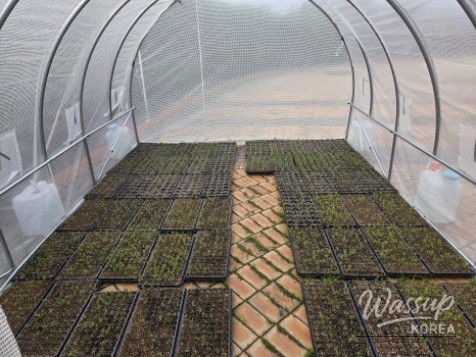
To ensure the continued preservation and expansion of halophyte habitats in Muan, the Muan Ecological Mudflat Project Office is actively engaged in seed collection, sowing, and planting efforts to foster a healthy mudflat ecosystem.
The plants we may have overlooked in the mudflats are quietly becoming a powerful force in protecting our planet.
How about taking a moment to appreciate the halophytes of the Muan mudflats?




Source :https://blog.naver.com/muan5231/224278721703
No comments yet.