The Legacy of Teacher Ju Se-bung in Haman
경상남도 함안군 칠서면 무릉길 77-1
무산사 주세붕선생 사당


14th SNS Reporter Choi Hong-dae
Ju Se-bung and the Confucian View of Politics and Scholarship
Quick Guide: Ju Se-bung and His Confucian Legacy
Ju Se-bung (1495–1554) was a prominent Joseon scholar and official, best known for founding the first Confucian academy (Seowon) in Korea, intertwining scholarship with political responsibility.
| Category | Key Details |
|---|---|
| Major Achievement | Founded Baegundong Seowon (1543), the first Seowon in Korea. |
| Tomb Location | Chilwon-eup, Haman, Gyeongsangnam-do (Designated Historic Site, 1976). |
| Political Ideal | Emphasized the ruler's responsibility over power and internal development. |
| Key Titles | Courtesy name: Gyeongyu (景游) / Pen name: Sinjae (愼齋). |
Historical Significance & Tomb Features
- Educational Pioneer: Established schools and shrines (An Hyang) to promote Confucian learning in local provinces.
- Unique Tomb Art: The tomb features a flower-crown shaped stele and guardian stones with philosophical inscriptions.
- Thought-Provoking Inscriptions: 'Who has no parents?' and 'Who is not a son?' are carved on the guardian stones.
- Lasting Influence: His integration of learning, virtue, and politics continues to be a subject of modern reflection.
Today, I would like to talk about Ju Se-bung, a notable figure from Haman. In contemporary academia, except for fields like political science, there seems to be a direct connection between politics and scholarship. However, in the past, Confucianism was learned in a way that intertwined politics and scholarship. It is said that such themes were frequently tested in the civil service exams.
Confucius clearly stated when discussing the rise and fall of politics: "When a ruler perceives his position as 'power' and exercises tyranny without anyone daring to oppose, that nation is surely on the path to ruin."

Ju Se-bung, who rests in Haman, was also the founder of the first Confucian academy. His establishment of the academy signifies his significant stature as a scholar. Ju Se-bung's clan is Sangju (尙州), his courtesy name is Gyeongyu (景游), and he is also known by the pen names Sinjae (愼齋) and Namgo (南皐).
Life, Career, and Historical Significance of Ju Se-bung
He was born in Chilwon after his family moved there from Goryeo during the late period of the Goryeo Dynasty. In 1522, he passed the special examination and later served in various positions, including as the head of the Office of Letters, the governor of Gangwon Province, and the mayor of Gonyang. His burial site was designated as a historic site in Gyeongsangnam-do in 1976.
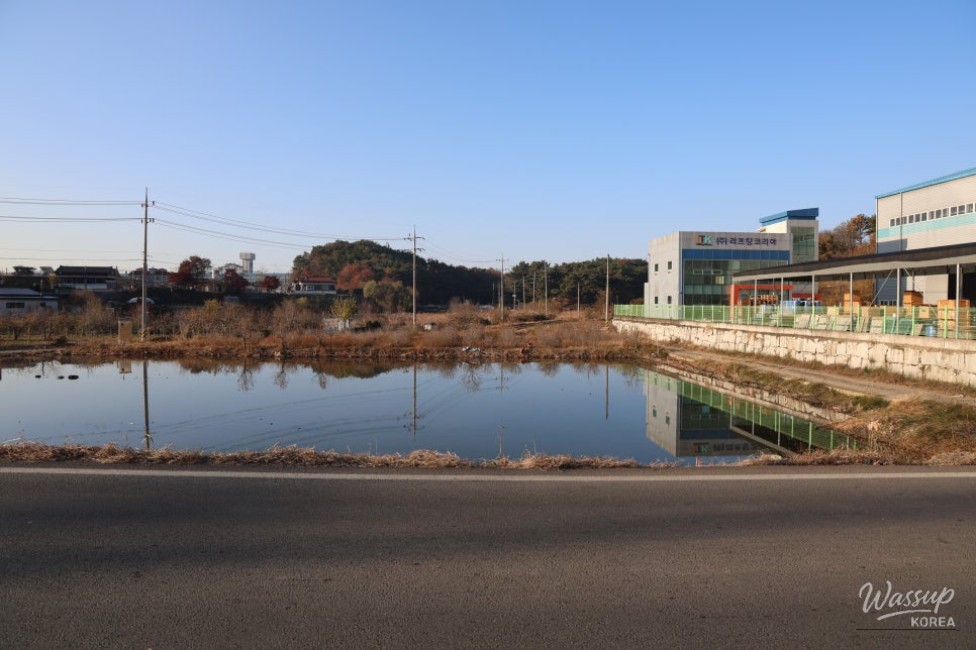
The tomb is located in a sunny spot and is the resting place for Ju Se-bung and his family. It has a unique atmosphere, reminiscent of a small royal tomb, exuding tranquility.
The mound of the tomb is circular, with a stele placed at the front center. The stele is in the shape of a flower crown, with lotus petals carved into the base. Another stele is positioned to the right of the mound, and unique inscriptions can be found on the guardian stones flanking the front.

Confucian Ideals and the Founding of Seowon Academies
For a long time, the teachings of Confucius and Mencius have emphasized that the role of a ruler should be viewed not as a position of power but as a responsibility. When a ruler prioritizes the welfare and stability of the people, the nation is sure to prosper.
The system that allows someone to become a ruler or noble simply by bloodline, without any effort or qualifications, contradicts the principles of Confucian public service. Ju Se-bung envisioned a world that pursued inner development.
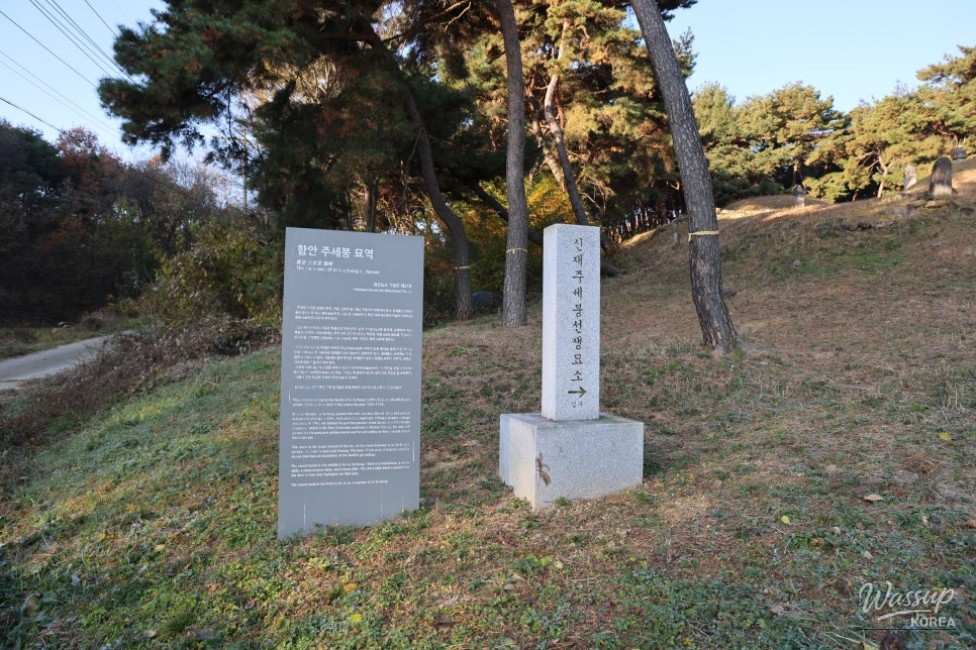
On the right guardian stone, the inscription reads 'Who has no parents?' and on the left, 'Who is not a son?'. In 1541, Ju Se-bung was appointed as the governor of Punggi, where he worked to establish a school, building a shrine for An Hyang in 1542. In 1543, he founded the Baegundong Seowon, the first Confucian academy in Korea.
Reflecting on the stories of the ancients holds profound truths about life. After establishing Baegundong Seowon, Ju Se-bung served in various roles, eventually becoming the governor of Hwanghae Province in 1551, where he established Su Yang Seowon.
Legacy and Modern Reflections on Ju Se-bung
It is meaningful when someone acts on their beliefs and is remembered by future generations. After his death, Ju Se-bung was honored at Deogyeon Seowon in Chilwon and was also commemorated at Baegundong Seowon.
The four core tenets of Confucius—learning, heaven, virtue, and politics—are all interconnected. He believed that breaking down barriers between people leads to genuine communication.

Visiting Haman early in the morning and paying respects at Ju Se-bung's tomb brings clarity to the mind. His political ideals and profound understanding of scholarship continue to influence us today. We must pursue inner growth in our respective positions and live with the right values and responsibilities. If our legacies positively impact future generations, that would indeed be a meaningful life.
No comments yet.