Exploring Ulsan Hyanggyo: A Journey Through Time



Traveling in the clear month of May, the sky immediately captures your attention.
It is particularly bright.
Perhaps it's because we are now in the middle of 2026.
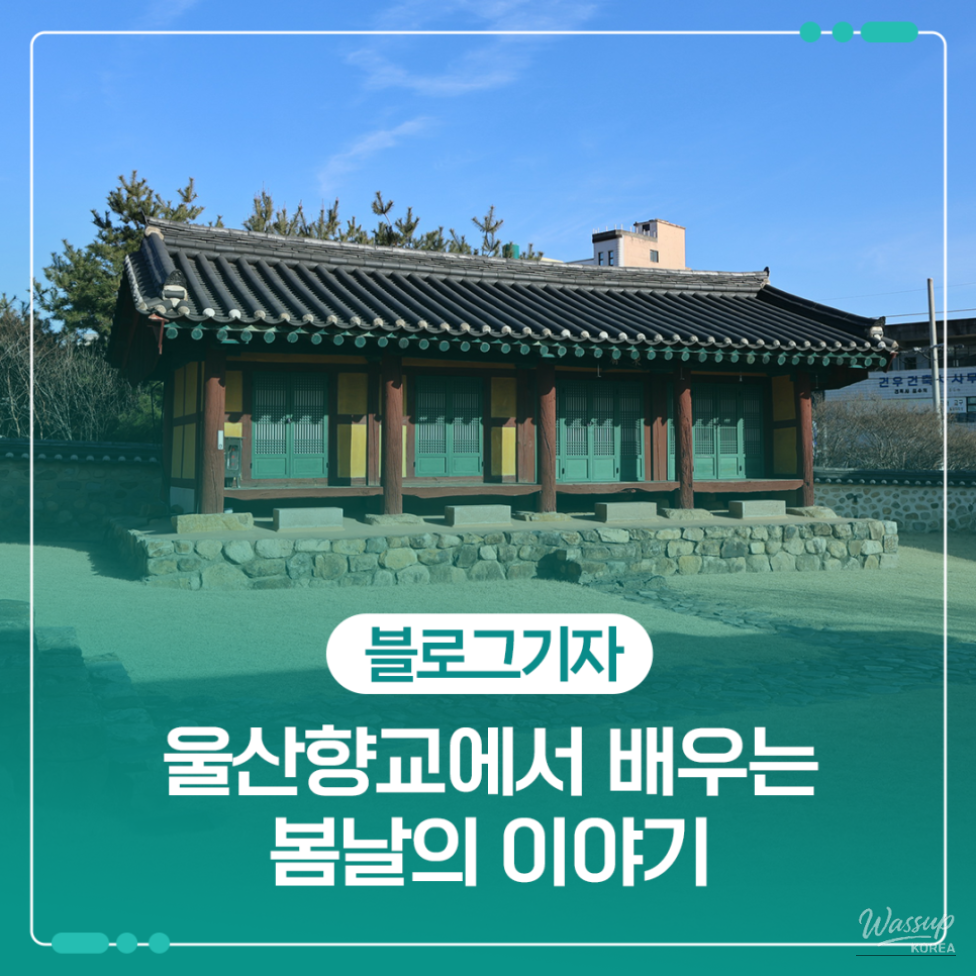
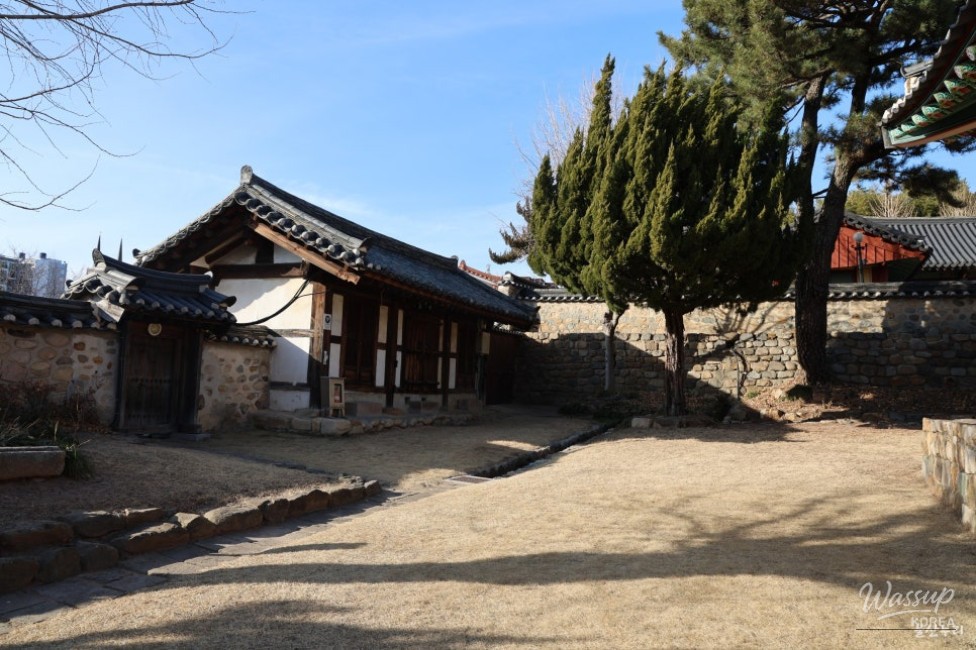
When you visit Ulsan Hyanggyo, the buildings below seem to have silently stood in their places for ages, without any explanation.
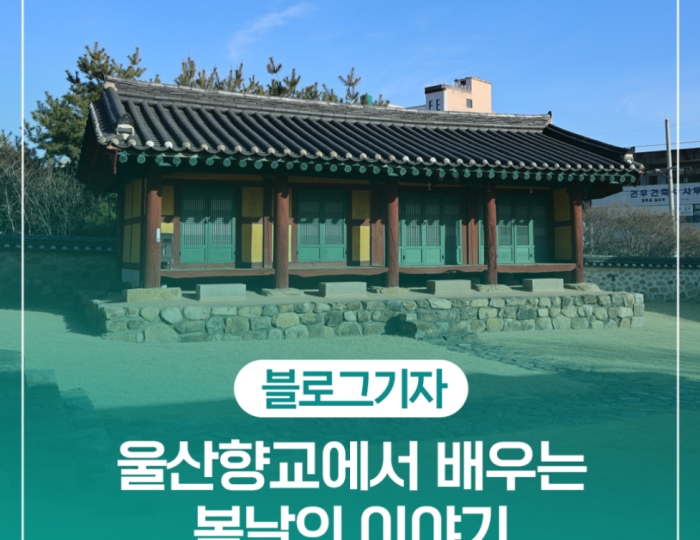
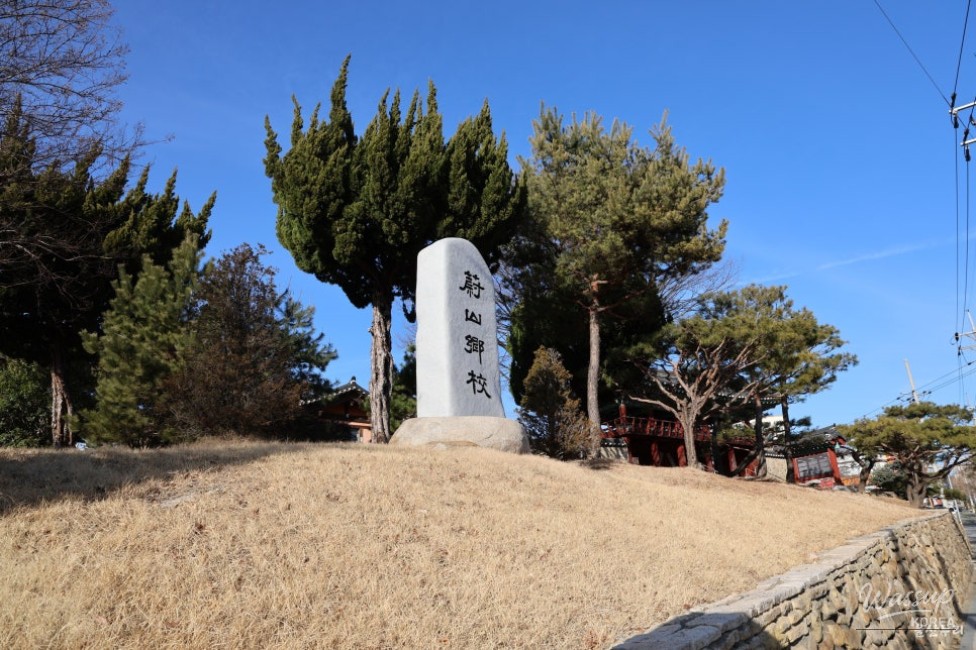
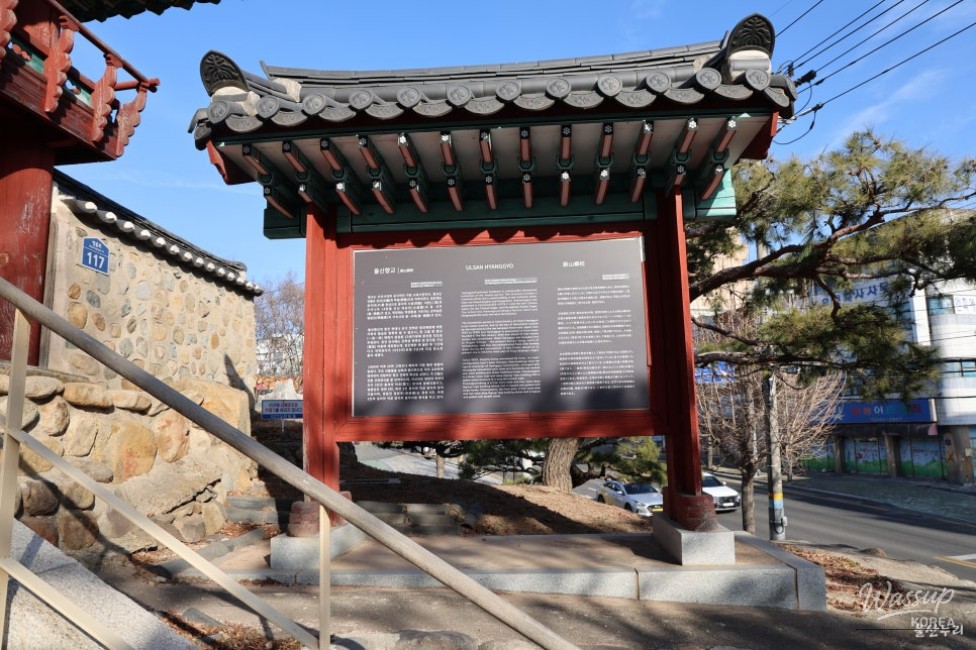
Ulsan Hyanggyo, located in Gyodong, Jung-gu, Ulsan, is a Confucian school from the Joseon Dynasty, designated as Ulsan's cultural heritage No. 7 in 1997.
While the exact date of its establishment and early history are unclear due to the loss of records during the Imjin War, it is believed to have been built around the 15th century when the one-gun one-hyanggyo system was completed.
Initially located in the current Banggu-dong area, it was relocated to its present site in 1652 after being destroyed during the Imjin War.
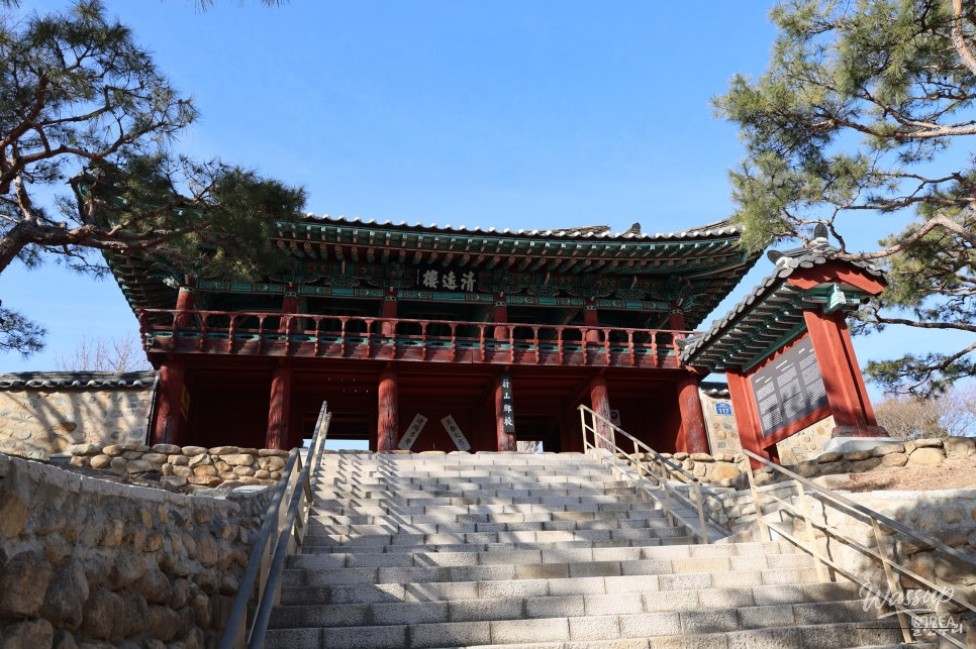
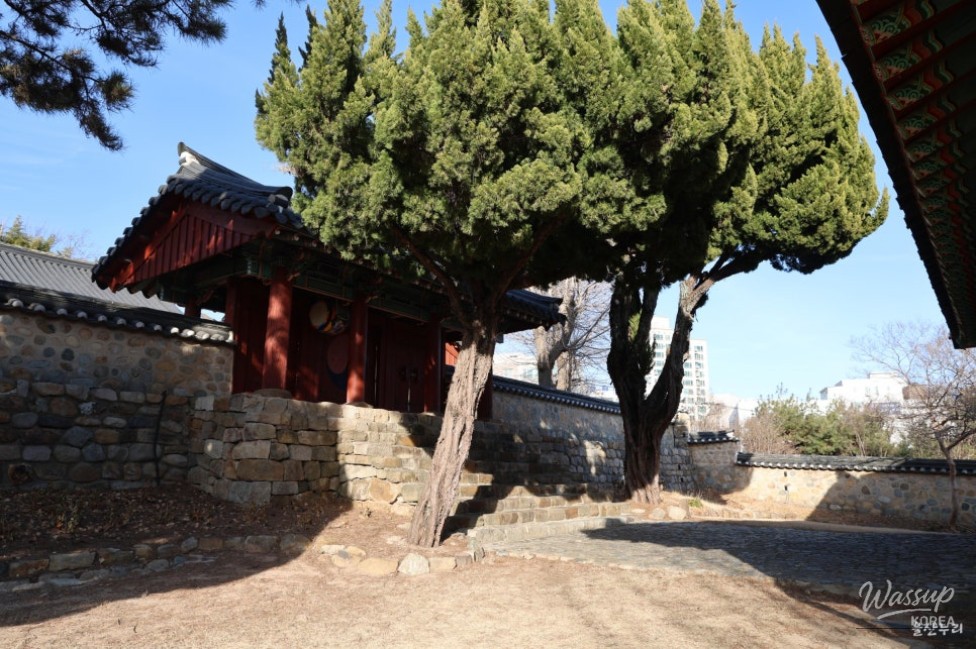
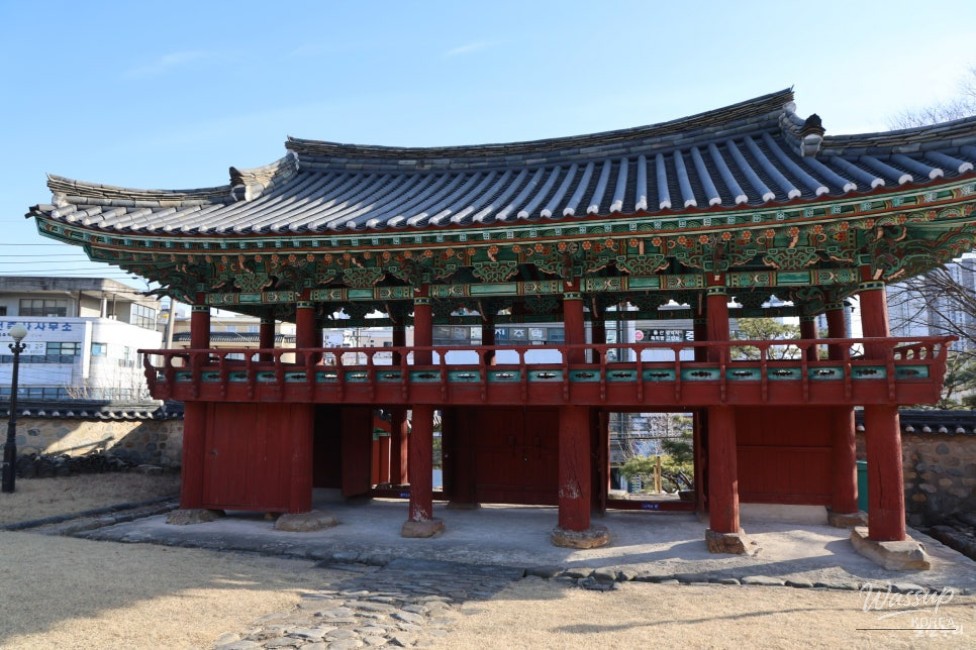
In 1711, during the 37th year of King Sukjong's reign, Governor Park Jing and local scholars built a gate tower, which later became known as Cheongwonru.
The long history of Ulsan Hyanggyo has accumulated over time.
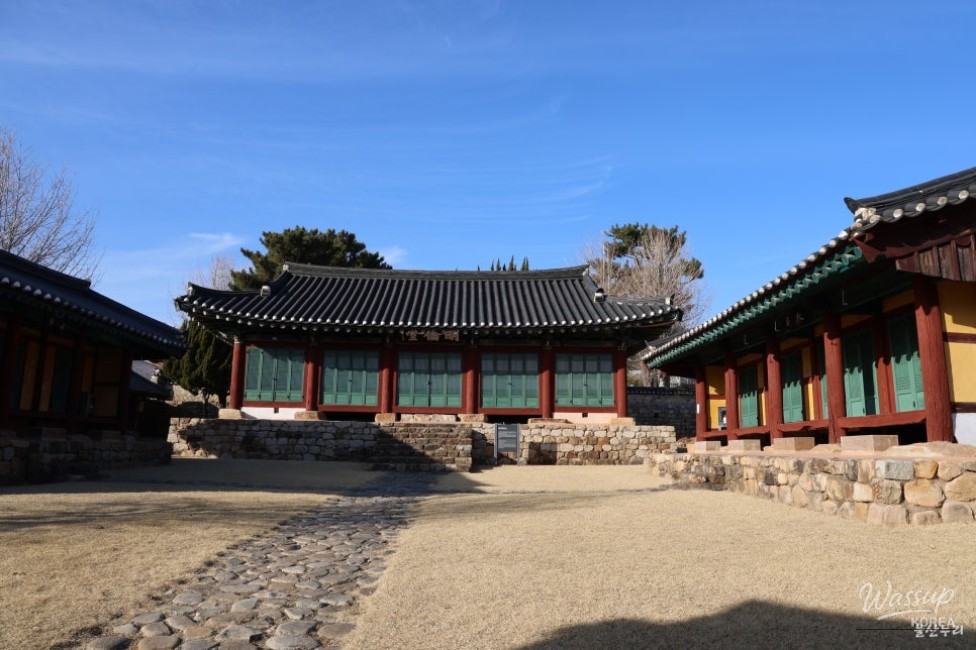
While the courtyard of Ulsan Hyanggyo is spacious, it strangely doesn’t feel empty. It feels as if it has been a significant place for a long time, not because of the absence of people, but because of the weight of time that has passed.
The entrance building to the hyanggyo is situated on a stone platform. Standing above it gives you a slightly elevated perspective.
This height feels less about authority and more about providing space for reflection. It encourages you to observe from a distance and make judgments more thoughtfully.
When visiting the hyanggyo, you will find it is not crowded. Instead, this tranquility allows you to feel more clearly what this space represents.
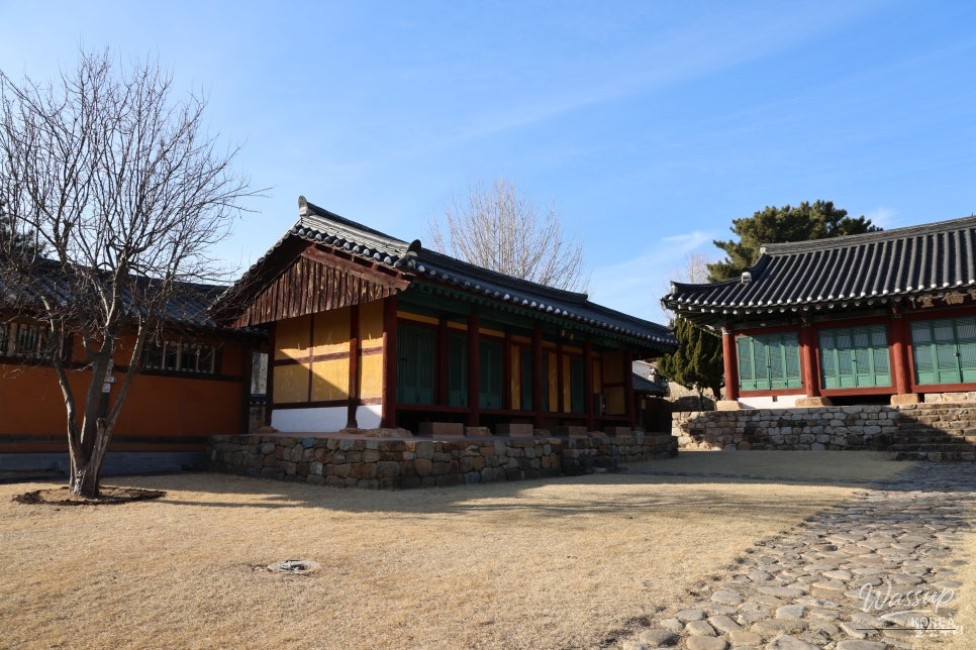
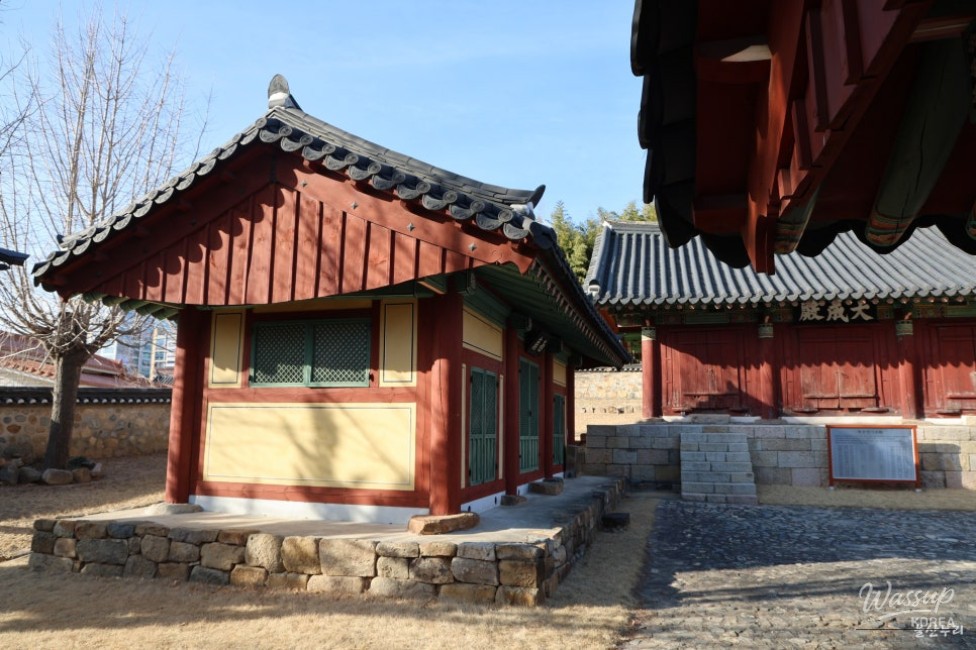
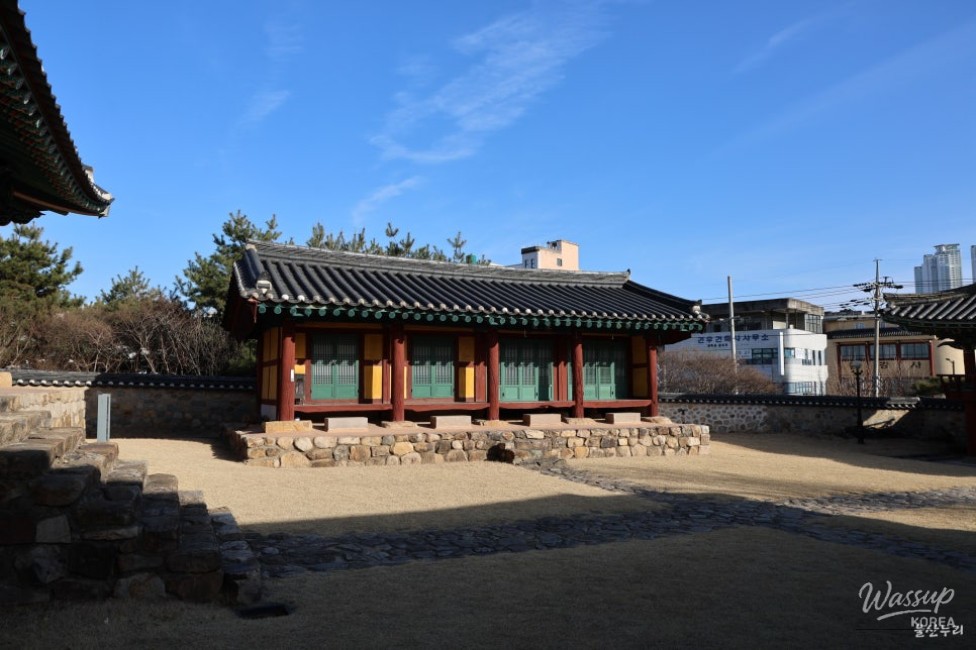
The hyanggyo served as an official local educational institution during the Joseon Dynasty, focusing on poetic composition and the study of Confucian classics. The buildings are mainly divided into the Munmyo (Confucian shrine) and the Hakdang (study hall).
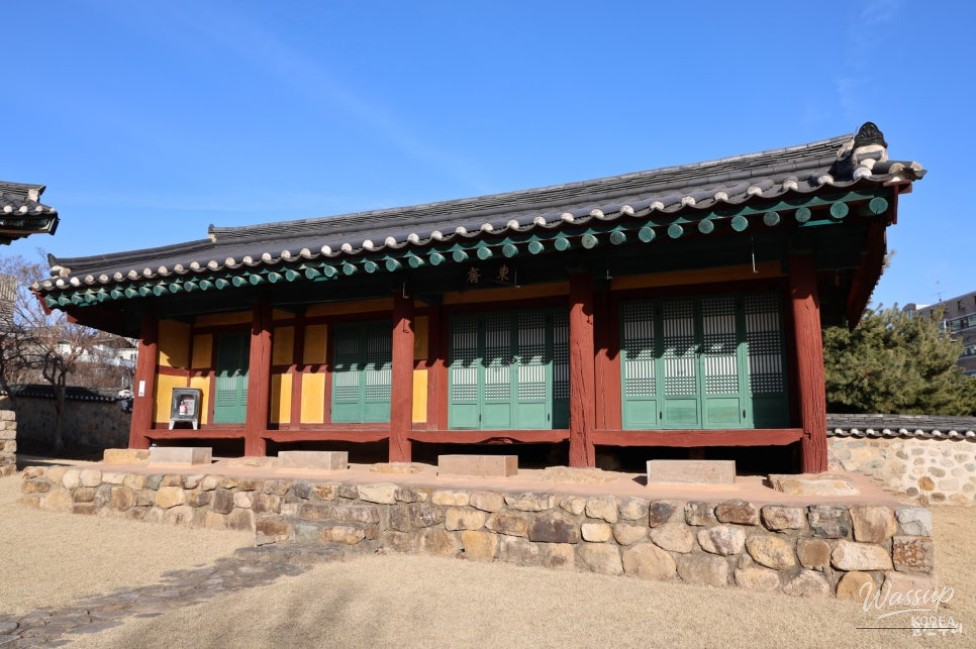
The Munmyo houses the Daeseongjeon, where Confucius and various sages from China and Korea are enshrined, while the Hakdang consists of Myeongryundang, a lecture hall, and the East and West study rooms that served as dormitories.
This place was not merely for reading and memorizing texts; it was a space for learning how to live. It was not about quickly gaining knowledge but about fostering deep contemplation.
Here, some taught while others learned, sharing thoughts and preparing to venture into the wider world.
Learning is not a solitary endeavor; it ultimately connects to something greater.
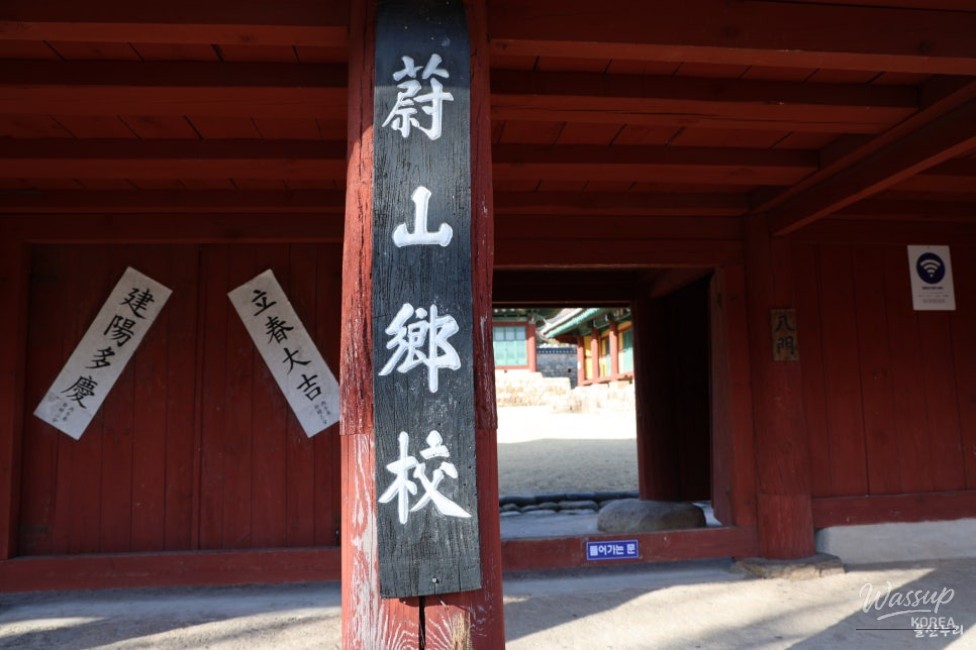
Ascending the stairs and passing through the door reveals another space. The structure is simple, yet its significance is profound. As you enter, you feel closer to the center.
This experience reflects not just the information gathered from the outside but the thoughts slowly formed within.
Spring always begins similarly, but what one prepares within that season varies from person to person.
Some move busily, some change direction, while others pause to reflect.
May is starting to warm up, making it an excellent time for travel.
Ulsan Hyanggyo is the space closest to that 'pause.' It may not show you how to move quickly, but it prompts you to ask why you should go.
We have become accustomed to seeking answers quickly. When faced with uncertainty, we search immediately.
However, direction is not created by searching; it is formed over time through accumulated thoughts.
The reason the hyanggyo has stood here for centuries may lie in this principle: to cultivate people before knowledge and to establish direction before information. You can feel this meaning here.
Ultimately, the spring of May will pass.
However, what thoughts we had during that spring will remain.
Walking through the courtyard of Ulsan Hyanggyo, you naturally come to realize that learning is not about moving ahead but about finding stability.


Source :https://blog.naver.com/ulsan_nuri/224290028135
No comments yet.